Reaming Speed Troubleshooting
Field differentials for oversized and bell-mouthed holes, undersize, chatter, reamer breakage, stock-allowance errors, and material/coolant mismatches — when calculator SFM and feed already looked right
Not a restatement of the guide's speed/feed tables. Pair this with the Reaming Speed and Feed Calculator when RPM, IPR, and stock allowance matched the chart but the hole still failed inspection. For SFM ranges, feed tables, hand vs machine reaming, SFM/RPM lookup, and stock-allowance defaults, use the live Reaming Guide. This page stays on reaming-specific diagnosis forks the guide only sketches.

Reaming Problems Quick Answer
Use this when predrill looked clean, calculator SFM/IPR were in range, and the reamed hole still failed pin fit, finish spec, or go/no-go. The guide lists fixes; this table splits which failure you have before you change the wrong variable.
| Problem | Field tell | First fix | Next tool |
|---|---|---|---|
| Oversized vs bell-mouthed | Oversized: pin slips, hole mic reads +0.001 to +0.005 over. Bell-mouth: entrance larger than mid-bore; pin binds deep | Oversized → check alignment, dull reamer, excess stock. Bell-mouth → floating holder, reduce feed at entry, square spindle to hole | Reaming Calculator |
| Undersized / tight | Pin won't start; reamer felt "glazed"; witness marks from drill still visible | Too little stock → drill undersized one step, second ream pass. Dull reamer → replace. Low feed rub → increase IPR slightly | Reaming Guide |
| Chatter / poor finish | Helical witness lines, squeal, Ra fails but size may be OK | Drop SFM 15–20%, tighten workholding, verify feed not too low. Check spindle runout before blaming speed | Cutting Speed Troubleshooting |
| Reamer breakage / chipped teeth | Teeth missing at chamfer; sudden stop; reamer stuck in blind hole | Excess stock → smaller predrill. Interrupted cut → spiral flute, slow feed through break. Never peck a chucking reamer like a drill | Drill Speed Troubleshooting |
| SFM looked right, hole still bad | Calculator mid-range but stainless work-hardens, cast scale, or blind chips pack | Verify actual hardness vs chart mild steel. Flood coolant on SS. Blind → spiral flute + withdraw every 0.25–0.5 in | Chip Load Troubleshooting |
| Wrong drill / stock allowance | Used letter drill "close enough"; stock on diameter outside 0.010–0.040 band for size | Recompute predrill = reamer dia − stock mid from calculator. Go smaller on predrill, never larger | Reaming Calculator |
1. Oversized & Bell-Mouthed Holes — Floating Reamer, Misalignment, Worn Reamer
What oversized looks like: Hole mic or pin gauge reads consistently above nominal — often +0.001 to +0.005 in on precision reamers, worse if the reamer is worn. Pin slip fit becomes clearance; press fit won't hold. Surface finish may look acceptable even while size is out.
What bell-mouth looks like: Entrance diameter is larger than mid-bore — common when the reamer enters misaligned or when excess stock forces the chamfer to "dig" at entry. Pin starts easy then binds deep. Bore may still be on size mid-length while failing at the face — a different fix than uniform oversize.
Field differential — oversized causes:
- Reamer floating off-axis (wrong way): A rigid holder on a misaligned spindle forces the reamer to cut oversized as it follows the spindle, not the hole. Fix: floating/self-aligning holder OR square spindle to fixture — see Reaming Guide alignment notes.
- Worn reamer: Edges look "fine" but diameter has grown from wear — especially carbide after interrupted cuts. Fix: replace; track resharpened HSS separately.
- Excess stock allowance: Reamer acts like a drill at entry — cuts heavy, spring opens diameter. Fix: smaller predrill; verify stock from Reaming Speed Calculator.
- Spindle runout: TIR at the reamer point translates to lobing and oversize. Fix: indicate in holder; compare to Drill Speed Troubleshooting runout section.
Field differential — bell-mouth causes: Misaligned entry (no float), feed too aggressive first 0.125 in, or pilot hole not deep enough — reamer chamfer cuts only at the face. Fix: reduce feed 30–50% for first half diameter of engagement, use floating holder, ensure predrill depth ≥ reamer length + clearance.
2. Undersized & Tight Holes — Insufficient Stock, Dull Reamer, Wrong Speed
What it looks like: Pin won't enter or needs excessive force. Reamer felt smooth but drill witness marks remain visible in the bore. Go/no-go plug gauge: NO-GO passes but GO won't — or bore reads 0.0005–0.002 in under nominal.
Likely causes:
- Too little stock allowance: Reamer skates over high spots without full cleanup — common when predrill was sized to nominal or only 0.005–0.008 in under reamer diameter on a 1/2 in+ hole. Fix: drill one step smaller; second ream pass after fresh stock.
- Dull reamer / built-up edge (BUE): Especially aluminum and stainless — reamer rubs, material smears on teeth, effective diameter shrinks. Fix: sharp reamer + cutting fluid; don't "push through" a glazed reamer.
- Feed too low (rubbing): Reaming needs enough IPR to cut, not burnish. Too-low feed in soft alloys causes BUE and undersize. Fix: increase feed toward mid of calculator range — not slower RPM alone.
- Wrong speed for material: Work-hardened stainless at "mild steel" RPM work-hardens ahead of the cut — feels like dull tool, measures tight. Fix: drop SFM to stainless band; flood cutting oil.
First fix order: (1) Mic predrill diameter vs required stock. (2) Inspect reamer for BUE or chipped chamfer. (3) Confirm feed isn't below calculator minimum. (4) Only then adjust SFM down 10% steps on scrap.
Undersize after "correct" predrill? Measure stock on diameter, not "felt close" with calipers on the drill shank.
Reaming Calculator3. Chatter & Poor Finish — RPM Too High, Lack of Rigidity, Wrong Feed
What it looks like: Helical or axial witness marks, squeal during cut, surface finish fails Ra spec while diameter may still be in tolerance. On lathe reaming, chatter often shows at the exit where overhang is worst.
Diagnose the cause fork:
- RPM / SFM too high: Reaming runs ~half drilling SFM — going faster causes vibration before breakage. Fix: drop RPM 15–25% from calculator mid; finish and size often improve together.
- Lack of rigidity: Long reamer overhang, weak drill press quill, part hanging in vise jaws, or boring bar-style setup on lathe. Fix: shortest overhang, solid fixture, support near bore exit on through holes.
- Feed too low or interrupted: Rubbing chatter in soft materials; stick-slip in dry cast iron. Fix: increase IPR toward range mid; for cast iron dry run, steady feed — no dwell.
- Wrong feed too high: Less common but produces tear-out chatter at entrance — sounds like hammering. Fix: reduce feed 20%; check excess stock (links to section 1).
Spindle runout and loose Morse taper also masquerade as "speed too high." Indicate the reamer tip at working stick-out before rewriting SFM — overlap with Cutting Speed Troubleshooting for rigidity checks.
4. Reamer Breakage & Teeth Chipping — Too Much Stock, Interrupted Cut, Wrong Feed
What it looks like: Chipped chamfer teeth, reamer seized in blind hole, shank twisted in drill chuck, or carbide flute shattered at keyway cross. Often sudden — no gradual squeal like chatter.
Likely causes:
- Excess stock allowance: Most common on manual drill press — 0.030 in+ on diameter on small reamers loads chamfer like a drill. Fix: predrill smaller; see section 6.
- Interrupted cut: Cross holes, keyways, cast skin, or partial holes. Straight-flute reamer catches at interruption. Fix: spiral-flute reamer for blind/interrupted; slow feed through the break; consider CNC sync feed if available.
- Feed too high / impact entry: Power feed slam at chamfer contact chips teeth. Fix: reduce feed first 0.125 in; hand-feed start on manual machines.
- Pecking a machine reamer: Never peck like a drill — withdrawal without rotation work-hardens and chips pack. Fix: continuous cut on through holes; on blind, slow feed + partial withdraw while rotating to clear chips.
- Hand reamer in drill press: Long taper not designed for machine engagement — tears teeth. Fix: hand-turn with tap wrench only.
Predrill quality matters: crooked pilot loads one flute. Check predrill with edge finder or wobble test before blaming feed from the calculator.
5. Calculator SFM Looked Right but Hole Still Fails — Hardness, Coolant, Peck vs Continuous
What it looks like: Reaming Speed Calculator mid-range SFM and feed, same material name as last good job, but this batch shows work-hardening, torn finish, or size drift. No obvious alignment or stock error.
Material hardness mismatch: "Mild steel" bar from a new supplier at higher CE or cold-drawn skin; 304 vs 316 stainless; heat-treated plate sold as annealed. Chart SFM assumes nominal hardness — actual Brinell 30% higher needs 15–25% lower SFM. Fix: file-test or portable hardness check on scrap; drop to next material tier in calculator.
Coolant / cutting fluid gap: Dry reaming in stainless or tool steel work-hardens within one pass. Aluminum without fluid builds BUE → tight hole. Cast iron often runs dry — oil on CI can cause wheel marks. Match fluid to material per Reaming Guide — calculator shows tips but shop must actually flood the zone.
Peck vs continuous on blind holes: Calculator assumes steady feed. Peck-stop-Peck on manual feed causes work-hardening ring in stainless and chip packing in deep blind holes. Fix: spiral flute, continuous rotation, withdraw every 0.25–0.5 in without stopping spindle; compressed air after withdraw. Chip evacuation issues overlap Chip Load Troubleshooting.
Machine vs hand reamer type: Calculator warns on hand reamer selection — running hand-reamer SFM on a chucking reamer in power equipment destroys the hole and tool even when "RPM was in range."
6. Drill Size & Stock Allowance Wrong for Reamer Diameter
What it looks like: Operator picked "one drill smaller than reamer" from habit, used a tap-drill chart, or letter/fractional drill "close enough." Stock on diameter lands outside the 0.010–0.040 in band (size-dependent). Either breakage/oversize (too much stock) or tight/witness marks (too little).
Stock allowance rules (on diameter — not radius):
| Reamer diameter | Stock on diameter | Predrill ≈ |
|---|---|---|
| Under 1/4 in | 0.010–0.015 in | Reamer dia − 0.012 in |
| 1/4 to 1/2 in | 0.015–0.020 in | Reamer dia − 0.018 in |
| 1/2 to 1 in | 0.020–0.030 in | Reamer dia − 0.025 in |
| Over 1 in | 0.030–0.040 in | Reamer dia − 0.035 in |
Full tables and feed IPR by diameter live in the Reaming Guide — not duplicated here. Use the Reaming Speed Calculator for exact predrill on your diameter.
Common drill-size mistakes:
- Using finished reamer diameter as target drill: Zero stock — reamer can't cleanup.
- Standard fractional drill one step under reamer: Often wrong — 0.500 in reamer with 29/64 (0.453) drill leaves 0.047 in on diameter — far too much.
- Going larger when drill is "too small": Never open predrill if first ream was tight — go smaller and re-ream.
- Depth too shallow: Reamer chamfer still in tapered pilot — measures wrong and chips at face.
Predrill accuracy ties to Drill Speed Troubleshooting when the pilot itself is oversize or crooked before reaming starts.
Cluster Cross-Links — Hand vs Machine Decision
Article 3 live: Hand Reaming vs Machine Reaming — Which to Use — field one-offs vs production chucking, flute choice, and wrong-tool failure modes. This troubleshooting page stays on diagnosis when calculator numbers already matched. Speed/feed tables: Reaming Guide.
Hand vs Machine Reaming → Reaming Speed Calculator → Reaming Guide → Drill Speed Troubleshooting → Cutting Speed Troubleshooting →
Recommended Tools for Reaming Diagnosis
Five CSV catalog picks with verified Product Image URLs — measure, align, fluid, and shop safety
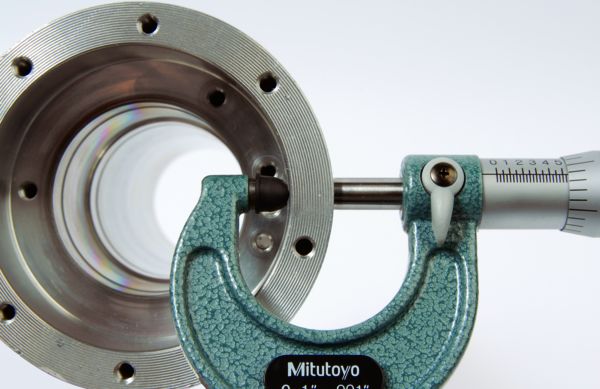
Mitutoyo 103-177 Outside Micrometer, 0–1"
- Verify reamed bore and predrill diameter
- Split bell-mouth from uniform oversize
- 0–1" shop standard for pin fits
- Precision measuring catalog
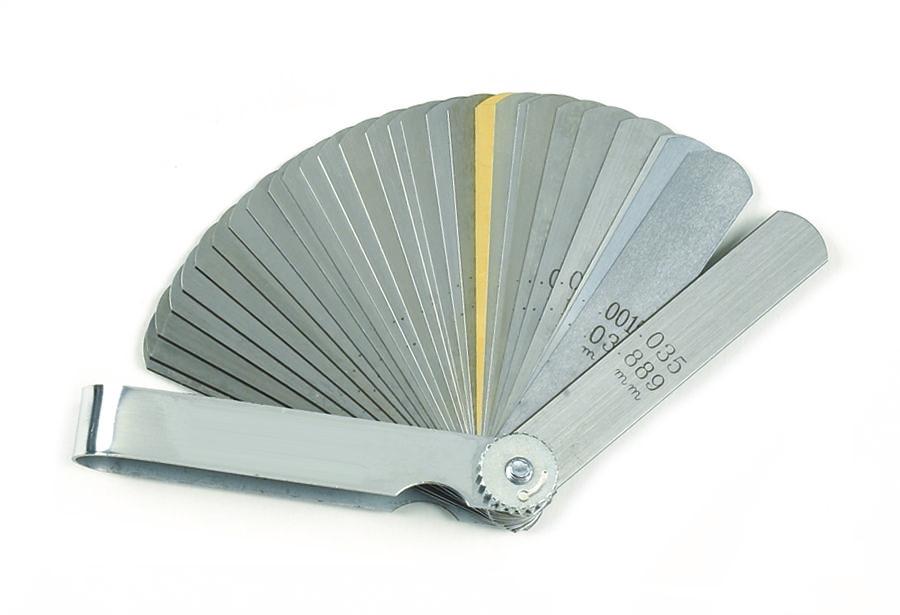
GEARWRENCH 161D 32-Blade Feeler Gauge Set
- Check pin slip vs press fit feel
- Spindle-to-table gap checks
- 32 blades for shop fit-up
- Precision measuring catalog
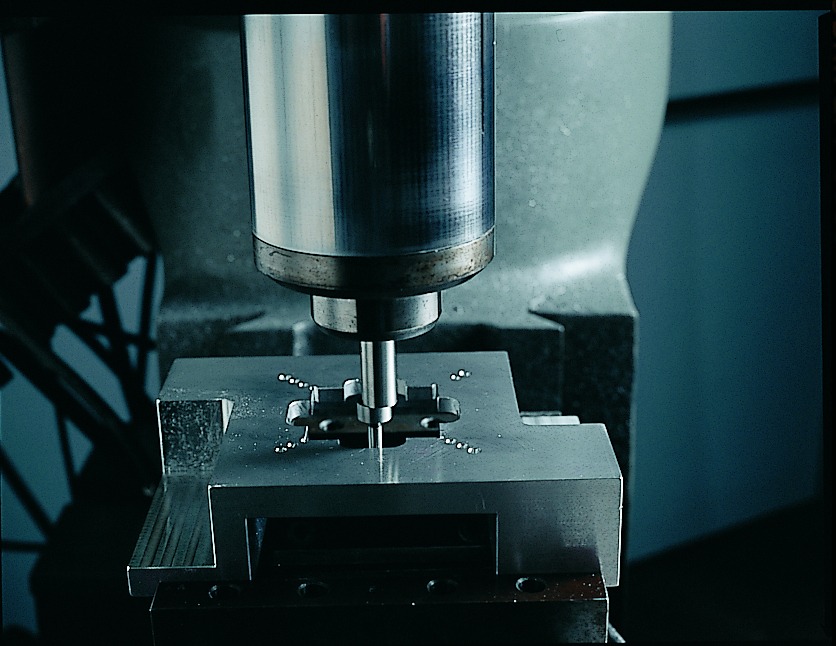
Starrett 827A Edge Finder, .200" Contact
- Locate bore center before reaming
- Reduce bell-mouth from misalignment
- Standard mill/drill press tool
- Cutting tools / machining catalog
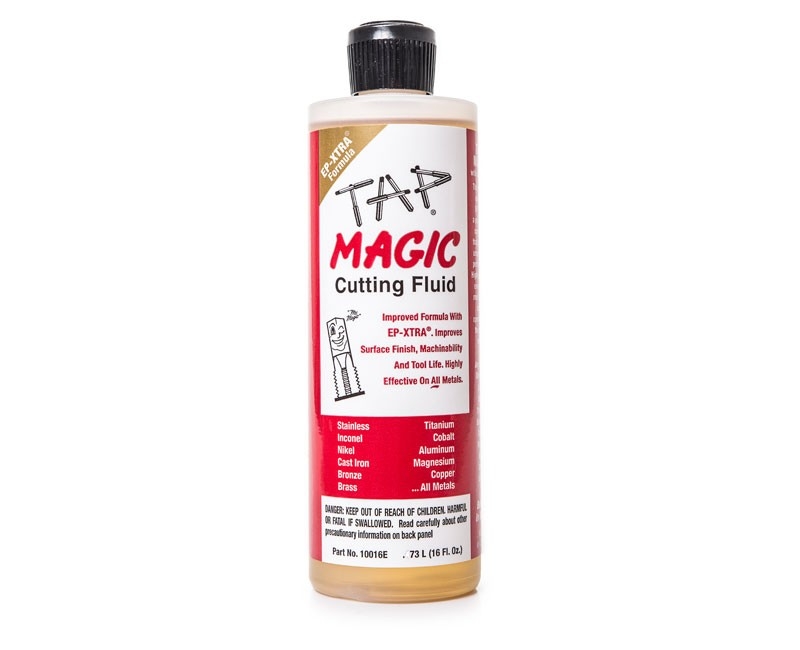
Tap Magic EP-Xtra Cutting Fluid, 16 oz
- Flood zone on stainless reaming
- Reduces BUE and tight holes
- Extends reamer life in steel
- Cutting tools / machining catalog
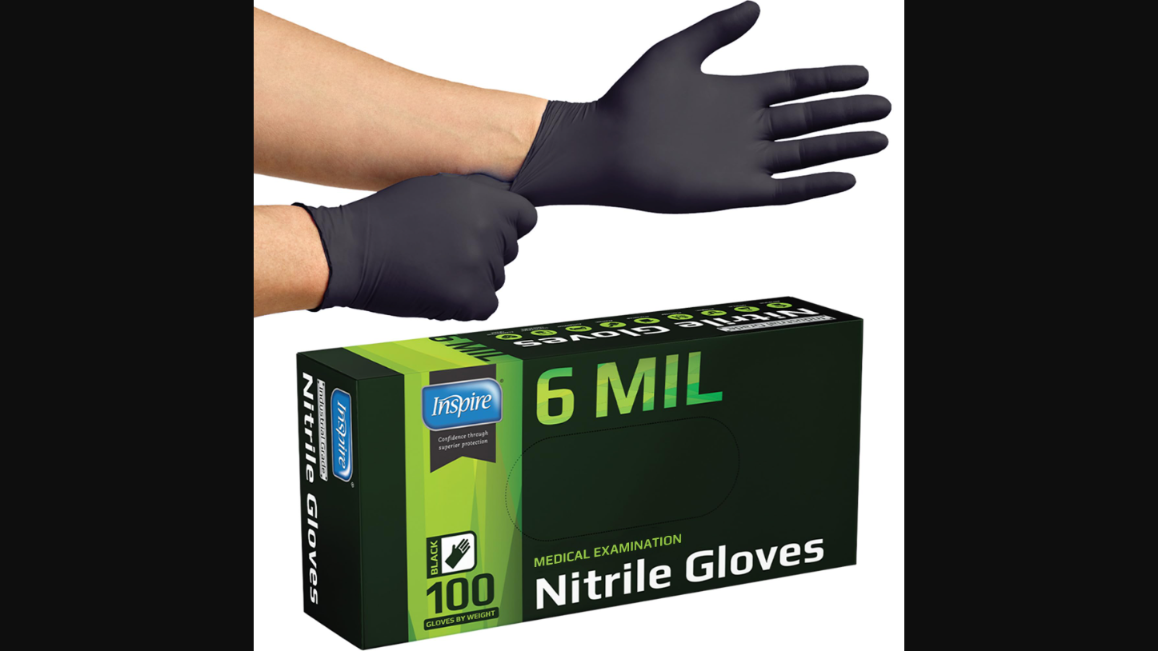
Inspire Black Nitrile Gloves, Heavy Duty 6 Mil
- Chip/oil handling during hole inspection
- 6 mil heavy-duty shop gloves
- Keeps cutting fluid off hands
- PPE catalog
As an Amazon Associate, TestTalkHQ earns from qualifying purchases. All five cards are sourced only from the affiliate CSV with verified Product Image URLs. Catalog gaps flagged by name: HSS chucking reamers; adjustable hand reamer sets; machine reamer sets; drill chucks; floating reamer holders; dial bore gauges; telescoping pin gauges; SHARS wiggler sets (no image in CSV); Klein Tools 60171 Safety Glasses (CSV Geniuslink URL returns 404).
Frequently Asked Questions
How is this different from the Reaming Guide problem table?
The guide lists likely cause and fix in one row each. This page splits failures by field presentation — bell-mouth vs uniform oversize, rub-induced undersize vs dull tool, rigidity vs SFM on chatter — and ties them to measurement and alignment checks when calculator numbers already matched.
Calculator SFM matched — why is the hole still oversized?
Alignment (floating holder), worn reamer diameter, excess stock, and spindle runout override chart SFM. Measure entrance vs mid-bore and mic the predrill before changing RPM.
Should I slow RPM for every chatter problem?
Not first. Confirm stick-out, workholding, and feed — then drop SFM 15–20%. Chatter with on-size bore is often rigidity, not speed.
Why no reamer product cards?
Best catalog matches (HSS chucking reamers, adjustable hand sets, spiral-flute carbide) lack Product Image URLs in the affiliate CSV — flagged as catalog gaps instead of mismatched photos.
Where are speed/feed tables and chart lookup?
Hand vs machine decision: Hand Reaming vs Machine Reaming — Which to Use. Stock/SFM/IPR tables: Reaming Guide. Starting numbers: Reaming Speed Calculator.