Hand Reaming vs Machine Reaming — Which to Use
Field one-offs and binding recovery vs production repeatability — tool geometry, flute choice, and what fails when you mix the two
The Reaming Guide covers stock allowance, SFM, and feed tables. The calculator warns not to run a hand reamer at machine speed. This page is the decision fork: when hand reaming is the right call, when chucking (machine) reaming is required, how spiral vs straight flute fits the job, and the failure modes that show up when you use the wrong tool. Pair with the Reaming Speed Calculator after you pick a method — and Reaming Speed Troubleshooting if size or finish still fails.

The Decision Fork in One Minute
Use hand reaming when…
- Field or bench work with no drill press / mill access
- One-off or low-count holes where feel matters more than cycle time
- Fitting a dowel or bushing by “sneaking up” on size
- A chucking reamer is binding and you need controlled hand recovery
- You have a tap wrench / T-handle and time to turn slowly
Use machine (chucking) reaming when…
- Production runs or any job that needs hole-to-hole repeatability
- Tight tolerance (+/−0.0005 in class) across a batch
- Larger diameters where hand torque is impractical
- CNC / mill / drill press with calculated RPM and feed
- Through or blind holes set up with floating holders and coolant
When Hand Reaming Is the Right Call
Field and one-off work: No spindle, no power feed — just a predrilled hole and a tap wrench. Hand reamers use a long tapered lead (often several flutes of gradual engagement) so you can feel resistance, square the tool by eye, and stop before you tear the entrance. That control is why fitters reach for hand reamers on assembly floors, equipment repair, and mobile fab where the hole has to accept a pin now.
Sneaking up on a fit: Adjustable expanding hand reamer sets let you open a hole a few tenths at a time after a press-fit try. That workflow does not belong on a chucking reamer at machine RPM — the short chamfer engages too abruptly for “feel.”
Recovering a binding reamer: If a chucking reamer stalls or packs chips in a blind hole, switching to a hand reamer (or finishing the last diameter by hand) can save the part — rotating slowly while withdrawing chips. Do not power-feed the stuck machine reamer harder; that is how teeth chip. Diagnosis detail: Reaming Speed Troubleshooting.
What hand reaming is not: It is not a substitute for production CNC reaming. Operator fatigue, lead-in angle, and inconsistent RPM destroy batch capability. If the traveler says 50 identical H7 holes, hand reaming is the wrong fork.
When Machine (Chucking) Reaming Is Required
Production and repeatability: Chucking reamers have a short chamfer designed for power feed. Once stock allowance and alignment are right, calculated SFM and IPR from the Reaming Speed Calculator deliver consistent size across lots — something hand turning cannot match.
Tight tolerance batches: Dowel pin holes, press-fit bushings, and gauge-qualified bores need the same engagement angle and feed every cycle. Floating holders and rigid spindles beat hand feel when the print calls out ±0.0005 in.
Larger diameters: Above roughly 3/4–1 in, hand torque becomes impractical and dangerous. Machine reaming (or a dedicated reaming attachment) is the safe path; hand reamers still exist for large sizes but belong on low-count repair work, not production.
Setup that makes machine reaming work: Correct predrill stock (see guide tables), floating or self-aligning holder when spindle-to-hole alignment is imperfect, flood fluid on stainless/tool steel, continuous feed on through holes. Predrill RPM from the Drill Speed Calculator; thread prep neighbors: Tap Drill Size Calculator and Tapping Speed Calculator.
Tool Differences — Hand vs Chucking Geometry
| Feature | Hand reamer | Machine / chucking reamer |
|---|---|---|
| Lead / chamfer | Long taper (gradual engagement) | Short chamfer (power-feed ready) |
| Drive | Square shank for tap wrench / T-handle | Straight or Morse shank for chuck / spindle |
| RPM intent | Slow hand turn (feel-based) | Calculated SFM → RPM |
| Best job | Field, one-offs, fit adjustment | Production, tight repeatability |
| Adjustable sets | Common (expanding blades) | Fixed diameter (typical) |
The guide’s short warning — never run a hand reamer at machine speed, never hand-turn a chucking reamer expecting hand-reamer feel — is the core of this fork. The long taper on a hand reamer at spindle RPM digs like a drill and tears the surface. The short chamfer on a chucking reamer in a tap wrench grabs abruptly, loads one flute, and often oversizes or chatter-marks the entrance.
Spiral Flute vs Straight Flute (Either Method)
Flute style is a second fork that applies whether you hand-turn or power-feed:
- Straight flute: General-purpose through holes in most materials. Simple chip path; common on both hand and chucking reamers.
- Spiral flute: Preferred for blind holes and interrupted cuts (keyways, cross holes). Right-hand spiral with right-hand cut pulls chips up and out — critical when chip packing would break teeth on a machine reamer or freeze a hand reamer mid-hole.
The Reaming Guide sketches this briefly; the decision here is practical: blind stainless or keyway crossings → spiral first. Clean through holes in mild steel → straight flute is fine. Wrong flute shows up as breakage and chip weld — see troubleshooting, not a speed-chart change.
Failure Modes — Using the Wrong One
Hand-turning a machine (chucking) reamer: Short chamfer engages all at once. Result: torn entrance, sudden oversize, chipped teeth, or a stuck tool. Operators often blame “dull reamer” when the real error was tool type.
Power-feeding a hand reamer at machine RPM: Long taper was never designed for rapid engagement. Result: torn / oversized hole, poor finish, and a tapered witness that no amount of SFM tweak fixes. Select HSS Hand Reamer in the calculator only when you will actually hand-turn — the RPM it shows is a reference ceiling, not a drill-press target.
Mixed setup on one job: Starting with a chucking reamer at calculated feed, then “finishing by hand” with the same chucking tool in a wrench, inherits both failure modes. If you need hand finish, switch to a true hand reamer or adjustable set.
Quick Selection Matrix
| Job signal | Lean toward | Why |
|---|---|---|
| No machine access / field repair | Hand reamer | Feel + long taper |
| One hole, fit-critical bushing | Hand or adjustable hand | Sneak up on size |
| Batch of identical pin holes | Chucking reamer | Repeatability |
| Diameter ≥ ~1 in production | Machine reaming | Torque / safety |
| Blind hole / interrupted cut | Spiral flute (+ correct drive) | Chip evacuation |
| Reamer binding mid-cut | Stop power feed; hand recovery | Protect teeth / part |
| Calculator RPM but torn entrance | Check tool class first | Often wrong reamer type |
Reaming Cluster — Calculator, Guide, Troubleshooting
Starting RPM, feed, and stock: Reaming Speed Calculator. Tables and process basics: Reaming Guide. Size/finish failures when numbers already matched: Reaming Speed Troubleshooting. Chart lookup: Reaming Speed Chart.
Tools for the Hand vs Machine Decision
Five CSV catalog picks with verified Product Image URLs — hand reamers, hand-turn tooling, cutting fluid, predrill, and inspection
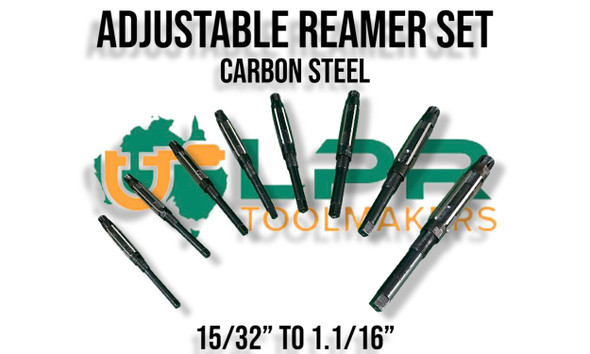
OMEX 8-Piece Expanding Adjustable Hand Reamer Set
- Field and one-off hand reaming
- Expand to sneak up on pin fits
- 15/32"–1-1/16" coverage
- Cutting tools / machining catalog

Hi-Spec 39-Piece SAE & Metric Tap and Die Set
- Tap wrench / T-handles for hand reamers
- Shop set when a dedicated wrench is missing
- SAE + metric coverage
- Cutting tools / machining catalog
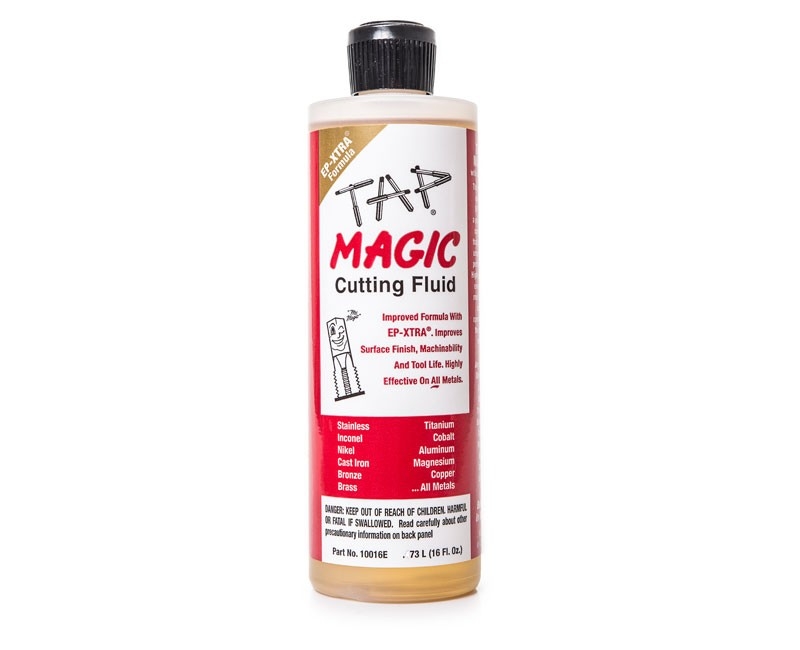
Tap Magic EP-Xtra Cutting Fluid, 16 oz
- Required for stainless hand or machine reaming
- Cuts BUE and torn finish risk
- Apply at the cut zone
- Cutting tools / machining catalog
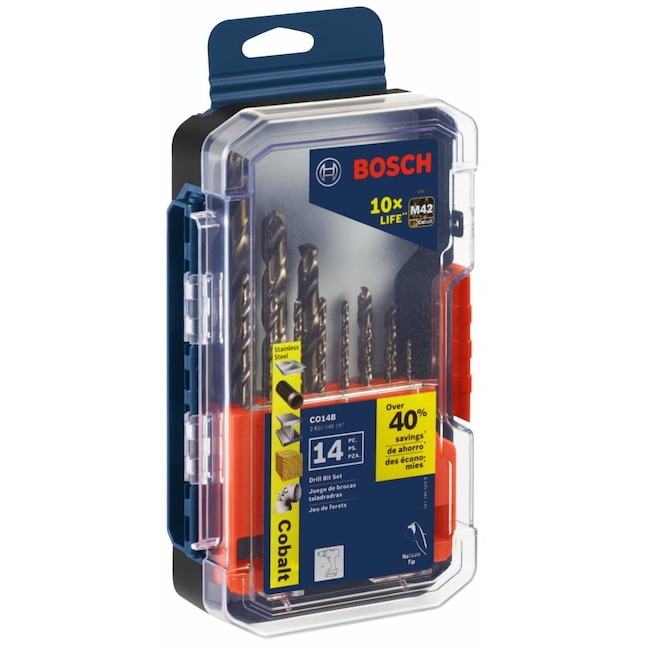
BOSCH CO14B 14-Piece Cobalt M42 Drill Bit Set
- Accurate stock allowance before ream
- Cobalt for steel predrill
- Pairs with either hand or chucking finish
- Drilling / machining catalog
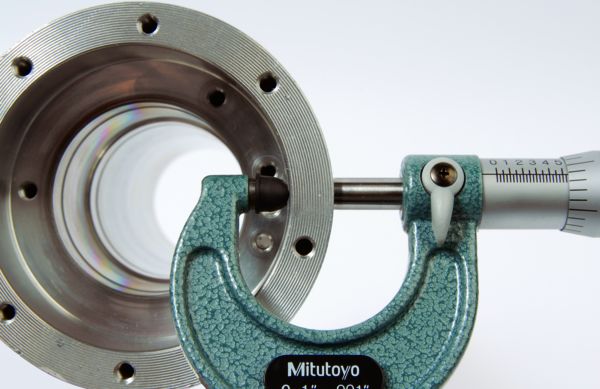
Mitutoyo 103-177 Outside Micrometer, 0–1"
- Confirm predrill stock on diameter
- Check pin / bushing OD before fit
- Split oversize from feel-only mistakes
- Precision measuring catalog
As an Amazon Associate, TestTalkHQ earns from qualifying purchases. All five cards use verified Product Image URLs from the affiliate CSV. Catalog gaps flagged by name: dedicated standalone tap wrenches; HSS chucking / machine reamer sets; spiral-flute carbide chucking reamers; floating reamer holders (no matching image SKU in CSV).
Frequently Asked Questions
Can I run a hand reamer in a drill press slowly?
No. Slow spindle RPM is still machine engagement on a long taper. Hand reamers belong in a tap wrench. Use a chucking reamer if you need power feed.
Can I finish a chucking-reamed hole by hand with the same tool?
Poor practice. The short chamfer lacks hand-reamer feel. Switch to a hand or adjustable reamer if you need hand finish.
Does the calculator replace this decision?
No. Pick hand vs machine first, then use the Reaming Speed Calculator for RPM/feed/stock. Hand-reamer mode is not a license to power-feed.
Spiral or straight for hand reaming?
Same rules as machine: spiral for blind/interrupted, straight for most through holes. Flute choice does not turn a hand reamer into a chucking reamer.
Hole still fails after I picked the right tool type?
Go to Reaming Speed Troubleshooting — alignment, stock, coolant, and chatter forks.