Three adjustments, two of which tilt the bias line and only one of which bends it
If your rear axle locks before your front one, there are exactly three places you can change it. They are not interchangeable, they do not cost the same, and critically only one of them changes the shape of the relationship rather than its level. Pick the wrong one and you will chase the problem from one deceleration to another for a season.
First, the thing all three are trying to chase
Your hydraulics deliver a fixed front-to-rear split, because a master cylinder has no idea how hard you are stopping. The grip available at each axle moves, because braking throws weight forward. FMVSS 135 S7.4.4(g) puts a number on it: the ideal front share of braking force is P₁/P + z h / E, where P₁/P is the static front weight fraction, z is the braking ratio, h is the centre of gravity height and E is the wheelbase.
So the ideal is a straight line rising with deceleration. On a 55 percent front car with a 20 in centre of gravity and a 108 in wheelbase, that is 55 percent at a standstill, 64 at 0.5 g, 70 at 0.8 g and 74 at 1.0 g.
A fixed hydraulic share is a flat line across that. Two such lines cross once. Below the crossing you are front biased and leaving rear grip unused; above it you are rear biased, and above it is also where the standard’s requirement bites: “lockup of both front wheels occurs either simultaneously with, or at a lower deceleration rate than, the lockup of both rear wheels”, for first-axle lockup anywhere from 0.15 to 0.80.
The three options, side by side
| Adjustment | Effect on the bias relationship | Authority | Cost and reversibility |
|---|---|---|---|
| Caliper piston area, pad μ or effective radius | Tilts the flat line, any amount | Essentially unlimited | Parts money. Permanent until you change parts again. |
| Master cylinder bores (two cylinders on a balance bar) | Tilts the flat line, coarsely | Wide, in discrete bore steps | Moderate. A bore swap is an afternoon. |
| Balance bar position | Tilts the flat line, finely | Roughly 2:1 force split, so about one third to two thirds | Free, from the cockpit, reversible in seconds. |
| Proportioning valve | Bends the line: full pressure to the rear below a split point, reduced slope above it | Can only ever reduce rear pressure, never add it | Cheap. Adjustable versions tune on the car. |
Note the asymmetry in the last row, because it decides half the cases on this page: a proportioning valve can only take rear pressure away. If your problem is that the front axle is not doing enough, a valve cannot help you at all — it can only make the whole car brake less. You would be fitting a restriction to disguise a front brake deficiency, and the result is a car with correct bias and a longer stop.
Option 1: change the brakes
This is the proper fix, and it is what every well-engineered big brake kit is doing. Front axle torque is proportional to piston area on one side of the caliper, to pad coefficient of friction, and to effective rotor radius. Raise any of them at the front, or lower any of them at the rear, and the bias line tilts forward.
Wilwood’s note on doing it with pistons is worth having in front of you, because it is not a free lever: larger caliper pistons do increase braking performance on that axle, “providing the tires and suspension are able to transfer that brake torque to the road effectively”, but “if the caliper pistons are too large for the application, they are likely to cause excessive pedal travel and an adverse change in front to rear balance resulting in longer stopping distances. It is also possible that clamping forces can become so strong that pre-mature lock-up will occur, making brake modulation difficult.”
Three things to understand about doing it this way:
- Piston area costs fluid volume. More area means more fluid per inch of travel, so a caliper change can turn a good pedal into a long one. That is a master cylinder question as much as a caliper question.
- Pad friction is the cheapest version and the least stable. Changing one end’s compound changes the bias immediately — and because the two compounds then fade at different rates, it changes it again as the brakes get hot. A bias set with mismatched compounds is a bias that moves on the fifth stop.
- Effective radius is a geometry change you can get for free. A pad with less radial height on the same rotor sits further out and makes more torque. Worth checking before buying calipers.
Option 2: master cylinder bores and a balance bar
This is the race-car arrangement: two separate master cylinders, one for each axle, pushed by an adjustable bar. Wilwood set out what you get for it: “Brake proportioning can be adjusted by use of different size master cylinder bores for front and rear brakes. Front to rear brake balance can be fine tuned by adjusting the balance bar. With two independent hydraulic systems, should one master cylinder fail, the other system may remain functional.”
So there are two adjustments stacked, and they have very different ranges.
The bores are the coarse one. Each circuit’s pressure is its share of the pushrod load divided by its own bore area, so a smaller rear bore means more rear pressure, not less. That catches people out constantly. Bore sizes come in discrete steps, so this is a bracket, not a dial.
The bar is the fine one, and its range is smaller than people assume. Wilwood describe both ends of it: centred, it “pushes equally on both master cylinders creating equal pressure, given that the master cylinders are the same size bore”, and wound as far as it will go toward one cylinder, “it will push approximately twice as hard on that cylinder as the other.” That is the full authority of the bar: roughly a 2:1 force split, which is about one third to two thirds of the pushrod load. Useful, finite, and not a design range. If you need more than that, you need different bores. If you need more than different bores, you need different calipers.
Two practical notes from the same source. Setting it up means threading the pushrods through their clevises, and “threading one pushrod into its respective clevis means threading the other one out the same amount”; a bar that looks cocked at rest is acceptable “as long as each master cylinder pushrod is completely free of pressure when the pedal is relaxed.” And the typical asphalt setup they illustrate is large caliper pistons at the front with small ones at the rear — the bar is trimming a system that is already biased correctly by its hardware.
Any trade
Contractor Job Estimator
Price remodels and GC work, then send a quote with no internal numbers.
Excel or Google Sheets. Best on a computer.
$29.00
BuyCheckout opens in a new tab.
Setting it, and then proving it
All three of these adjustments end the same way: on a closed surface, at low speed, loaded and empty, checking which axle gives up first. The measuring kit below is what turns “it feels better” into numbers you can put back into the calculator. The one thing we cannot list is a brake line pressure gauge — no verified affiliate link, so no guess.
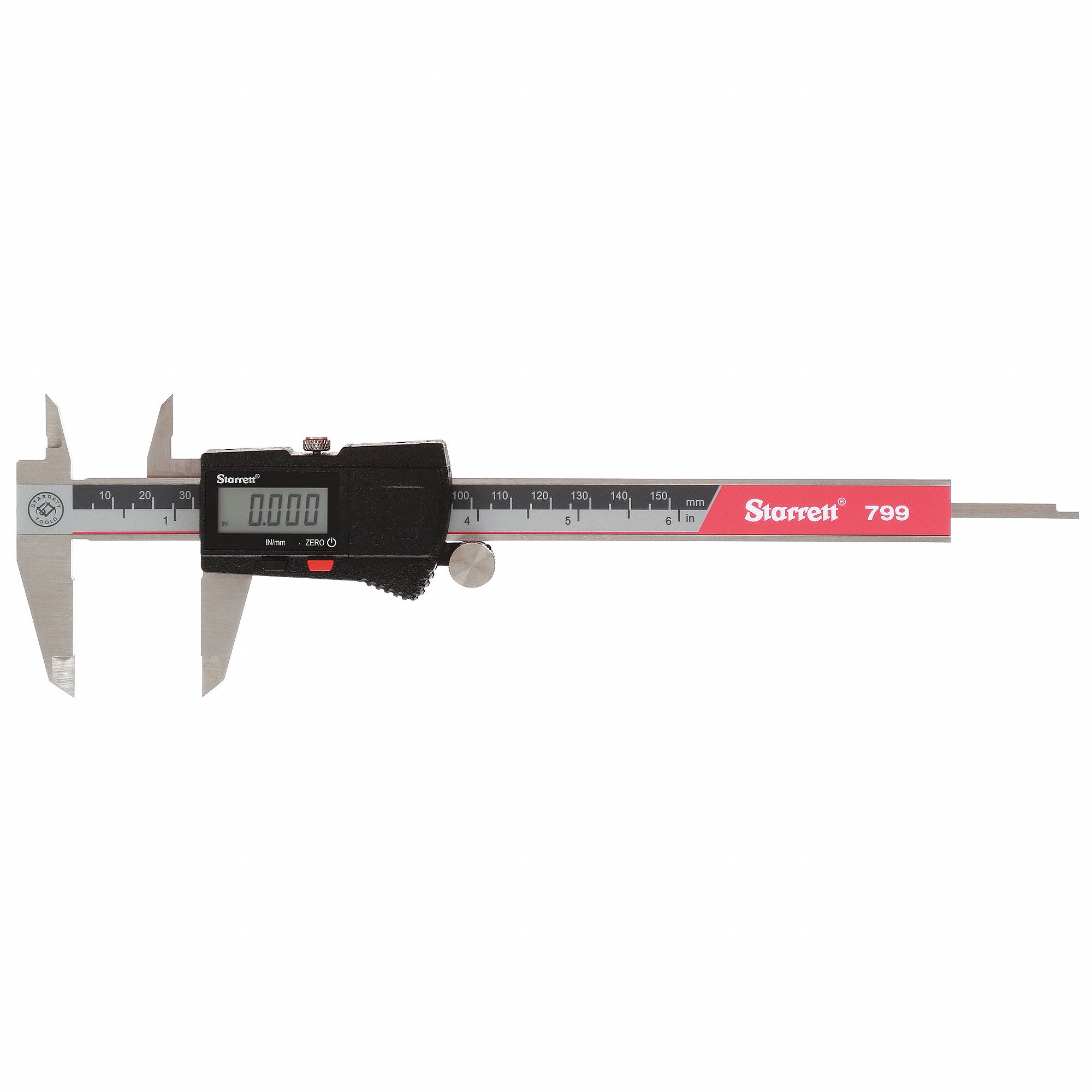
Starrett EC799A Electronic Caliper 0‑6"
- Bore, piston diameter and swept radius are the three bias levers
- You cannot choose between them without knowing what you have
- Measures the master cylinder bore the car actually came with

Lisle 81850 Brake Lining Thickness Gauge Set
- Rear pads wearing faster than front is a bias symptom, not a pad fault
- Worth checking before you reach for a proportioning valve
- Confirms the friction figure you typed still describes the pad

8MILELAKE 24‑Piece Caliper Compressor Set
- Piston area is the proper bias fix and this is how you get at it
- Count pistons on one side only, as Wilwood specify
- Keeps the boot intact so the piston stays free afterwards

OMT One‑Man Brake Bleeding Kit
- Fitting a valve or a master cylinder means opening the system
- Air left in one circuit reads exactly like a bias problem
- Bleed both circuits before you judge any bias change

EPAuto 1/2" Drive Click Torque Wrench
- Master cylinders, brackets and calipers all have a torque spec
- Wilwood: brake pedals and mounts should be mounted securely
- 10 to 150 lb-ft covers the whole job on most cars
As an Amazon Associate, TestTalkHQ earns from qualifying purchases. Prices and availability can change.
Option 3: a proportioning valve, the only one that bends the line
A proportioning valve passes full line pressure to the rear brakes up to a split point, and above that point lets rear pressure rise more slowly than front pressure. That is a fundamentally different kind of adjustment from the first two, and it is the only one that can follow the shape of the ideal curve instead of crossing it once.
Picture the three curves together. The ideal front share rises with deceleration. A fixed split is flat and crosses it once. A valved system is flat up to the split point and then rises — because above the knee, front pressure keeps climbing while rear pressure does not, so the front share increases exactly as the ideal share does. It will not match perfectly, but it can stay close across a range rather than agreeing at one deceleration.
Two numbers set it: where the knee is (in psi) and how steeply the rear rises above it (as a fraction of the front’s rise, typically somewhere between a third and two thirds on adjustable units). Put the knee too low and you lose rear braking in gentle stops where you had the grip for it. Put it too high and the rear is already in trouble before the valve starts helping.
And the point Wilwood make about the factory one is the single most useful sentence in this whole article for anybody with a modified car: “The factory valve was designed for a specific weight car, on a specific tire, with a specific suspension system, and a specific amount of brake torque at each wheel. If any of these specifications have been altered, the factory valve will not allow the optimum performance of the braking system by either limiting too much pressure or not limiting the pressure enough.”
Change the calipers, the tyres, the ride height or the weight, and that valve is now tuned for a car that does not exist. Wilwood’s own position on unmodified cars is the other half of it: their kits are designed with the correct piston area for each application and “will work with your dual-chamber stock master cylinder and stock pressure limiting valve”, including with ABS. It is specifically muscle cars, hot rods, street machines and customs — cars whose weight and chassis dynamics have significantly changed — that need the factory valve removed and an adjustable one fitted.
So which one do you need
| Your situation | Reach for | Why |
|---|---|---|
| Building a system from scratch | Caliper piston area and effective radius | Set the bias in the hardware, with the crossover above your hardest stop |
| Stock car, nothing modified, brakes feel fine | Nothing | The factory valve is correct for that car. Leave it. |
| Changed weight, tyres, suspension or brake torque | Adjustable proportioning valve | The factory valve is now tuned for a different car |
| Rear locks first, hardware otherwise sensible | Proportioning valve | Takes rear pressure out, which is exactly what is needed |
| Front axle under-braked | Front calipers, pads or rotors — not a valve | A valve can only remove rear pressure, never add front |
| Bias right at low g, wrong at high g | Proportioning valve | Only the valve bends the line instead of tilting it |
| Car is loaded sometimes and empty others | Valve, and set it for the empty case | Empty is the condition that locks a rear axle |
| Race car, bias changes between sessions | Balance bar, on correct bores | Cockpit adjustment on top of hardware that is already right |
| Not enough line pressure at all | Smaller master cylinder bore or more pedal ratio | This is not a bias problem — see hard pedal, won’t stop |
The last row is there because it is the most common misdiagnosis. A car that will not stop and a car with wrong bias feel similar from the driver’s seat and have nothing in common mechanically. Measure the line pressure first against Wilwood’s 900 to 1200 psi, and if it is short, go to hard pedal, won’t stop before you touch the bias.
Three things none of them can fix
- Different pad compounds front and rear. No bias device can follow a bias that moves with temperature. If the two ends fade at different rates, the valve or bar you set cold is wrong hot. Fix the compounds.
- A seized caliper or a frozen slide pin. That is a left-right and a per-corner problem, and a front-to-rear adjustment cannot see it. It will, however, make your bias measurements nonsense.
- A rear drum brake whose brake factor you do not know. The drum’s self-energising multiplication is somewhere between roughly two and four depending on geometry and lining, and it is measured rather than calculated. Tuning a valve against an unknown rear torque is tuning by feel, and “feel” on a rear axle is the one place feel is worth least — the warning you get before a rear lock-up is almost none.
Frequently asked questions
Do I need an adjustable proportioning valve? On an unmodified car, no. Wilwood state that their kits are designed with the correct piston area for each application and will work with the stock dual-chamber master cylinder and stock pressure limiting valve, including with ABS. You need one when the car’s weight or chassis dynamics have significantly changed, which is typical of muscle cars, hot rods, street machines and customs, because the factory valve was designed for a specific weight, tyre, suspension and brake torque at each wheel and is wrong once any of those change.
Can a proportioning valve increase front brake pressure? No, and this is the limitation that decides many cases. A proportioning valve can only reduce rear pressure above a split point. If the real problem is that the front axle is under-braked, a valve cannot add anything to the front — using it to restore the bias ratio would simply make the whole car brake less. A front deficiency has to be fixed with front caliper piston area, pad friction or effective rotor radius.
What is the difference between a proportioning valve and a residual pressure valve? They are unrelated jobs in similar-looking fittings. A proportioning valve reduces the rate at which rear brake pressure rises above a split point, to manage front-to-rear bias. A residual pressure valve holds a small standing pressure in a circuit to prevent fluid draining back when the master cylinder reservoir sits below the calipers. Wilwood warn specifically against confusing the two pound residual valve with the ten pound version, because the ten pound valve is for drum brakes only and will drag disc pads permanently.
How much can a balance bar actually change? Less than most people assume. Wilwood describe a centred bar as pushing equally on both master cylinders, creating equal pressure when the bores are the same size, and a bar wound as far as possible toward one cylinder as pushing approximately twice as hard on that cylinder as the other. So the bar’s full authority is roughly a two to one force split, or about one third to two thirds of the pushrod load. It is a fine-tuning range on top of hardware that is already close, not a way to design the bias.
Does a smaller master cylinder bore give more or less pressure in that circuit? More. Pressure is the force on that cylinder’s pushrod divided by its bore area, so a smaller bore means higher pressure for the same force. On a balance bar system that means fitting a smaller rear master cylinder increases rear brake pressure, which moves the bias rearward. This catches people out because the intuition runs the other way.
Is a dual master cylinder with a balance bar better than a tandem master cylinder? For a race car, often. Wilwood list the advantages as adjustable proportioning through different bore sizes, fine tuning on the balance bar, and two independent hydraulic systems so that if one master cylinder fails the other may remain functional. For a road car it adds a pedal box, two cylinders, two reservoirs, a setup procedure and an adjustment the driver can get wrong, in exchange for an adjustment a road car rarely needs.
Where should the proportioning valve split point be set? At the point above which the rear axle starts being asked for more adhesion than its dynamic load supports. Below the knee you want full rear pressure, because at gentle decelerations the rear still carries most of its static weight and the grip is there to use. Above it you want the rear to fall behind as weight transfers forward. Set it too low and you throw away rear braking you had; set it too high and the rear is already in trouble before the valve begins to act. Set it for the empty condition if the vehicle’s load varies, because empty is the case that locks a rear axle.
Can I fix brake bias by fitting a more aggressive front pad? It will move the bias forward immediately, and it is the cheapest way to do so. The catch is stability: two different compounds front and rear fade at different rates, so the bias you set cold changes as the brakes heat up, and it changes most on the repeated hard stops where bias matters most. It is a legitimate adjustment if you know both compounds’ friction behaviour across temperature, and a quiet source of trouble if you do not.
Does changing bias change my stopping distance? Yes, in both directions. A system that is a long way front-biased leaves rear grip unused and therefore stops longer than it could. A rear-biased system may stop shorter in a controlled test and is unsafe, because a locked rear axle has almost no lateral grip. The design answer is to put the crossover between your fixed share and the rising ideal share at or above the hardest stop the vehicle will ever make, accepting a little distance on gentle stops in return for never locking a rear axle.
Do these adjustments matter on a car with ABS? Yes. The wheel lock sequence test in FMVSS 135 is stated to be for vehicles without antilock brake systems, so an ABS car is not judged on that sequence the same way, but the hydraulic bias still decides how hard the ABS has to work. A badly rear-biased car with ABS spends its stop cycling the rear channel while the front axle is under-used, and gets a longer stop for it. It also has to fall back on the mechanical bias if the ABS fails, which is what the standard’s partial-failure tests exist to cover.