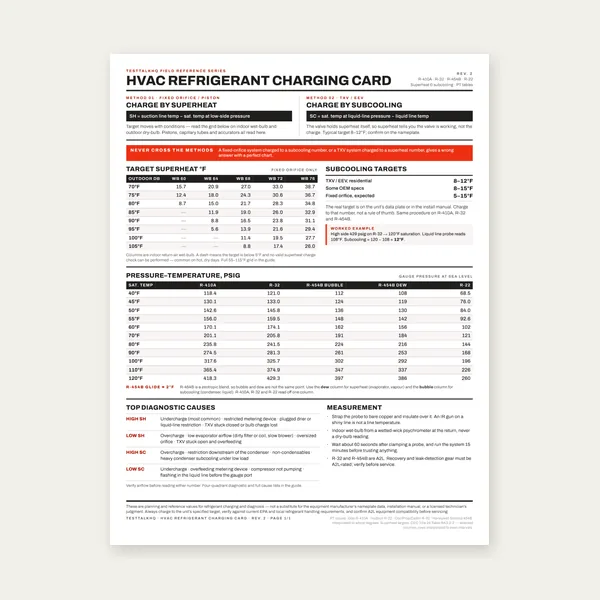
HVAC Refrigerant Charging Card
One page. Superheat, subcooling and PT for four refrigerants.
$3.99
BuyAdditive flat-pattern workflow vs subtractive outside-flange workflow — shop conventions, software defaults, and how mixing them wrecks blanks
The Sheet Metal Bending Guide explains K-factor and the BA formula. This page is the decision fork: which method matches how your print is dimensioned and how your shop (or CAD) builds flats. Pair with the Bend Allowance Calculator or Bend Deduction Calculator after you pick a side — not both on the same drawing.
Workflow: Establish flange lengths to the mold line (often inside), compute BA for each bend from angle, inside radius, thickness, and K, then sum flanges + allowances into one blank. Additive thinking: “how much stock does this bend consume?”
Where it shines: CAD unfolders, nesting from flats, and prints that already speak in developed length. Use the Bend Allowance Calculator when that is your shop’s language.
Watch-outs: If QC measures outside overall length, convert carefully — don’t paste BA into a BD-style sum of outside legs.
Workflow: Take the two outside flange lengths from the formed part, compute outside setback and BA, then BD = 2 × OSSB − BA. Subtract BD from the sum of outside legs to get the blank. Subtractive thinking: “how much do I pull out of the outside lengths?”
Where it shines: Hand layout from outside-dimension prints, many press-brake chart books, and shops that already stock BD tables by material and V-die. Use the Bend Deduction Calculator for that path.
Watch-outs: Wrong setback (inside vs outside) is the classic short-flange failure — see Sheet Metal Bending Troubleshooting.
Neither convention is “more correct.” Match the method to the dimensioning system on the print and the tool your estimator already trusts. Gauge thickness for either path: Sheet Metal Gauge Chart.
One page. Superheat, subcooling and PT for four refrigerants.
$3.99
Buy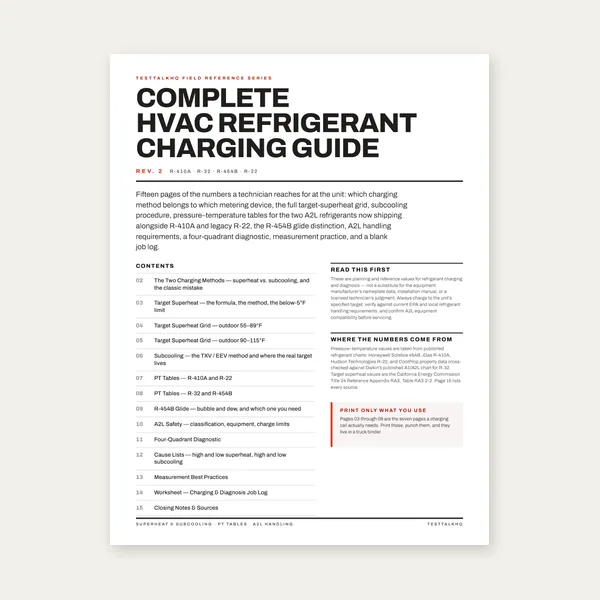
15 pages. Full superheat grid, PT tables, A2L safety and diagnosis.
$12.99
Buy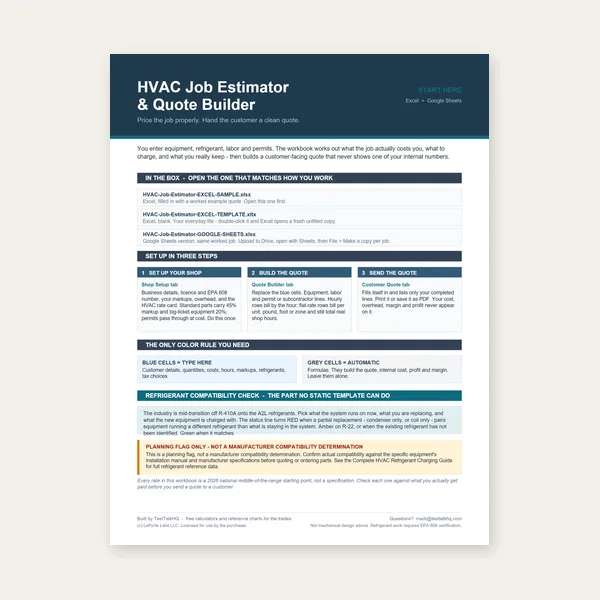
Quote HVAC work and catch a refrigerant mismatch before you order.
Excel or Google Sheets. Best on a computer.
$29.00
Buy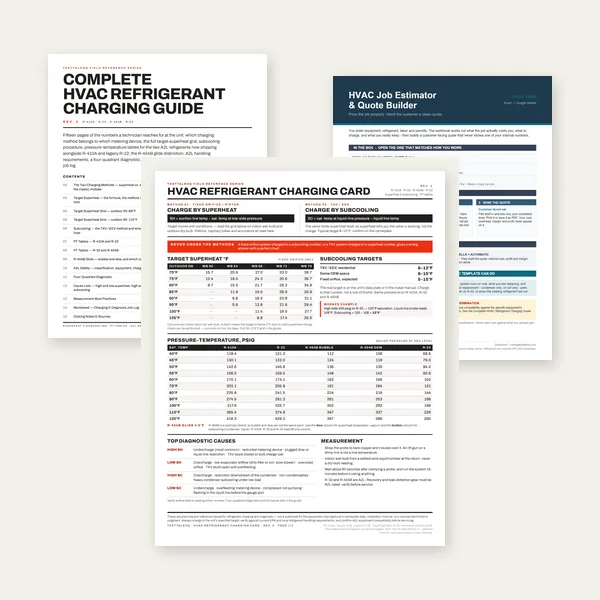
Card, 15-page guide and the estimator workbook. All six files.
Excel or Google Sheets. Best on a computer.
$34.99
$45.98 if bought separately — save $10.99
BuyCheckout opens in a new tab.
Five picks from the TestTalkHQ affiliate catalog — cut corrected blanks once you lock BA or BD for the job
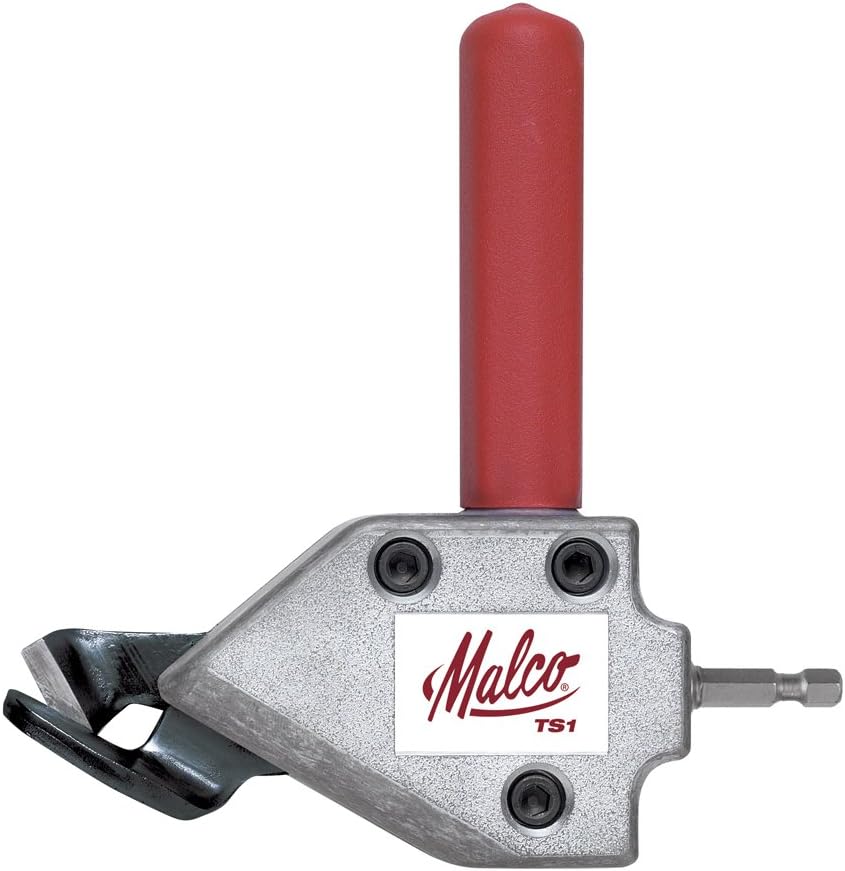
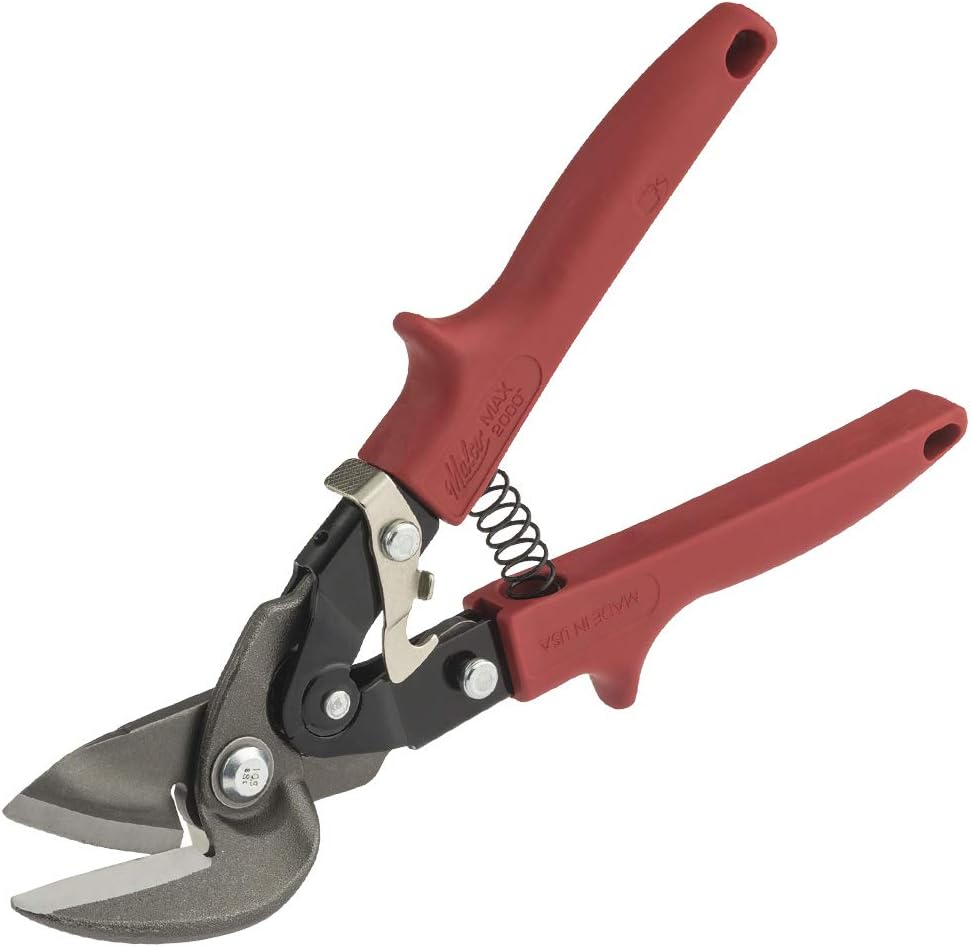
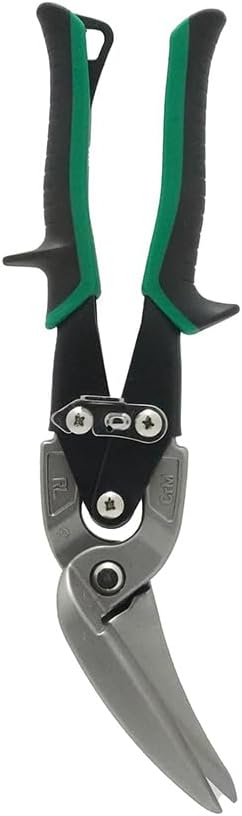
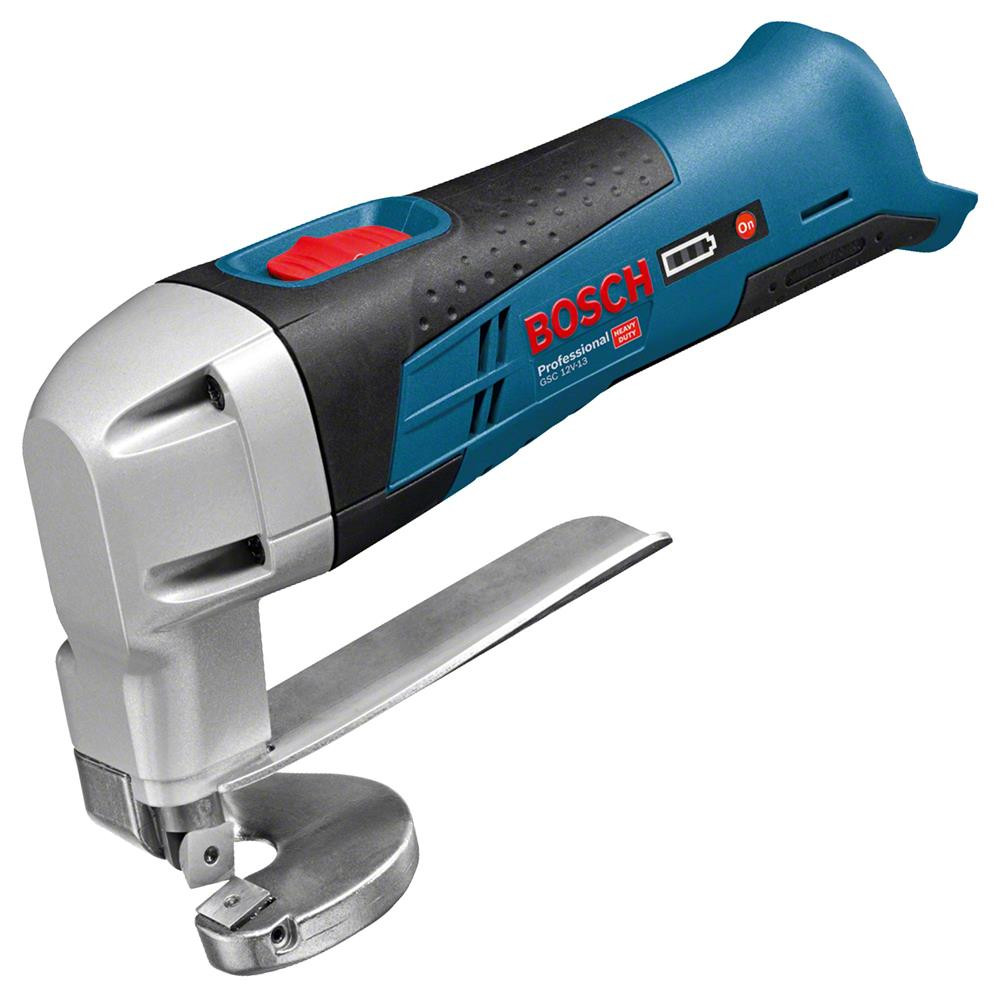
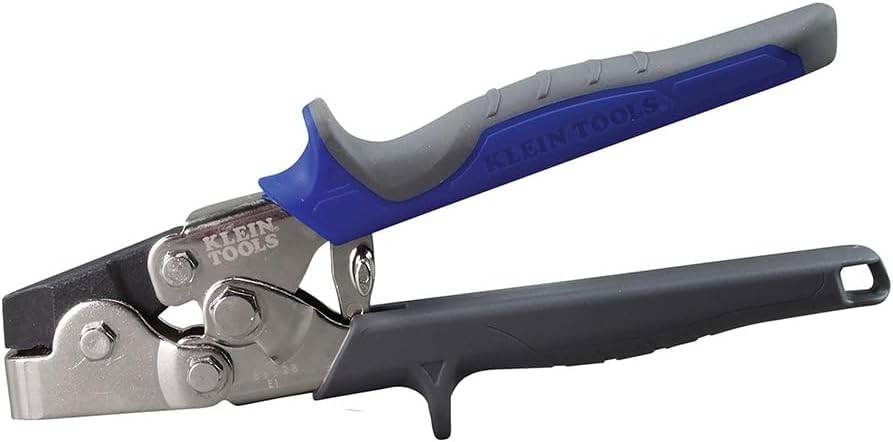
As an Amazon Associate, TestTalkHQ earns from qualifying purchases. Catalog gap: no seaming pliers, dedicated sheet metal brake, or radius-gauge SKU in the affiliate CSV — those would pair tightly with bend diagnosis.
| Job signal | Lean toward | Why |
|---|---|---|
| CAD unfold / nesting from flat | Bend allowance | Matches developed-length workflow |
| Print shows outside flange lengths | Bend deduction | Blank = Leg1 + Leg2 − BD |
| Shop chart book lists BD by gauge | Bend deduction | Matches existing tables |
| Teaching / checking bend-zone stretch | Bend allowance | BA is the arc length itself |
| Traveler already mixes both | Stop — pick one | Mixing is the defect |
Not when applied consistently to the same geometry and K. Different blanks mean mixed methods or mixed inside/outside datums.
Bend deduction is usually the natural fit: sum outside flanges, subtract BD.
Unfold is BA-based under the hood. The software may still report BD for drawings — don’t paste that BD into a hand BA sum.
The guide teaches the BA formula and default K values. This page is the workflow decision and the mixing mistakes that scrap parts.
Sheet Metal Bending Troubleshooting — K, springback, radius, and flange setback diagnosis.