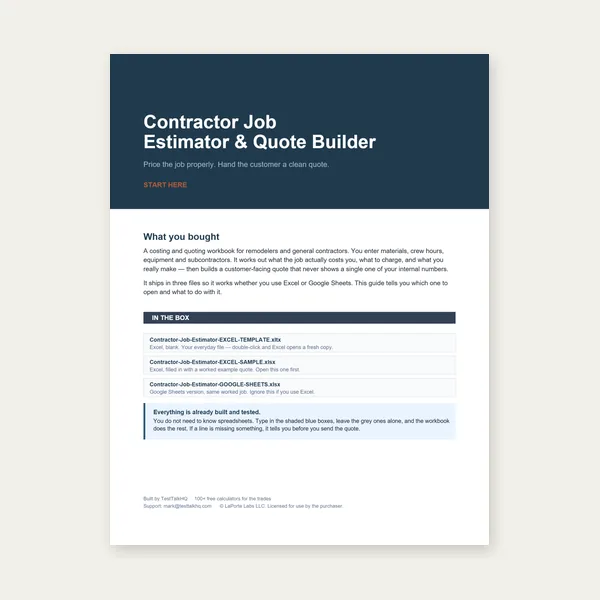
Contractor Job Estimator
Price remodels and GC work, then send a quote with no internal numbers.
Excel or Google Sheets. Best on a computer.
$29.00
BuyClearance, cost, and inspection tradeoffs for shop and light construction heights — when a 6-ft shock lanyard is enough and when an SRL is the only honest pass
Run both presets in the fall clearance calculator. Method: guide. Field failures: troubleshooting. Related: PPE by process, shop safety hub, noise exposure.
Compare both stacks on your measured clearance. Toggle the lanyard vs SRL preset, then override with your label values.
Open Fall Clearance Calculator →A typical 6-ft shock-absorbing lanyard is the gang-box default: fixed length, tear-pack energy absorber, snap hooks to dorsal D-ring and anchorage. Planning stack often lands near 12.5 ft (6 + 3.5 + 1 + 2) before you even talk swing fall.
Wins: Low purchase cost, simple inspection story, familiar to most crews, fine when available clearance is generous and the anchor can be kept high enough to limit free fall.
Costs: Large free-fall potential when anchors are low; large deceleration distance; easy to misuse on mezzanines and equipment pits. Habit bias (“we always use the orange lanyard”) is how shops collect near-misses.
Personal SRLs keep line taut and typically limit free fall and stopping distance versus a 6-ft shock lanyard — planning presets in the calculator use ~2 ft free fall and ~2 ft deceleration, for a stack near 7 ft plus harness and margin. Real devices vary; some require overhead anchorage and have strict maximum free-fall limits.
Wins: Often the only way to pass clearance on shop mezzanines, truck beds, and equipment platforms. Less slack in normal work. Clearance charts from manufacturers can be more precise than a generic lanyard stack.
Costs: Higher unit cost, more moving parts to inspect, housing damage from drops/welding spatter, and misuse when clipped below the D-ring against the IFU.
Price remodels and GC work, then send a quote with no internal numbers.
Excel or Google Sheets. Best on a computer.
$29.00
BuyCheckout opens in a new tab.
Harness, connector, and anchor picks for clearance-limited fab shops and rooftop work. Affiliate links from the live TestTalkHQ Geniuslink set only.
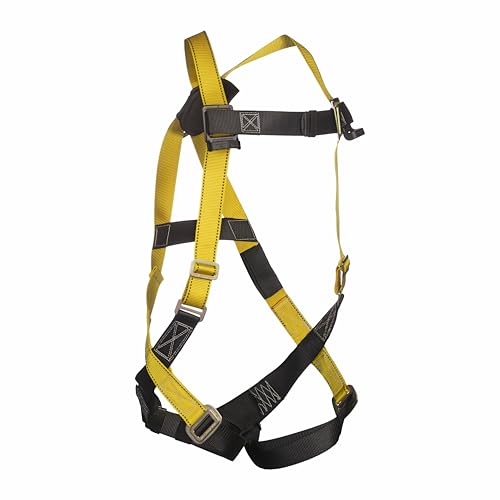
Full-body harness for construction and shop fall arrest — D-ring geometry you still add as stretch/shift in the clearance stack.
View on Amazon →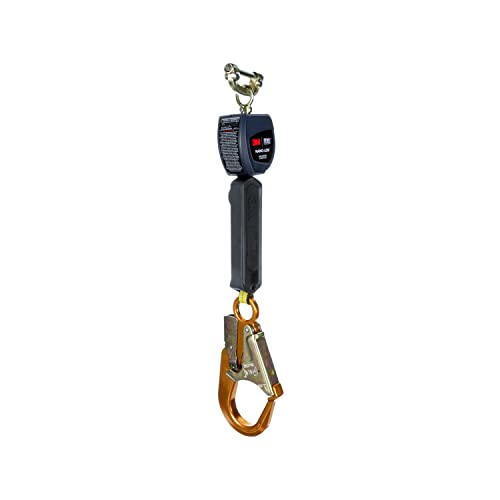
Personal SRL that keeps free fall short when the anchor and working surface allow it — use manufacturer deceleration and free-fall numbers in the calculator.
View on Amazon →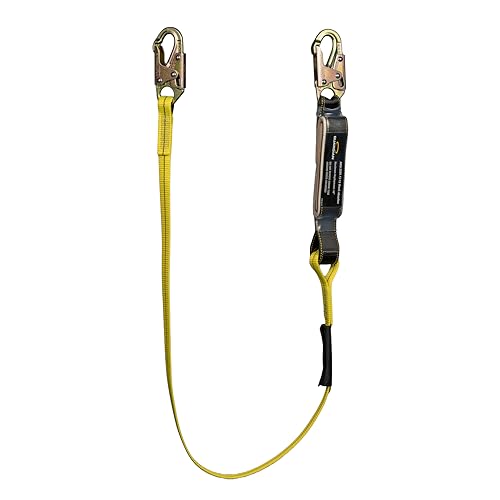
Classic 6-ft shock lanyard preset in the widget (free fall ~6 ft, pack deployment ~3.5 ft). Confirm your model’s label before you trust the stack.
View on Amazon →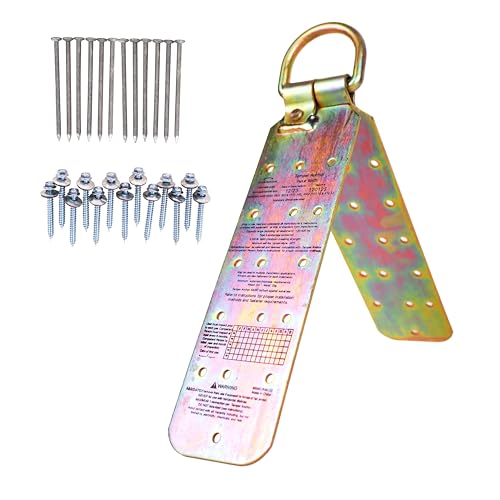
Reusable roof anchor for temporary fall-arrest tie-off. Anchor height and location drive free-fall distance — measure before you clip.
View on Amazon →As an Amazon Associate, TestTalkHQ earns from qualifying purchases. Product links are from the live TestTalkHQ affiliate CSV / Geniuslink set only.
| Question | 6-ft shock-absorbing lanyard | Personal SRL |
|---|---|---|
| Typical planning free fall | ~6 ft (can be more with low anchors) | ~2 ft when used as listed (verify IFU) |
| Typical planning deceleration | ~3.5 ft shock pack | ~2 ft braking (model-specific) |
| Rough stack with 1 ft stretch + 2 ft SF | ~12.5 ft | ~7 ft |
| Best shop fit | Tall bays, clear floors, high anchors | Mezzanines, pits, low roofs, tight bays |
| Purchase cost | Lower | Higher |
| Inspection complexity | Webbing, stitches, pack, hooks | All of that plus housing, drum, brake function |
| Common failure mode | Used where clearance < ~12–13 ft | Used below D-ring / against IFU; neglected inspection |
| On TestTalkHQ calculator | Preset “6-ft shock lanyard” | Preset “Self-retracting lifeline (SRL)” |
Also keep the rest of the shop hazard packet nearby: hearing dose via the noise exposure calculator, electrical approach via arc flash, and process PPE via the PPE guide.
Shock lanyards fail inspection on cut webbing, deployed packs, damaged hooks, and missing labels. SRLs add housing cracks, failed retraction, brake issues, and impact indicators. After any fall event, remove the system from service per manufacturer rules — do not “reset” a tear pack or ignore an SRL impact flag.
Training under OSHA 1926.503 should cover both connector types used on site. System criteria remain under OSHA 1926.502; equipment design expectations track ANSI Z359.1 / Z359 family. Method detail without the product comparison: fall clearance guide. Misuse patterns: troubleshooting.
Decide with numbers, not habit. Toggle both presets against your measured clearance.
Fall Clearance Calculator →Not if misused below the D-ring, damaged, or selected against the IFU. Correct use usually reduces clearance demand versus a 6-ft shock lanyard.
Yes — assign by task clearance. Document which connector each elevated task requires.
They change reach and 100% tie-off practice; free-fall and deceleration still come from the legs and packs you use. Read the twin-leg IFU.