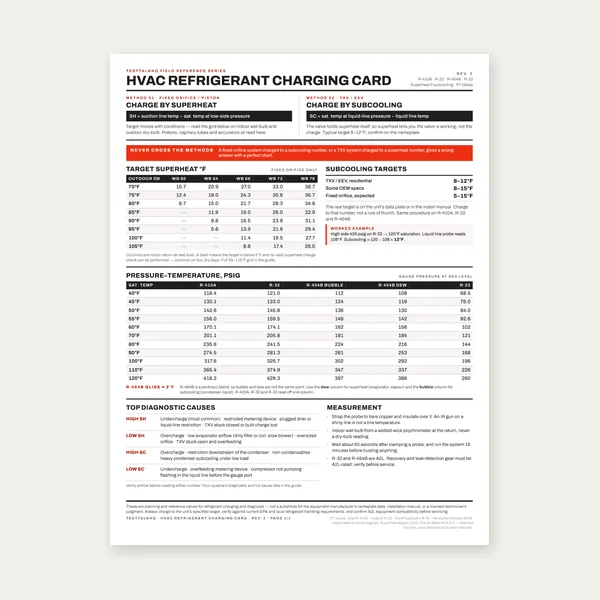
HVAC Refrigerant Charging Card
$3.99
BuyWhich to use — BTU/sqft for a quick estimate, or ACCA Manual J when the purchase, the code, or the house will not tolerate a wide range
This is the heating-side mirror of rule of thumb vs Manual J cooling load. The furnace sizing calculator is the BTU/sqft tool. Manual J is the room-by-room heat-loss calculation. They are not interchangeable.
Formula walkthrough: furnace sizing guide. Wrong-size symptoms: troubleshooting. Cooling estimate: BTU / tonnage cooling load calculator.
Need the quick heating estimate anyway? Use it to budget and to sanity-check a quote — then decide whether Manual J is the next paid step.
Open Calculator →Climate-zone heating factors (30–60 BTU/sqft depending on zone) exist because contractors needed a napkin estimate long before software load calcs were cheap. The furnace sizing calculator keeps that method: square footage × zone factor, insulation ±10%, ceiling adder above 8 ft, then input = output ÷ AFUE, rounded up to a standard cabinet.
Use that number for:
It is the same role sq-ft-per-ton plays on the cooling side. Full cooling contrast: rule of thumb vs Manual J cooling load.
Manual J (ACCA) is a room-by-room heat-loss (and heat-gain) takeoff: construction, insulation, windows, orientation, infiltration, design temperatures, and internal gains. Heat loss is the heating chapter. Heat gain is the cooling chapter. One calc, both loads. That is why this page and the cooling comparison should be read as a pair.
Pay for Manual J when:
Manual S then picks equipment from that load. Manual D sizes ducts. Square footage skips all three.
$3.99
Buy
$12.99
Buy
$29.00
Buy
$39.00
BuyCheckout opens here — you stay on this page.
A BTU estimate is only a starting point. Confirm runtime, air-side split, and static before you chase the wrong size. Products below are from the live TestTalkHQ affiliate CSV. Furnace filters and duct sealant were not in the CSV.

Cycle history and remote sensors show short-cycling versus a furnace that never reaches set point.
View on Amazon →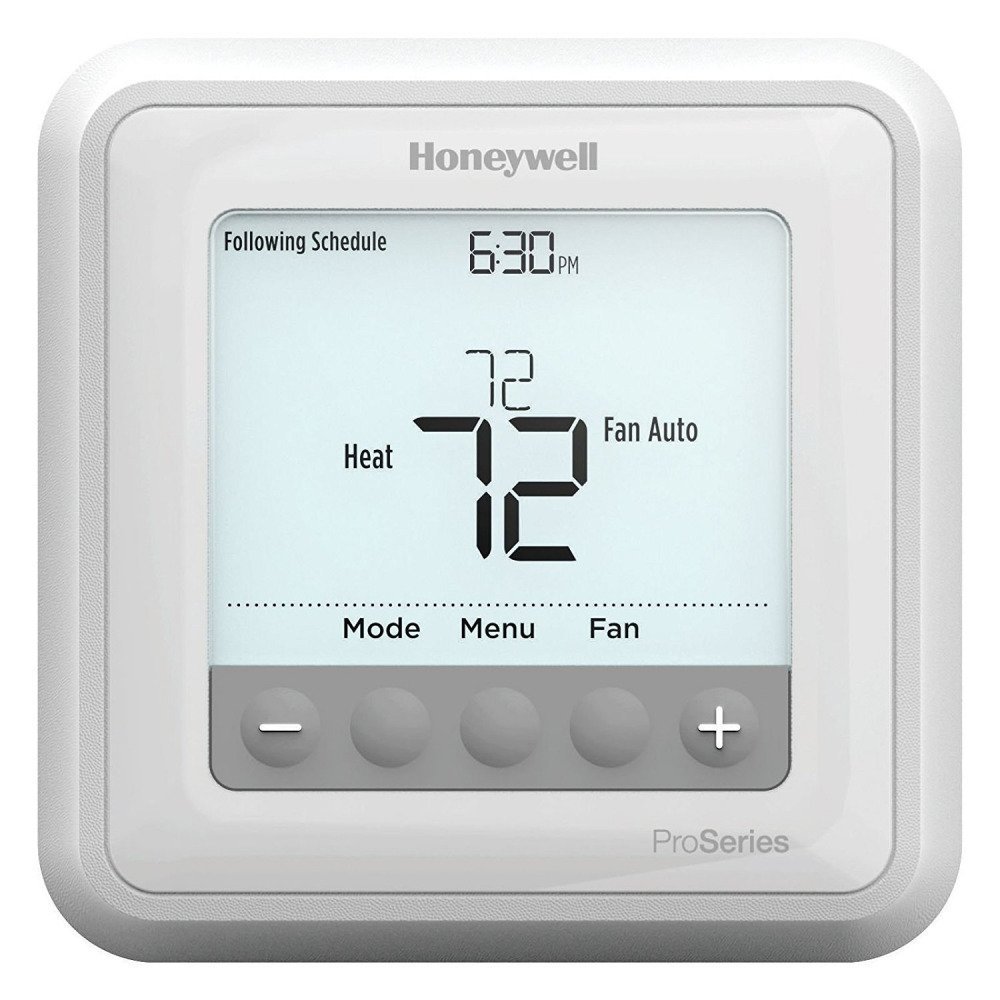
A stable setpoint and cycle count beat guessing whether the cabinet is too big or too small.
View on Amazon →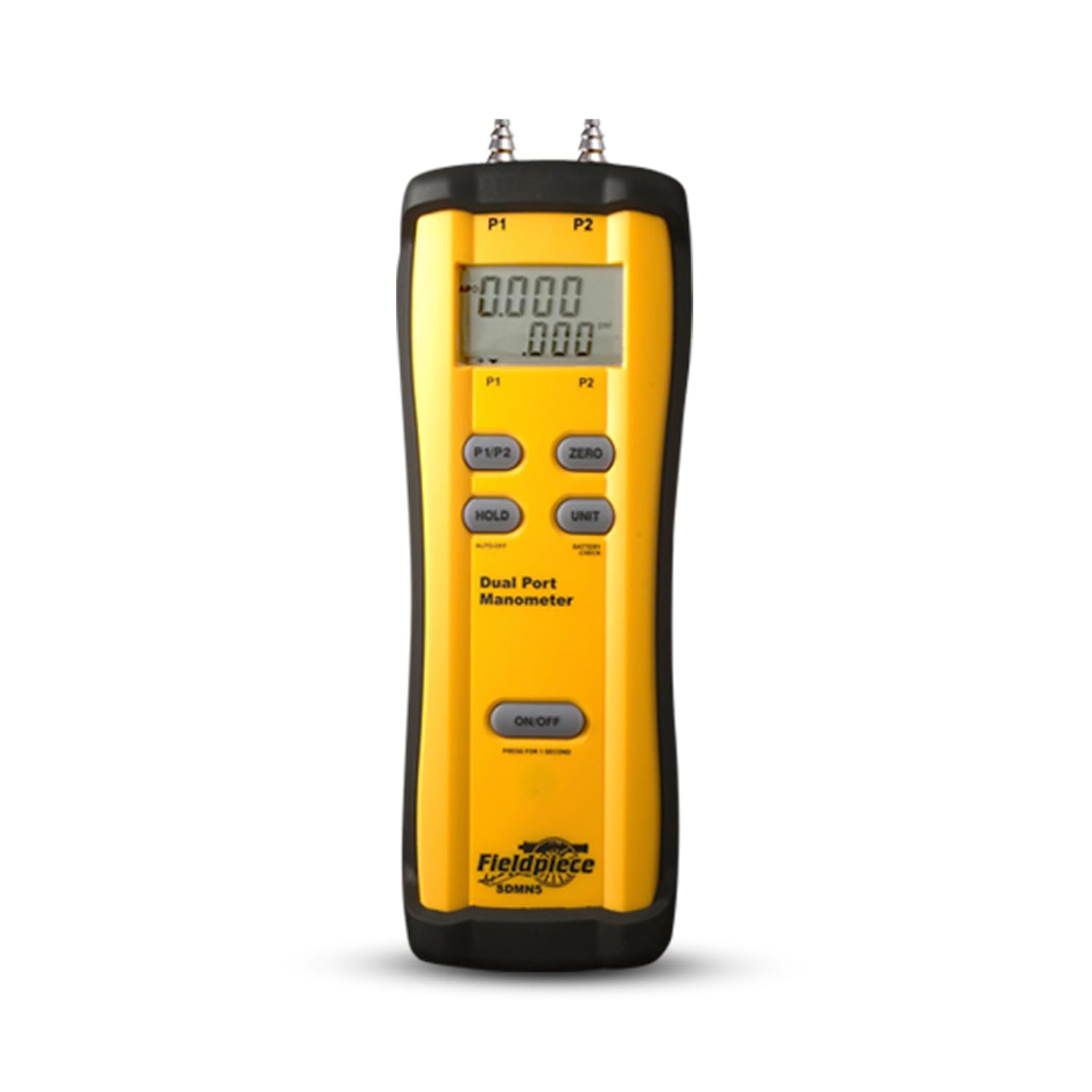
High TESP starves airflow and looks like an undersized heat exchanger. Measure before you upsize.
View on Amazon →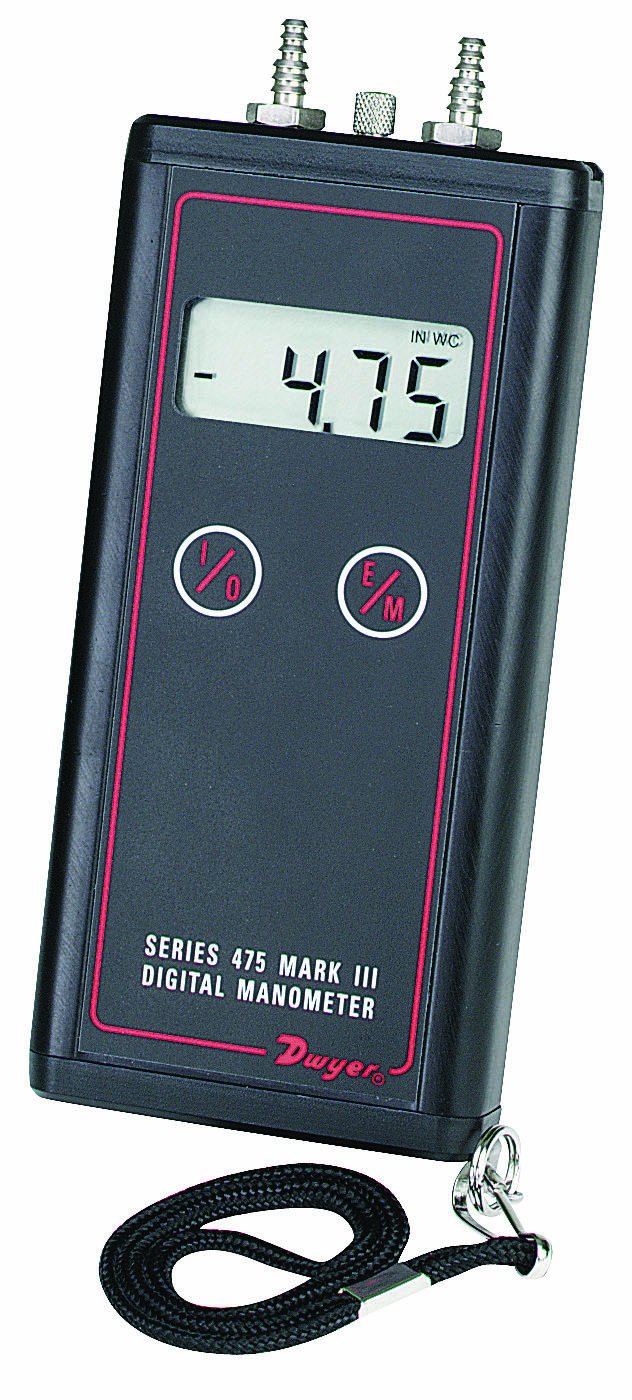
Handheld differential pressure for filter drop, coil drop, and total external static versus the blower nameplate.
View on Amazon →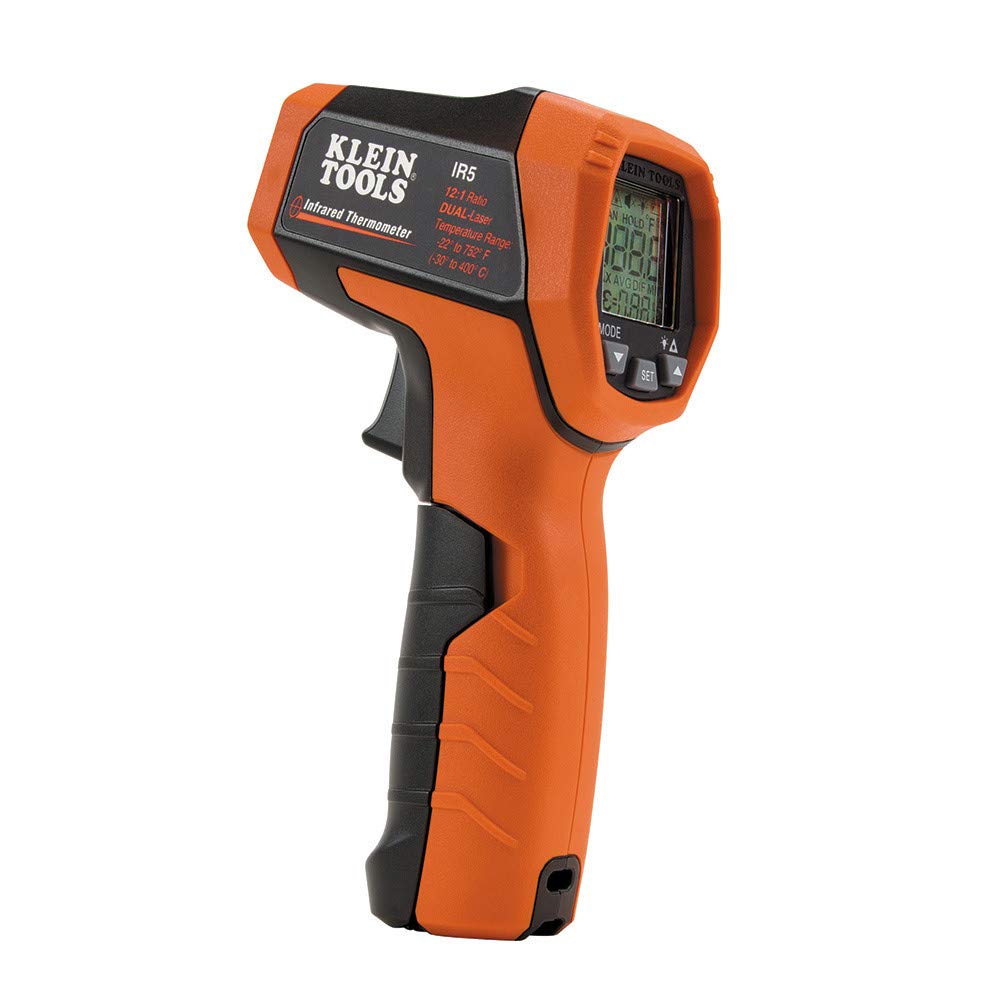
Non-contact supply and return temps for a heating-mode delta-T check after the furnace runs.
View on Amazon →As an Amazon Associate, TestTalkHQ earns from qualifying purchases. Product links are from the live TestTalkHQ affiliate CSV only.
Zone 5 is 50–60 BTU/sqft. On a 2,000 sq ft house that is already a 20,000 BTU spread before insulation and ceiling knobs. Poor vs well-insulated adds another ±10%. A leaky farmhouse with 9 ft ceilings and mixed storm windows is not “average insulation, 8 ft ceilings.” The ROT range becomes a guess that spans an entire cabinet size.
That is the house where BTU/sqft is too wide to trust on its own. Manual J (or a competent contractor’s equivalent heat-loss) is the tool. The calculator still helps you see how sensitive the answer is: toggle poor vs well-insulated and watch a 80k recommendation jump to 100k. That sensitivity is the warning.
| BTU/sqft rule of thumb | ACCA Manual J heat loss | |
|---|---|---|
| Inputs | Sq ft, zone, coarse insulation, ceiling, AFUE | Rooms, assemblies, glass, infiltration, design temps |
| Output | A range plus a midpoint, then a catalog input | Block load and room loads in BTU/hr |
| Good for | Estimate, budget, quote check | Purchase, permit, rebate, odd envelopes |
| Not good for | Final buy on a weird house | A 30-second napkin number |
Run both sides of the year: heating with this tool, cooling with the cooling-load calculator. A house can need a modest furnace and a larger AC, or the reverse. Matching the old nameplates “because it worked” is how you inherit yesterday’s oversize.
For a ballpark, yes. For a purchase the code or the warranty cares about, no. Same answer as the cooling comparison.
Manual J, if it was done honestly. ROT exists because Manual J takes time. When they disagree, believe the takeoff — then check that the takeoff used real R-values and the right design temperature.
You still need a heat-loss number. The equipment that meets it may be a heat pump, a furnace, or both. The calculator sizes a furnace input. It does not pick a heat-pump balance point.