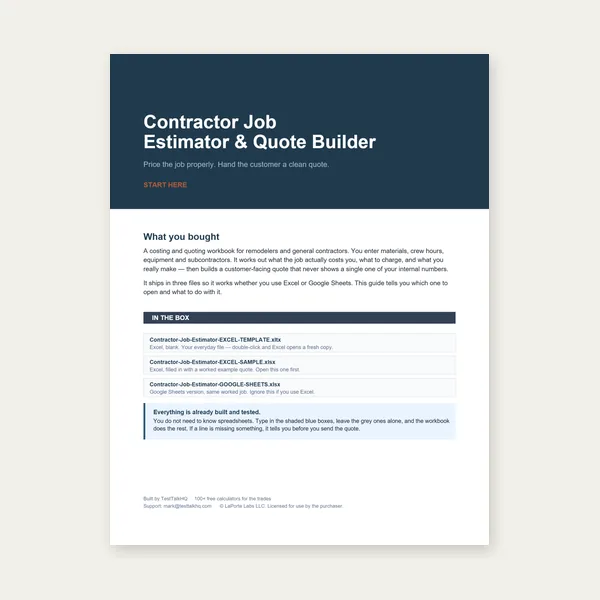
Contractor Job Estimator
Price remodels and GC work, then send a quote with no internal numbers.
Excel or Google Sheets. Best on a computer.
$29.00
BuySame rise/run math — different board, different look, different failure mode
Open stringers are notched triangles. Housed stringers keep a full side face and dado the treads. Basic cut is the utility version of open. The calculator sizes all three the same way; this page is which to pick.
Size the flight with the Stair Stringer Calculator. Cut discipline: layout guide.
Same rise/run math, different boardPick the type, then size the flight with the calculator.
Open Calculator →An open stringer is a 2x12 (sometimes 2x10) with triangular notches. Treads sit on the level cuts; risers bear on the plumb cuts. You see the notches from the side unless a skirt covers them. This is the production stair in most US houses: fast to lay out with a framing square and stair gauges, easy to clone from a pattern, and easy to inspect.
Use open when you want speed, a hidden or skirted side, a center carriage plus two outers, or a crew that already walks a square. Exterior deck stairs are almost always open (often 2x12 with treated stock and a wider remaining throat).
Do not use open when the remaining throat drops under about 3.5", when the side of the stair is a showpiece (the triangles read as unfinished), or when you need the treads housed for a furniture-grade quiet flight. A steep well that already flags FAIL on run will not be saved by switching to open — the math is the same.
Risk: overcutting the crotch and splitting the throat. The layout guide is written around this type because that is the cut people get wrong.
A housed (closed) stringer keeps a full-height outer board. Treads and risers are housed into dados — typically 3/8" to 1/2" deep — and wedged or glued. From the side you see a smooth stringer, not triangles. This is the stair you want in an open foyer where both faces show, and the stair that stays quieter if the dados are tight.
Use housed when the stringer is visible, when you want furniture-grade stiffness, when treads are hardwood that should not show brackets, or when you are matching an existing housed flight in a remodel.
Do not use housed when the crew has never cut dados on a pitch, when you are building deck stairs in the rain, or when you need to sister and recut in place next week. Housed is slower. A sloppy dado squeaks forever. Router jigs and a pitch board pay for themselves on the second flight, not the first practice board.
The rise/run math does not change. You still need legal unit rise and unit run. The calculator's throat readout becomes “N/A (housed)” because you are not notching triangles; you still should not hog the dado past about half the board thickness.
Basic cut is the same triangular pitch-board layout as open, without housed grooves and without extra finish tricks (no routed nosing rebate, no false stringer). It is the “cut the notches and bolt it to the deck” option: garage stairs, basement utility flights, temporary access, some exterior carriages that will get a skirt later.
Pick basic in the calculator when you want the open-stringer throat warning but you are not building a housed show stair. Pick open when those notches are the finished structural look (or will get a skirt). The numbers on the page will match; the note on remaining throat is what you came for.
| Situation | Prefer | Why |
|---|---|---|
| Interior flight, skirts both sides | Open | Fast pattern, throat hidden, easy to inspect |
| Open foyer, stringer visible | Housed | Clean side face, quieter if dados are tight |
| Deck / exterior | Open or basic | Treated 2x12, no dados holding water |
| Center carriage on a 36"+ stair | Open / basic | Third triangle under the treads; housed walls can still be the outers |
| Remodel matching old housed stairs | Housed | A cut stringer against a housed wall looks like a mistake |
| Utility basement, cover later | Basic cut | Same math, less finish work |
| Throat under 3.5" on a 2x12 | Housed or flatten pitch | Do not notch what you cannot leave |
You can mix: housed wall stringers and a cut center carriage is a common quality interior. Do not mix unit rise from one type with a different run on the other — one story pole, one calculator result, every board.
Type picked? Size the flight.Same total rise and run for open, housed, or basic.
Open Stair Stringer Calculator →Often yes, because you are not taking a 6" triangular bite out of the board. You still need width for a 3/8"–1/2" dado plus a solid back. Do not drop to 2x8 on a long interior flight just because it is housed.
No. Those are engineered systems. This page is wood open vs wood housed vs basic cut. Steel headers under a landing are a different calculator.
Not really. You would be covering notches, not housing treads. Add a false stringer / skirt if you want a closed look over an existing cut carriage.
IRC cares about rise, run, nosing, variation, guards, and headroom — not whether the stringer is notched or housed. Structural remaining section is on you and the engineer if the stair is unusual.
Price remodels and GC work, then send a quote with no internal numbers.
Excel or Google Sheets. Best on a computer.
$29.00
BuyCheckout opens in a new tab.
A framing square and stair gauges do the layout. The saw only follows the line. Pair this calculator with a square you trust and a story pole before you notch a 2x12.
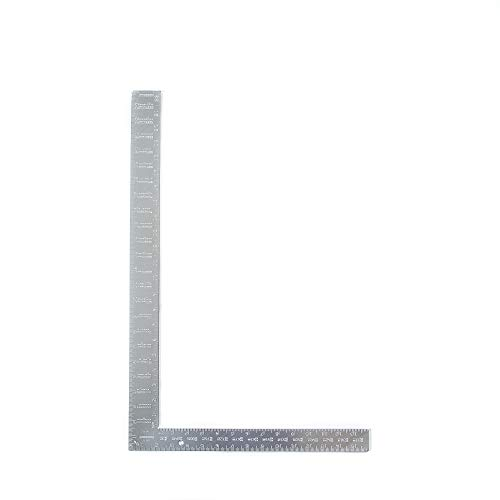
Fast 90 and 45 checks on the first and last plumb cuts. Not a substitute for a rafter square on the full rise/run walk, but it squares the drop and the landing cut.
View on Amazon →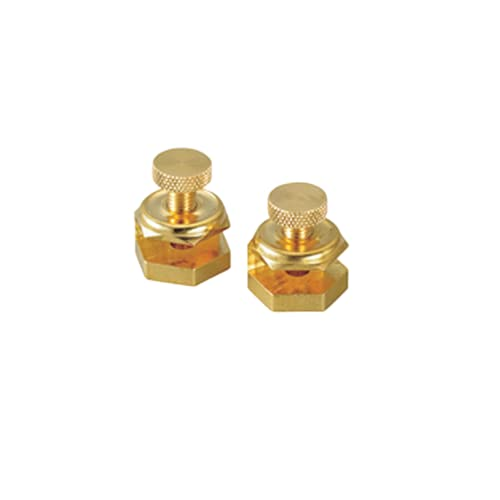
Clamp these on the body and tongue of a framing square at unit rise and unit run. Walk the square down the 2x12 without losing the numbers.
View on Amazon →
The layout tool this calculator is written for. Unit rise on the tongue, unit run on the body, then step it down the stringer. Aluminum stays readable in shop light.
View on Amazon →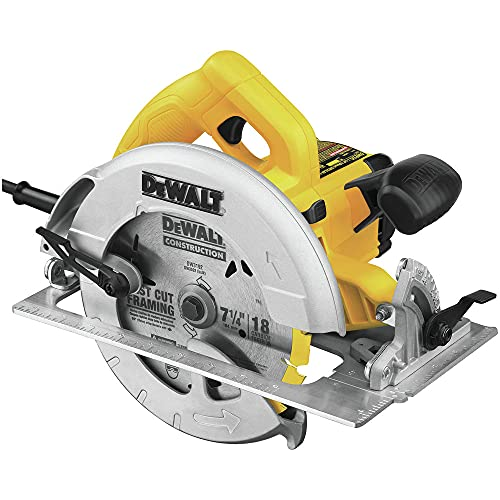
Cut to the line, not through the crotch. Stop the circular saw short of the inside corner and finish with a handsaw so you do not weaken the remaining throat.
View on Amazon →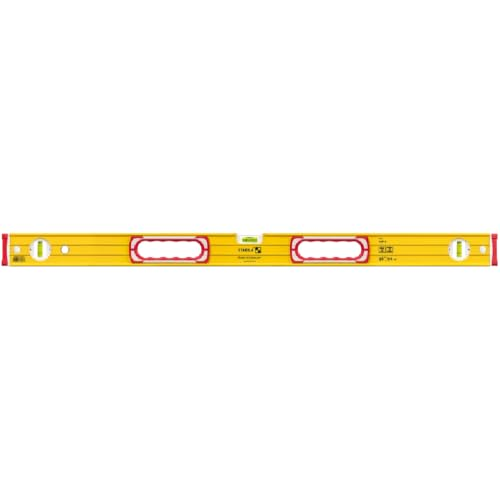
Check the first riser plumb and the first tread level before you commit the rest of the flight. A long level also proves the landing and the stringer seats.
View on Amazon →
Story pole, square walk, and the overcut rule. Use the calculator for numbers, then this guide before the first kerf.
Read the Layout Guide →As an Amazon Associate, TestTalkHQ earns from qualifying purchases.