Bigger Tank vs More CFM — Which Do You Need?
A real decision fork: when receiver volume is the bottleneck for intermittent high-draw tools, versus when pump CFM is the bottleneck for continuous-draw tools — and why buying the wrong upgrade wastes money
Sizing guides explain how to calculate gallons and SCFM. This page answers the fork those guides only skim: upgrade the tank, or upgrade the pump? Use the Tank Size Calculator and CFM Calculator for numbers, the Buying Guide for model classes, and Air Compressor Troubleshooting when leaks or plumbing fake a capacity problem.
Tank vs CFM — 30-Second Decision
| Your pattern | Bottleneck | Upgrade that actually helps | Upgrade that mostly wastes money |
|---|---|---|---|
| Framing nailer, brad nailer, impact in short pulls, blow gun | Tank buffer | More gallons (or higher usable PSI band) | Huge two-stage pump you never load continuously |
| DA sander, HVLP sprayer, die grinder held on, plasma air on long cuts | Pump CFM | Higher SCFM @ 90 PSI (often larger HP / two-stage) | Huge tank on a weak pump |
| Mixed shop — nailers most days, sander occasionally | Usually CFM for the worst continuous tool | Size pump for the sander/sprayer; tank for comfort | Sizing only for the nailer then wondering why sanding dies |
| Tools bog even with a full tank and short fat hose | CFM (or restriction) | More delivery + fix hose/couplers | Another 20 gallons of empty buffer |
| Pump rarely runs except after long nail bursts; no continuous tools | Tank | Larger receiver | Paying for industrial CFM you never use |
When Tank Size Is the Actual Bottleneck
Pattern: High instantaneous draw, short duration. The tool gulps air faster than the pump for a fraction of a second, then waits. A small tank hits cut-in after a few bursts; a larger tank lets you fire longer between motor cycles.
What “good” looks like after a tank upgrade: Same pump CFM, but fewer motor starts during a nailing sequence. Pressure at the tool stays in the usable band for the whole burst string. The pump still cannot run a continuous sander — and you did not need it to.
Confirm it is really a tank problem:
- Leak test passes with outlet capped.
- Hose/coupler drop is modest on a short test whip.
- Your highest continuous tool CFM is well below pump SCFM @ 90 PSI.
- Pain is “I run out of shots / bursts,” not “the tool dies 30 seconds into sanding.”
Size the receiver with the tank size calculator, and sanity-check minutes with the runtime calculator.
When CFM / Motor Output Is the Bottleneck
Pattern: Continuous or near-continuous draw. The tool’s average CFM meets or exceeds pump delivery. The tank empties on a timer; after that, pressure sags no matter how many gallons you bolted on.
What “good” looks like after a CFM upgrade: Tool inlet pressure stays stable during a full panel sand or spray pass. Motor duty is high but sustainable. You may still want a decent tank for motor life — but the pump rating is what made the tool usable.
Confirm it is really a CFM problem:
- Even on a short large-ID hose, pressure falls while the tool stays on.
- Adding tank volume only delays the sag by seconds or a minute.
- Nameplate SCFM @ 90 PSI (honest number) is below tool CFM × 1.25 buffer.
- Two tools together are worse than either alone — classic undersized delivery.
Total demand in the CFM calculator. If leaks or restrictions are in play, clear them first via troubleshooting so you do not buy horsepower to feed a 1/4" hose.
Real Tradeoffs — Do Not Buy Blind
Bigger tank = more buffer, not more CFM. Upsides: fewer cycles on intermittent tools, quieter shop cadence, more forgiveness for small leaks during a burst sequence. Downsides: longer fill time from empty, larger footprint, and zero help for continuous tools once the reserve is gone. A weak pump on an 80-gallon tank is still a weak pump.
More CFM = sustained output, higher cost to buy and run. Upsides: sanders, sprayers, plasma air, and multi-tool overlap become possible. Downsides: higher purchase price, higher kWh (see the cost calculator), more noise/heat, and often a move to 240 V or two-stage hardware you must place carefully.
Hybrid truth for growing shops: Size CFM for the hungriest continuous tool you actually run. Then pick tank volume for cycle comfort and shared bursts. Do not reverse that order.
Concrete Tool Examples
Tank-buffer-friendly (intermittent)
- Framing nailer / roofing nailer — high spike, short pulse. A 6–20 gallon portable often works if CFM can refill between sequences.
- Brad / finish nailer — even lighter average draw; tank comfort matters more than industrial SCFM.
- 1/2" impact in bolt-by-bolt work — bursts with pauses; tank helps; continuous spin-on-stall is a different (higher) demand.
- Blow gun / inflation — intermittent; leaks matter more than gallons.
CFM-hungry (continuous)
- HVLP paint sprayer — minutes of continuous flow; undersized CFM shows as fan collapse and orange peel, not “need more gallons.”
- DA / orbital sander — classic shop killer of pancake compressors; needs sustained SCFM.
- Die grinder held on a long bead of weld cleanup — average CFM approaches the rating; tank only delays the bog.
- Plasma cutter air on long plate cuts — continuous air while cutting; size delivery, then tank for motor life. See also the plasma CFM & tank guide.
If your week is 90% nailer and 10% sander, you still size the pump for the sander unless you accept “sanding days mean waiting.” That is a business choice, not a math error.
Pick a Path
- Fix leaks and hose restrictions (troubleshooting).
- List tools as intermittent vs continuous; run the CFM calculator.
- If continuous CFM fits the pump with margin, optimize tank/runtime.
- If continuous CFM does not fit, buy delivery first — then choose tank volume on the new pump package.
- Estimate operating cost before you oversize HP you will run all day.
Compressors & Air Gear for Either Path
Six Air Compressor vertical picks from the affiliate catalog — portables for tank-buffer work, higher-delivery shop units for CFM-hungry tools, plus hose and regulation
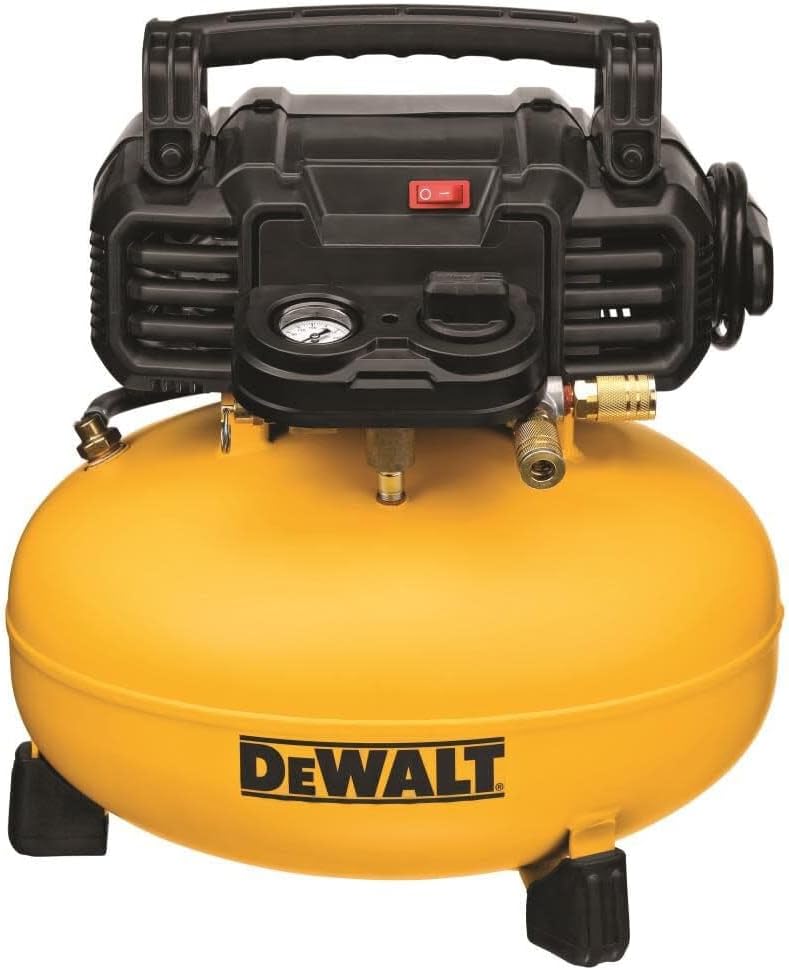
DEWALT 6-Gallon Pancake
- Tank-buffer friendly for nailers
- Portable jobsite package
- Not a DA-sander continuous solution
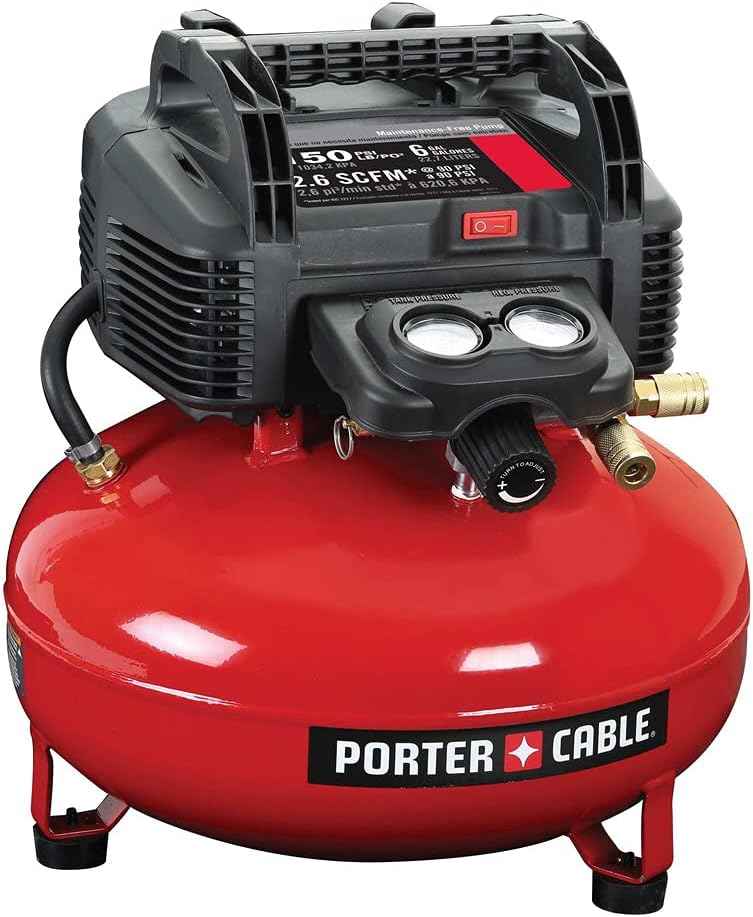
PORTER-CABLE 6-Gallon Pancake
- Burst-tool duty on a budget
- Oil-free low maintenance
- Pair with leak-free fittings
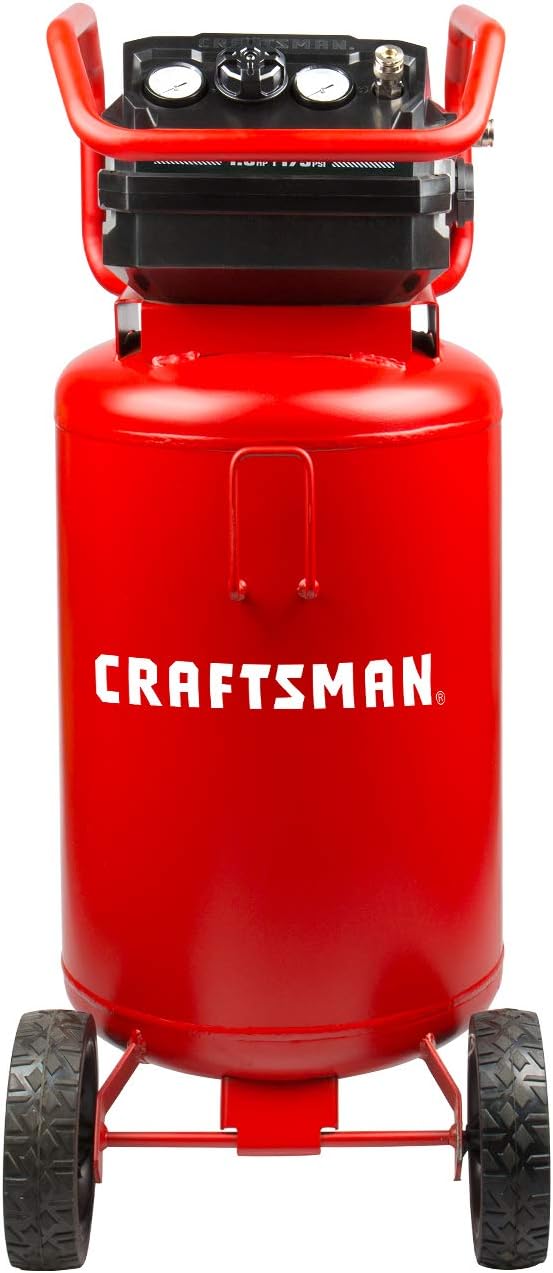
Craftsman 20-Gallon Oil-Free
- More receiver for mixed garage work
- Middle step before true shop CFM
- Still verify SCFM for sanders
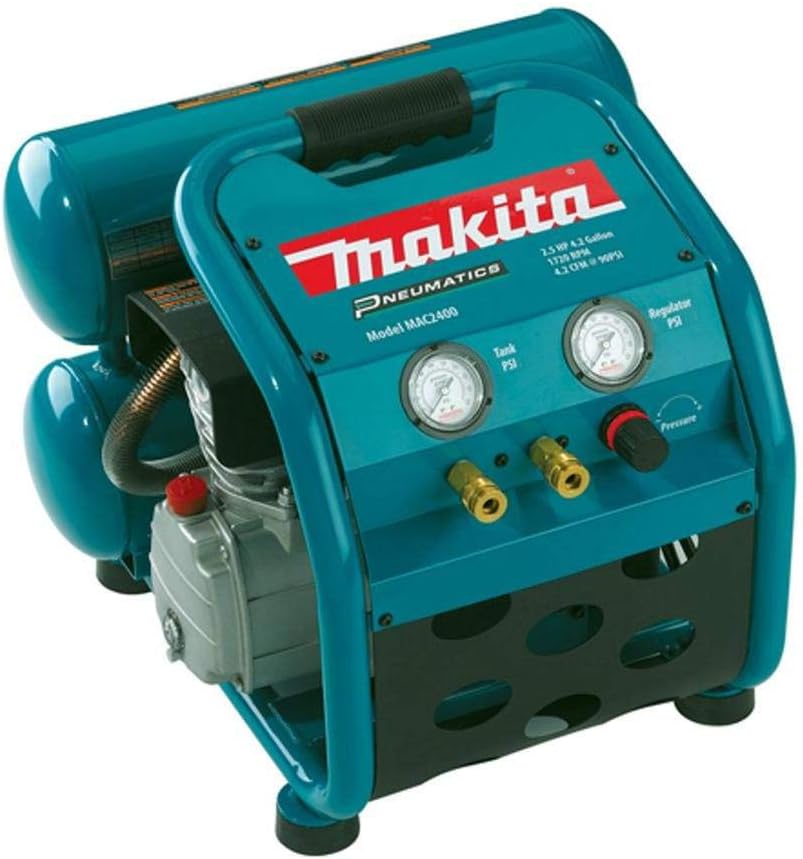
Makita MAC2400 Big Bore
- CFM-side upgrade for shop tools
- Cast iron pump for duty cycle
- When continuous draw is the pain
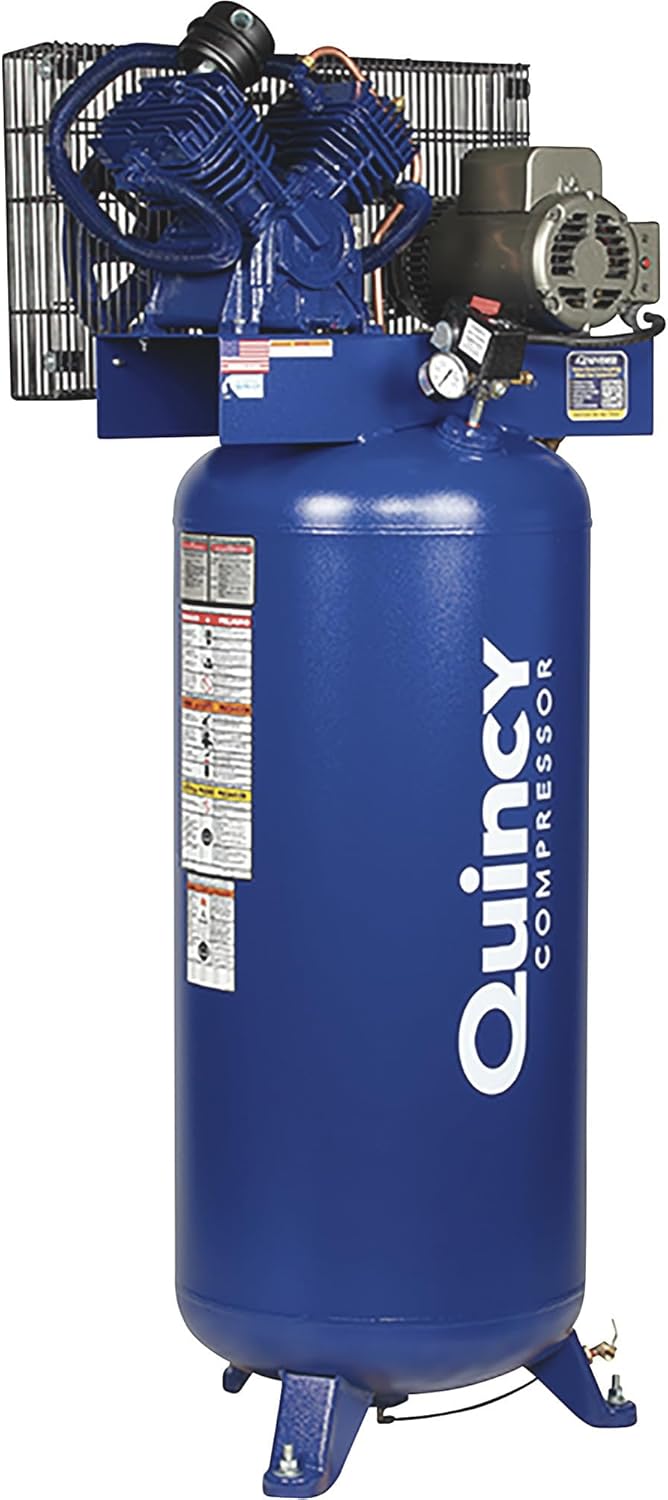
Quincy QT-54 5 HP 60-Gallon
- Delivery + tank for production
- Two-stage style shop workhorse
- When HVLP/sanding is weekly
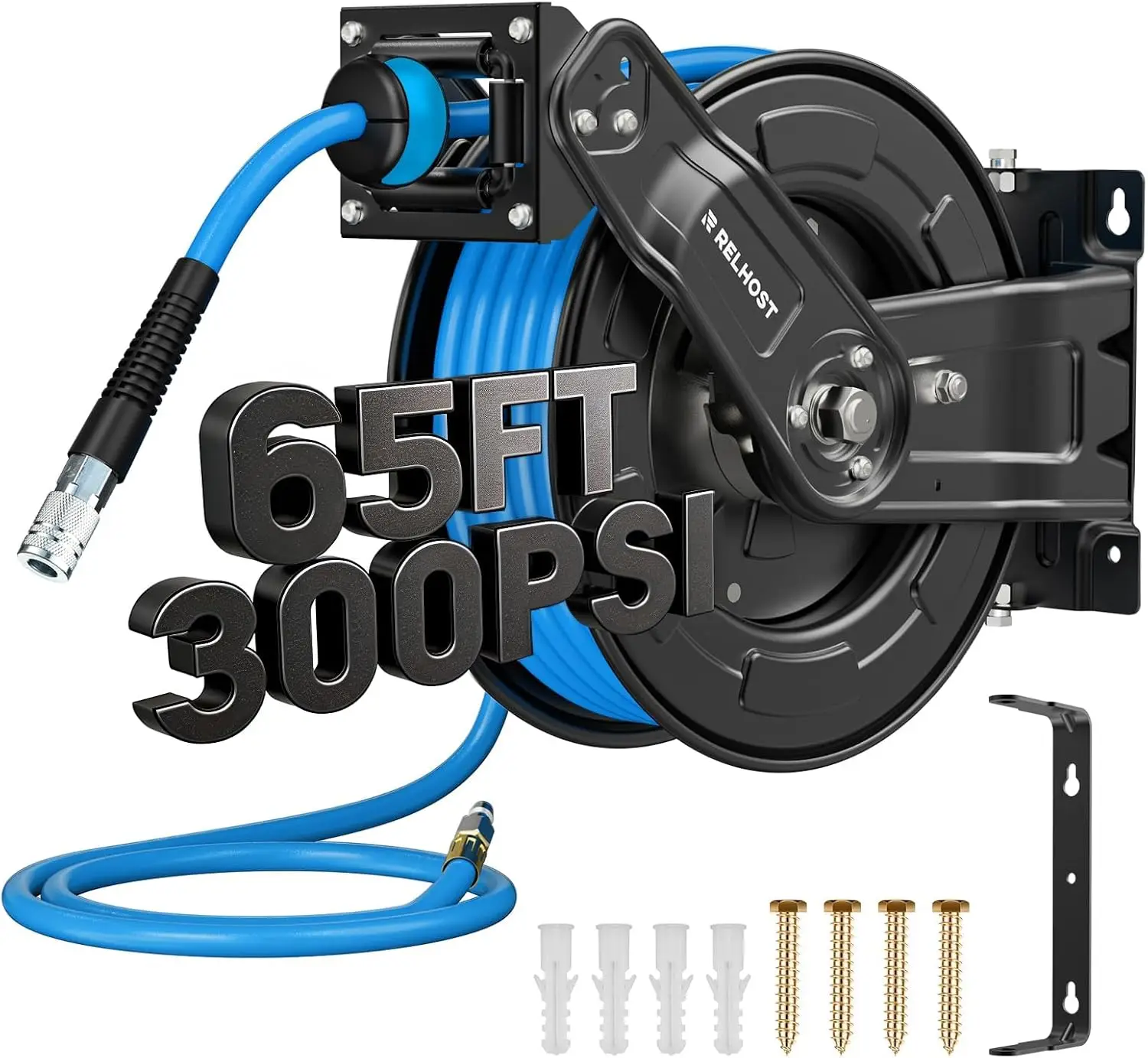
Relhost 65ft × 3/8in Reel
- Stop fake “need more CFM” from 1/4" hose
- 3/8" ID supports continuous tools
- Useful on either upgrade path
As an Amazon Associate, TestTalkHQ earns from qualifying purchases.
Bigger Tank vs More CFM FAQ
Will an 80-gallon tank let my pancake pump run an HVLP gun?
Not meaningfully. You will get a short buffer, then the same starvation. HVLP needs sustained CFM at the gun.
I only own a framing nailer — do I need more CFM?
Usually no. Prioritize a reliable portable with enough tank for your nailing rhythm, leak-free fittings, and correct hose. Buy CFM when continuous tools arrive.
Can I add a secondary tank instead of a new compressor?
Yes for intermittent buffer if the pump can refill between bursts and plumbing is correct. It will not create CFM for continuous sanding.
What if both feel wrong?
Rule out leaks, hose ID, and couplers first (troubleshooting). Many “capacity” complaints are plumbing.
Where do operating costs fit?
Higher CFM machines cost more to run when loaded. Model duty in the compressed air cost calculator before you oversize.