Fillet Weld Strength Troubleshooting
Defects that make real fillet capacity fall below the calculated value — undersized legs, profile issues, overlap, toe undercut, and incomplete fusion at the root
Same diagnostic angle as our MIG problems guide: spot it, name the cause, fix the technique. Pair with the Fillet Weld Strength Calculator for the number you were aiming at, and sizing technique so the next pass actually hits that leg.

Why Calculated Strength Is an Upper Bound
The calculator assumes the leg (and thus throat) you entered is fused metal along the effective length. Anything that shortens a leg, rolls unfused metal onto the toe, notches the plate, or leaves the root cold reduces actual capacity — sometimes far below P — without changing how “pretty” the face looks.
| Defect | What capacity loses | First check |
|---|---|---|
| Insufficient leg size | Throat < design a × 0.707 | Fillet gauge both legs |
| Excess convexity / deep concavity | Effective throat / stress rise | Profile vs equal-leg diagram |
| Overlap (cold lap) | Fusion area at toe | Pick probe under rolled edge |
| Toe undercut | Section + fatigue raiser | Travel, toe pause, amps |
| Incomplete fusion at root | Load path through throat | Angle into root, heat, cleanliness |
1. Insufficient Leg Size
How to spot it: Fillet gauge does not clear both adjacent faces at the specified size. One “tall” face and one short leg is still undersize for an equal-leg detail. Inspection fails AWS / print size even when the bead looks full in the middle.
What causes it: Travel too fast, voltage/WFS too low, wrong work angle favoring one plate, trying to stretch a single pass across a large required leg, or assuming reinforcement height equals leg length.
Fix the technique: Slow enough to build equal legs, point the arc so both faces wet evenly, use multi-pass when one pass cannot make the size, and gauge after cooling — do not accept “close enough.” Recheck capacity with the measured (smaller) leg in the calculator.
2. Convexity and Concavity Profile Issues
How to spot it: Excessively crowned face (high convexity) or a scooped face that pulls the throat short (excessive concavity). Either can fail profile acceptance and quietly change the effective throat assumed by the calculator’s equal-leg model.
What causes it / fixes: Excess heat and slow travel create piled crowns; cold / fast travel scoop the face. Tune heat and travel to a flat-to-slightly-convex equal-leg profile, and repair by grinding to sound contour then rewelding if the throat is short.
3. Overlap at the Toe
How to spot it: Weld metal rolled onto the base without fusion — a shelf or cold lap you can pick under. Cap cosmetics do not invent fusion under that shelf.
What causes it / fixes: Heat too low, dirty plate, wrong angle that “lays” metal instead of digging at the toe, or stacking cold to avoid burn-through. Raise heat into the procedure range, clean the joint, redirect the arc into the toe. For general visual ID and process-agnostic fixes, see Common Weld Defects: Porosity, Undercut & Overlap — this page stays focused on why overlap punches a hole in assumed fillet strength (lost fusion area at the toe that the calculator counted as sound).
4. Toe Undercut
How to spot it: A sharp notch melted into the plate at the weld toe. Inspectors fail undercut that exceeds code limits even when the throat looks full.
What causes it / fixes: Excess amps/volts, travel too fast to fill the melted toe, long arc, or weave that skips the toes. Drop heat into range, slow enough to wash and fill, pause briefly at each toe. General undercut spotting across fillet and groove work is covered in Common Weld Defects; on fillets, undercut is a capacity and fatigue problem because it notches the very plate the throat is trying to load.
5. Incomplete Fusion at the Root
How to spot it: Cold shelving at the root corner of the T or lap, dark lines on a ground section, or a lack of wetting into the joint root while the face looks fine. Cap width is irrelevant here.
What causes it: Work angle pointed at the face instead of the root, heat too low for thickness, mill scale/rust in the corner, fit-up gap that floats the puddle off the root, or weaving that never dwells in the root.
Fix the technique: Point the arc into the root corner, clean to bright metal, raise heat into the qualified range, and open/close fit-up so the puddle can wet both faces into the root. Grind out unfused root — do not bury it under a second pass.
Closing the Gap Between Calculated and Actual Strength
- Gauge both legs before blaming material or electrode class.
- Inspect toes and root first — face reinforcement cannot invent missing throat.
- Repair with grind-out to sound metal, then requalified passes.
- Recheck capacity in the calculator with the as-built legs so the file matches the metal.
Recommended Gear for Fillet Welds
Machines, consumables, and cleanup tools that support sized fillets with sound toes
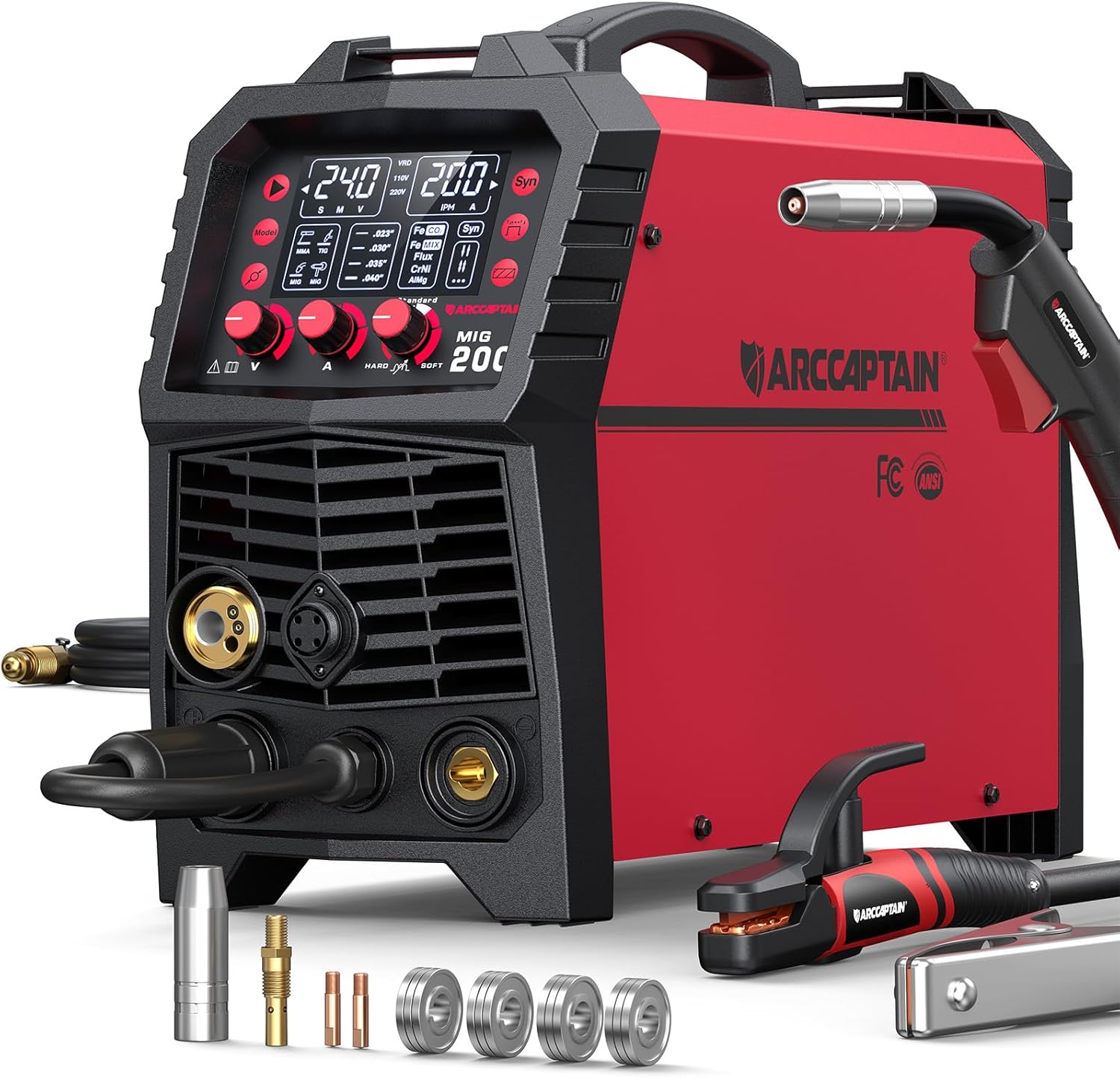
ARCCAPTAIN 6-in-1 Multi-Process
- MIG / flux-core / stick for shop fillets
- Stable digital meters for repeatable heat
- Dual voltage for shop or field
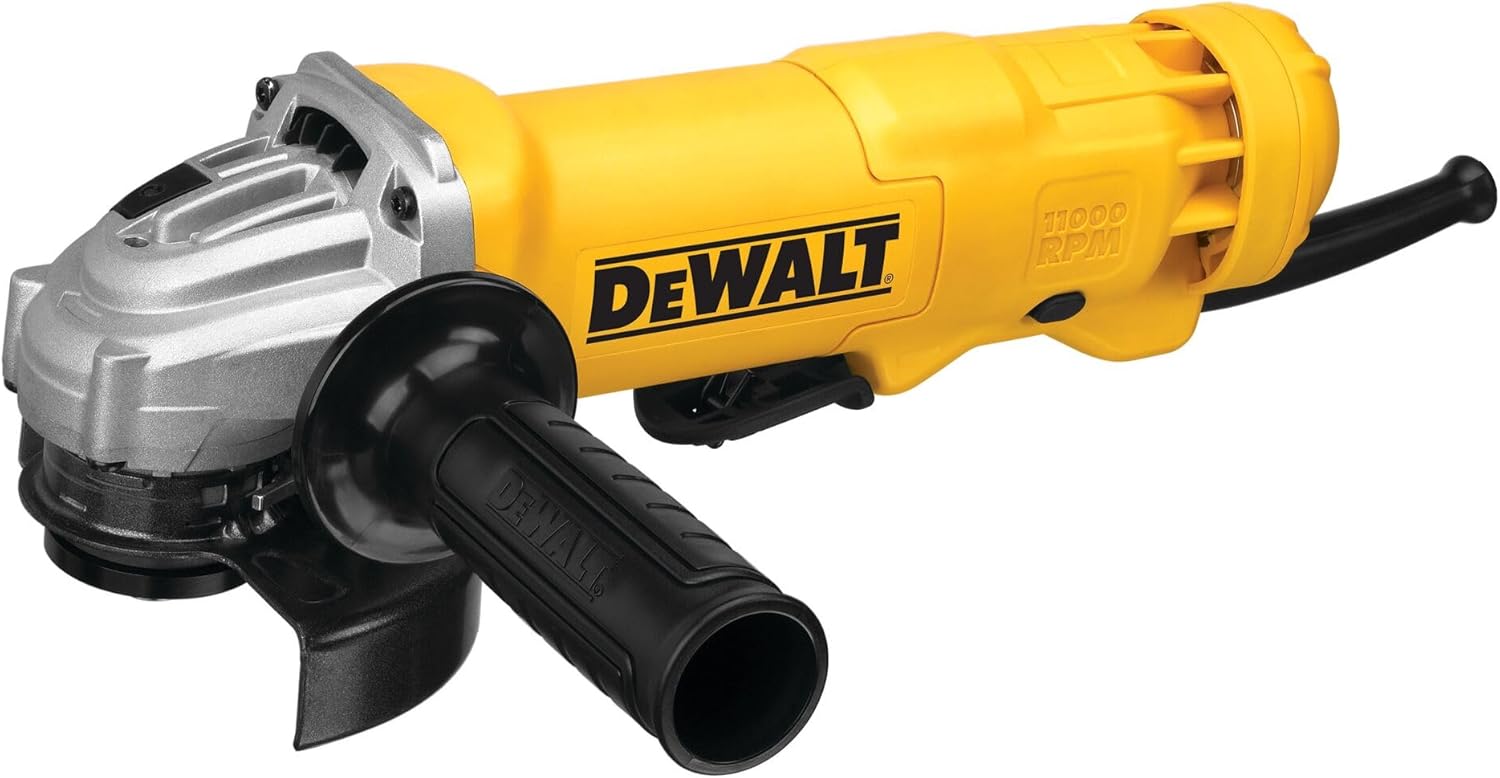
DEWALT 4.5" Angle Grinder
- Clean toes, undercut, and oversized starts
- Prep lap/T-joint edges before welding
- Essential repair tool before re-sizing
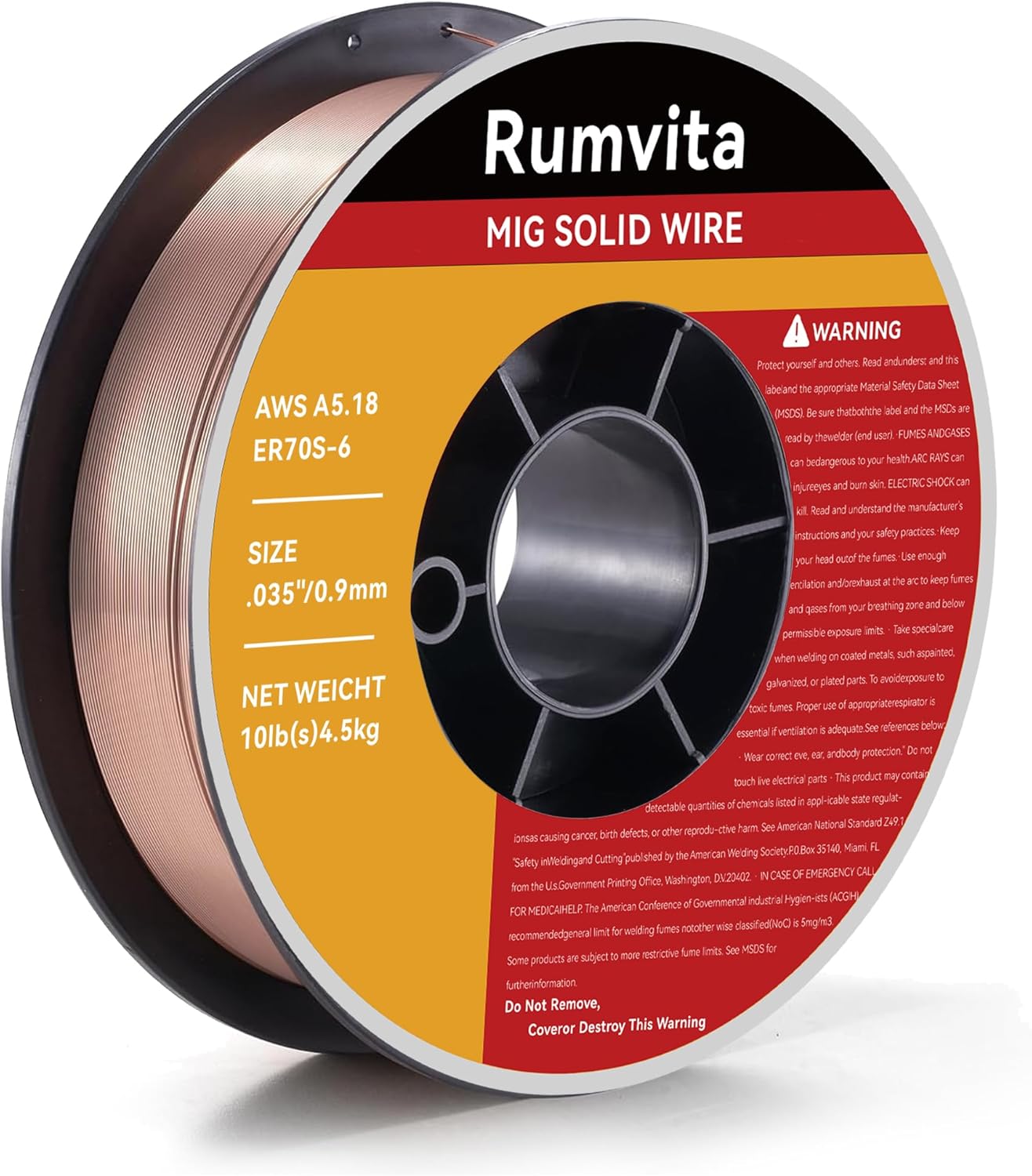
Hobart ER70S-6 .035" MIG Wire
- Matches E70XX strength class
- Common for mild-steel fillets
- Store dry for clean toes

VASTOOLS Welding Accessories Kit
- Chip and brush between fillet passes
- Keeps slag from hiding toe defects
- Pairs with multi-pass fillets
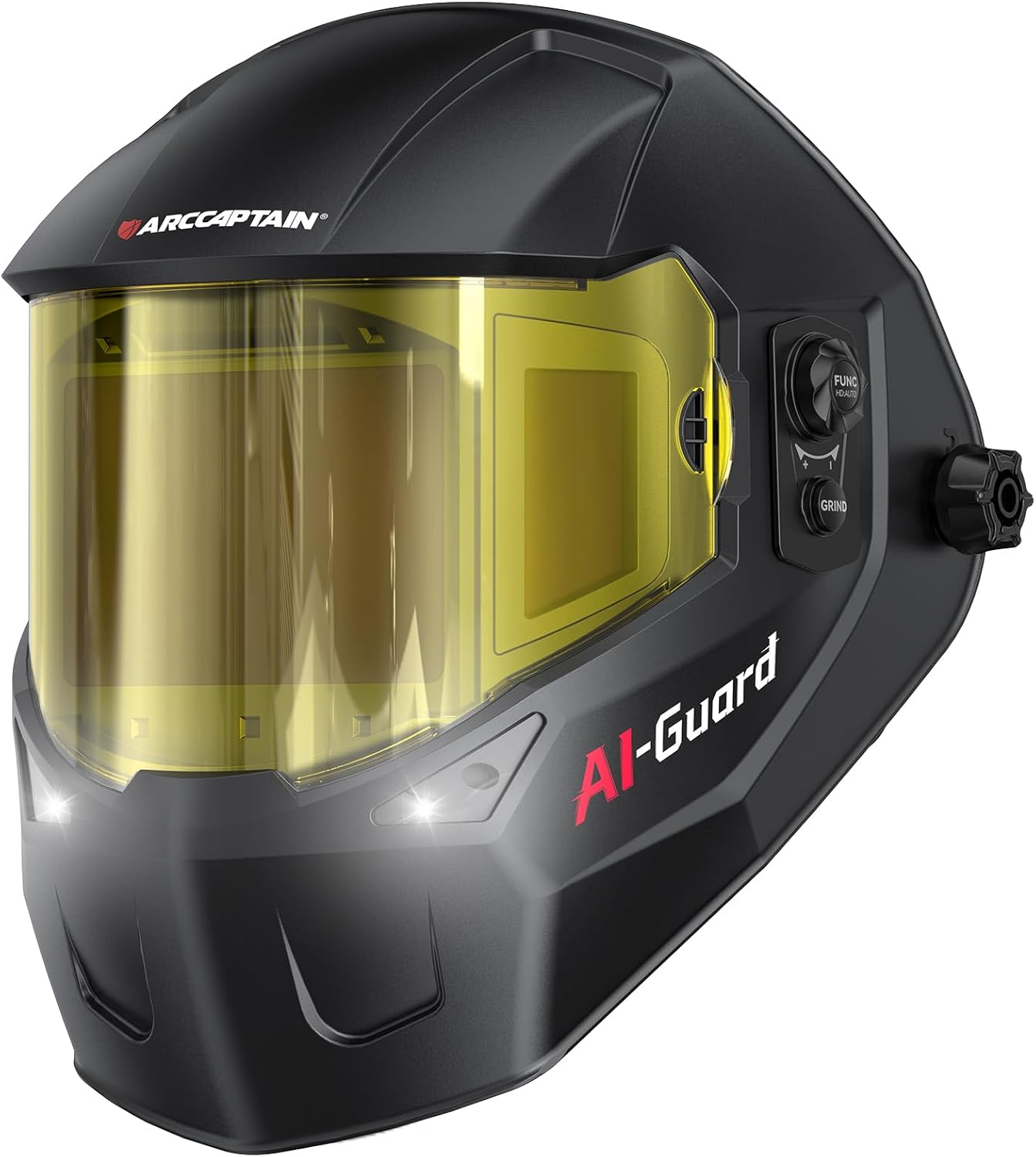
ARCCAPTAIN Halo Helmet
- Wide view for reading both fillet legs
- True-color lens helps spot undercut
- Comfortable for long intermittent runs
As an Amazon Associate, TestTalkHQ earns from qualifying purchases.
NDT Reality Check
VT catches undersize, undercut, and open overlap. Incomplete fusion at the root often needs destructive coupons, magnetic particle on accessible toes, or engineered NDT plans. If the joint is fatigue-critical, do not trust face beauty alone.
Heat Input Is Not a Free Fix
Turning heat up blindly can stop incomplete fusion and create undercut or oversized fillets that pull the assembly. Stay inside the WPS and use the Heat Input Calculator when travel and amps are part of the argument.
Related Reading
Mechanics: strength guide · Sizing how-to: sizing technique · Joint selection: joint design guide · Groove defects angle: groove strength troubleshooting.