Reaming Speed and Feed Calculator
RPM, feed rate, and stock allowance for precision hole finishing
Enter material, reamer type, and diameter to get recommended SFM, RPM, feed rate (IPR), stock allowance, predrill size, cutting fluid, and tolerance guidance. Reaming speeds are roughly half drilling speeds — precision finishing demands slower, controlled cuts.
Also try our Drill Speed Calculator, Tapping Speed and Feed Calculator, and Tap Drill Size Calculator.

⚡ Recommended Reaming & Hole Prep Tools
Drill sets and cutting fluid for accurate predrill and precision reaming
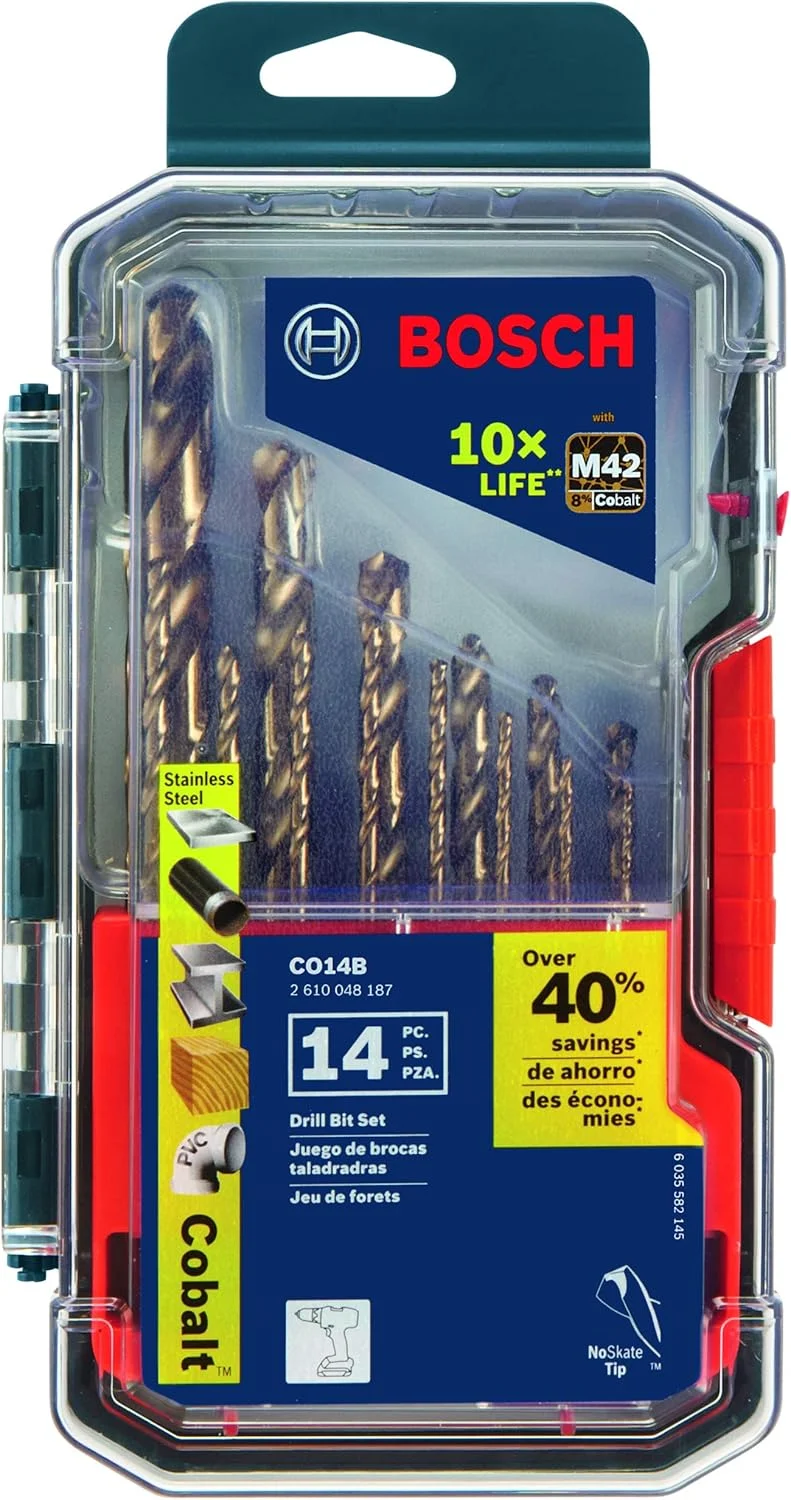
BOSCH CO14B 14-Piece Cobalt M42 Drill Bit Set
- Cobalt bits for predrill prep
- Accurate hole sizing before ream
- Three-flat shanks reduce slip
- Wide fractional coverage
- Shop staple for metalwork

Tap Magic Cutting Fluid
- Reduces friction during reaming
- Mandatory for stainless reaming
- Extends reamer life in steel
- Apply at the cut zone
- Shop standard for finishing
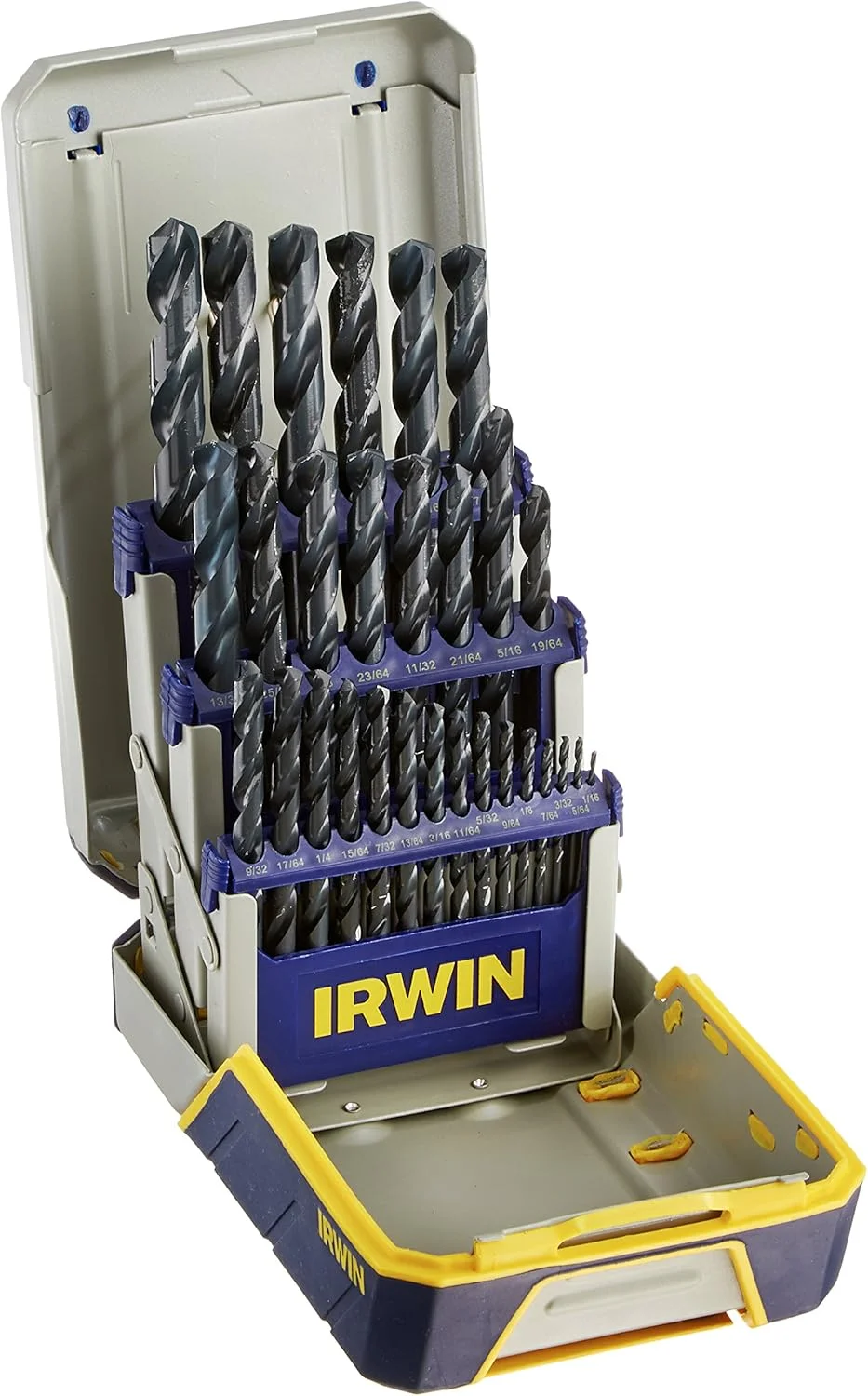
IRWIN 29-Piece Black Oxide Drill Bit Set
- Full fractional, number, letter range
- Predrill to stock allowance size
- Split-point tips reduce walking
- Shop staple for everyday holes
- Strong value for general fab
As an Amazon Associate, TestTalkHQ earns from qualifying purchases.
Hand Reaming vs Machine Reaming — Pick the Tool Class First
Field one-offs, binding recovery, and tap-wrench work vs production chucking reamers: Hand Reaming vs Machine Reaming — Which to Use. Starting numbers: Reaming Speed Calculator. Diagnosis: Reaming Speed Troubleshooting.
When Reamed Holes Still Fail — Diagnose Beyond Starting SFM
Calculator RPM and feed looked right but the hole is oversized, tight, or chattered: Reaming Speed Troubleshooting. Speed/feed tables: Reaming Guide. Chart lookup: Reaming Speed Chart.
Why Ream After Drilling?
A drilled hole alone typically achieves ±0.005 to ±0.010 inch tolerance with a surface finish around 125–250 Ra — fine for clearance holes and many general applications, but not precise enough for press fits, dowel pins, or bushings.
Reaming removes a small, controlled amount of material to bring the hole to within ±0.0005 to ±0.001 inch and a much smoother surface finish. The reamer follows the existing hole rather than cutting a new one from scratch, so it can't correct significant location error — that has to be right from the drilling and boring operation.
Stock Allowance — Don't Leave Too Much or Too Little
The amount of material left for the reamer to remove (stock allowance) is critical. Leave too little and the reamer may not clean up the entire hole surface, leaving witness marks from the drill. Leave too much and the reamer takes too aggressive a cut, causing chatter, oversized holes, or reamer breakage.
The general rule is leaving 0.010 to 0.040 inches on the diameter depending on reamer size — smaller reamers need proportionally less stock. Always drill, then ream — never try to drill directly to reamer size and skip a step.
Hand Reaming vs Machine Reaming
Full decision fork: Hand Reaming vs Machine Reaming — Which to Use.
Hand reamers have a slight taper at the start to ease entry and are turned by hand with a tap wrench — used for finishing existing holes, fitting dowel pins, or field repair work without a machine. Machine reamers (chucking reamers) are designed for drill press or CNC use, run at calculated RPM and feed, and produce more consistent results in production settings.
Never run a hand reamer at machine speed — it's designed for slow, controlled hand rotation and will tear the hole surface if power-fed too fast.
Floating Reamer Holders and Alignment
Reamers must follow the exact centerline of the predrilled hole — any misalignment between the spindle and the hole causes the reamer to cut oversized, tapered, or bell-mouthed holes. A floating or self-aligning reamer holder compensates for minor spindle-to-hole misalignment by allowing the reamer slight radial float.
This lets the reamer self-center in the existing hole rather than being forced to follow the spindle axis exactly. It's standard practice on production reaming and significantly improves hole quality and reamer life.