Tapping Speed and Feed Calculator
RPM, SFM, and feed rate for any thread size and material
Enter material, tap type, and thread size to get recommended tapping SFM, RPM range, and self-feeding IPM (RPM × pitch). Tapping speeds are much lower than drilling — this calculator helps you avoid the broken-tap mistakes that scrap critical parts.
Also try our Tap Torque Calculator, Tap Drill Size Calculator, Why Is My Tap Breaking?, Thread Engagement Calculator, Drill Speed Calculator, and Thread Pitch Calculator.

⚡ Recommended Tapping & Threading Tools
Drill sets, tapping fluid, and tap/die sets for clean holes and reliable threads
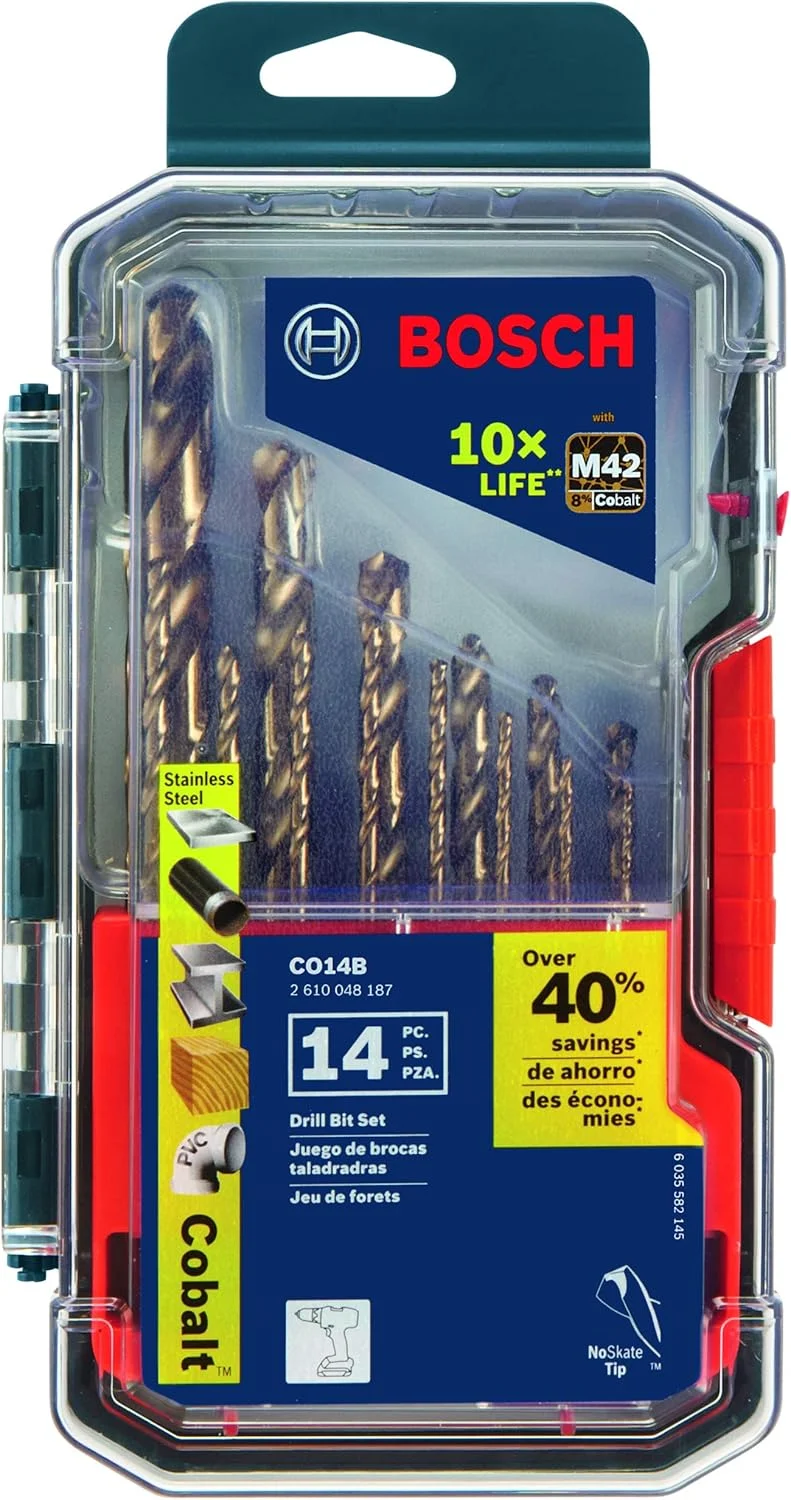
BOSCH CO14B 14-Piece Cobalt M42 Drill Bit Set
- Cobalt bits for tap hole prep
- Fractional, number, and letter sizes
- Three-flat shanks reduce slip
- Essential before every tap job
- Heat tolerant on stainless

Tap Magic Cutting Fluid
- Reduces tap breakage in steel
- Mandatory for stainless tapping
- Required for roll taps on aluminum
- Flushes chips in blind holes
- Shop standard for threading
Orion Tap and Die Set
- Imperial and metric tap coverage
- Hand taps for general work
- Die stock for rod threading
- Complete shop threading kit
- Pairs with speed calculator
As an Amazon Associate, TestTalkHQ earns from qualifying purchases.
Why Tapping Speed Matters More Than Drilling Speed
Tapping is the operation most likely to result in a broken tap inside the workpiece — which is a catastrophic outcome requiring EDM extraction or scrapping the part. The number one cause of broken taps is running too fast, especially in stainless steel and hardened materials.
Tapping SFM is dramatically lower than drilling SFM for the same material. A 1/4-20 tap in stainless steel runs at 5–10 SFM — that's around 60–120 RPM. Most machinists run taps far too fast until they break one in a critical part and learn the hard way.
Spiral Flute vs Spiral Point vs Hand Tap — Which to Use
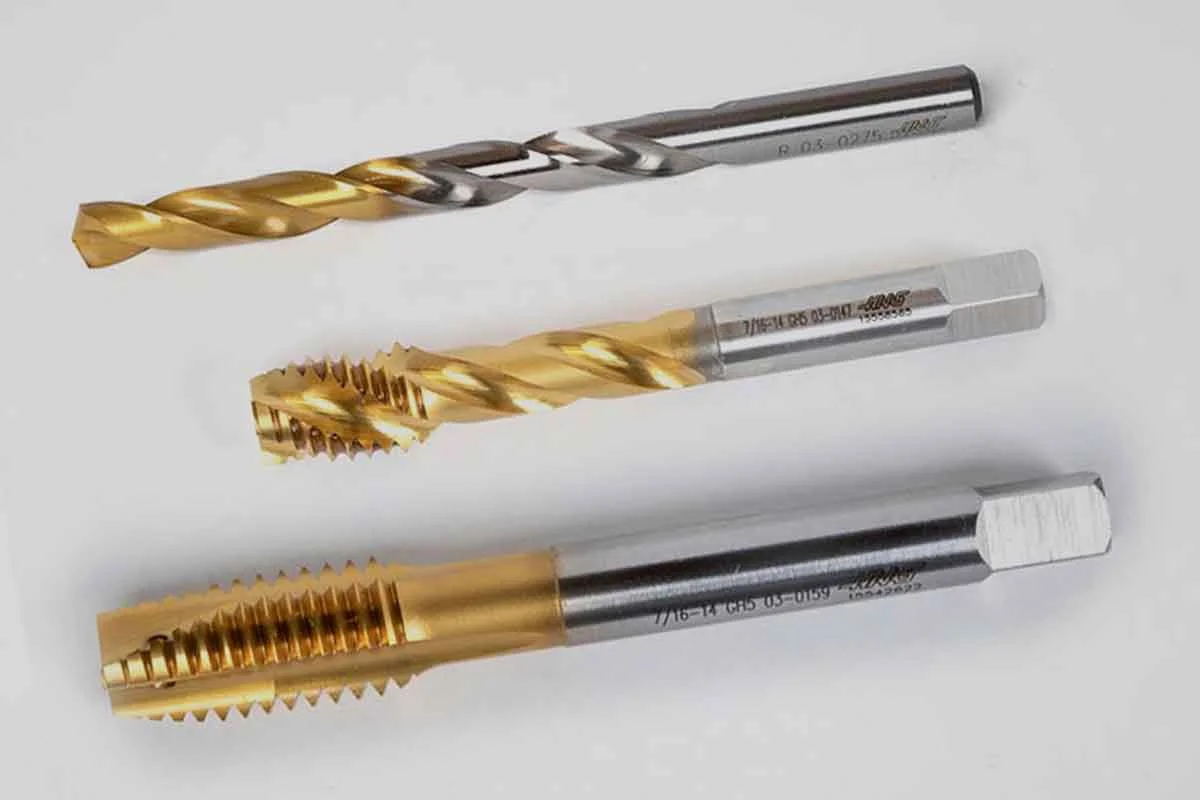
Hand taps (straight flute) are general purpose and work in through and blind holes but require backing out to clear chips — slow and not ideal for production. Spiral point (gun) taps push chips forward ahead of the tap — they're fast and efficient but only work in through holes where chips have somewhere to go.
Spiral flute taps pull chips back out of the hole — they're the correct choice for blind holes where chips can't be pushed through. Match the tap geometry to the hole type before you start.
Thread Forming Taps — No Chips, Stronger Threads
Thread forming (roll) taps displace material rather than cutting it — they cold-form the thread profile into the workpiece. This produces no chips, eliminates the chip-packing problem in blind holes, and creates a work-hardened thread surface that's 10–30% stronger than a cut thread.
The downsides: they only work in ductile materials (aluminum, mild steel, copper, brass — never cast iron or hardened steel), they require a slightly larger tap drill than cutting taps, and they absolutely require cutting fluid. The tap drill size for roll taps is larger than standard — always check the manufacturer's chart.
Broken Tap Extraction — What To Do
When a tap breaks flush or below the surface the options are: left-hand drill extraction (only works if the tap is loose enough to turn), tap extractor tool (specialized tool that grips the flutes), EDM (electrical discharge machining — burns the tap out without affecting the workpiece, works on hardened taps, expensive), or in aluminum, chemical dissolution using alum solution (dissolves HSS tap without attacking aluminum — slow but effective and cheap).
Prevention is always better — run correct speeds, use cutting fluid, don't force a tap that's getting tight, and back off to clear chips every 1–2 turns in deep or blind holes.