Weld Sequencing to Minimize Distortion
Backstep, balanced, and skip welding sequences that control cumulative distortion on multi-joint assemblies
Focused how-to — same practical angle as dialing in MIG wire speed. Not a process comparison. Pair with the shrinkage calculator for allowance numbers and troubleshooting if the part already moved.

Why Sequence Matters as Much as Technique
Perfect puddle control on a bad sequence still warps a frame. Each weld deposits a small permanent strain. On a single short joint you barely notice. On a multi-joint assembly those strains add as vectors — if they all point the same way, the assembly walks.
Sequence is the plan for where heat goes and in what order. Technique is how each bead is run. You need both. This article is the sequence playbook.
Backstep Welding
Instead of welding a long seam continuously from A to B, you deposit short segments that step backward against the overall progress direction. Segment 1 is near the far end, welded toward the start; then you move back and place the next segment, and so on.
Why it helps: Each short bead shrinks locally while neighboring cold metal restrains it. The thermal field stays narrower than a continuous travel down the full length, so longitudinal bowing drops.
- Use segment lengths of roughly 2–4 in (50–100 mm) on light fab; longer on heavy plate as heat sinks into thickness.
- Keep direction consistent within the plan so the crew does not freestyle.
- Chip and brush between segments on SMAW so slag does not fake a cold joint.
Balanced / Symmetric Sequences
Mirror the weld order across the assembly centerline. If you place a fillet on the left flange, place its counterpart on the right before stacking more heat on the left. On double-groove butts, alternate faces every pass or every two passes.
Balanced sequences cancel angular and twisting vectors. They do not eliminate transverse shrinkage — you still need layout allowance from the calculator — but they keep the part from corkscrewing.
Skip Welding (Intermittent / Staggered)
Skip welding places short welds with gaps, often staggered on opposite sides of a joint (like brickwork). It is standard on thin sheet and long light fillets where a continuous weld would buckle the panel.
Use when: Design allows intermittent fillets; sheet is buckling-prone; heat input must stay low. Do not use when: Code or design requires continuous seals, strength needs full-length fillets, or corrosion/crevice rules forbid gaps.
A Simple Sequence Template for Frames
- Fit and tack square. Tacks are temporary — keep them small and balanced.
- Weld short segments at mid-spans first (locks geometry without committing ends).
- Work outward toward corners with mirrored left/right steps.
- Save heavy corner welds for last when the frame is fully constrained.
- Allow cool-down checkpoints; measure diagonals before releasing clamps.
Multi-Joint Assemblies: Cumulative Distortion
On trailers, carts, and machine bases, the danger is finishing convenient seams first. Convenient order is rarely balanced order. Write the sequence on the print or a whiteboard. If two welders work together, assign opposing sides so heat stays symmetric in time as well as space.
Combine sequencing with heat input discipline. A beautiful sequence run at excessive kJ/mm still overheats thin members — check the Heat Input Calculator.
Recommended Welding Gear
Gear that supports clean fit-up and controlled heat while you fight distortion
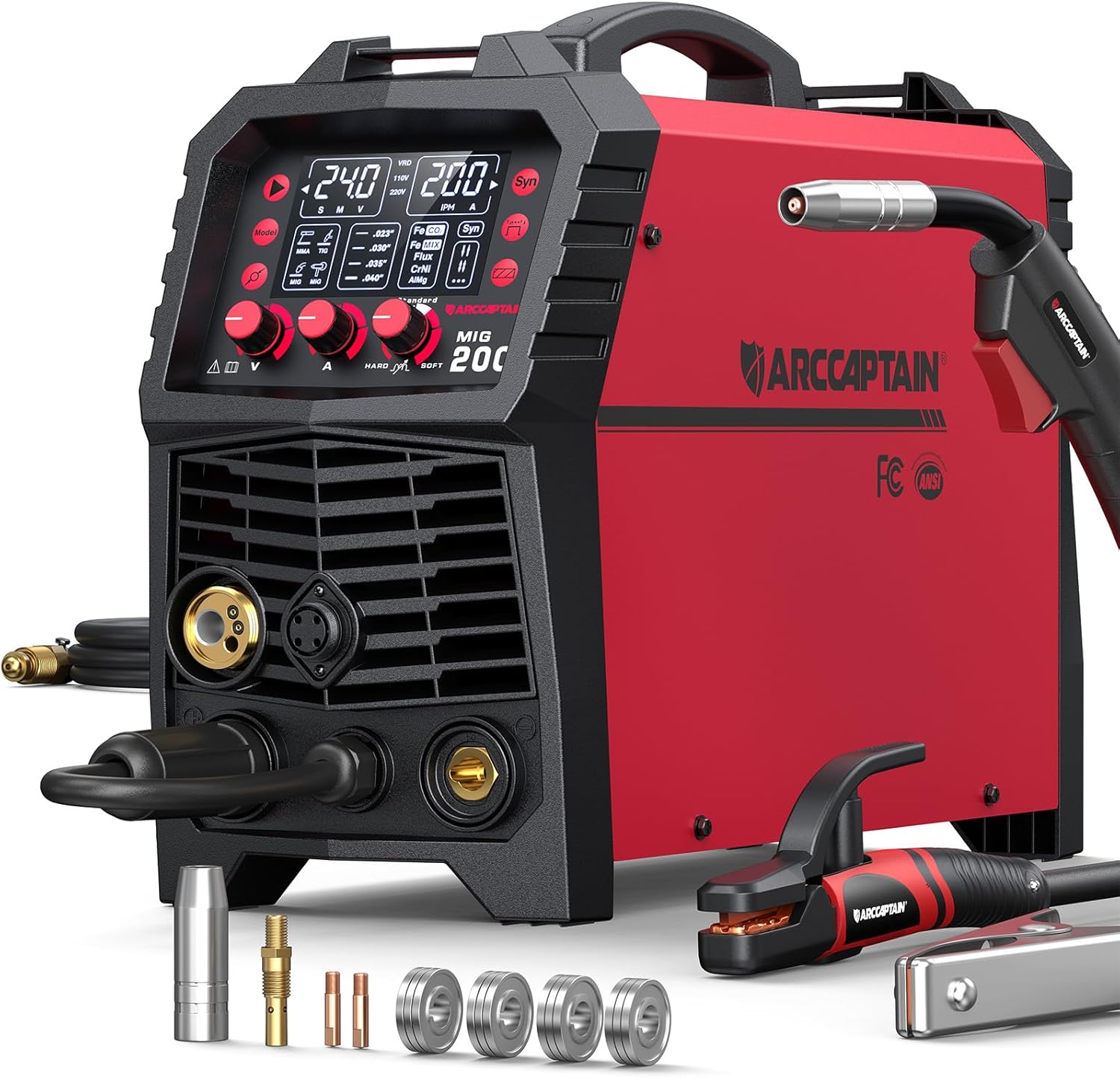
ARCCAPTAIN 6-in-1 Multi-Process
- Stable settings for sequenced fab
- MIG / TIG / stick flexibility
- Dual voltage
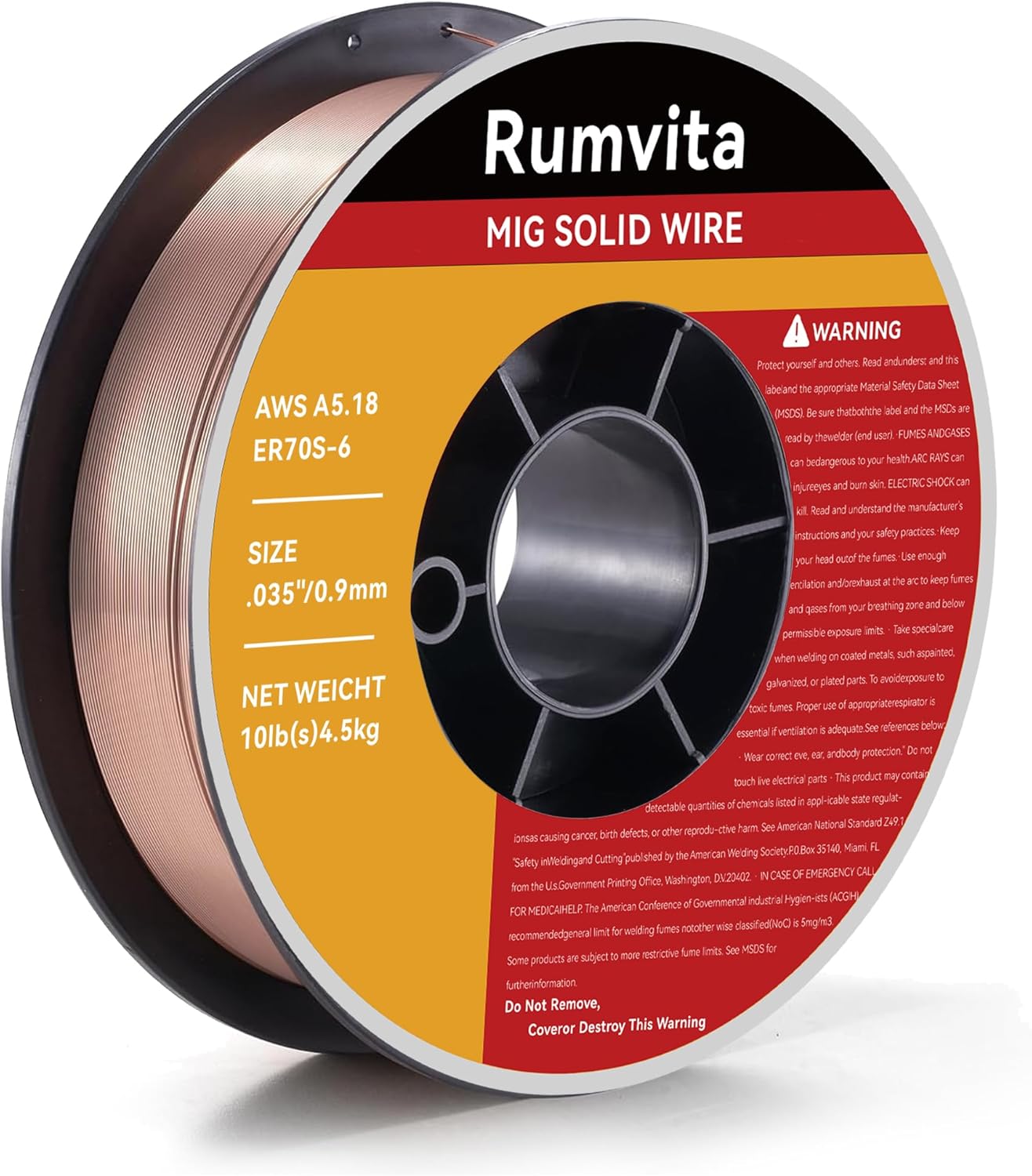
ER70S-6 MIG Wire (.035")
- Consistent feed for stable amps
- Common fab diameters
- Low-spatter copper coating
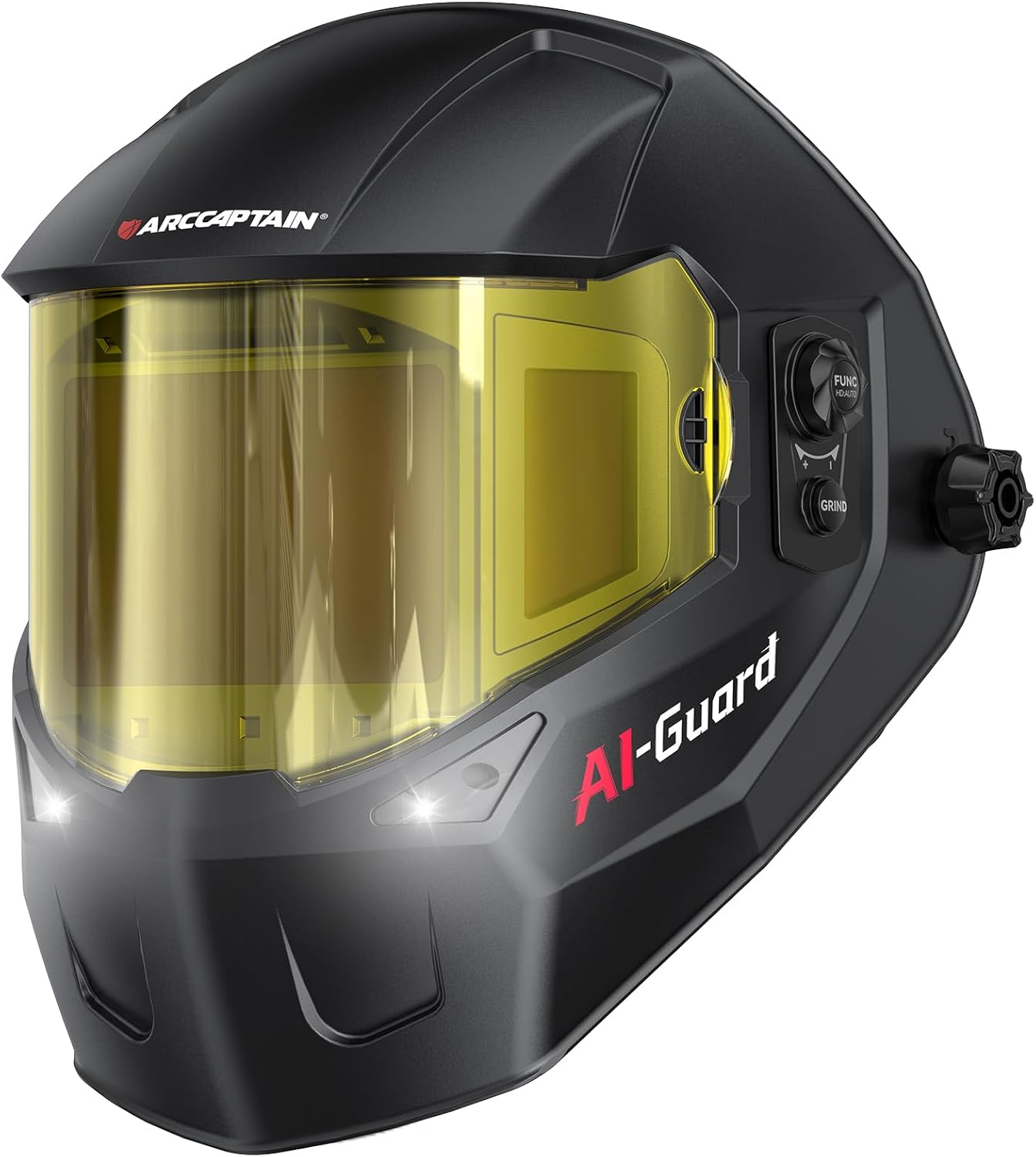
ARCCAPTAIN Halo Helmet
- Wide true-color view
- Spot heat tint and warp early
- Comfortable for long sequences
As an Amazon Associate, TestTalkHQ earns from qualifying purchases.
Backstep vs Continuous — When to Choose
Continuous travel is fine on short, thick, well-clamped joints. Switch to backstep when length, thinness, or one-sided access makes bowing likely.
Tack Strategy Before Sequence
Unbalanced tacks preload distortion before the first real pass. Place tacks in the same symmetric spirit as the final sequence.
Measuring While You Weld
Check diagonals and flatness between sequence blocks. Catching a 1/16 in drift early is easier than flaming a finished frame.
Keep Learning
Mechanics background: shrinkage guide. Pattern diagnosis: troubleshooting. Joint design choices that reduce angular pull: joint design guide.