Tap Torque Troubleshooting
Tap breakage from too much torque, stripped threads from too little, and material-specific torque errors — the force side of tapping, distinct from drill size
This page is about the torque and force of tapping, not the hole diameter. Estimate required tapping torque for your thread and material with the Tap Torque Calculator. Learn the torque model, material factors, and lubrication effects in the Tap Torque Guide. If the hole size itself is the issue, that's the Tap Drill Size Troubleshooting page; for physical breakage causes, Why Is My Tap Breaking?

Tap Torque Problems Quick Answer
Use this when the tap drill was correct but the force is wrong — the tap snaps, the driver stalls, or a power tapper's torque limit trips. Almost every failure here is a torque/material mismatch or a lubrication assumption, not a diameter error.
| Symptom | What it usually means | First fix | Next tool |
|---|---|---|---|
| Tap snaps at high torque | Required torque exceeded tap strength (small size especially) | Add lube, reduce % thread, back off/chip-break, lower speed | Tap Torque Calculator |
| Threads strip after "torqued down" | Fastener torque above the tapped thread's strip strength | Cut assembly torque or add engagement length | Tap Torque Guide |
| Torque way off vs estimate | Material factor wrong (Al vs steel vs stainless) | Use the actual material's torque factor | Tap Torque Calculator |
| Galling / rising torque mid-hole | Wrong or no cutting fluid — friction torque climbs | Use correct tapping fluid for the material | Tap Torque Guide |
| Power tapper trips torque limit | Estimate ignored lube/blind-hole friction | Recompute with real conditions; set limit above cutting, below break | Why Is My Tap Breaking? |
1. Tap Breakage From Excess Cutting Torque
What it looks like: The tap twists off in the hole, usually on smaller sizes (#4–1/4") or in tough material. Torque climbs steadily then the tap snaps, or a hand driver you can't hold anymore lets go. The thread may be half-formed.
Likely causes: Required cutting torque exceeded the tap's torsional strength. Drivers of high torque include high percent thread (small tap drill), no or wrong lubricant, high tapping speed in tough alloys, chip packing in blind holes, and a dull tap. Tap torsional strength falls roughly with the cube of diameter, so small taps have almost no margin.
Fixes: Estimate required torque with the Tap Torque Calculator and compare to the tap's capability. Reduce it by lowering percent thread (a drill-size decision — see Tap Drill Size Troubleshooting), adding proper cutting fluid, slowing down, and chip-breaking (reverse to clear) in blind holes. The physical break mechanics live in Why Is My Tap Breaking?; this page is the torque-budget view.
2. Stripped Threads From Insufficient Torque Capacity
What it looks like: The tapping went fine, but the assembled thread strips when the bolt is torqued to spec — the internal thread shears out, especially in soft materials (aluminum, cast) or short engagements. This is a clamp-load/strip-strength problem, not a cutting-torque one.
Likely causes: The tapped thread's strip strength is below the fastener's tightening torque. Caused by too little thread engagement length, low percent thread, a soft base material, or simply torquing a fastener to steel-bolt spec in aluminum. The internal thread — not the bolt — becomes the weak link.
Fixes: Reduce assembly torque to what the tapped material can hold, increase engagement length (rule of thumb: ~1× diameter in steel, ~1.5–2× in aluminum), raise percent thread if it was low, or add a thread insert (e.g., helical insert) in soft materials. Engagement math is on the Thread Engagement Calculator; the Tap Torque Guide covers strip vs clamp load.
Thread stripped when you torqued the bolt? That's engagement/material strip strength — not the tap. Lengthen engagement or drop assembly torque.
Engagement Calc3. Material-Specific Torque Miscalculation — Aluminum vs Steel vs Stainless
What it looks like: A torque estimate that worked in aluminum breaks taps in stainless, or a stainless setting is needlessly high (and slow) for aluminum. Same thread, wildly different required torque, because the material factor was wrong.
Likely causes: Cutting torque scales with the material's machinability/shear behavior. Stainless (especially 304/316) work-hardens and needs far more torque and more caution than mild steel; aluminum needs the least but galls without lube; cast iron is abrasive but low-tearing. Using one generic factor across materials guarantees a wrong estimate.
| Material | Relative tapping torque | Watch-out |
|---|---|---|
| Aluminum | Lowest | Galling / built-up edge without lube |
| Mild steel | Baseline | Chip control in blind holes |
| Stainless (304/316) | Highest — work-hardens | Slow speed, flood lube, don't dwell |
| Cast iron | Moderate, abrasive | Often run dry; abrasive tap wear |
Fixes: Select the actual material in the Tap Torque Calculator so the material factor is right, then set speed and torque limits to match. For stainless, expect the highest torque and slow down; for aluminum, prioritize lubrication over speed. The guide details material factors.
4. Lubricant & Cutting-Fluid Effects on Required Torque
What it looks like: Torque that starts acceptable climbs mid-hole (galling), a dry tap squeals and snaps, or the same setup runs fine once proper tapping fluid is added. Lubrication can swing required torque substantially — enough to move a job from "breaks taps" to "smooth."
Likely causes: A large fraction of tapping torque is friction, not cutting. The right extreme-pressure (EP) tapping fluid reduces friction and built-up edge, lowering torque and heat; the wrong fluid (or none) raises it. Dry tapping in aluminum or stainless invites galling and a runaway torque spike. In blind holes, fluid also helps float chips out, cutting the friction from packing.
Fixes: Use a cutting fluid matched to the material (EP tapping fluid for steel/stainless; aluminum-specific or the same EP fluid for aluminum), deliver it to the cut (not just a wipe on the tap), and re-check the torque budget — a calculator estimate assumes a lubrication condition, so a dry hole will exceed it. Cast iron is often the exception (frequently tapped dry). Confirm the assumed condition on the calculator.
Cross-Links — Drill Size and Breakage Are Separate Pages
This page is deliberately the torque/force view. The hole-diameter and percent-thread side lives on Tap Drill Size Troubleshooting, and the full physical breakage decision tree (alignment, chip evacuation, tap style, reversing) lives on Why Is My Tap Breaking? Keeping them distinct avoids duplicating content across three tap pages.
Tap Torque Calculator → Tap Torque Guide → Why Is My Tap Breaking? → Tap Drill Size Troubleshooting →
Recommended Tools for Tapping Torque Control
Five CSV catalog picks with verified images — controlled torque, low-friction fluid, quality taps, and measuring to verify engagement
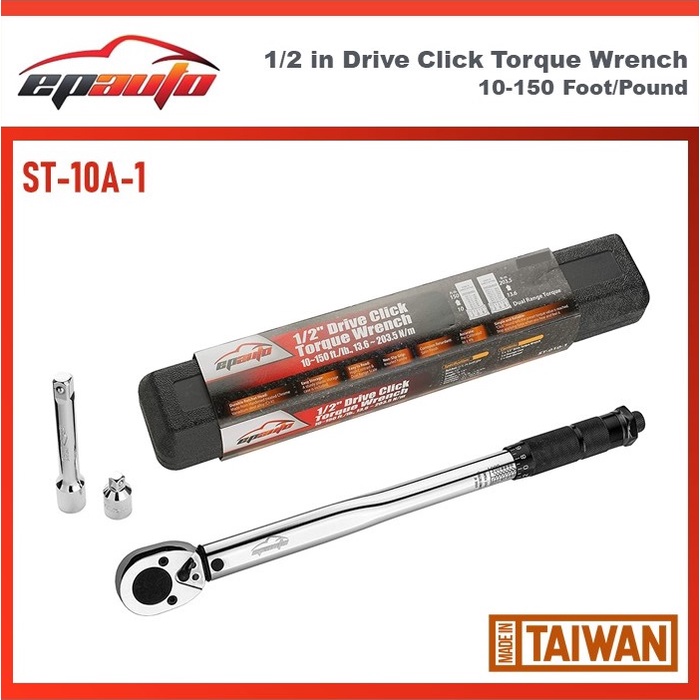
EPAuto 1/2" Click Torque Wrench, 10–150 ft-lb
- Set assembly torque below strip strength
- Repeatable clamp load on tapped threads
- Click cutoff prevents over-torque
- Hand tools catalog
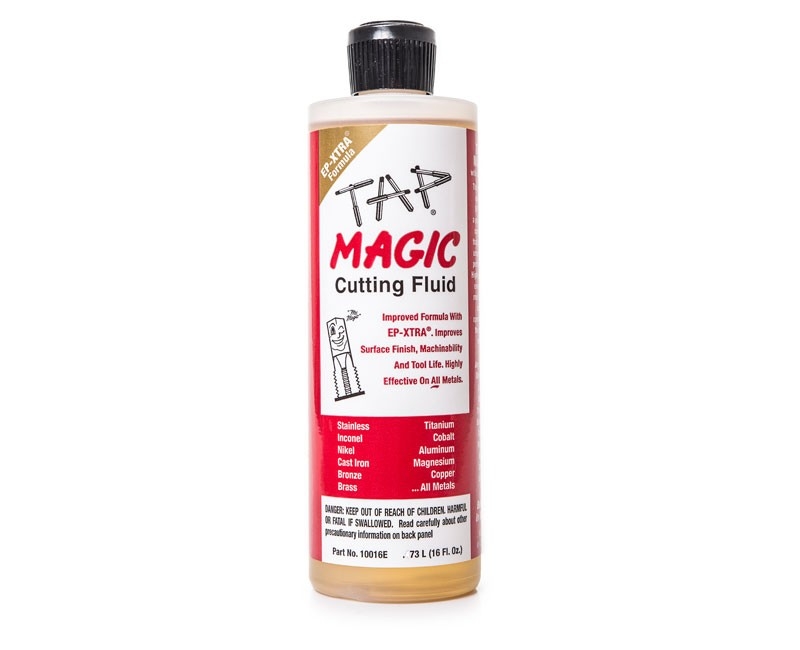
Tap Magic EP-Xtra Cutting Fluid, 16 oz
- Extreme-pressure fluid lowers cutting torque
- Reduces galling in steel and stainless
- Directly cuts friction-torque spikes
- Cutting tools / machining catalog
Hi-Spec 39-Pc SAE & Metric Tap and Die Set
- Sharp taps cut with less torque
- Imperial and metric coverage
- Replace dull taps that spike torque
- Cutting tools / machining catalog
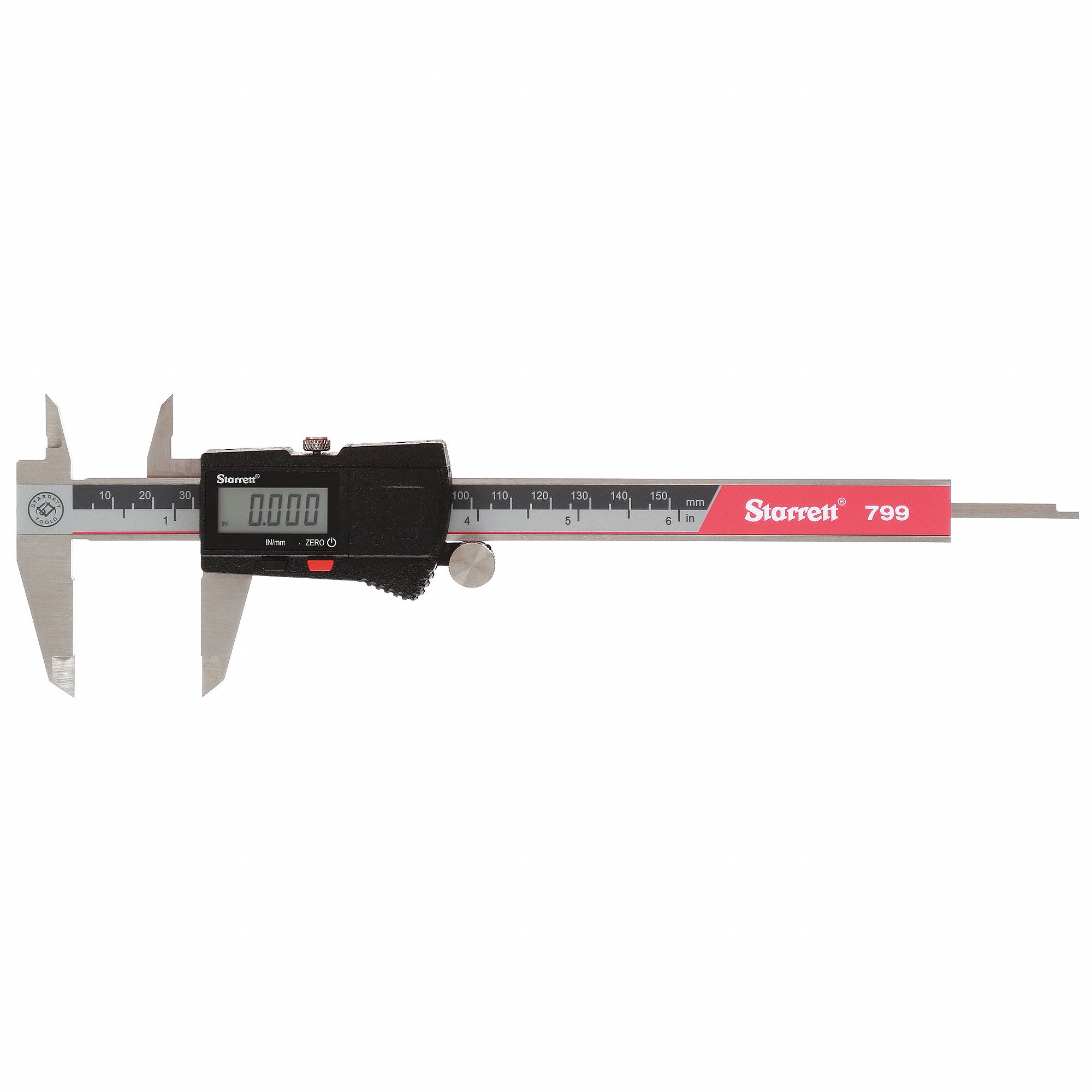
Starrett EC799A Electronic Caliper, 0–6"
- Verify engagement length vs strip needs
- Check hole depth and fastener grip
- Imperial/metric readout
- Measurement catalog
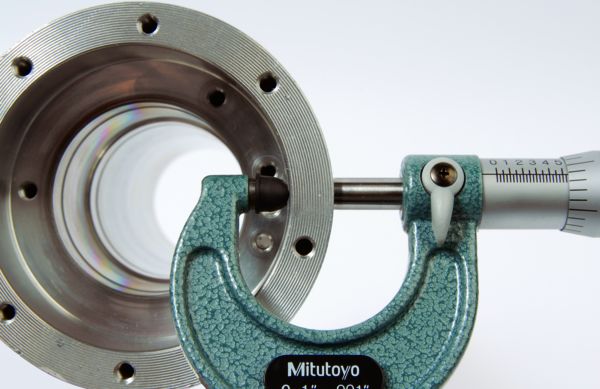
Mitutoyo 103-177 Outside Micrometer, 0–1"
- Confirm tap-drill diameter (sets % thread)
- Rule out undersize drive of high torque
- Shop-standard precision
- Precision measuring catalog
As an Amazon Associate, TestTalkHQ earns from qualifying purchases. All five cards are sourced only from the affiliate CSV with verified product images. Catalog gap flagged by name: no dedicated tapping-head torque limiter or in-lb tapping torque gauge SKU currently exists in the CSV.
Frequently Asked Questions
My small tap keeps snapping — is it torque?
Often yes. Small taps have very little torsional strength, so high cutting torque from high % thread, no lubricant, or chip packing snaps them. Estimate torque on the calculator, add fluid, lower % thread, and chip-break in blind holes.
The thread stripped when I torqued the bolt — what failed?
The tapped thread's strip strength was below the fastener torque. That's engagement length and material, not the tap. Increase engagement, reduce assembly torque, or add a thread insert in soft metals.
Why does stainless need so much more torque than aluminum?
Stainless work-hardens and has high shear strength, so cutting torque is much higher (often well over 1.5× mild steel). Aluminum is the lowest. Use the correct material factor in the calculator and slow down for stainless.
How much does cutting fluid change tapping torque?
A lot — much of tapping torque is friction. The right EP tapping fluid lowers torque and heat and prevents galling; dry tapping (except sometimes cast iron) can spike torque enough to break the tap.
How is this different from the tap drill and tap-breaking pages?
This page covers torque/force. Tap Drill Size Troubleshooting covers hole diameter and % thread; Why Is My Tap Breaking? covers the full physical breakage causes. They cross-link rather than repeat each other.