Tapping Speed Troubleshooting
RPM-specific failure modes — heat, chip welding, torn finish, and evacuation — distinct from tap breakage, torque, and drill size
This page covers spindle speed (RPM) only. Estimate recommended tapping RPM for your thread, material, and tool with the Tapping Speed Calculator. Learn speed/feed relationships in the Tapping Speeds & Feeds Guide. For tap breakage causes, see Why Is My Tap Breaking?; for torque errors, Tap Torque Troubleshooting; for hole diameter, Tap Drill Size Troubleshooting.

Tapping Speed Problems Quick Answer
Use this when the tap drill and torque look right but the speed is wrong — chips weld to the flutes, the finish tears, or the hole packs with chips. Almost every failure here is an RPM/material mismatch or a feed-per-rev assumption error.
| Symptom | What it usually means | First fix | Next tool |
|---|---|---|---|
| Blue tap, welded chips | RPM too high — heat exceeds chip clearance | Cut RPM 30–50%; flood cutting fluid | Tapping Speed Calculator |
| Torn, rough thread flanks | RPM too low — tearing instead of shearing | Raise RPM toward guide range; check dull tap | Speeds & Feeds Guide |
| Chips pack in blind hole | Speed too high for evacuation rate | Slow down; chip-break (reverse); peck | Tapping Speed Calculator |
| Power tapper stalls mid-hole | Feed/rev fixed but RPM out of range | Match RPM to material SFM band | Speeds & Feeds Guide |
| Same setup works in steel, fails in stainless | Material SFM factor ignored | Recompute RPM for actual alloy | Tapping Speed Calculator |
1. Heat & Chip Welding From Too-Fast Tapping Speed
What it looks like: The tap runs hot — blue or straw discoloration on HSS, chips welded into flutes, smoke or burning smell, and sudden torque spike as welded material loads the tap. Common in stainless, alloy steel, and small taps where surface speed climbs quickly at modest RPM.
Likely causes: Surface feet per minute (SFM) exceeded the material's safe tapping band. Heat softens the workpiece locally and welds chips back onto the tap. High RPM also reduces time for cutting fluid to reach the shear zone and for chips to clear before the next flute passes.
Fixes: Recompute RPM with the Tapping Speed Calculator using the actual material and tap type (HSS vs coated). Drop RPM 30–50% from the "too hot" setting, flood EP cutting fluid, and chip-break in blind holes. If the tap still snaps, that's torque/breakage — see Tap Torque Troubleshooting, not speed alone.
2. Torn Threads & Poor Finish From Too-Slow Speed
What it looks like: Thread flanks are torn, rippled, or have a shredded appearance instead of a clean helix. The tap chatters or pushes material rather than shearing it. Torque may feel low but the thread quality fails inspection.
Likely causes: SFM below the material's effective tapping range causes tearing and built-up edge instead of clean shearing. A dull tap at any speed mimics "too slow" behavior. Excessive hand pressure without synchronized feed also tears threads on a lathe or mill.
Fixes: Raise RPM toward the middle of the range in the Tapping Speeds & Feeds Guide, replace dull taps, and match feed-per-rev to pitch (especially on CNC). Verify synchronized tapping on machines — RPM without correct feed still tears threads.
3. Chip Evacuation Failures Tied to Speed
What it looks like: Chips pack in a blind hole, the tap binds and stalls, or you hear crunching on reversal. On through holes, chips pile at the exit and re-cut into the thread. Often worse at high RPM where chips are thin and stringy but ejected faster than the flute can carry them.
Likely causes: RPM too high for the flute geometry and hole depth — chips cannot exit before the next flute pass. Stringy materials (stainless, aluminum) at high speed produce long chips that birdnest in the hole. No chip-breaking strategy in blind holes amplifies speed-related packing.
Fixes: Reduce RPM, use chip-breaking taps or periodic reverse in blind holes, and ensure adequate hole depth beyond thread length. For power tapping, set RPM from the calculator then tune down if packing persists. Physical breakage from packed chips crosses to Why Is My Tap Breaking?
4. Material-Specific RPM Miscalculation
What it looks like: A speed that works in mild steel destroys taps in stainless, or an aluminum-optimized RPM tears cast iron. Same thread size, same machine, different outcome — because the material SFM factor was wrong.
Likely causes: Using one generic RPM chart across alloys. Stainless and high-nickel alloys need lower SFM; aluminum and brass allow higher. Coated taps vs HSS change the allowable band. Through-hole vs blind-hole sometimes shifts the practical RPM down for chip control even when SFM math allows higher.
| Material | Relative tapping RPM | Watch-out |
|---|---|---|
| Aluminum / brass | Higher SFM band | Galling if dry — fluid still required |
| Mild steel | Baseline | Chip control in blind holes |
| Stainless (304/316) | Lower SFM — work-hardens | Never dwell; keep chips thin |
| Cast iron | Moderate; often dry | Abrasive — watch tap wear |
Fixes: Select the actual material in the Tapping Speed Calculator and apply the guide's material factors. Document a proven RPM per material/size for your shop rather than reusing a single "go-to" speed.
Cross-Links — Speed Is Not Breakage, Torque, or Drill Size
This page is deliberately the RPM/surface-speed view. Physical tap breakage, alignment, and tap style live on Why Is My Tap Breaking? Torque and force errors live on Tap Torque Troubleshooting. Hole diameter and percent thread live on Tap Drill Size Troubleshooting.
Tapping Speed Calculator → Speeds & Feeds Guide → Why Is My Tap Breaking? → Tap Torque Troubleshooting →
Recommended Machining & Tapping Tools
Five CSV catalog picks with verified images — controlled torque, cutting fluid, quality taps, and precision measuring
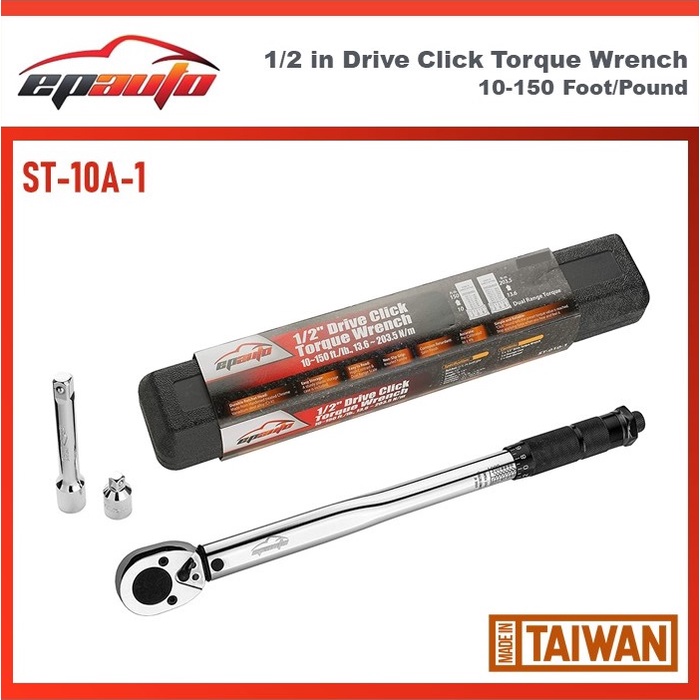
EPAuto 1/2" Click Torque Wrench, 10–150 ft-lb
- Set assembly torque below strip strength
- Repeatable clamp load on tapped threads
- Click cutoff prevents over-torque
- Hand tools catalog
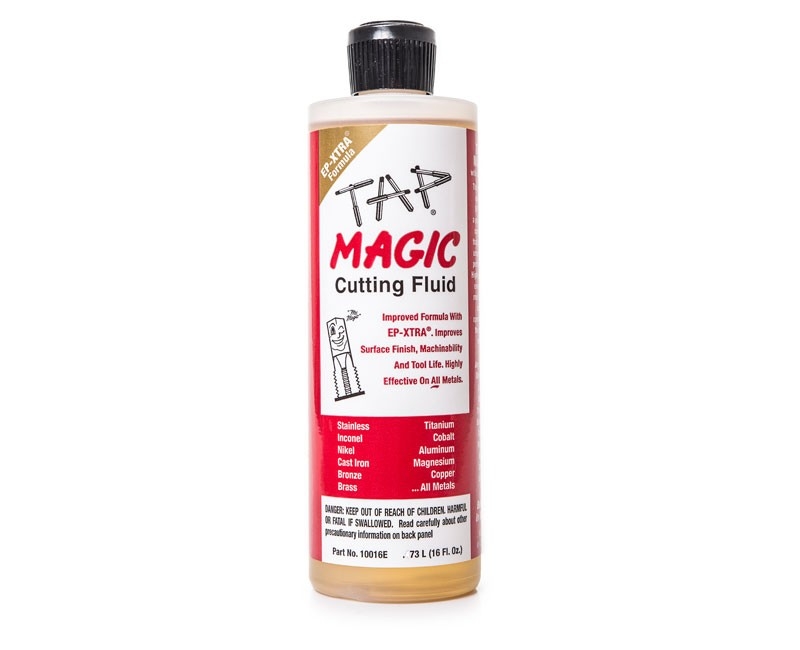
Tap Magic EP-Xtra Cutting Fluid, 16 oz
- Extreme-pressure fluid lowers cutting torque
- Reduces galling in steel and stainless
- Directly cuts friction-torque spikes
- Cutting tools / machining catalog
Hi-Spec 39-Pc SAE & Metric Tap and Die Set
- Sharp taps cut with less torque
- Imperial and metric coverage
- Replace dull taps that spike torque
- Cutting tools / machining catalog
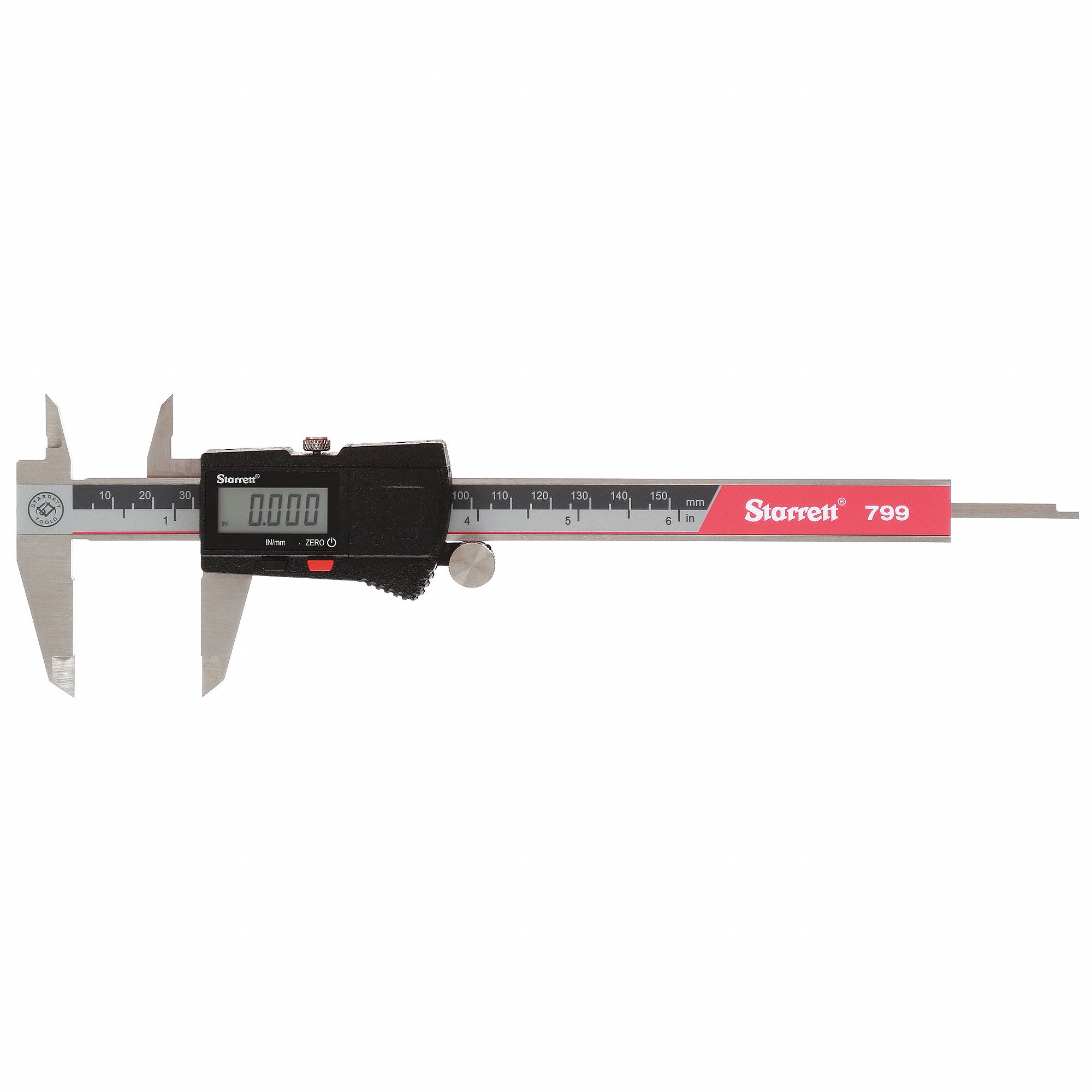
Starrett EC799A Electronic Caliper, 0–6"
- Verify engagement length vs strip needs
- Check hole depth and fastener grip
- Imperial/metric readout
- Measurement catalog
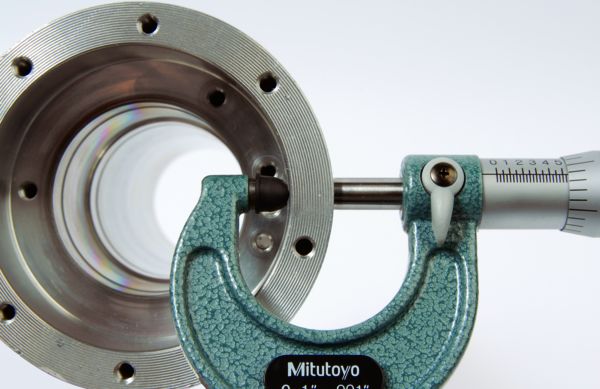
Mitutoyo 103-177 Outside Micrometer, 0–1"
- Confirm tap-drill diameter (sets % thread)
- Rule out undersize drive of high torque
- Shop-standard precision
- Precision measuring catalog
As an Amazon Associate, TestTalkHQ earns from qualifying purchases. All five cards are sourced only from the affiliate CSV with verified product images.
Frequently Asked Questions
My tap keeps breaking — is it speed?
Sometimes, but breakage is usually torque, alignment, or drill size. Blue/welded chips point to speed. Use this page for RPM; use Why Is My Tap Breaking? for physical causes.
How do I know if RPM is too high vs too low?
Too high: heat, blue tap, welded chips. Too low: torn flanks, chatter, shredded appearance. Recompute with the calculator.
Does tapping fluid change the right RPM?
Fluid lets you run toward the upper SFM band by reducing heat and friction, but it doesn't remove the ceiling. Dry stainless still needs lower RPM than oiled aluminum.
Why do blind holes need slower RPM?
Chip evacuation is the limiter — high RPM produces chips faster than flutes can carry them out. Slow down and chip-break.
How is this different from the tap torque page?
Speed = RPM/SFM and chip behavior. Torque = force to cut. They interact but are diagnosed separately.