Tap Drill Size Troubleshooting
Oversized and undersized tap drills, stripped or weak threads, and thread-percentage errors for blind vs through holes — when the chart looked right but the thread still failed
This is field diagnosis of tap-drill selection — not a chart to copy. Get the correct drill for your thread and target engagement from the Tap Drill Size Calculator. Full imperial and metric tables live in the Tap Drill Size Chart & Complete Guide. When the tap itself keeps breaking, that's a deeper topic — see Why Is My Tap Breaking?

Tap Drill Size Problems Quick Answer
Use this when you picked a tap drill off a chart or the calculator but the thread stripped, the gauge failed, or the tap struggled. Almost every failure here is the wrong hole diameter for the target thread percentage — or the right percentage applied to the wrong hole depth.
| Symptom | What it usually means | First fix | Next tool |
|---|---|---|---|
| Threads strip / gauge too loose | Tap drill oversized → too little thread engagement | Use smaller drill for higher % thread; re-check chart line | Tap Drill Calculator |
| Tap binds, high torque, snaps | Tap drill undersized → >75% thread, huge tap load | Open drill toward 65–75%; see tap-breakage page | Why Is My Tap Breaking? |
| Blind hole strips at bottom | % thread fine, but depth/chip room miscalculated | Drill deeper; account for chamfer & chip packing | Tap Drill Chart |
| Metric thread on imperial drill (or reverse) | Wrong chart column / unit conversion | Match pitch and unit; verify with the calculator | Tap Drill Calculator |
| Form-tapped hole tears / won't tap | Cut-tap drill size used for a form (roll) tap | Use the larger form-tap drill size | Tap Drill Chart |
1. Oversized Tap Drill — Weak or Stripped Threads
What it looks like: The thread strips under normal torque, a GO thread gauge spins in with no feel, or a fastener pulls out early. Threads look shallow. The joint holds at first, then loosens.
Likely causes: A tap drill larger than the target requires leaves too little thread height, so percent-of-thread engagement drops. Going from ~75% to ~50% thread cuts holding strength substantially while saving only a little tapping torque. Common when someone rounds up to the nearest drill on hand, misreads a chart row, or uses a worn/oversize drill that cuts big.
Fixes: Recompute for your target percent thread (commonly 65–75% for strength without excessive tap load) with the Tap Drill Size Calculator, and mic the actual drill — a "letter" drill that runs oversize behaves like the next size up. Cross-check the row in the Tap Drill Chart.
2. Undersized Tap Drill — High Torque & Tap Breakage
What it looks like: The tap goes in hard, torque is high, threads look full but the tap squeals, galls, or snaps — especially in small sizes and tough materials. The hole is technically threaded but you're one bad hole from a broken tap.
Likely causes: A tap drill smaller than needed drives percent thread toward 85–100%, and tapping torque rises sharply for very little added strength. Undersize is common from using a fractional drill "one size under" out of habit, a dull/undersize drill, or forgetting that form (roll) taps need a larger hole than cut taps.
Fixes: Open the drill to land in the 65–75% band from the calculator. Verify drill diameter with a mic. This failure — a wrong (undersize) drill loading and snapping the tap — is exactly the kind of root cause covered in depth by Why Is My Tap Breaking?; use that page for the full breakage decision tree (lubrication, alignment, chip control, tap type) rather than repeating it here.
Tap snapped in the hole? Wrong drill size is one cause — alignment, lube, and chip packing are the rest.
Why Taps Break3. Thread-Percentage Miscalculation — Blind vs Through Holes
What it looks like: The percent thread is correct on paper, but a blind hole strips near the bottom, the tap bottoms out and breaks, or full-depth threads never form. Through holes tap fine; blind holes fail.
Likely causes: Percent thread sets the drill diameter; blind holes add a depth problem the diameter math ignores. The tap's chamfer (taper, plug, or bottoming) means the first few threads are incomplete, so usable thread depth is less than the drilled depth. Chips pack in the bottom of a blind hole and jam the tap. Drilling only to nominal thread depth leaves no room for the chamfer lead-in or chip clearance.
- Through hole: Chips clear out the far side; a spiral-point (gun) tap pushes chips forward. Diameter/percent thread is usually the whole story.
- Blind hole: Drill deeper than the required thread depth (add for the tap chamfer plus chip room), use a spiral-flute tap to pull chips up and out, and use a bottoming tap only after starting with a taper/plug tap.
Fixes: Keep the diameter from your percent-thread calc, then set drill depth for a blind hole with chamfer and chip room. Match tap type to the hole (spiral point for through, spiral flute for blind) per the chart guide. Engagement length itself is covered by the Thread Engagement Calculator.
4. Wrong Chart Column, Unit, or Tap Type
What it looks like: An M6×1.0 tapped with a #9 drill "because it was close," a 1/4-20 hole drilled to a metric size, or a roll-formed thread that tears because a cut-tap drill size was used. The result is either loose/torn threads or a jammed tap.
Likely causes: Reading the wrong row (coarse vs fine pitch), mixing imperial and metric columns, sloppy fraction-to-decimal conversion, or ignoring that form (roll) taps require a larger tap drill than cut taps because they displace rather than remove material.
| Situation | Common mistake | Correct approach |
|---|---|---|
| Metric coarse (e.g., M6×1.0) | Nearest imperial drill "close enough" | Use 5.0 mm (or exact calc value) for ~75% |
| Imperial fine vs coarse (1/4-20 vs 1/4-28) | Wrong pitch row → wrong drill | Confirm TPI, then read the matching row |
| Form / roll tap | Cut-tap drill size used → torn threads | Use the larger form-tap drill size |
Fixes: Confirm thread designation (diameter, pitch/TPI, unit) and tap type, then let the Tap Drill Size Calculator return the exact drill; verify against the imperial/metric chart. Mic the drill before you trust the marking.
Cross-Link — Tap Breakage Lives on Its Own Page
Wrong tap-drill size is one cause of a broken tap, but the full breakage story — lubrication, alignment, chip evacuation, tap style, speed, and reversing — is deliberately kept on Why Is My Tap Breaking? so this page stays focused on drill size and percent thread. For force/torque limits by material, use the companion Tap Torque Troubleshooting. Reference tables are in the chart guide.
Tap Drill Size Calculator → Tap Drill Chart & Guide → Why Is My Tap Breaking? →
Recommended Tools for Tap Drilling
Five CSV catalog picks with verified images — taps, matched drills, precision measuring to verify hole diameter, and cutting fluid to protect the thread

Hi-Spec 39-Pc SAE & Metric Tap and Die Set
- Imperial and metric taps in one kit
- Match tap to the chart thread row
- Covers common shop threads
- Cutting tools / machining catalog
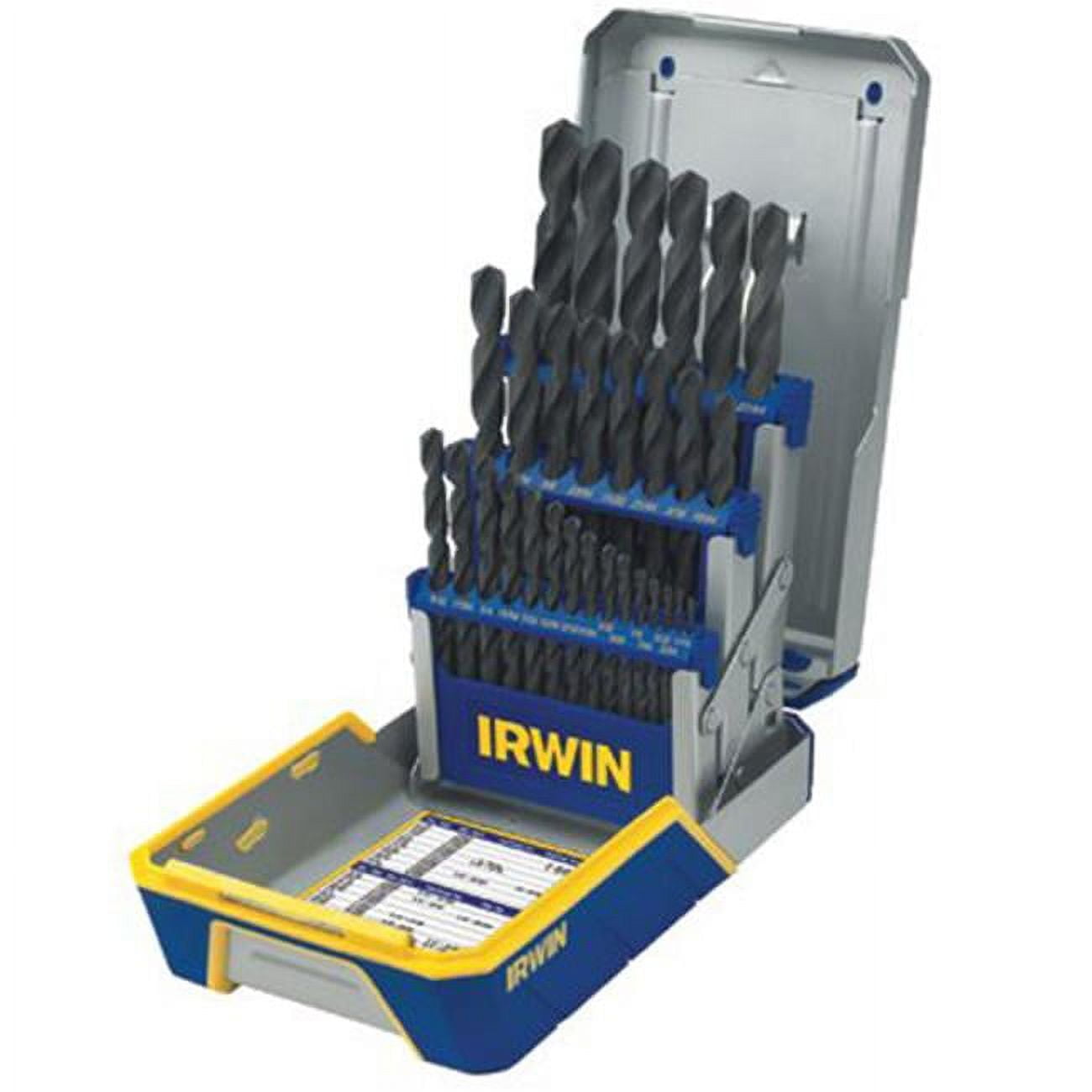
IRWIN 29-Pc Black Oxide Index Drill Set
- Fractional sizes to hit the right tap drill
- Fewer "round up to what's on hand" errors
- Indexed case for quick selection
- Drilling / machining catalog
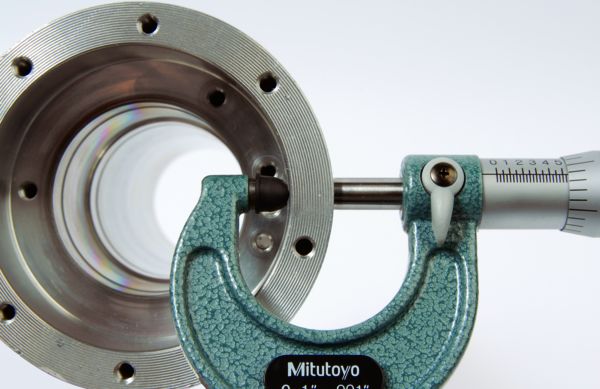
Mitutoyo 103-177 Outside Micrometer, 0–1"
- Mic the drill before you trust the mark
- Catch oversize drills that weaken threads
- Shop-standard 0–1" precision
- Precision measuring catalog
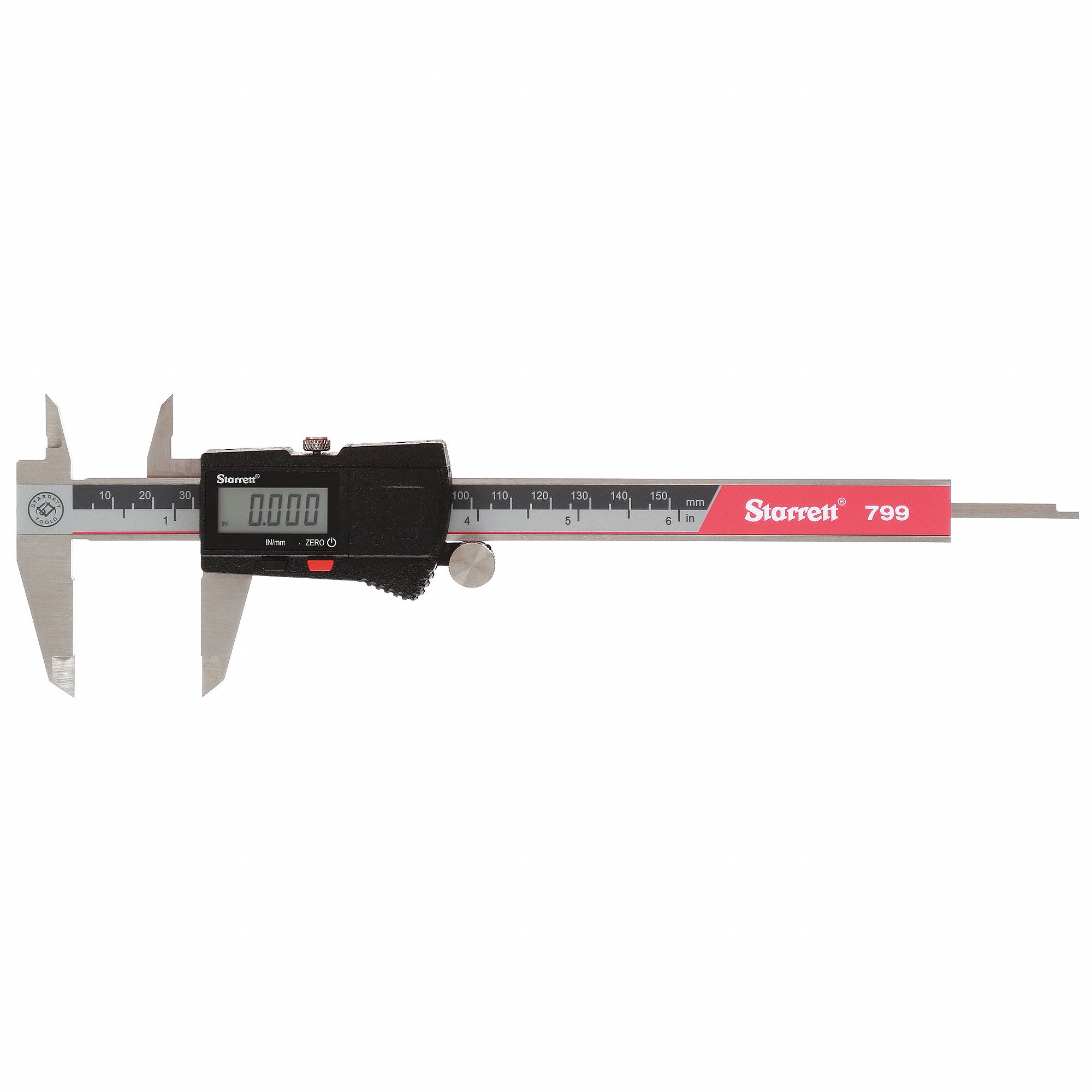
Starrett EC799A Electronic Caliper, 0–6"
- Check hole and drill diameters fast
- Confirm blind-hole depth marks
- Imperial/metric readout
- Measurement catalog
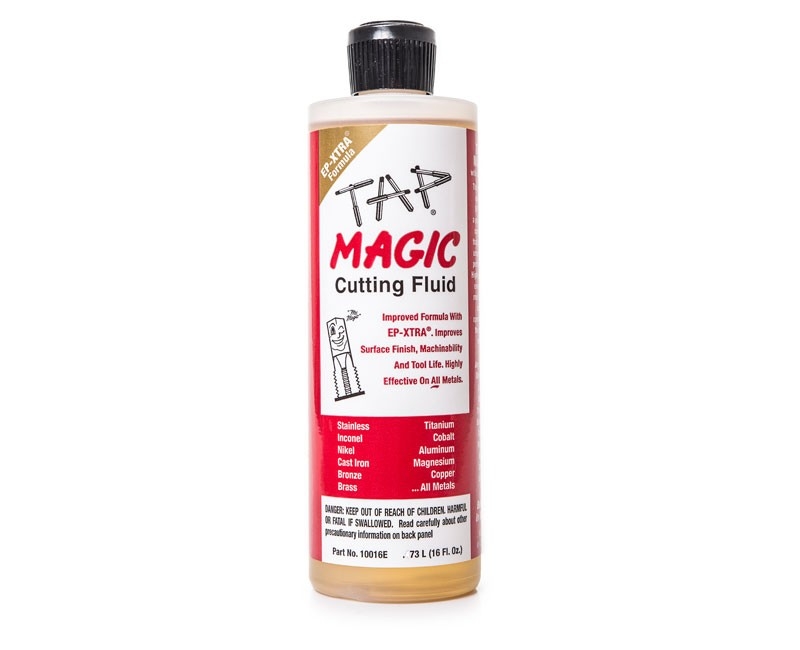
Tap Magic EP-Xtra Cutting Fluid, 16 oz
- Lowers tapping torque and galling
- Protects threads at high % engagement
- Steel and stainless tapping
- Cutting tools / machining catalog
As an Amazon Associate, TestTalkHQ earns from qualifying purchases. All five cards are sourced only from the affiliate CSV with verified product images.
Frequently Asked Questions
My threads keep stripping — is the tap drill too big?
Usually yes. An oversized tap drill leaves too little thread height (low % engagement) and the threads strip. Recompute for 65–75% thread on the calculator and mic the actual drill diameter.
What percent thread should I aim for?
About 65–75% for most work. Below ~60% loses strength; above ~75% adds tapping torque and breakage risk with almost no extra holding power.
Why does my blind hole strip when a through hole is fine?
The percent thread (diameter) is right, but the blind hole needs extra depth for the tap chamfer and chip clearance, plus a spiral-flute tap to pull chips out. Drill deeper and match the tap type.
Do form (roll) taps use the same drill as cut taps?
No. Form taps displace material and need a larger tap drill than cut taps for the same thread. Using the cut-tap size tears the thread or jams the tap.
The tap drill was right but the tap still broke — why?
Drill size is only one cause. Alignment, lubrication, chip packing, speed, and tap style matter too — see Why Is My Tap Breaking? and, for torque limits, Tap Torque Troubleshooting.