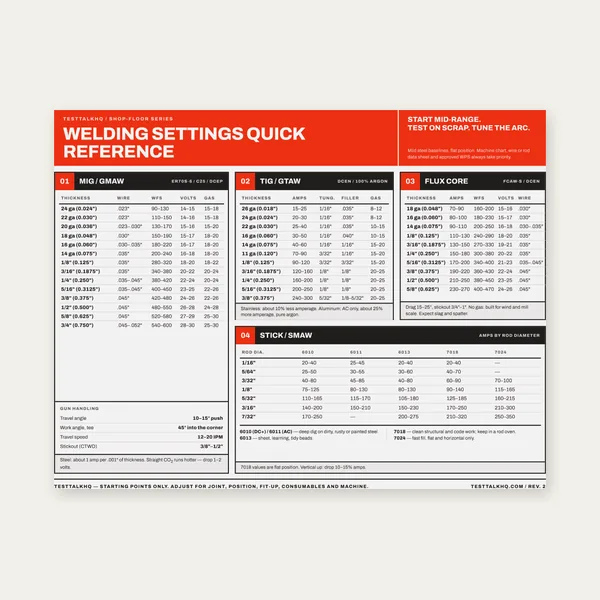
Welding Reference Card
One page. MIG, TIG, stick and flux core settings by thickness.
$3.99
BuyCurrent, Weld Time & Electrode Force by Material & Thickness
One page. MIG, TIG, stick and flux core settings by thickness.
$3.99
Buy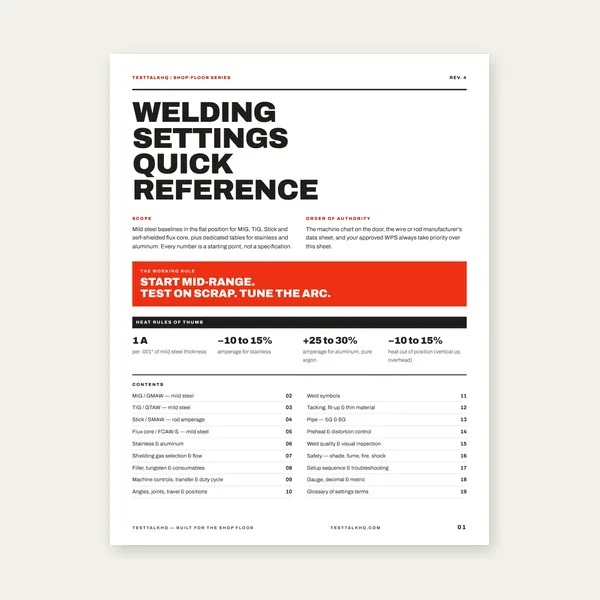
19 pages. Four processes, stainless and aluminum, symbols and inspection.
$12.99
Buy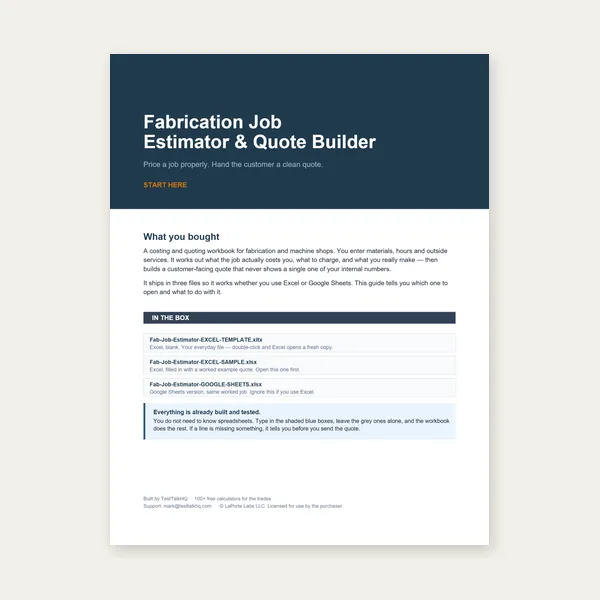
Price the job, then hand over a quote with no internal numbers.
Excel or Google Sheets. Best on a computer.
$29.00
Buy
Card, 19-page guide and the estimator workbook. All six files.
Excel or Google Sheets. Best on a computer.
$34.99
$45.98 if bought separately — save $10.99
BuyCheckout opens in a new tab.
Consumables, PPE, and prep tools for spot welding, MIG repair, and panel work.
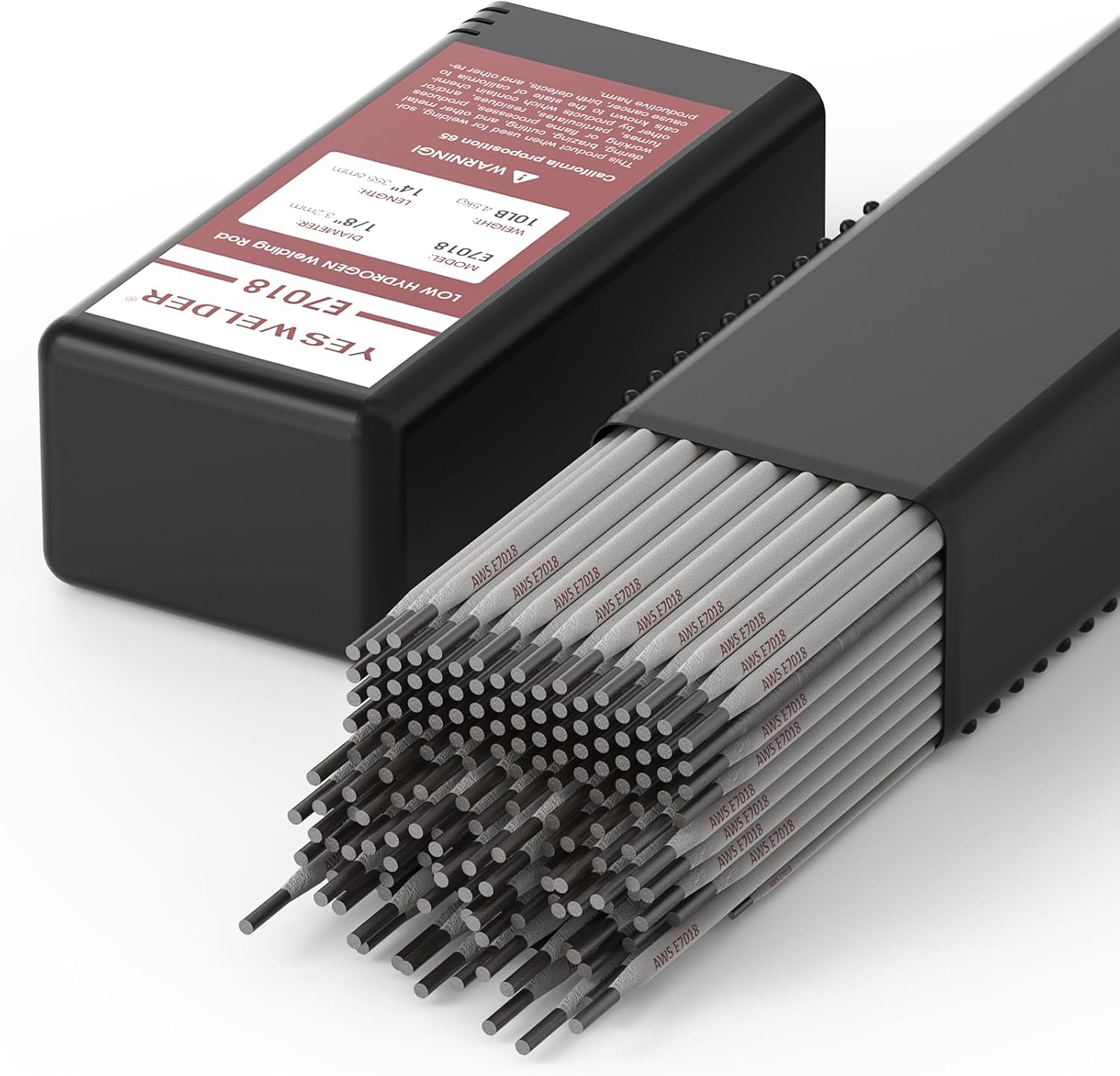
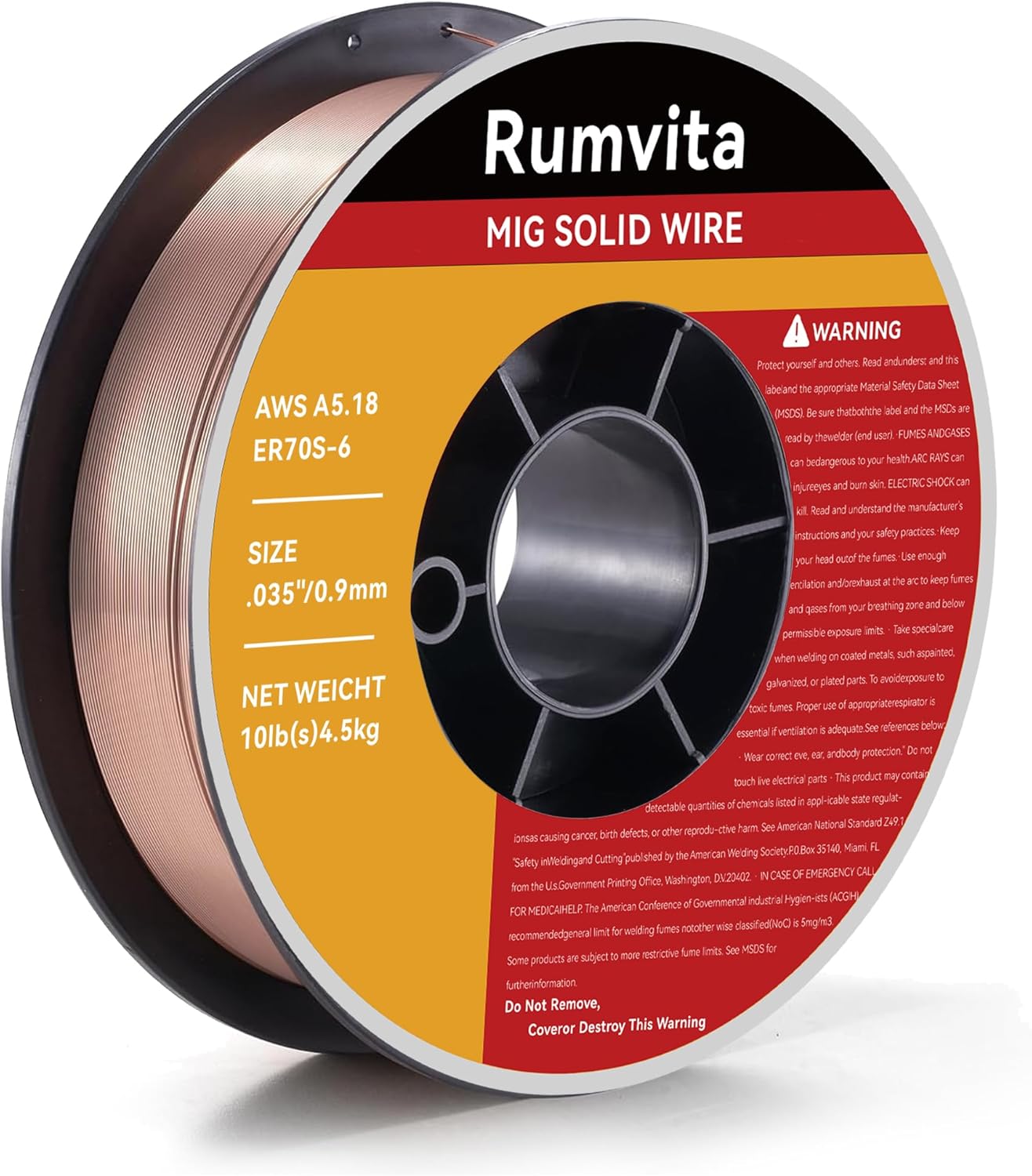
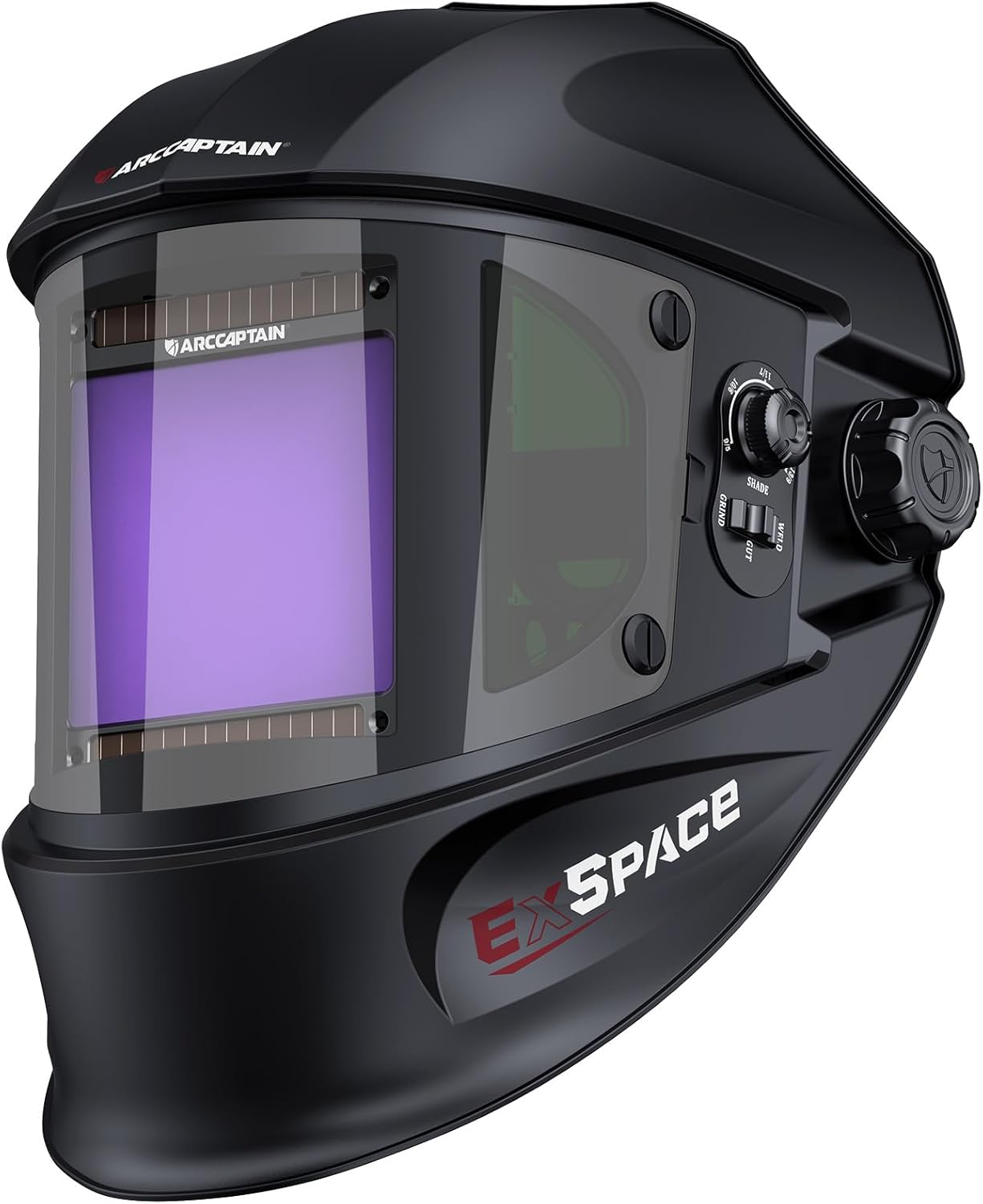
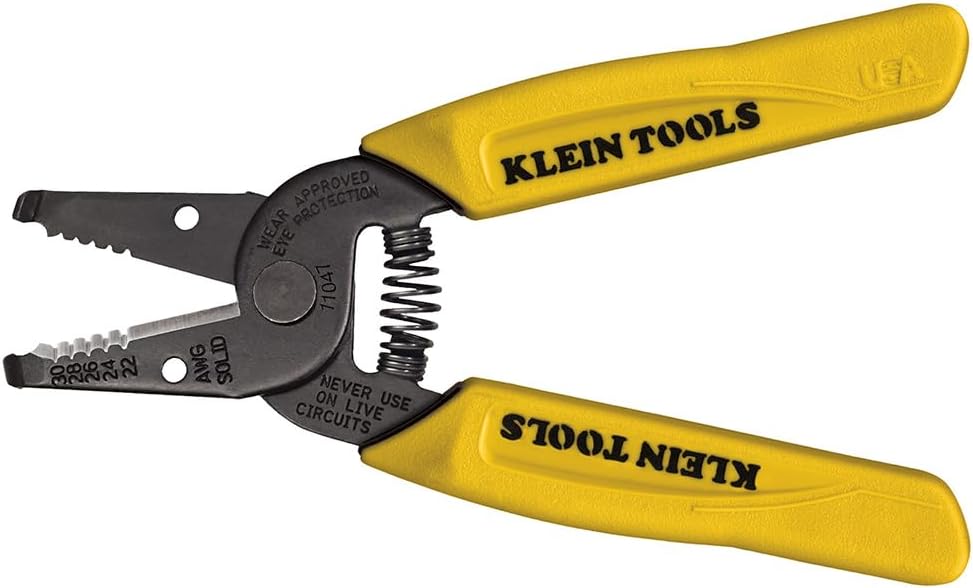
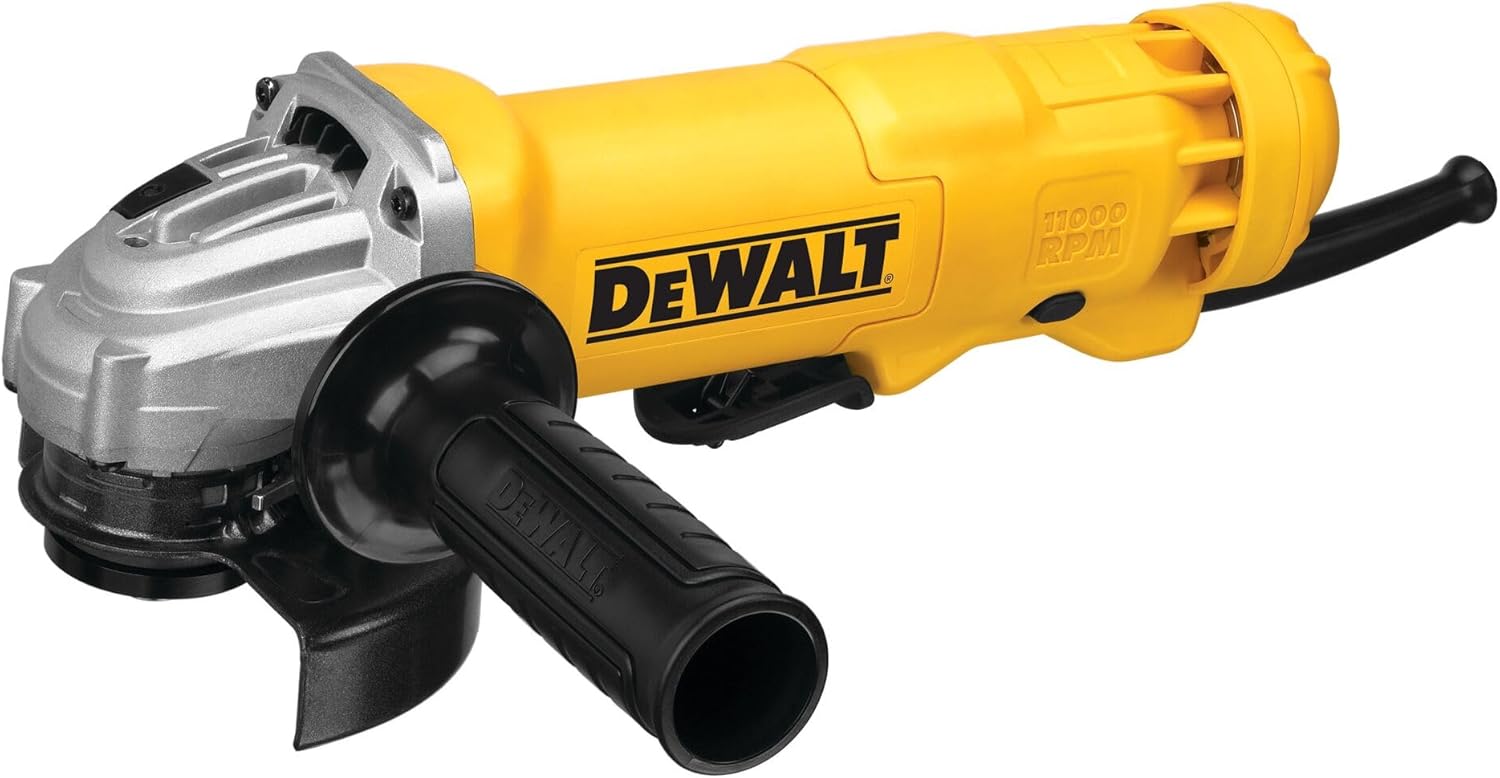
As an Amazon Associate, TestTalkHQ earns from qualifying purchases.
When current flows through the sheet stack, the highest resistance sits at the faying surfaces — where two sheets touch. Heat builds there first, not in the bulk of the metal. As temperature rises, contact resistance drops and current spreads into the sheets, growing the molten zone into a lens shape. The nugget diameter is governed by current density at the interface and how fast heat conducts away into the surrounding metal. On steel, a rule-of-thumb nugget diameter is roughly 4.5 times the square root of thinnest-sheet thickness in millimeters. The electrodes themselves do not melt into the weld — they conduct heat away, which is why tip diameter and water cooling matter. Kill the current too early and you get a cold spot with no fusion. Hold too long and the nugget erupts outward as expulsion. Hold time after the pulse lets the nugget solidify under force before you release — skip it and the joint cracks or sticks.
Zinc melts at 787°F — far below steel fusion temperature. On the first few milliseconds of the pulse, zinc at the faying surface vaporizes and alloys with the copper electrode face. That zinc-copper buildup increases surface resistance unpredictably: early welds may cold-weld, later welds expel as the face condition changes. Electrode faces pit and mushroom faster on galv than on bare steel — sometimes half the dress interval. The weld itself can trap zinc vapor as porosity in the nugget, weakening peel strength. Production shops run dedicated electrodes for galvanized and dress aggressively. In auto body repair, grind sealer and paint from the flange, but you cannot remove all zinc coating — accept shorter tip life and bump current 10–15% over bare steel schedules. Never run cosmetic bare-steel panels with electrodes that have been heavily used on galv without a full dress or replace.
Aluminum conducts heat and electricity about three times better than steel. Current that would produce a 6 mm nugget in 16-gauge steel barely heats 0.063" aluminum — the energy dissipates into the sheets before the interface fuses. You need 2–3× the kA and roughly one-quarter the weld time. Surface oxide adds contact resistance that breaks down unpredictably on the first cycle, so repeatability is worse than steel. Flat-face Class 2 electrodes gall and stick; dome-face Class 1 tips break oxide at point contact and are standard for aluminum spot welding. Even with correct settings, fit-up matters more — a 0.008" gap between sheets can prevent nugget formation entirely because the current path shifts. Many shops MIG or rivet aluminum panels instead of spot welding unless they have dedicated aluminum guns, Class 1 tips, and weld monitoring. If you are spot welding aluminum, treat electrode maintenance as a per-shift task, not per-week.
Factory spot welds are made on clean, controlled-gauge stampings with servo guns, closed-loop force, and weld monitoring on every pulse. The OEM schedule is tuned for that exact stack and coating — you cannot always copy those settings on a repair gun. Collision repair hits mixed gauges, structural adhesive between panels, and access limitations. Adhesive in the joint path requires higher current and longer time than a dry stack, or the adhesive insulates the faying surface. High-strength steel (HSS) and ultra-high-strength steel (UHSS) need lower heat input than mild steel at the same gauge — too much current embrittles the HAZ. Match weld count and spacing to the factory pattern when possible; minimum 3× nugget diameter between centers still applies. Destructive peel tests on scrap flanges beat guessing. When spot access fails, plug welds with a MIG or structural rivets are valid repair methods — the goal is restored strength, not identical process.