Solar Circuit Sizing Troubleshooting
When NEC 690 wire/breaker math looked right but the AHJ flags ampacity, VD is high, fuses nuisance-trip, or the array still underperforms
Run this when the Solar Panel Circuit Sizing Calculator output looked green but the install still fails inspection, heats conductors, or loses voltage on long DC runs. For step-by-step NEC 690 sizing, use How to Size Solar Panel Wiring (NEC 690). Quick Isc→continuous and OCPD tables live on the Solar Panel Circuit Sizing Chart. This page stays on field diagnosis.

PV Circuit Failures Quick Answer
Most "the calculator said 10 AWG was fine" surprises come from using Imp instead of Isc, skipping temperature/bundling derates, treating 125% as optional, blaming the inverter when voltage drop is the real loss, or sizing OCPD to load instead of continuous PV current.
| Symptom | What it usually means | First fix | Next tool |
|---|---|---|---|
| AHJ rejects wire that "met" calculator | Calculator ampacity before conditions of use; hot attic/roof derate ignored | Re-run with ambient + bundling; upsize until derated ampacity ≥ continuous | Ampacity Derating |
| String fuse trips on clear sunny days | OCPD undersized vs Isc×1.25, or wrong series fuse rating | Confirm module series fuse rating and continuous current; match listed OCPD | Sizing Chart |
| Inverter clips / low production on long run | DC voltage drop or Voc/string count issue — not always "bad panels" | Measure VD under load; upsize conductors or shorten path | Voltage Drop Calculator |
| Wire sized on Imp, still heats | Used operating current instead of Isc-based continuous current | Restart from datasheet Isc × 1.25 (and edition rules) | Solar Calculator |
| Upgrade OK on paper, old wire left in place | More parallel strings raised current; existing home-run never rechecked | Recalculate total array Isc after every string-count change | NEC 690 Guide |
1. Sized From Imp — Continuous Current Underrates the Circuit
What it looks like: Wire and breaker look fine for "nameplate operating current." Conductors run warm, fuses open on bright days, or the AHJ asks for Isc-based calcs you never documented.
Likely causes: Imp is the current at maximum power point under STC — useful for production estimates, not for NEC 690 continuous-current conductor sizing. Fault and continuous planning start from Isc (short-circuit current) with the applicable 125% factor(s) for your code edition.
Fixes: Pull Isc from the module datasheet. Re-run the Solar Panel Circuit Sizing Calculator and cross-check the sizing chart Isc→continuous table. Document Isc on the one-line.
2. Calculator Ampacity OK — Derated Ampacity Fails on the Roof
What it looks like: Table 310.16 ampacity clears continuous current in the calculator. Inspection or a peer review fails after ambient correction and more than three current-carrying conductors.
Likely causes: Educational PV calculators often select the smallest AWG that meets base ampacity. Rooftop conduits, attics, and bundled DC strings routinely cut allowable ampacity. The worked example in the NEC 690 guide shows 10 AWG passing before temp correction and failing after — that pattern is common in the field.
Fixes: Take the candidate AWG into the Wire Ampacity & Derating Calculator. Upsize until derated ampacity ≥ required continuous current. Re-check terminal temperature limits on inverters and combiners.
3. Breaker/Fuse Trips or AHJ Rejects OCPD
What it looks like: Series fuses open on clear afternoons, or the inspector rejects a breaker that was rounded to the next size without checking module series-fuse ratings and continuous current.
Likely causes: OCPD below continuous current; device not listed for the DC application; series fuse larger than the module's maximum series fuse rating; treating AC branch-breaker habits as PV DC rules.
Fixes: Continuous current first, then next standard size per 240.6 — and verify 690.9 / manufacturer series-fuse limits. Use the chart's OCPD neighborhoods as a starting map, then confirm listed equipment. Guide walkthrough: NEC 690 wiring guide.
4. "Bad Production" That Is Really DC Voltage Drop
What it looks like: Array underperforms on long home-runs. Inverter input voltage sags under load. Crew blames modules or shading first.
Likely causes: Conductor sized only for ampacity, not for %VD at operating current over the real length (out and back). Thin wire on a long DC path can pass ampacity and still lose several percent of voltage.
Fixes: Measure or calculate VD with the Voltage Drop Calculator. Target roughly ≤3% on DC home-runs when practical. Upsize one AWG even when ampacity already passes. General VD diagnosis: Voltage Drop Troubleshooting.
Need ampacity and VD in one pass? Re-enter run length and material in the solar calculator, then confirm derates separately.
Open Solar Calculator5. Added Parallel Strings — Forgot to Recalculate the Home-Run
What it looks like: Original two-string design was fine. A third string was added later. Combiner-to-inverter conductors and OCPD were never resized. Heat, trips, or inspection findings follow.
Likely causes: Parallel strings add Isc. Source-circuit conductors for each string may still be fine while the combined output circuit is now underrated. Expansion projects often reuse the original home-run out of habit.
Fixes: Total array Isc = module Isc × parallel string count. Recalculate continuous current, OCPD, ampacity (with derates), and VD for the combined path. Do not assume "same wire as before" after any string-count change.
Article 3 SKIPPED — Technique Guide Already Live
No separate decision/technique article for this cluster. Step-by-step NEC 690 wire sizing, string current vs parallel current, temperature correction, PV wire types, and string-voltage limits are already covered in How to Size Solar Panel Wiring (NEC 690).
Chart SKIPPED (already the Chart deliverable): solar-panel-circuit-sizing-chart is a reference-table page (Isc→continuous, OCPD/wire neighborhoods) — same pattern as sheet-metal-gauge-chart — not a prose guide. The companion prose guide is the NEC 690 article above. No second chart is needed.
Recommended Tools Around PV Circuit Checks
Five CSV catalog picks with verified Product Image URLs — meters, voltage check, and circuit materials used on solar upgrades.

Klein Tools CL800 Digital Clamp Meter 1000V
- True-RMS clamp for current checks
- Useful on service/AC side verification
- CAT-rated tool for distribution work
- Electrical catalog
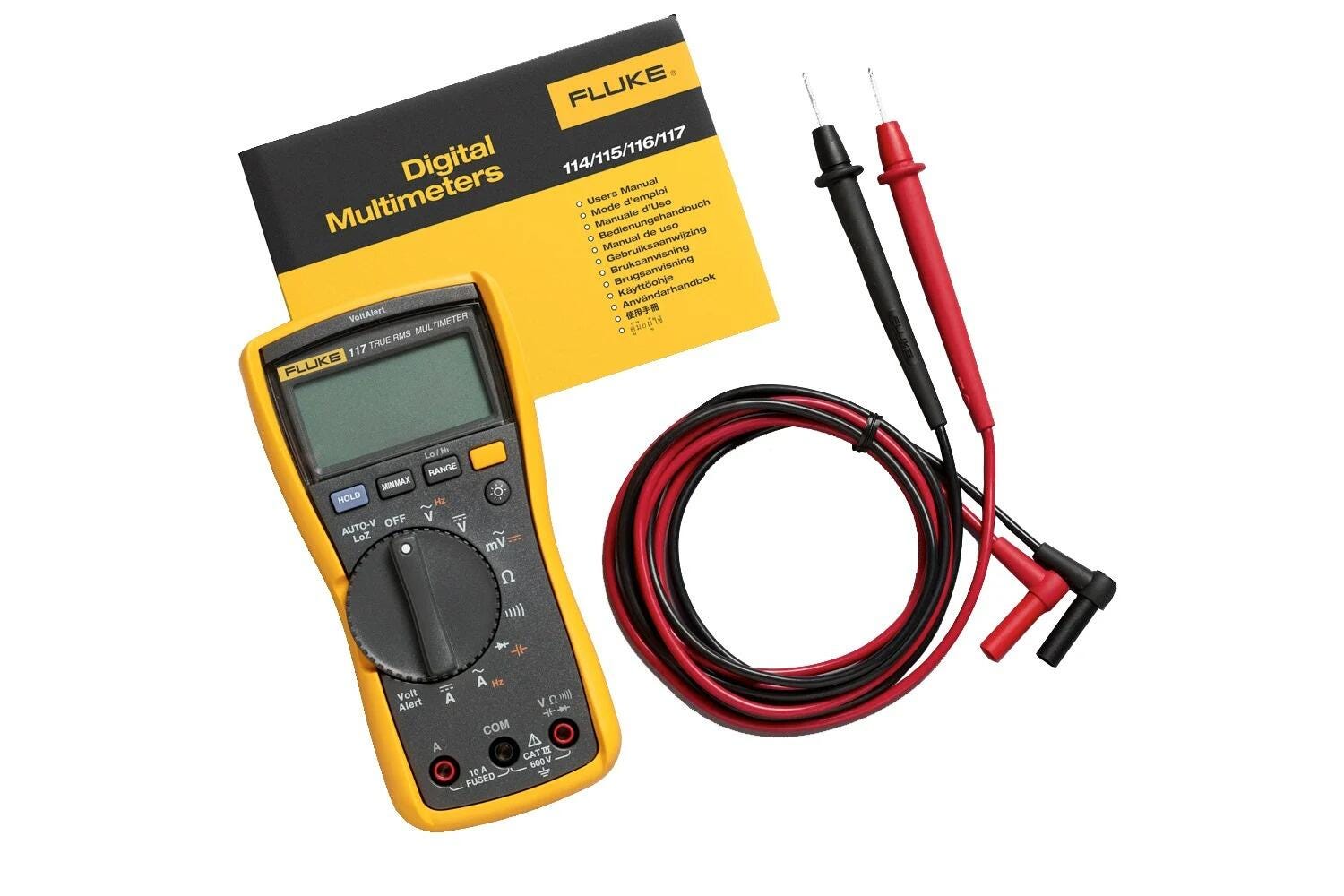
Fluke 117 Digital Multimeter Non-Contact AC Voltage
- Voltage verification before panel work
- Non-contact AC detection built in
- Standard electrician DMM
- Electrical catalog
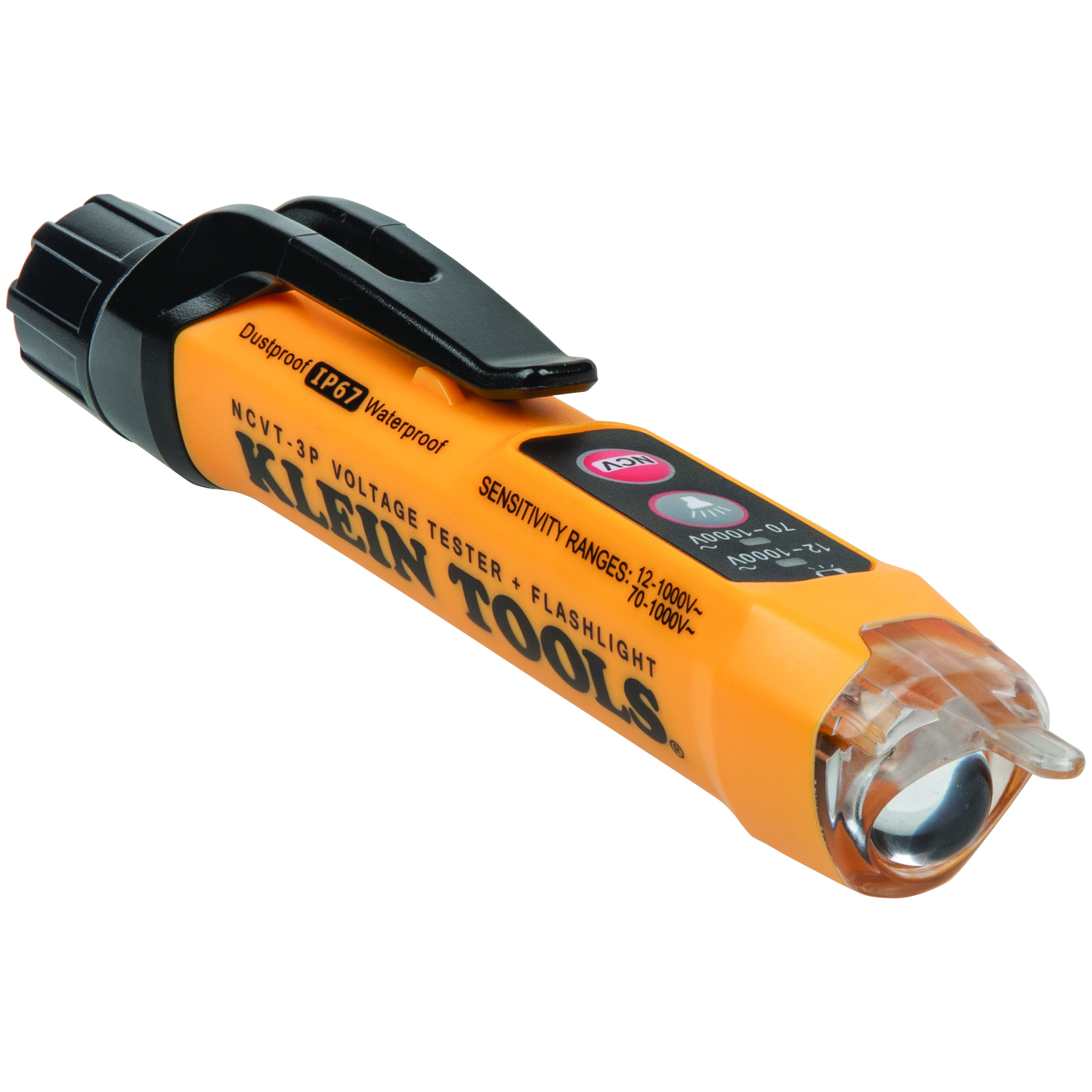
Klein Tools NCVT3P Dual Range Non-Contact Voltage Tester
- Quick live/dead check before opening gear
- Dual-range sensitivity
- Pocket tester for install crews
- Electrical catalog
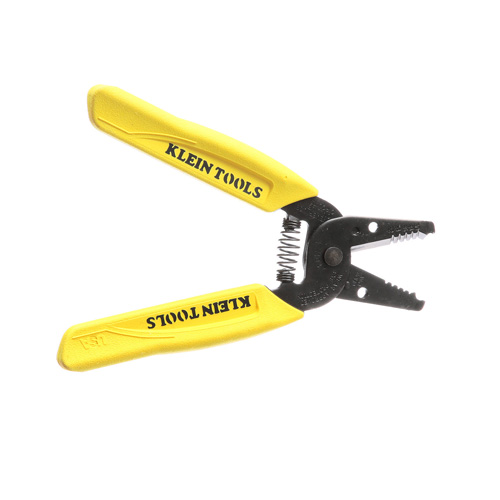
Klein Tools 11047 Wire Stripper/Cutter Made in USA
- Clean strips when upsizing home-runs
- Everyday Cu conductor prep
- Shop standard stripper
- Electrical catalog

Square D QO120 Miniature Circuit Breaker 20A
- Common OCPD form factor for AC side work
- Verify listing/AIC for the application
- Panel schedule companion
- Electrical catalog
As an Amazon Associate, TestTalkHQ earns from qualifying purchases. All five cards are sourced only from the affiliate CSV with verified product images. Catalog gaps flagged by name: (1) no PV-rated USE-2 / PV wire spool with verified image; (2) no MC4 connector kit with verified image; (3) no listed PV series fuse kit with verified image. Highest-priority solar-catalog fills.
Frequently Asked Questions
Can I size PV conductors from Imp?
No for NEC continuous-current conductor planning. Start from datasheet Isc and apply the applicable 690.8 factor(s), then derate for conditions of use.
Why did 10 AWG pass the calculator but fail on the roof?
Base Table 310.16 ampacity is not the last step. Temperature and bundling adjustments often force an upsize — see the NEC 690 guide worked example and the ampacity derating calculator.
Is high voltage drop a code ampacity failure?
Not the same rule. Ampacity is about heat and continuous current; VD is performance. Both can fail independently — check each.
Is this the same as the NEC 690 guide?
No. The guide teaches the sizing process. This page diagnoses failures when the numbers already looked acceptable.
Do I need a new chart if solar-panel-circuit-sizing-chart exists?
No. That slug is already the reference-table Chart deliverable. Use it for quick Isc/OCPD lookups.
General Ampacity Diagnosis
If the conductor, breaker, temperature column, neutral count, or final derated result still disagrees with the field, use Wire Ampacity Troubleshooting. Re-run the numbers with the Wire Ampacity & Derating Calculator and review the method in Wire Ampacity and Derating Explained.