A diagnostic path that works backwards from what the system is doing to what is blocking the thermal movement — and separates those cases from the four problems that only look like expansion
How to work this backwards
The Copper Tube Handbook names three things that happen when a run cannot move: it buckles, it bends, or “severe stresses on the joints” develop. Every genuine expansion fault on a copper system is one of those three, and each one leaves a different signature.
| What you observe | What is happening | Where to look |
|---|---|---|
| Ticking, creaking or a sharp crack on heat-up or cool-down | The tube is sliding in jerks, sticking and releasing | Hangers, plate penetrations, anything the pipe rubs on |
| A visible bow, snake or belly between supports | The run is buckling because the movement is blocked at both ends | The two ends: find the real anchors |
| A weeping or failed joint, usually at an elbow | Stress is landing on the joint instead of on a flexible length | What was supposed to flex, and why it is not |
| A groove, flat or shiny wear mark worn into the tube | Movement is happening, but through something that grips | The strap or hook at that exact point |
Work the symptom to the signature, then the signature to the constraint. The twelve cases below are in rough order of how often they turn up.
Cases 1 to 4: noise and movement you can hear
1. Ticking inside a wall or ceiling when the hot water runs
Classic stick-slip. The tube is expanding against something with friction — usually a hole through a stud plate that is the same size as the pipe, or a nail plate, or a joist notch. It builds up load, overcomes the friction, jumps a fraction of a millimetre, and you hear it. It is not dangerous on its own, but it is telling you the movement is being resisted rather than accommodated, and the same friction point is where a stress crack will eventually start.
Fix: enlarge the penetration and sleeve it, or line it with a plastic isolator so the tube slides instead of grabbing. Do not pack it tight to silence it — that converts a noise into an accidental anchor.
2. One sharp bang a minute or two after a draw-off stops
Thermal, not hydraulic. Water hammer happens at the instant a valve closes; this happens on the delay, as the line heats through or cools down and one stuck section finally releases. If the bang reliably comes after the tap is shut rather than as it shuts, look for a single hard constraint rather than a valve.
3. A hot run visibly bowed between two hangers
This is the buckle the handbook warns about, and it means both ends of that length are genuinely fixed. Measure the run between the fixings and work out the movement: a 40-foot ¾ in run on a 70°F swing grows about 0.316 in, and if there is nowhere for that to go it appears as a bow. The bow itself is doing the job a loop should have done, in an uncontrolled way, and it is bending the tube at the two end fittings every cycle.
4. A groove or flat worn into the tube at a strap
Movement is occurring and the strap is resisting it. This one is useful diagnostically: the wear mark tells you both that the tube moves and roughly how far, because the length of the scar is the travel. It also means the wall is being worn thin at a point of bending stress, which is a failure waiting for a cold morning.
Cases 5 to 8: the joint failures
5. An elbow weeping on the hot line while the identical cold elbow holds
The cold line has a far smaller temperature swing, so it moves far less. If the hot and cold runs are the same length and supported identically and only the hot one fails, the variable that differs is the movement. This is the single most common genuine expansion failure in a dwelling.
6. A recirculation return failing where the branch beside it never does
Two reasons stack up. A return runs near supply temperature continuously rather than for a few minutes a day, so its swing is larger and it is often sitting in a colder unheated space, widening the swing further. And it cycles far more often: thousands of heat-up and cool-down cycles a year against a few hundred for a branch. Same pipe, same solder, very different duty.
7. A failure that started right after a remodel, on a run that was fine for twenty years
Somebody added a fixing. A new strap, a pipe boxed in, a hole packed with foam, a bracket for something unrelated — any of them can turn one long run into two short ones with a new accidental anchor in the middle, and move all the stress onto a joint that never carried it before. Ask what changed and where, not what is wrong with the joint.
8. A joint that fails after brazing work nearby
Two mechanisms, worth keeping apart. Brazing anneals hard drawn tube in the heat affected zone, which lowers the pressure rating of the tube there — a pressure rating matter rather than a movement one. But a brazed or soldered repair also often adds a fitting, and sometimes a clamp to hold things while the joint is made, and the clamp gets left on. Check for both.
Any trade

Contractor Job Estimator
Price remodels and GC work, then send a quote with no internal numbers.
Excel or Google Sheets. Best on a computer.
$29.00
BuyCheckout opens in a new tab.
The two inputs people guess, and the tools that stop them guessing
Of the four things that set the movement, two are temperatures, and on most jobs both are assumed rather than measured. An assumed 140°F against an actual 180°F is a third more movement, which is a third more loop. These are the instruments that replace the assumption, and the tools for the physical half of the work.
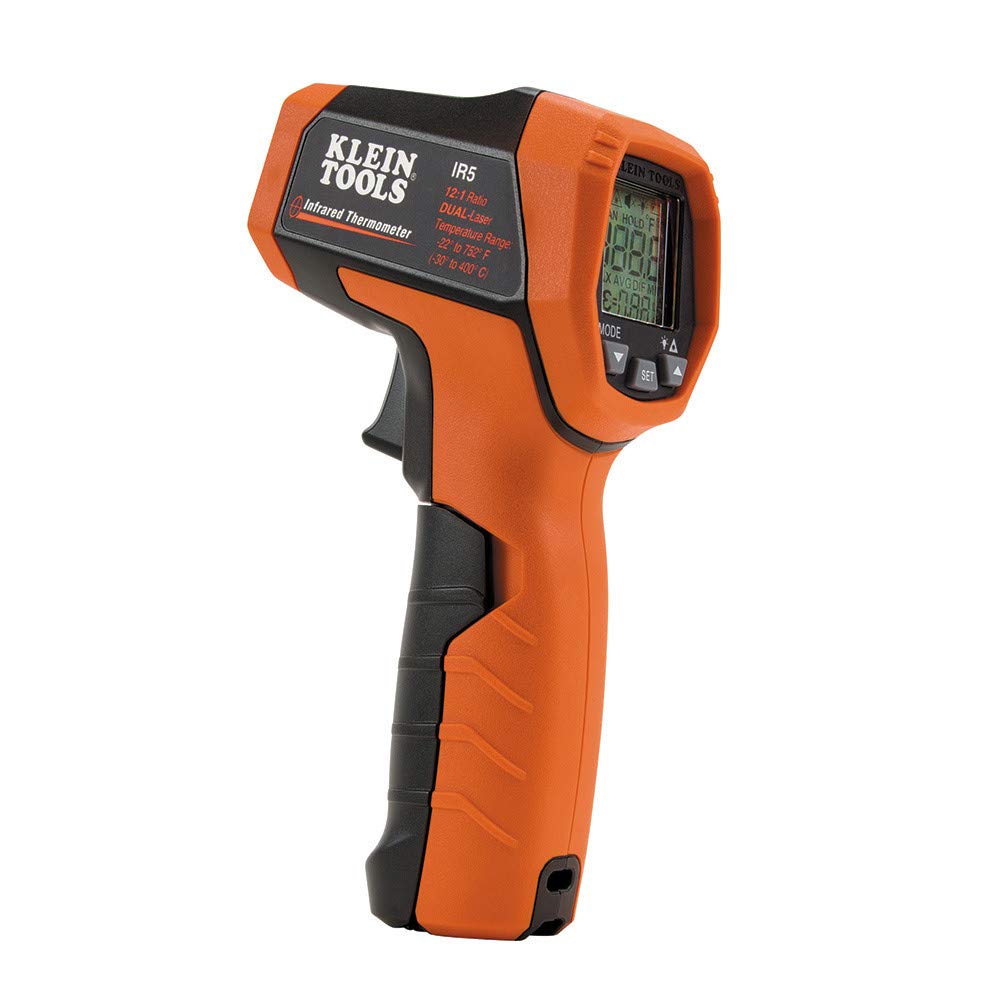
Klein Tools IR5 Dual‑Laser Infrared Thermometer
- Reads the tube surface, which is the number the calculation wants
- Dual laser frames the spot, so you measure pipe and not insulation
- Catches the case people miss: a recirculation return near supply temperature all day
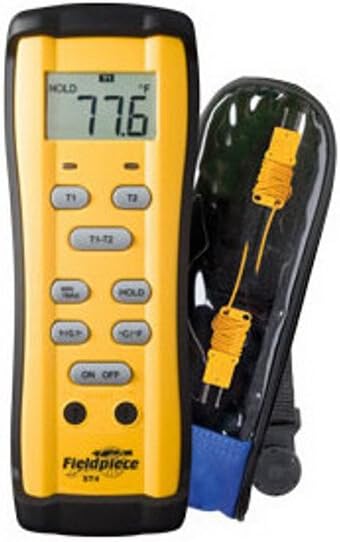
Fieldpiece ST4 Dual Temperature Meter
- Two clamp probes give the real swing across a run, not one snapshot
- Log the cold start and the hot running condition on the same line
- The honest way to replace an assumed 70°F installation temperature
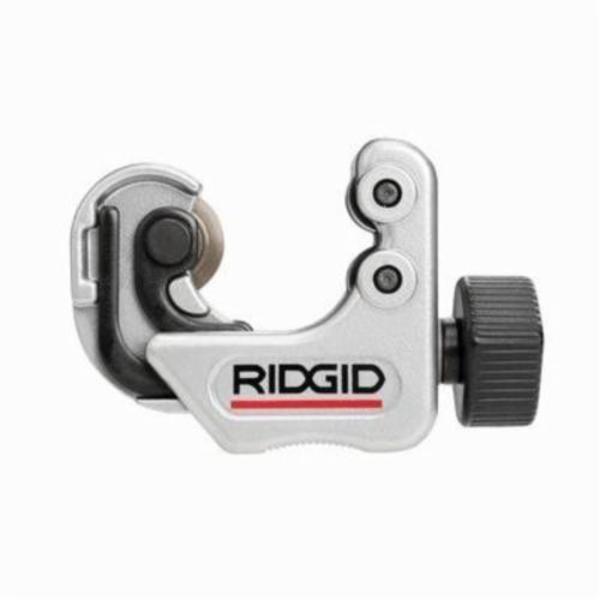
RIDGID 32573 Model 118 Close‑Quarters Tubing Cutter
- Square cuts on the legs of an offset, in the joist bay where it has to go
- Built-in reamer, because a burr inside a bend is a velocity problem later
- Close-quarters body for the tight retrofit a loop always turns into
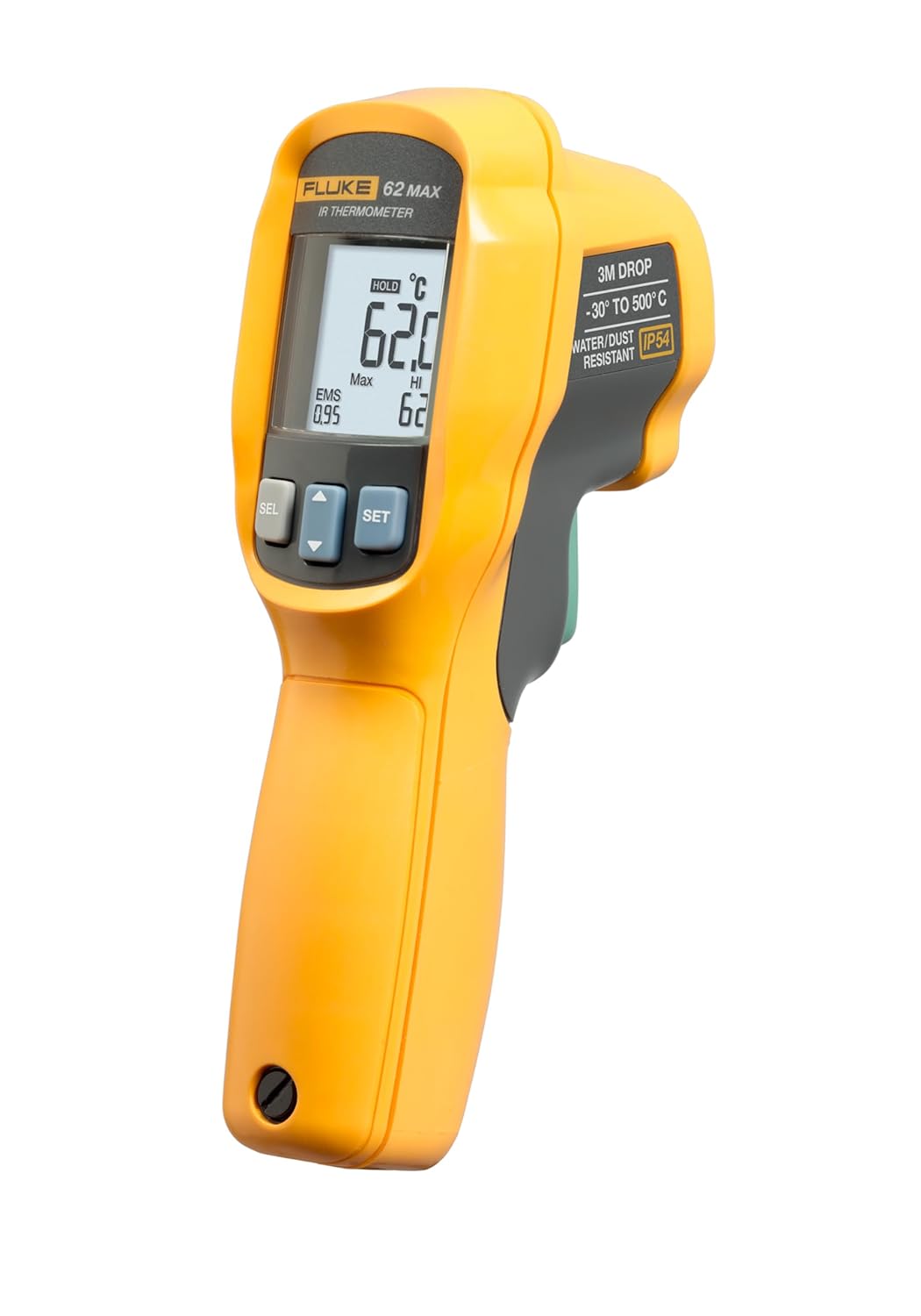
Fluke 62 Max Industrial Infrared Thermometer
- Range and accuracy for the 180°F+ mains where movement gets serious
- Drop rated for the plant room rather than the job box
- Narrow spot ratio, so you read the tube and not the lagging beside it
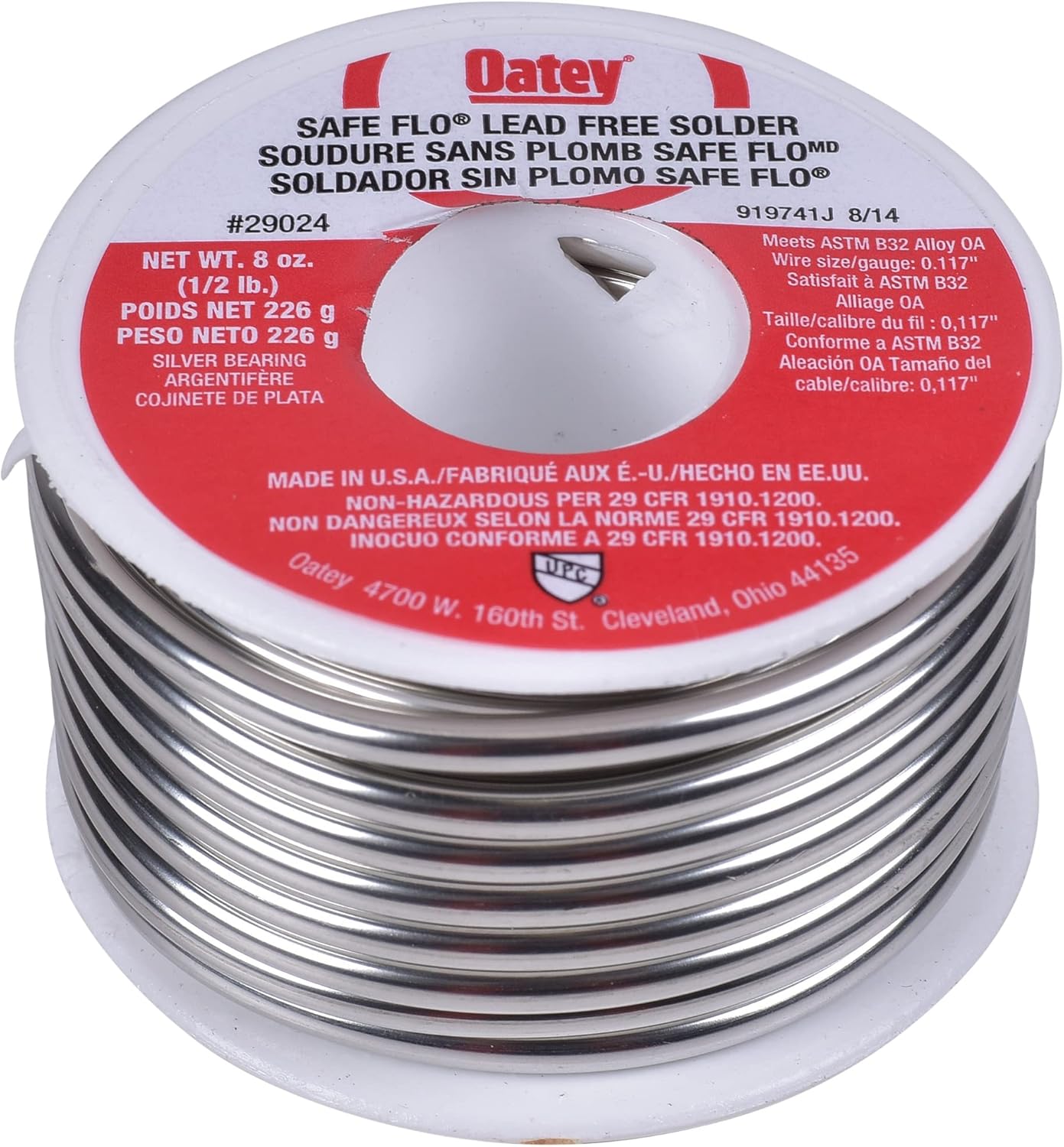
Oatey 29024 Safe‑Flo Lead‑Free Solder
- Lead-free, for the elbows an offset adds to a potable line
- Fewer and better joints inside a loop: every one is a stress riser
- The alloy the published potable joint ratings assume
As an Amazon Associate, TestTalkHQ earns from qualifying purchases. Prices and availability can change.
Cases 9 to 12: the ones that need a tape measure and a thermometer
9. A correctly built loop, and the line still fails
Almost always because the movement never reaches it. A loop in the middle of a run does nothing if the tube is pinned either side of it; the growth concentrates at the pin. Walk the run from anchor to anchor and check every single support for grip. A loop is a component in a system that includes two real anchors and a set of guides that genuinely slide, and all three parts have to be right.
10. Noise or failure only on cool-down, never on heat-up
Contraction is the same movement in the other direction and it is just as capable of pulling a joint apart as expansion is of pushing one. Systems that only run in winter, or that get shut down over a holiday, cycle through a bigger range than their everyday operation suggests. Work the calculation from the coldest the tube will ever be, not from the installed room temperature, if the system can sit cold in an unheated space.
11. A run that fails after insulation is added
Insulation does not cause expansion, but it changes two things. The tube now reaches and holds a higher temperature because it is losing less heat, so the real swing goes up. And badly fitted lagging compressed hard into a penetration or a hanger adds friction exactly where the tube needs to slide. Measure the surface temperature after the insulation goes on rather than before.
12. An outdoor or unheated run that moves far more than the design said
Because the design used 70°F as the cold condition. A line in an unheated crawl space, an attic, a loading bay or a plant room with the doors open starts much colder, and the swing is the difference between the real extremes. Note too that the CDA coefficient of 0.0000094 in/in/°F is published as an average “between 70°F and 212°F” — below 70°F you are extending a figure past the range it was averaged over, so treat the result as indicative and leave extra room.
Four problems that look like expansion and are not
| Symptom | Why it is not expansion | What it actually is |
|---|---|---|
| Bang at the exact moment a valve or solenoid shuts | Instantaneous, tied to the valve rather than to temperature | Water hammer. A quick-closing appliance solenoid is the usual culprit; an arrestor and velocity are the answer. |
| Pressure climbing overnight with nothing running, relief valve weeping | No movement involved at all | Thermal expansion of trapped water in a closed system — see the expansion tank sizing calculator. |
| Pinholes on the inside of elbows, blue-green staining, thin walls | Wears from the inside; unrelated to length change | Erosion-corrosion from excessive velocity. The handbook’s velocity limits and pipe sizing are the fix. |
| Split along a straight length after a cold snap, often a clean longitudinal tear | Ice expands against a closed volume; movement along the pipe is irrelevant | Freezing. Heat, insulation and drainage, not a loop. |
A measuring procedure that settles it
Three steps, in this order, and you will usually have the answer inside half an hour.
- Get the real temperatures. Surface-read the tube cold and then with the system at full operating condition. This is the step that most often changes the conclusion, because the assumed swing and the real one are routinely 30 or 40°F apart on recirculation and hydronic work.
- Find the two anchors. Walk the run and mark every point that could stop the tube lengthways, not just the ones meant to. Penetrations the same size as the pipe, tight straps, boxed-in sections, grouted passes, fittings bearing on timber. The distance between the first and last of them — not the length of the system — is the run length the calculation needs.
- Do the arithmetic and compare it to what you can see. Movement in inches is ΔT × run in feet × 12 × 0.0000094. If the number comes out near or above the travel the layout can absorb, you have confirmed an expansion problem rather than guessed at one. Put the numbers through the expansion loop calculator and it will also tell you the developed length required to fix it.
When it stops being a repair
Re-soldering the joint that failed will buy you time and nothing else, because the joint was the symptom. Treat it as a design problem rather than a repair when any of these is true:
- The same fitting, or the equivalent fitting on a parallel run, has failed more than once.
- The calculated movement between the real anchors is larger than anything in the layout can absorb.
- The run is long, hot and continuously circulated — the combination that puts the most cycles through the most movement.
- The size is 1¼ in or above, where the loop lengths get big enough that where you place the anchors genuinely changes the design.
At that point the job is to choose the anchor positions deliberately, work out the movement for each resulting section, and then pick the hardware — which is the subject of loop, offset, expansion joint or swing arm. The full method, with worked runs, is in the copper expansion loops guide.