Conduit Fill Troubleshooting
Wires that will not pull despite a passing fill %, inspector rejects, jam in bends, nipple vs long-run rule mix-ups, and adds to conduit that is already occupied
Conduit Fill Explained teaches Chapter 9 math. This page diagnoses failures after the spreadsheet said “pass.” Recheck numbers with the Conduit Fill Calculator only after you know which fault mode you are in.

Conduit Fill Problems — Quick Answer
Use this when fill math and field reality disagree — not when you still need the Table 1/4/5 method.
| Problem | What it usually means | First fix | Next tool |
|---|---|---|---|
| Fill % passes — wires will not pull | Bend accumulation / friction, wrong jacket OD assumption, >360° of bends | Count degrees of bend; plan intermediate pull points or upsize; verify insulation column | Upsize vs split |
| Inspector rejects a “passing” calc | Missed EGCs, mixed sizes wrong, wrong raceway Table 4 column | Recount every conductor; re-sum Table 5 areas; match conduit type | Calculator |
| Fill OK — pull still jams mid-run | Jam-ratio geometry, tight bends, no lube, excessive tension | Check jam warning; slow pull; add approved wire lube; reduce bundle | Guide |
| Nipple 60% used on a long run | Note 4 misapplied beyond ≤24″ true nipples | Reapply 40%/31%/53% for the actual length | Calculator |
| Adding to existing conduit “looks empty” | Eyeball freeboard; existing conductors omitted from the sum | Inventory what is already pulled; re-sum existing + new | Wire Fill Calculator |
1. Wires Will Not Pull Despite Fill Passing
What it looks like: Calculator or Annex C count is under the limit. Fish tape hangs. Bundle stops at a bend. Jacket scuffs before the far box.
Likely causes:
- Friction and bend accumulation — NEC fill is cross-section, not pull force. Several 90s (especially past ~360° of bends between pull points) turn a legal fill into an impossible pull.
- Wrong jacket / insulation OD assumption — Table 5 column for the wrong insulation, or treating compact/stranded like a different product’s OD.
- Too many bends in one continuous pull — no intermediate box or pull point planned when the run needed one.
Fixes: Map every bend and fitting; add a pull point or split the run before forcing tension. Confirm each conductor’s Table 5 insulation column. If fill is legal but geometry is brutal, upsize or parallel a second conduit — see upsize vs multiple runs. Do not “solve” this by ignoring fill; solve the pull path.
2. Inspector Rejects a Fill Calculation That “Should” Pass
What it looks like: Your sheet shows under 40%. Red tag cites overfill, wrong table, or incomplete conductor list.
Likely causes:
- Wrong conductor count — equipment grounding conductors omitted; “three-wire circuit” treated as three conductors when four are in the pipe.
- Mixed sizes calculated incorrectly — Annex C same-size shortcut used on mixed AWG/insulation; or one average area applied to every wire.
- Wrong conduit type’s fill area — EMT numbers on PVC Sch 80, or RMC confused with IMC Table 4 columns.
Fixes: Rebuild the inventory: every current-carrying conductor, neutral, and EGC. Sum individual Table 5 areas for mixed lists. Match Table 4 to the raceway that is installed. Re-run the calculator with nipple off unless it is a true ≤24″ nipple. Wire-list audits: Wire Fill Guide.
3. Fill Percentage Passes — Pulling Still Fails
What it looks like: Mid-pull lock with three similar conductors; sudden spike in tension; jackets polished or torn at elbows even though % fill looked fine.
Likely causes:
- Conductor stacking / jam-ratio geometry — three same-size conductors with ID/OD in the ~2.8–3.2 jam zone can lock even under 40% fill.
- Insufficient lubricant — dry long pulls through multiple bends.
- Wrong pulling tension / technique for the conductor count — yanking a large bundle instead of staged pulls, or pulling against a sharp unsupported bend.
Fixes: Heed jam-ratio warnings on the calculator. Use a listed wire-pulling lubricant (not generic shop oils — see catalog note below). Slow the pull; keep the bundle organized; consider upsizing when jam risk and bend count stack. Method context: guide jam-ratio section.
4. Nipple (Short Run) vs Long Run Fill Rule Confusion
What it looks like: Sheet uses 60% fill on a 10-foot stick labeled “nipple,” or someone argues a short stub between boxes is always 60% regardless of length.
Likely causes: Misreading Chapter 9 Table 1 Note 4 — the 60% allowance is for true conduit nipples ≤24″ between enclosures, not every “short” run. Long raceways keep 53%/31%/40%.
Fixes: Measure nipple length. If over 24″ or conductors are not terminated at both ends as a nipple, drop back to standard Table 1 percentages and recalculate. Toggle nipple only when it truly applies in the calculator.
5. Adding Conductors to Existing Conduit
What it looks like: “Plenty of room left” by eye. New circuit jammed; insulation damaged; or inspector fails the add because existing wires were never counted.
Likely causes: Eyeballing freeboard; summing only the new conductors; forgetting existing EGCs; mixing insulation types without Table 5 columns.
Fixes: Inventory every conductor already in the pipe. Sum existing + proposed areas against Table 4 for that raceway. If over limit, do not force the add — upsize, parallel another conduit, or remove unused conductors first. Dedicated audit tool: Wire Fill Calculator.
Decision: Upsize One Conduit or Run Multiple?
When fill or pull difficulty forces a capacity change, the fork is larger trade size vs a second parallel raceway — cost, space, future circuits, and derating differ.
Pull, Conductor & Raceway Tools
Five CSV-sourced picks for fill diagnosis and pulls. Wire-pulling lubricant and dedicated conduit reamers are a catalog gap — flagged below.
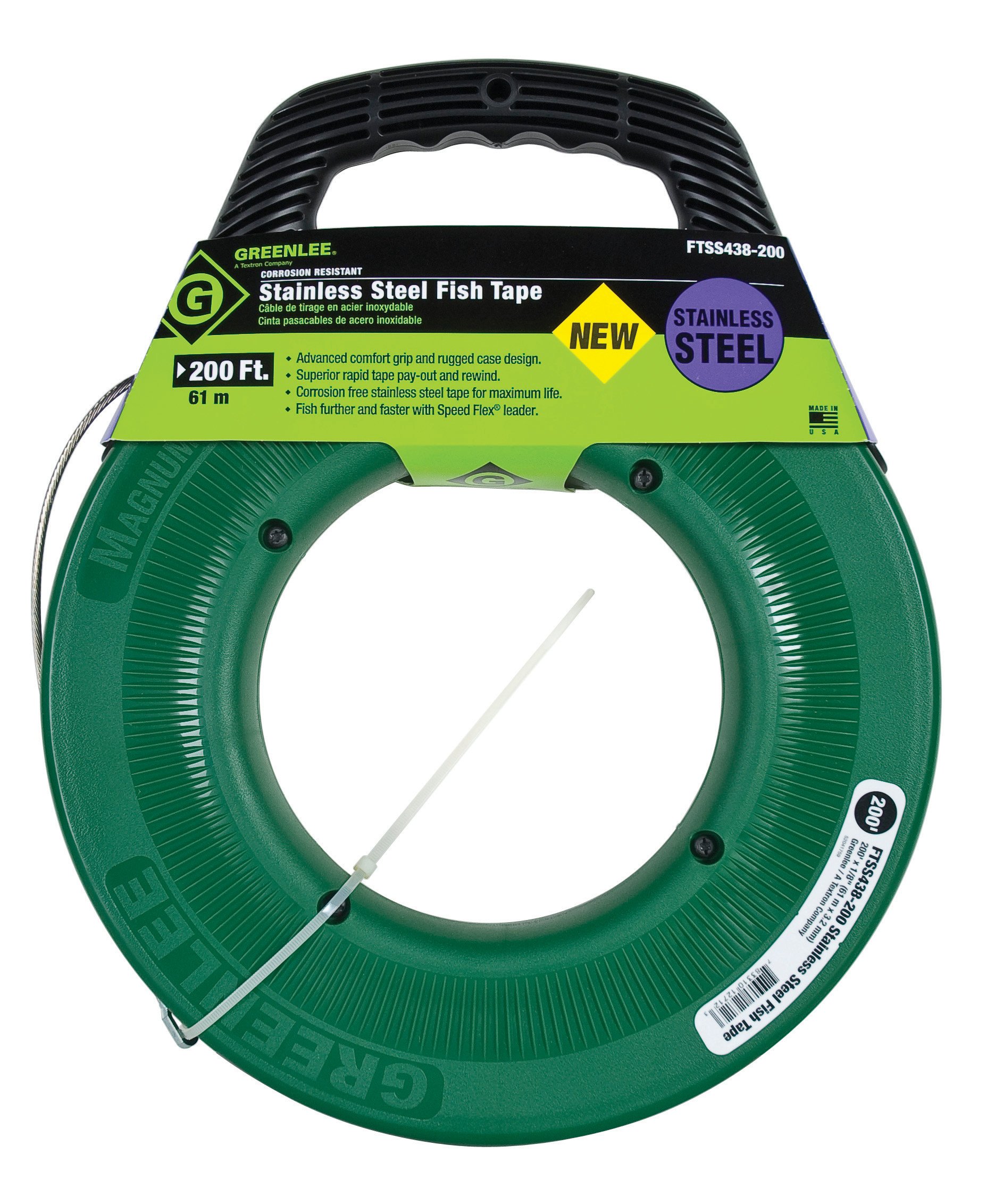
Greenlee FTSS438-200 Stainless Steel Fish Tape 200ft
- Long pulls when fill passes but the path is hard
- Useful staging intermediate pulls on bent runs
- Do not force past a jam — fix capacity first
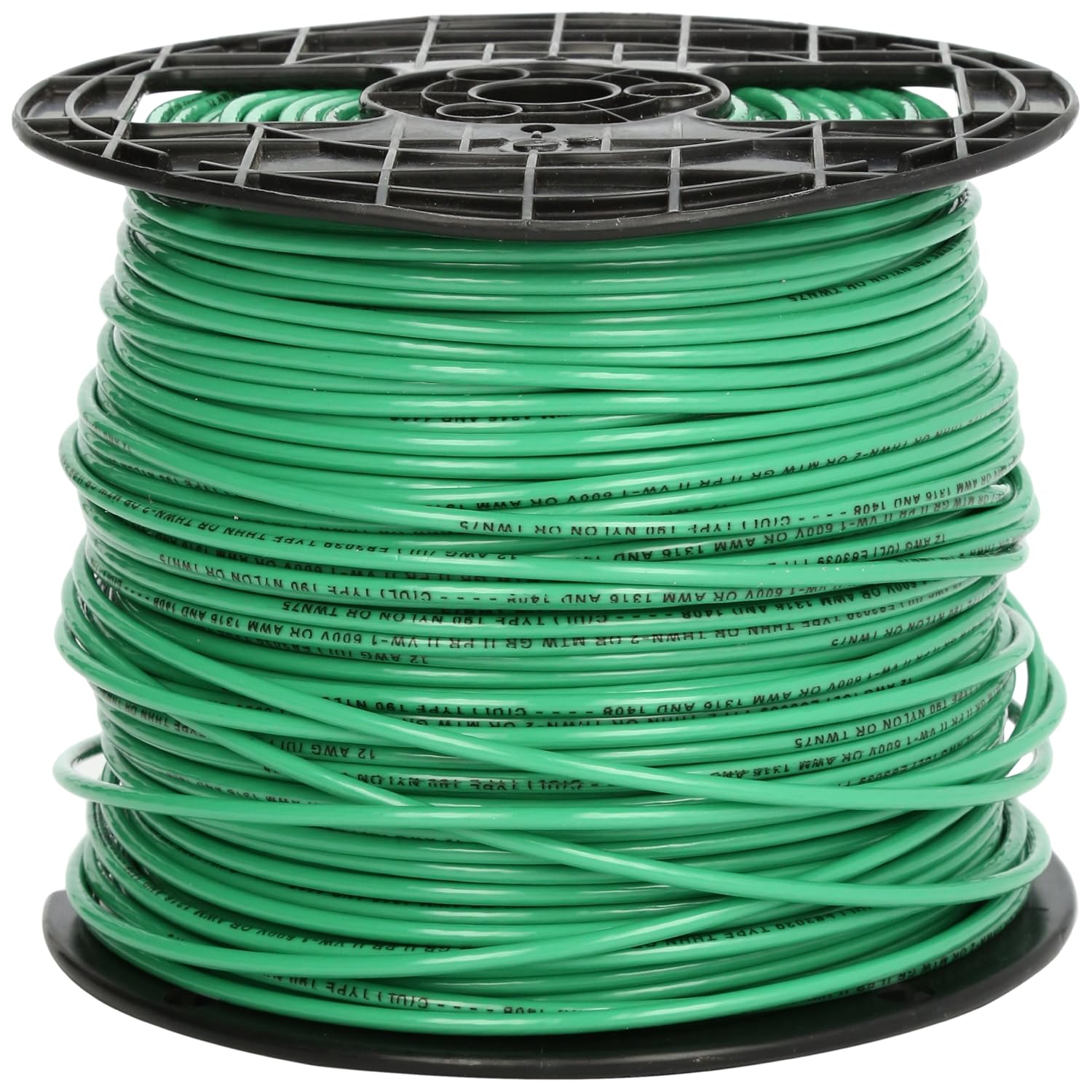
Southwire 22968201 Stranded THHN 12 Gauge 500ft
- Match Table 5 THHN column — not bare copper OD
- Stranded pulls easier than solid at the same fill %
- Recount when adding to occupied conduit
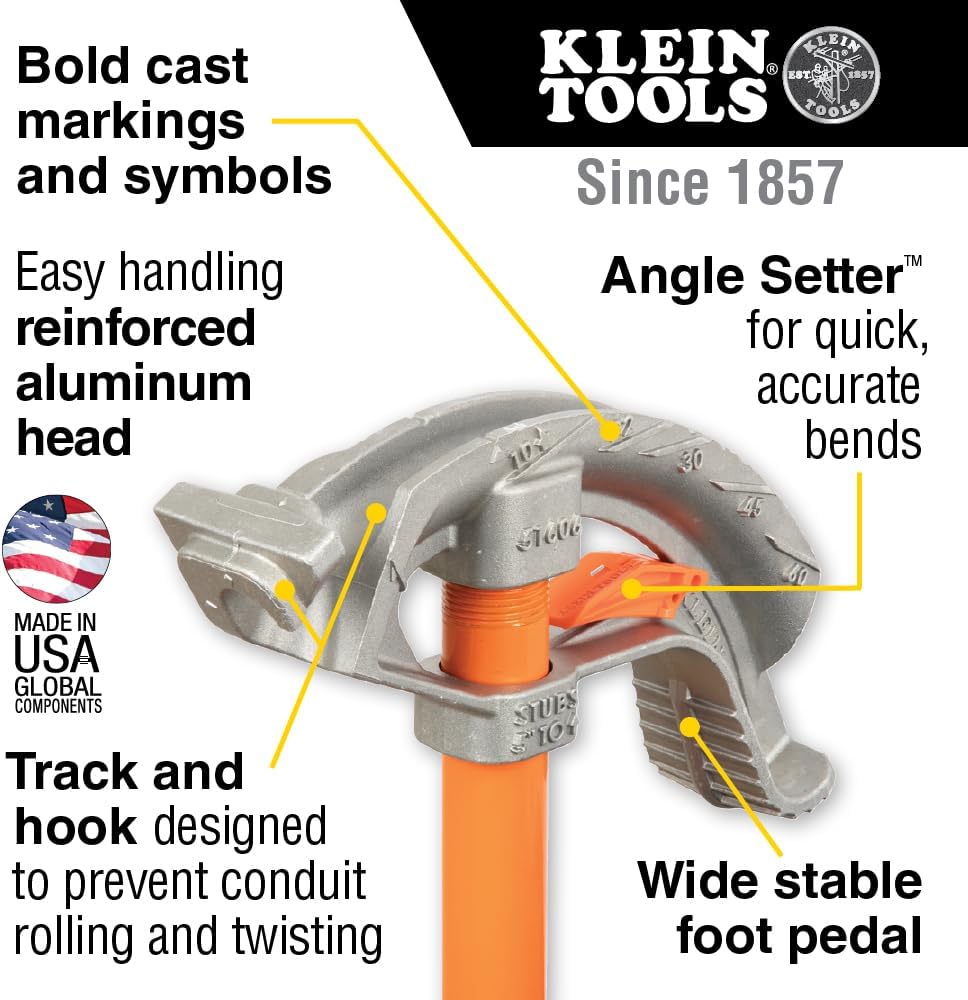
Klein Tools 51606 Aluminum Conduit Bender 1/2-Inch EMT
- Bend count drives pull difficulty — not just fill %
- Plan offsets/saddles before packing to 40%
- Pairs with fill sizing, then layout
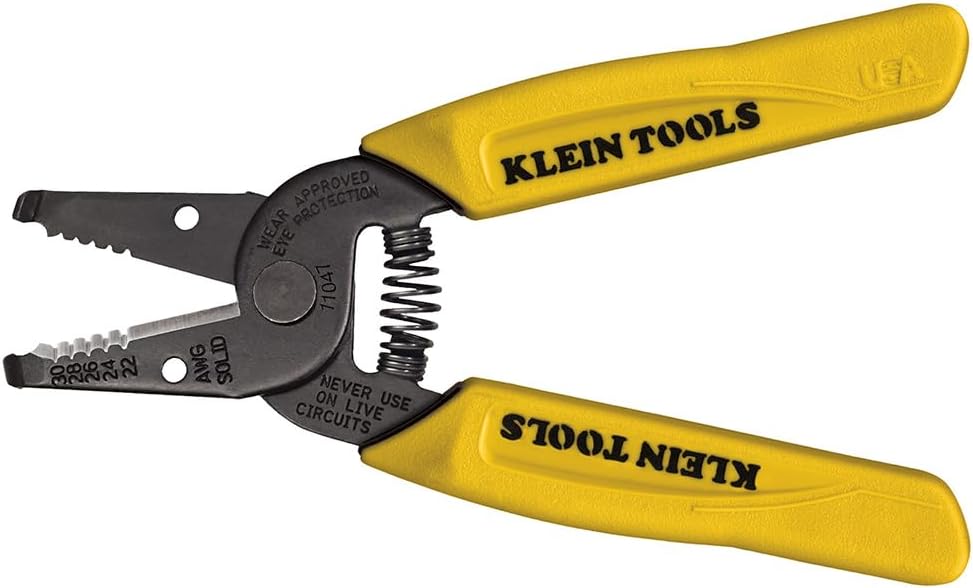
Klein Tools 11047 Wire Stripper/Cutter
- ID insulation type when reconstructing a mixed list
- Clean terminates after a rejected or damaged pull
- Shop staple for add-to-existing rework
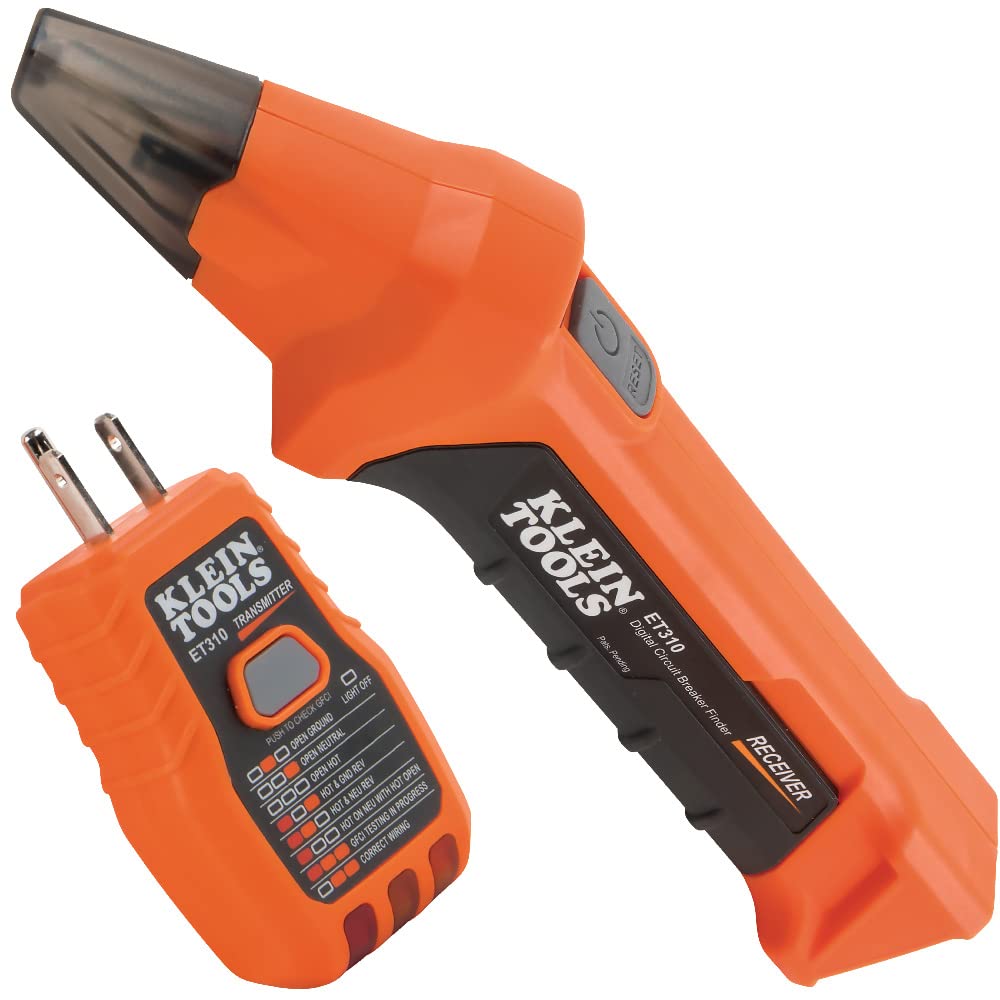
Klein Tools ET310 AC Circuit Breaker Finder
- ID circuits before opening an occupied raceway
- Safer adds when recounting live conduits
- Pairs with lockout before re-pulls
As an Amazon Associate, TestTalkHQ earns from qualifying purchases. Catalog gap: no listed wire-pulling lubricant (Ideal Yellow 77 / Polywater class) and no dedicated conduit reamer SKUs in the affiliate CSV — WD-40 Dry Lube, Permatex anti-seize, and machining hand reamers are not substitutes. Add those SKUs before carding them.
Frequently Asked Questions
My fill is 35% — why is the pull still impossible?
Count bend degrees and check jam-ratio geometry. Fill % does not measure friction or cumulative bends between pull points.
Inspector says I undercounted — what first?
List every EGC. Then confirm mixed sizes use summed Table 5 areas and the correct Table 4 conduit type.
Can I use 60% fill on a 3-foot stub between boxes?
Only if it qualifies as a nipple ≤24″ under Table 1 Note 4. Three feet does not.
Is this the same as cable tray troubleshooting?
No. Tray uses NEC 392 rules. This page is Chapter 9 raceway fill and pull failures.
Where do I learn the calculation method again?
Conduit Fill Explained — this page stays on diagnosis.
General Ampacity Diagnosis
If the conductor, breaker, temperature column, neutral count, or final derated result still disagrees with the field, use Wire Ampacity Troubleshooting. Re-run the numbers with the Wire Ampacity & Derating Calculator and review the method in Wire Ampacity and Derating Explained.
Audit a Mixed Conductor List
Already know the installed conduit and need to check a mixed list of gauges or insulation types? Use the Wire Fill Calculator, then read the Wire Fill Guide for the 53%/31%/40% rules, mixed-list workflow, grounds, and the difference between raceway fill and box fill.