Upsize Conduit vs Multiple Runs
When fill limits or pull difficulty force a capacity change — one larger raceway vs a second parallel conduit
The guide tells you to leave headroom. This page is the decision fork after the calculator says you are out of room (or the pull proves you are): upsize the stick, or run another conduit.

The Decision Fork in One Minute
Lean toward upsizing
- One path through walls/ceilings is cheaper to open once
- Future circuits likely in the same destination
- Pull is hard mainly from fill %, not from bend count alone
- Panel/backbox has knockout room for one larger trade size
Lean toward multiple runs
- Stud/chase depth cannot take the next trade size
- You want circuit groups isolated (noise, maintenance, phases)
- Ampacity derating on one packed pipe is worse than two lighter pipes
- Existing conduit stays; adding a parallel is less demo than replacement
Upsize One Conduit
Best for: New rough-in where the next trade size fits, long shared homeruns to a panel or subpanel, and jobs where one pull path is already framed.
Pros: Single raceway to hang and firestop; simpler future adds into leftover fill; often lowest material+labor when the chase accepts the upsize; one set of fittings.
Cons: Larger pipe may not fit stud depth or existing penetrations; one pipe still concentrates CCC for derating; a failed pull still risks the whole bundle.
Recheck fill after the size change with the calculator. If the fail mode was bends/friction rather than % fill, upsizing helps but may not replace a pull point — see troubleshooting.
Split Into Multiple Runs
Best for: Retrofits where the installed pipe must stay; tight chases; separating lighting/power/data pathways; keeping CCC counts down per raceway for ampacity.
Pros: Leaves existing conductors alone; can isolate circuit groups; each pipe can sit at a friendlier fill % and easier pull; may avoid enlarging every penetration.
Cons: More hangers, couplings, firestops, and labor; more knockouts; coordination of which circuits go where; still must fill-calc each pipe separately.
Fill, Pull & Conductor Tools
Five CSV picks for capacity decisions and pulls. Wire-pulling lubricant and conduit reamers remain a catalog gap.
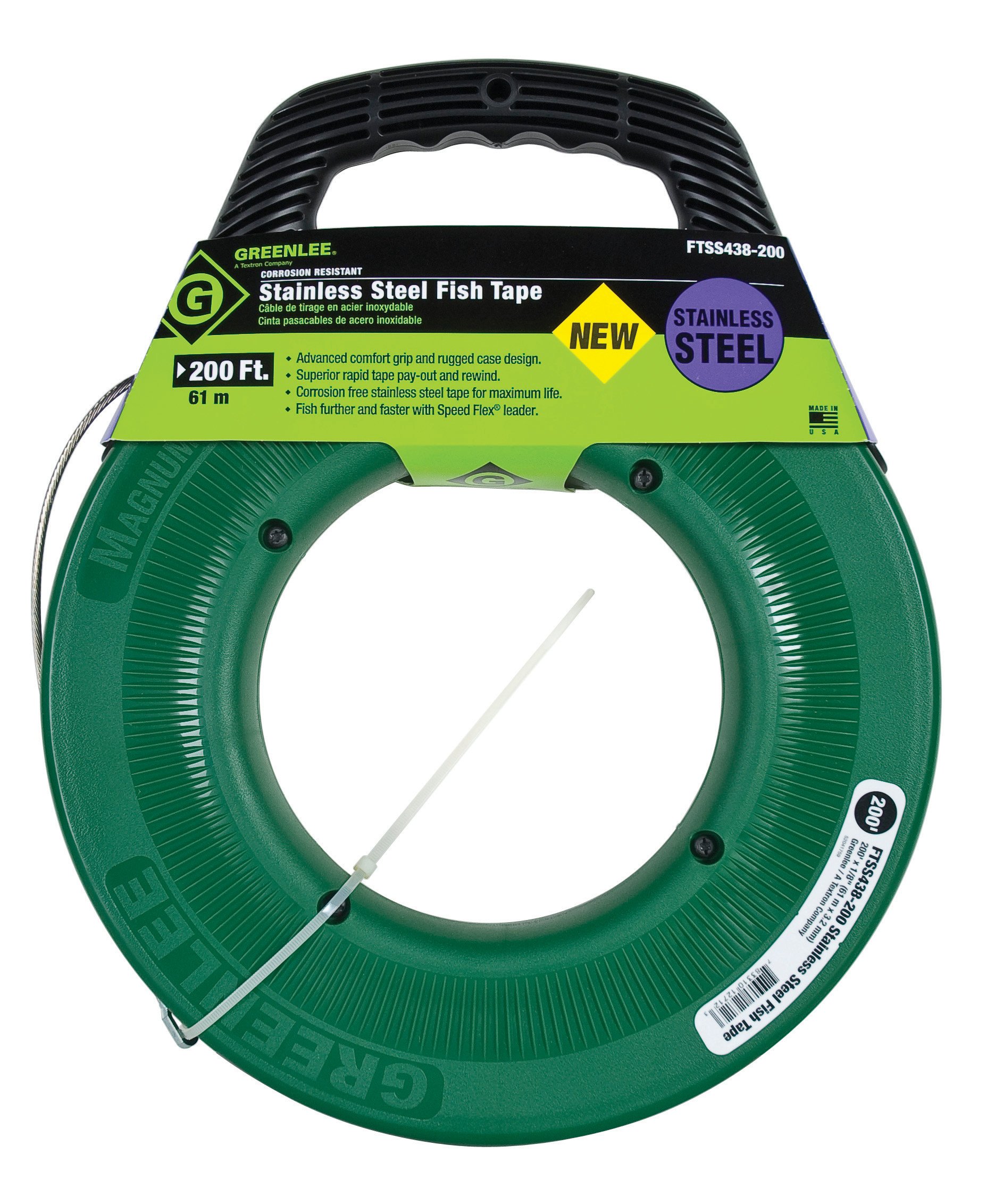
Greenlee FTSS438-200 Stainless Steel Fish Tape 200ft
- Pull after you choose upsize or parallel
- Longer runs when one path stays congested
- Stage pulls if bend count still hurts
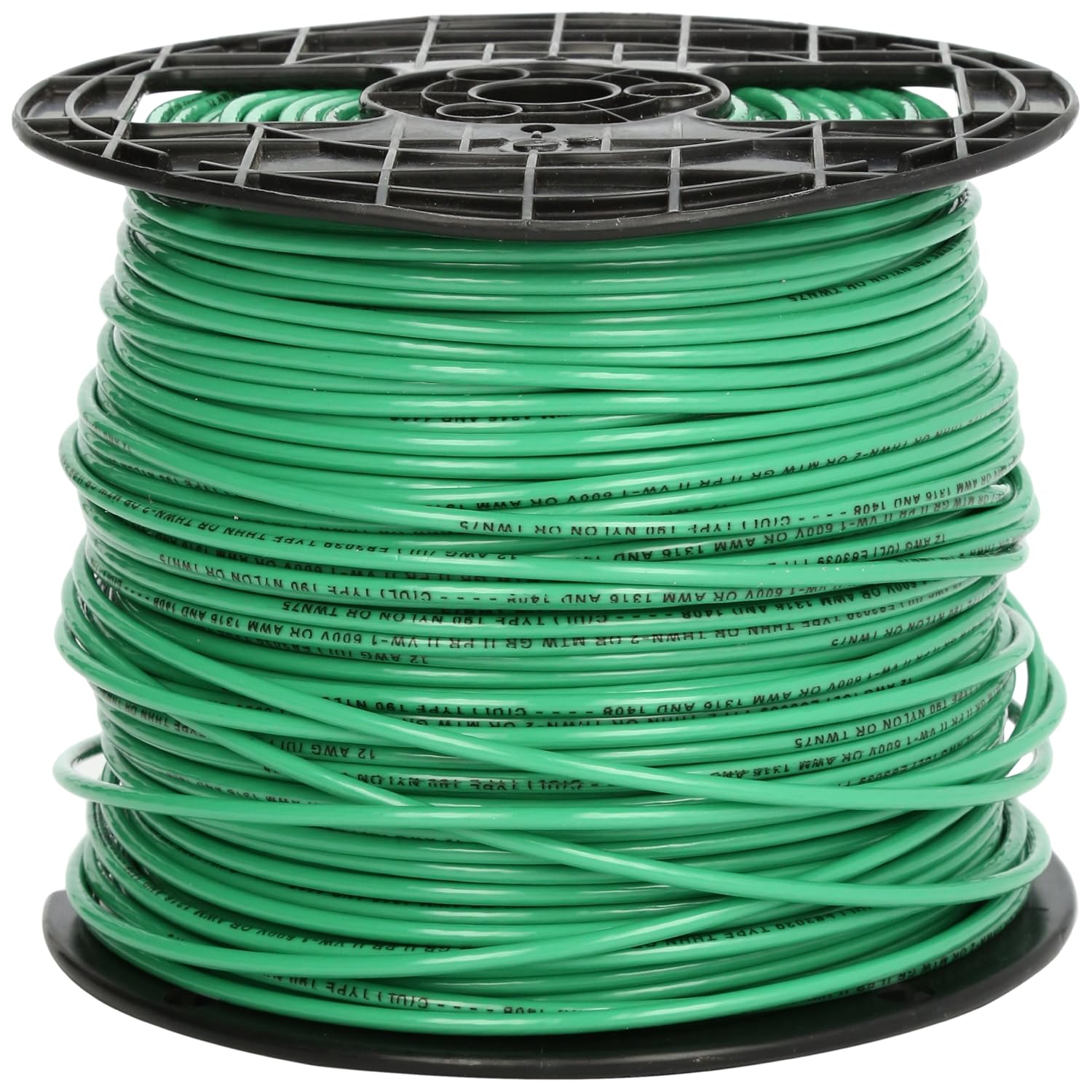
Southwire 22968201 Stranded THHN 12 Gauge 500ft
- Re-sum Table 5 areas after splitting lists
- Stranded helps whichever path you choose
- Do not mix insulation columns casually
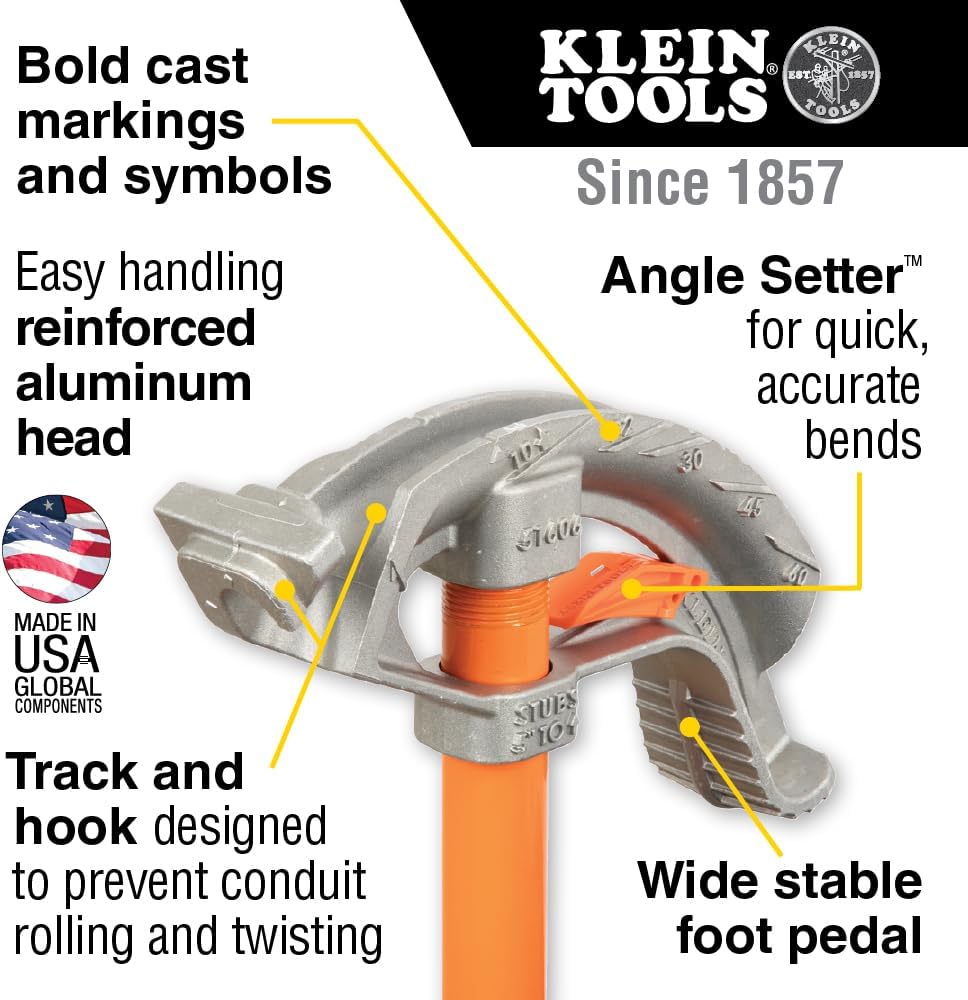
Klein Tools 51606 Aluminum Conduit Bender 1/2-Inch EMT
- Parallel runs still need clean bend layouts
- Bend budget matters as much as fill %
- Match shoe size to the trade size you pick

Klein Tools 11047 Wire Stripper/Cutter
- Rebuild conductor inventories when splitting runs
- Terminate after re-pulls into a new pipe
- ID insulation for accurate Table 5 areas
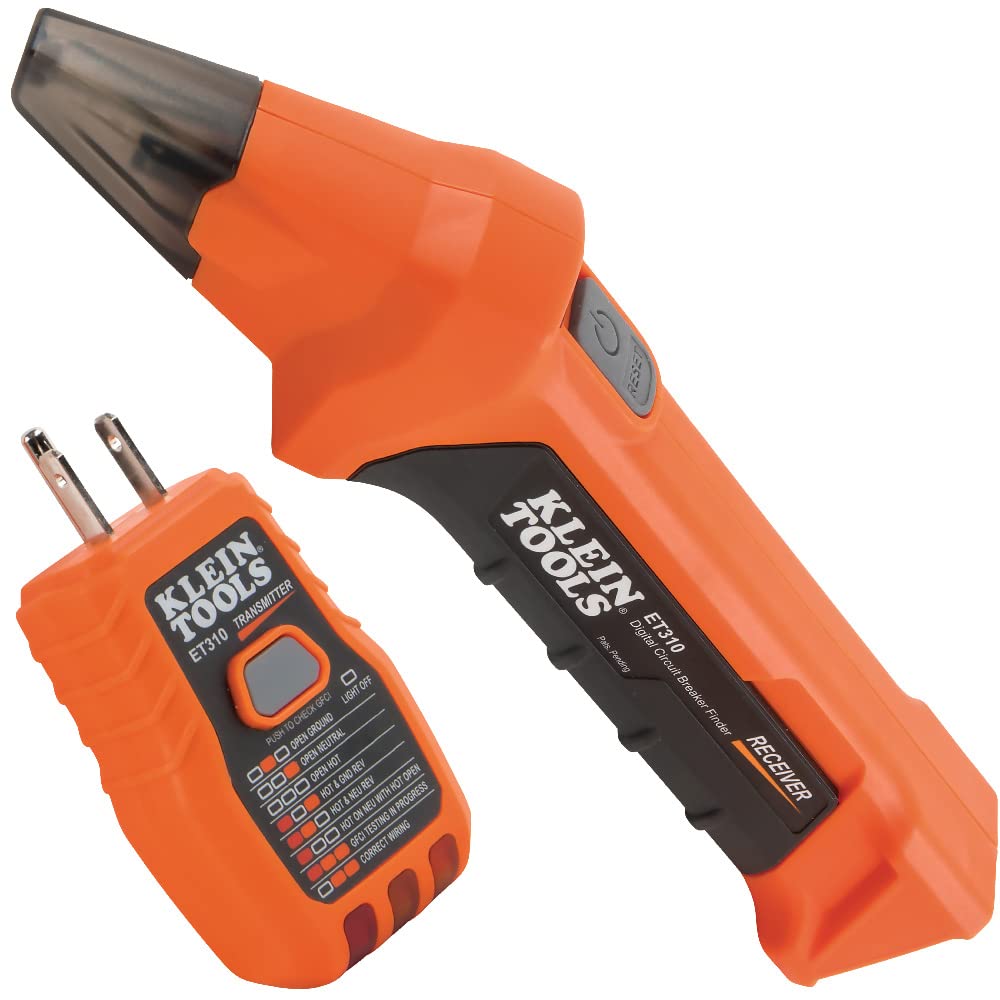
Klein Tools ET310 AC Circuit Breaker Finder
- Map which circuits stay in the old pipe
- Safer when paralleling beside a live raceway
- Confirm loads before opening panels
As an Amazon Associate, TestTalkHQ earns from qualifying purchases. Catalog gap: no wire-pulling lubricant or dedicated conduit reamer SKUs in the CSV — do not substitute WD-40 Dry Lube, anti-seize, or machining reamers.
Quick Selection Matrix
| Job signal | Lean toward | Why |
|---|---|---|
| New rough-in; next size fits chase | Upsize | One path, future headroom |
| Existing pipe buried/finished; need more circuits | Parallel run | Avoid demo/replacement |
| Derating from CCC count is the real pain | Multiple runs | Split current-carrying conductors |
| Pull fails from bends, fill already mid-30s | Pull points first; then upsize or split | Geometry ≠ area math |
| Stud bay cannot accept larger OD | Multiple smaller | Physical clearance wins |
Cable tray and wire-fill audits answer different questions — tray is NEC 392; wire fill audits a fixed raceway list. Do not treat those tools as substitutes for this conduit capacity fork.
Frequently Asked Questions
Is upsizing always cheaper than a second conduit?
Often on new work when the chase fits. On finished walls, paralleling can beat ripping out and replacing.
Does a larger conduit fix jam-ratio problems?
Often yes — ID changes the jam ratio — but confirm with geometry, not hope. Recheck on the calculator.
Can I leave old conductors and just add a parallel for new circuits?
Yes if each raceway independently meets fill (and ampacity). Inventory the old pipe before assuming it has spare capacity.
Where do I diagnose a failed pull that already “passed” fill?
Audit a Mixed Conductor List
Already know the installed conduit and need to check a mixed list of gauges or insulation types? Use the Wire Fill Calculator, then read the Wire Fill Guide for the 53%/31%/40% rules, mixed-list workflow, grounds, and the difference between raceway fill and box fill.