Box Fill Troubleshooting
Inspector rejects, conductors that will not pack, mixed-gauge miscounts, multi-gang errors, and boxes that pass the math but fail in the wall
This is diagnosis — not a restatement of how to calculate fill. For the NEC 314.16 method and worked examples use the Box Fill Calculations Guide. Run numbers in the Box Fill Calculator. For which size/type to buy up front, use the Electrical Box Size Guide. Stay here when the job already failed inspection, packing, or rework.

Box Fill Problems — Quick Answer
Use this when a box “should” pass but the inspector flagged it, conductors will not seat behind the device, mixed 12/14 AWG counts were wrong, multi-gang volume was combined incorrectly, or the install is code-legal but impossible to service.
| Symptom | What it usually means | First fix | Next tool |
|---|---|---|---|
| Inspector rejects a box you thought passed | Missed clamp, device yoke (2×), EGC rule, or fixture stud/hickey volume | Re-count all six NEC 314.16(B) categories from the open box | Box Fill Calculator |
| Wires will not fit even though cu in math passes | Bend radius / stacking / device body depth vs theoretical volume | Upsize depth or add extension; do not force-pack | Box Size Guide |
| Mixed 12 AWG and 14 AWG count looks wrong | Each conductor uses its own AWG volume allowance — not one average | Split counts by gauge; EGCs use largest EGC size rule | Calculations Guide |
| Multi-gang box failed after “adding volumes” | Wrong gang combination, mud-ring volume ignored, or devices counted once | Use marked volumes + each yoke as double the largest conductor | Calculator |
| Passes fill but hard to land or service | Technically compliant overcrowding; no future spare | Deep box, 4" square + ring, or separate junction | Box Size Guide |
1. Inspector Rejects a Box That “Should” Pass
What it looks like: Your spreadsheet or memory said the box was under volume, but the correction notice cites NEC 314.16. Cover will not go back on without a fight, or the inspector counted differently than you did on the rough-in sheet.
Why this is not “learn the formula again”: Most rejections are missed categories, not bad arithmetic. The guide teaches the six fill categories; here you hunt the ones crews skip under pressure.
Likely miscounts:
- Internal cable clamps (314.16(B)(2)) — One volume allowance equal to the largest conductor present for all internal clamps, whether every clamp is used or not. Plastic boxes with integral NM clamps almost always get this unit. Forgetting it is the classic “I counted the wires” fail.
- Device yoke allowance (314.16(B)(4)) — Each yoke or strap-mounted device counts as two of the largest conductor connected to that device. A duplex receptacle is not “one conductor.” GFCI/AFCI bodies make packing worse but the yoke rule is still 2×.
- Equipment grounding conductors (314.16(B)(5)) — All EGCs together count as one volume based on the largest EGC in the box (with the isolated-EGC exception in (B)(6) when present). Counting every ground as a full conductor overstates fill; omitting grounds entirely understates it and fails inspection.
- Fixture studs / hickeys / support fittings (314.16(B)(3)) — One volume based on the largest conductor for each type of fitting. Ceiling boxes with a stud or hickey lose capacity people forget on lighting/fan changeouts.
- Wrong box volume — Using a catalog “typical” cu in instead of the marking on this box, or ignoring that a plaster ring / mud ring adds listed volume only when it is part of the assembly.
2. Calculation Passes — Conductors Still Will Not Fit
What it looks like: Cubic-inch total is under the marked volume, but the device will not seat flush, pigtails kink behind a GFCI, or the cover bows. Crew force-packs and hopes drywall mud hides it.
Why volume ≠ packability: NEC 314.16 is a volume allowance system, not a guarantee that stiff NM and a deep device body leave working space. Bend radius, cable entry location, and device depth eat usable space the table never models.
Likely causes:
- Shallow box + deep device — GFCI/AFCI/smart outlets need depth the fill sheet does not reserve as a separate “device body” deduction beyond yoke count.
- All cables entering one end — Stacking and sharp bends burn free volume even when unit count is legal.
- Excessive pigtail length — Legal loops that are too long for the cavity.
- Old-work box volume near the limit — Cut-in boxes often sit at 18–20 in³; three cables + device + clamps leave no real working room.
Fixes: Deeper box of the same gang, listed extension ring to add volume, 4" square with an appropriate mud ring, or move splices to a separate junction box. Do not cut corners by omitting required conductors. Depth and upsizing tradeoffs are covered in the Electrical Box Size Guide — use that when the math already passed and the wall still refuses the device.
3. Wrong Conductor Size Assumptions (12 AWG vs 14 AWG)
What it looks like: Someone counted “eight wires” and multiplied by 2.00 or 2.25 in³ for everything. A 20 A home-run mixes with 15 A lighting tails. The total looks fine until you price each conductor at its own allowance.
The diagnostic rule: Each conductor volume comes from NEC Table 314.16(B) for that conductor’s AWG. 14 AWG = 2.00 in³; 12 AWG = 2.25 in³; 10 AWG = 2.50 in³. You do not average. Device and clamp allowances use the largest conductor associated with that item; EGCs use the largest EGC size rule in 314.16(B)(5).
Common failure modes:
- Treating every conductor as 14 AWG because “most of the house is 15 A.”
- Counting cables (12-2) as two units of 12 without including the EGC correctly — or counting the sheath.
- Using Table 314.16(A) conductor maximums on a box that also has devices and clamps (that table is the no-device shortcut).
Fix: Split the inventory by gauge, re-enter the calculator with separate 14/12/10 counts, and re-check device/clamp largest-conductor basis. Worked mixed-gauge examples live in the calculations guide and the conductor-count framing already covered in the calculations guide — come back here only to catch the miscount pattern.
4. Multi-Gang Box Calculation Errors
What it looks like: Two- or three-gang remodel: installer “adds” two single-gang volumes, forgets a second yoke, or credits a plaster ring volume that is not listed for the assembly. Fail shows up when the second GFCI goes in.
Likely mistakes:
- Inventing combined volume — Use the manufacturer marking / listed volume for the multi-gang box (or metal box table dimensions), not “18 + 18.”
- Under-counting devices — Each yoke is still 2× the largest conductor connected to that device. Two receptacles = two separate double allowances.
- Mud ring / plaster ring — Only add the ring’s listed volume when it is part of the box assembly; blank covers and decorative plates are not free volume.
- Shared neutrals / multi-wire branches — More current-carrying conductors than a “two cable” mental model; recount every insulated conductor that enters.
Fixes: Pull the stamped cu in for the actual multi-gang box depth you bought; count every device; verify ring volume from the listing; re-run the calculator. If you are already at the wall and short, a deeper multi-gang or a 4" square strategy beats hoping the second device compresses.
Re-run before drywall Multi-gang mistakes are expensive after paint. Thirty seconds in the calculator beats a cut-out.
Open Box Fill Calculator5. Technically Compliant — Still a Bad Real-World Box
What it looks like: Fill total is under marked volume. Inspection passes. Six months later nobody can add a smart switch, land a pigtail, or replace a GFCI without destroying wire insulation.
Why compliance ≠ good choice: 314.16 sets a minimum volume floor. It does not optimize for serviceability, heat at dense terminations, or the next circuit you will inevitably add.
When to reject a “passing” box on purpose:
- Fill is within ~10% of capacity and a GFCI/AFCI/smart device is going in.
- Old-work single-gang already holding three cables — legal on paper, miserable to work.
- Future EV charger / appliance circuit likely to splice through the same location.
- Ceiling box at volume limit with a fixture stud already eating a support-fitting unit.
Better choices: Deep single-gang, deep multi-gang, 4" square with mud ring, or a dedicated junction box for splices so the device box stays serviceable. Selection and depth tradeoffs belong in the box size guide; this section exists so you do not treat a thin pass as a green light.
Need a Bigger or Different Box?
If diagnosis says you need more depth, an extension ring, a 4" square, or old-work vs new-work strategy, use the size guide — not another fill tutorial. Come back to the calculator after you pick the box.
Boxes, Devices & Rough-In Gear
Five electrical picks from the TestTalkHQ affiliate catalog for fill-related rough-in and rework. Junction boxes and listed box extenders are a catalog gap — see note below.
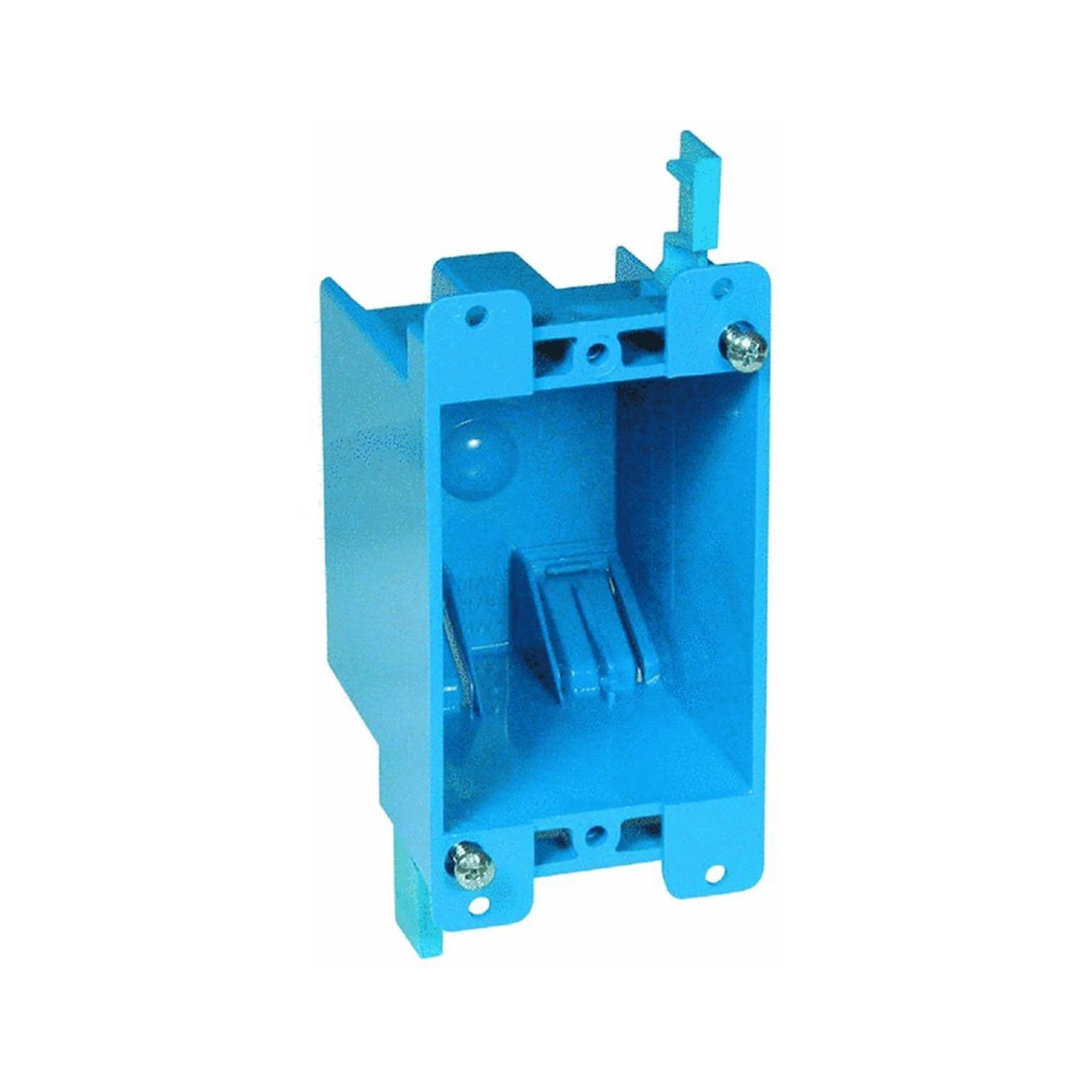
Carlon B114R-UPC Old Work Box Pack
- Cut-in retrofit box for finished walls
- Verify stamped cu in before packing three cables + device
- Common upgrade path when a shallow box fails packing
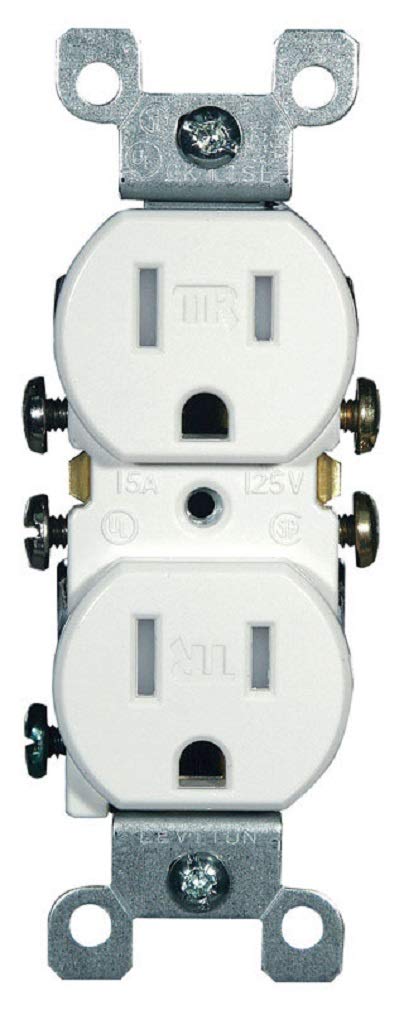
Leviton 15A Tamper-Resistant Duplex — 10 Pack
- Standard yoke = 2× largest conductor on that device
- Confirm box depth before swapping in deeper GFCI bodies
- Useful when recounting device fill after a reject
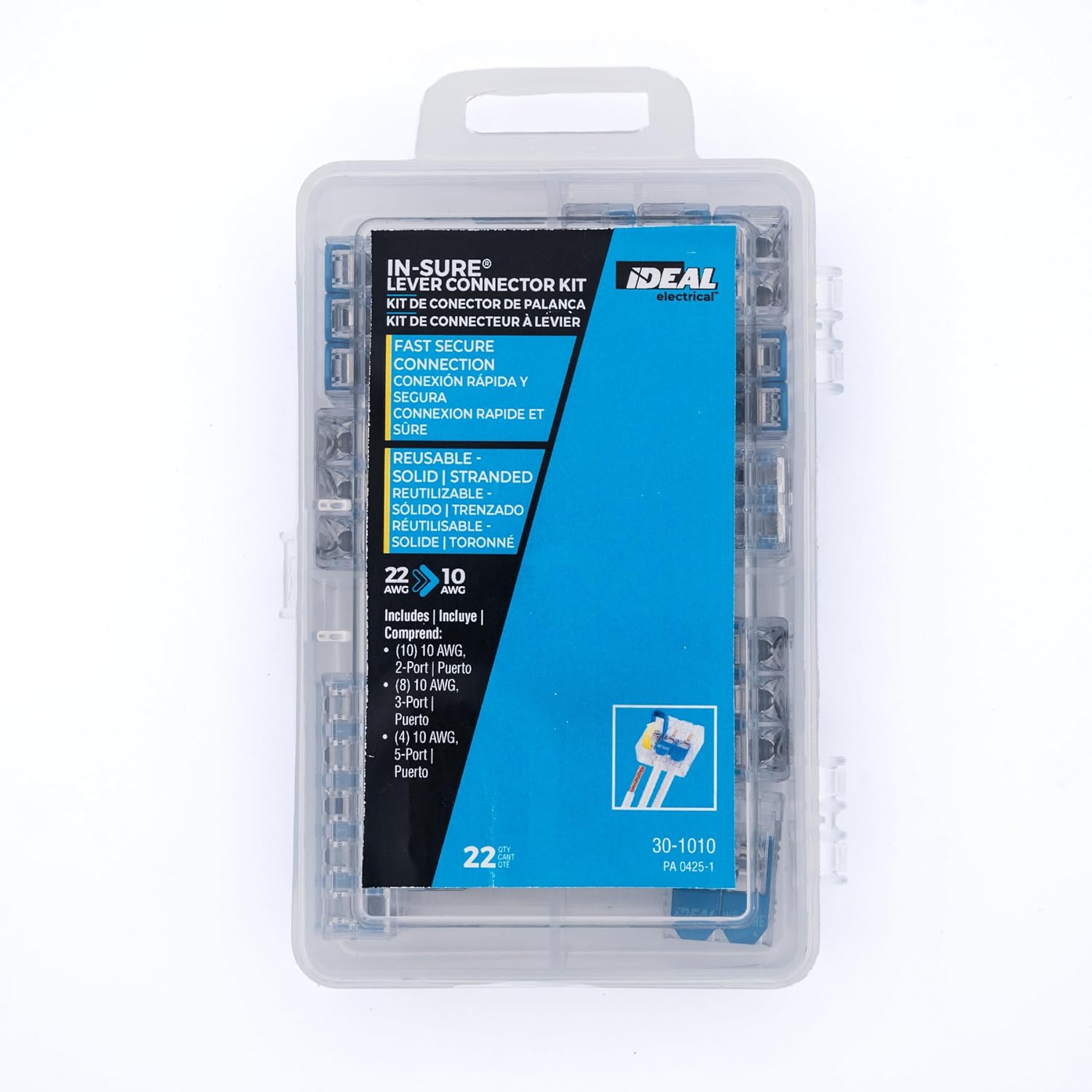
Ideal 30-1010 InSure Lever Connector Kit
- Compact splices vs bulky wire-nut stacks
- Helps packing when volume is legal but cavity is tight
- Keep pigtails short enough for the box you have
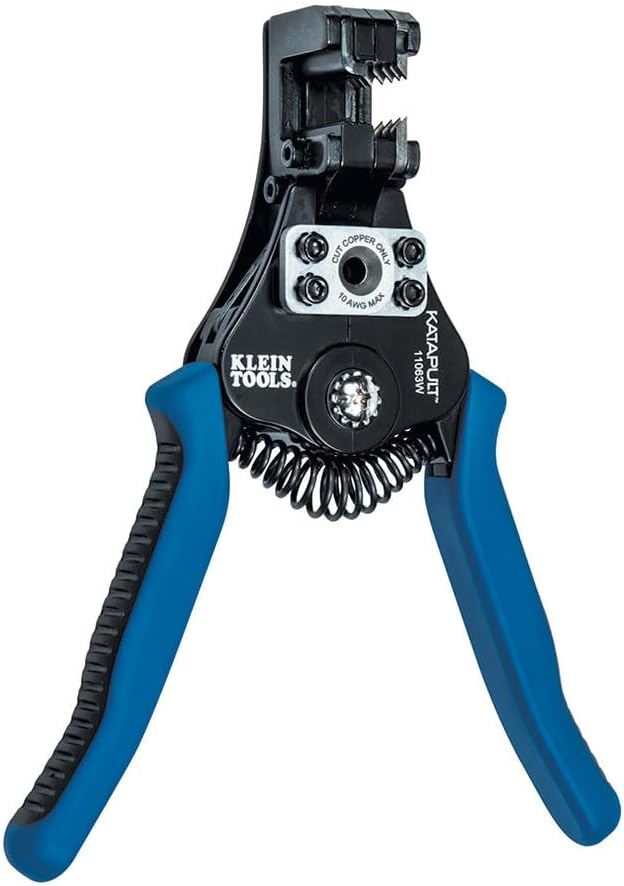
Klein Tools 11063W Wire Stripper / Cutter
- Clean strips reduce damaged conductors on rework
- Needed when opening a rejected box for recount
- Pairs with proper pigtail length for packability
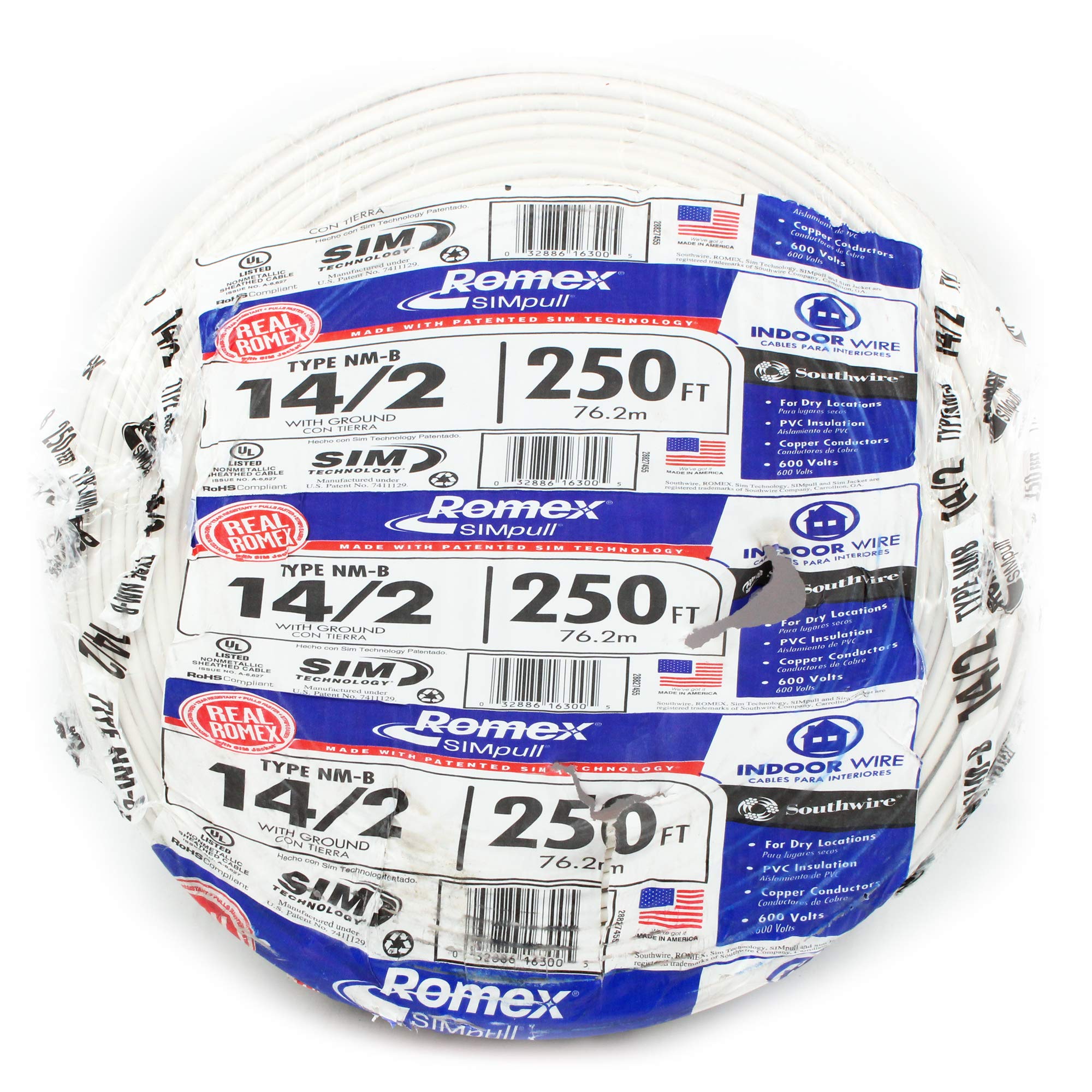
Southwire Romex Brand Simpull 12/2 NMB
- 12 AWG conductors = 2.25 in³ each under Table 314.16(B)
- Do not mix 12/14 counts as one average volume
- Plan clamp + EGC units when adding another cable
As an Amazon Associate, TestTalkHQ earns from qualifying purchases. Catalog gap: no dedicated junction boxes or listed box extension rings/extenders in the affiliate CSV (same class of gap as today’s boring-bar specialty SKUs). Do not substitute unrelated HVAC/thermostat products — add those SKUs to the catalog before carding them.
Frequently Asked Questions
The inspector counted differently than my app — who is right?
Re-open the box and walk 314.16(B) categories together. Most disputes are missed clamps, yoke double-count, or EGC rules — not calculator bugs. Re-enter counts in the Box Fill Calculator from what is physically present.
My fill passes — why won’t the GFCI sit flush?
Packing/depth failure. Upsize depth or add a listed extension; theoretical cu in does not reserve device-body space beyond the yoke allowance.
Do I count every ground wire separately?
Usually no — EGCs aggregate under 314.16(B)(5) based on the largest EGC (watch (B)(6) for isolated grounds). Omitting grounds entirely is also wrong.
Can I add two single-gang volumes for a 2-gang box?
No. Use the listed/marked volume for the multi-gang box you installed, plus each device yoke, plus rings only if listed as part of the assembly.
Is this the same as the box fill calculations guide?
No. The guide teaches how to calculate. This page diagnoses failed inspections, packing problems, mixed-AWG miscounts, multi-gang errors, and “legal but overcrowded” choices.