
Contractor Job Estimator
$29.00
BuyGVWR governs what is on the vehicle. GCWR governs vehicle + trailer. Both limits apply when you tow — neither covers the other
Payload capacity is a GVWR worksheet. Towing capacity is a GCWR worksheet. Run both: payload capacity calculator and towing capacity calculator. How payload math works: guide. If the bed is overloaded with no trailer: payload troubleshooting. If the combination is overloaded while hitched: tow-vehicle troubleshooting.
Check both numbers separately.A green towing number does not clear a red payload number.
Open Payload Capacity Calculator →Payload capacity starts as GVWR − curb weight. Available remaining subtracts passengers, cargo on the vehicle, and trailer tongue weight. That is the budget for everything the truck has to carry on its own tires and axles.
Tongue weight belongs on this side of the ledger. It is down-force on the hitch. The truck feels it as payload even though marketing language calls it towing.
Available towing capacity (GCWR headroom method) is leftover combined-weight budget for a loaded trailer after the loaded tow vehicle is accounted for:
Advertised max tow rating and hitch-class GTW are separate caps. The controlling trailer-weight limit is the lowest applicable number. Details: how to calculate towing capacity and the towing capacity calculator.
When you hitch a trailer you must satisfy both:
Passing the towing worksheet does not auto-pass the payload worksheet. Passing payload with a light tongue does not auto-pass GCWR with a heavy trailer.
Flip the trap the other way and you can be under payload with a light tongue but over GCWR with too much trailer mass — that shows up on the towing tools and overloaded tow vehicle troubleshooting.
Check both numbers separately every time. Do not assume one covers the other. Feed the same passenger/cargo figures into both calculators. Measure tongue weight. Weigh when the sticker math is close.
Run the GVWR worksheet now.Then run GCWR on the towing calculator for the same trip.
Payload Calculator →$29.00
BuyCheckout opens here — you stay on this page.
Payload math is only useful if you can weigh what is actually on the truck. Scale the tongue, weigh bed cargo, chock before you jack, and keep extinguisher and brake-check tools in the cab when the truck is loaded hard.
Tongue weight presses through the hitch onto the tow vehicle and counts against GVWR/payload. Weigh the loaded coupler instead of guessing.
View on Amazon →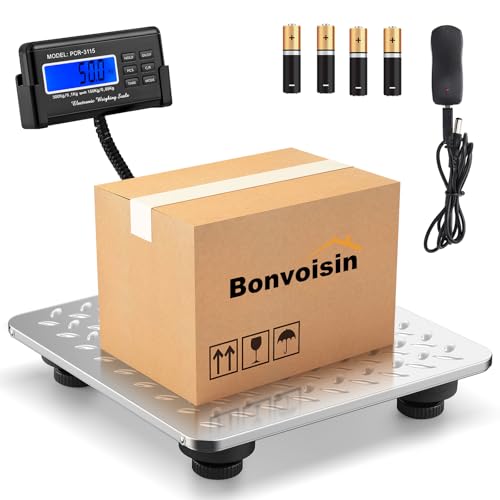
Weigh toolboxes, coolers, generators, and other bed cargo before you stack them. Spec-sheet curb weight is not a CAT-scale ticket.
View on Amazon →
Chock before you drop a coupler, shift bed cargo, or jack for a load move. A rolling trailer or truck is a crush hazard and a bad reading.
View on Amazon →
Overloaded trucks run hotter brakes and bearings. Keep a rated extinguisher in the cab, not buried under cargo.
View on Amazon →
Payload overload lengthens stops even with no trailer. Measure lining before you blame “just hills” or soft pedal feel.
View on Amazon →
Available payload remaining = GVWR − curb − passengers − cargo − tongue weight. Over GVWR gets a hard warning.
Open Payload Capacity Calculator →As an Amazon Associate, TestTalkHQ earns from qualifying purchases. Product links are from the live TestTalkHQ affiliate CSV only.