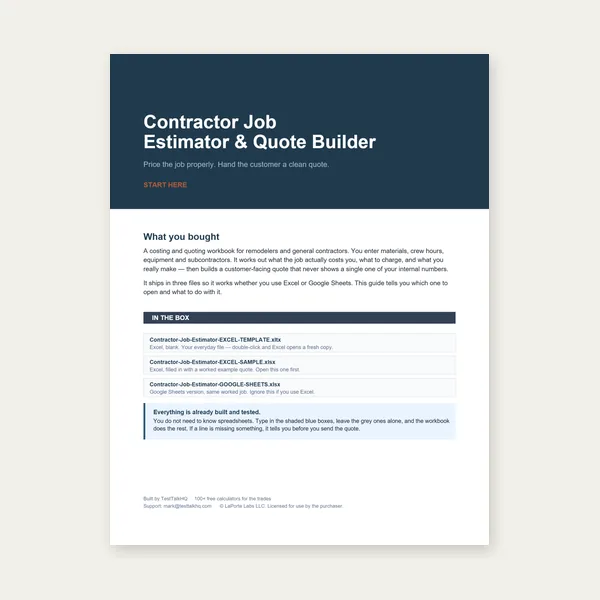
Contractor Job Estimator
$29.00
BuyWhen a spacer on the wheel you already own is the right call, and when you should spend the money on the correct ET instead
Convert current and proposed geometry on the offset & backspacing calculator so you know how many millimeters of poke a spacer is really adding. How ET and backspacing relate: guide. Rub, scrub, and bearing symptoms: troubleshooting. Automotive index: hub.
Quantify the poke first. A 15 mm spacer on an 8 in wheel is a different hub-to-outer-edge than a wheel ordered 15 mm more negative.
Open Calculator →A wheel spacer is a thick washer between hub and pad. It does the same geometric job as ordering a more-negative ET: the whole barrel moves outboard, backspacing as seen by the chassis drops by the spacer thickness, and hub-to-outer-edge grows by that same amount. A 20 mm spacer on a +35 mm wheel behaves like a +15 mm wheel for envelope purposes — plus extra stacked faces, extra fasteners, and extra lever arm on the bearing.
Buying a wheel with the correct ET puts that geometry in one piece: one pad, one set of lugs, one load path. You pay more up front and you do not reuse the old barrel.
$29.00
BuyCheckout opens here — you stay on this page.
Convert ET and backspacing first, then mock-fit. A caliper checks lip stack on a used wheel; a 1/2 in socket set and a click torque wrench put the wheel back on to spec.
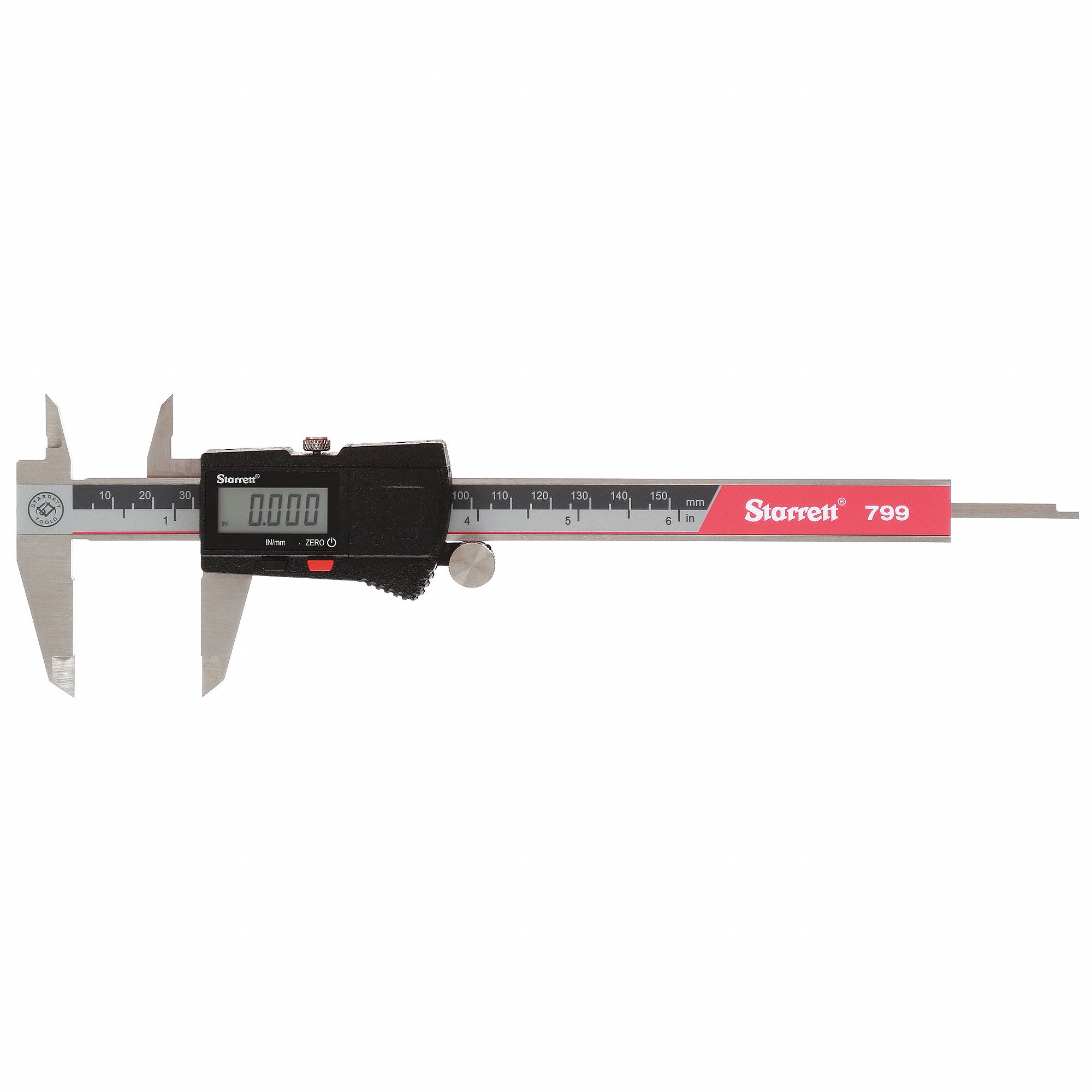
Measure lip thickness and hub-pad stack on a used wheel when the ET stamp is gone. Compare the tape backspace to the calculator before you order a replacement.
View on Amazon →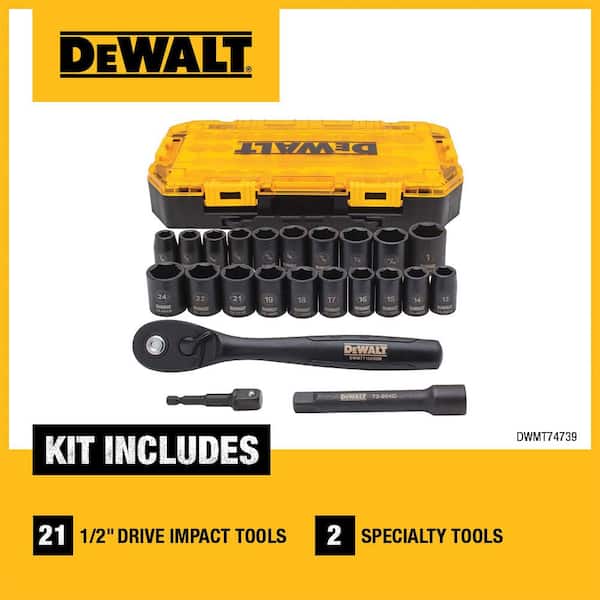
Lug nuts and hub-centric rings come off during a mock-fit. Use impact sockets on an impact, then finish to spec with a torque wrench.
View on Amazon →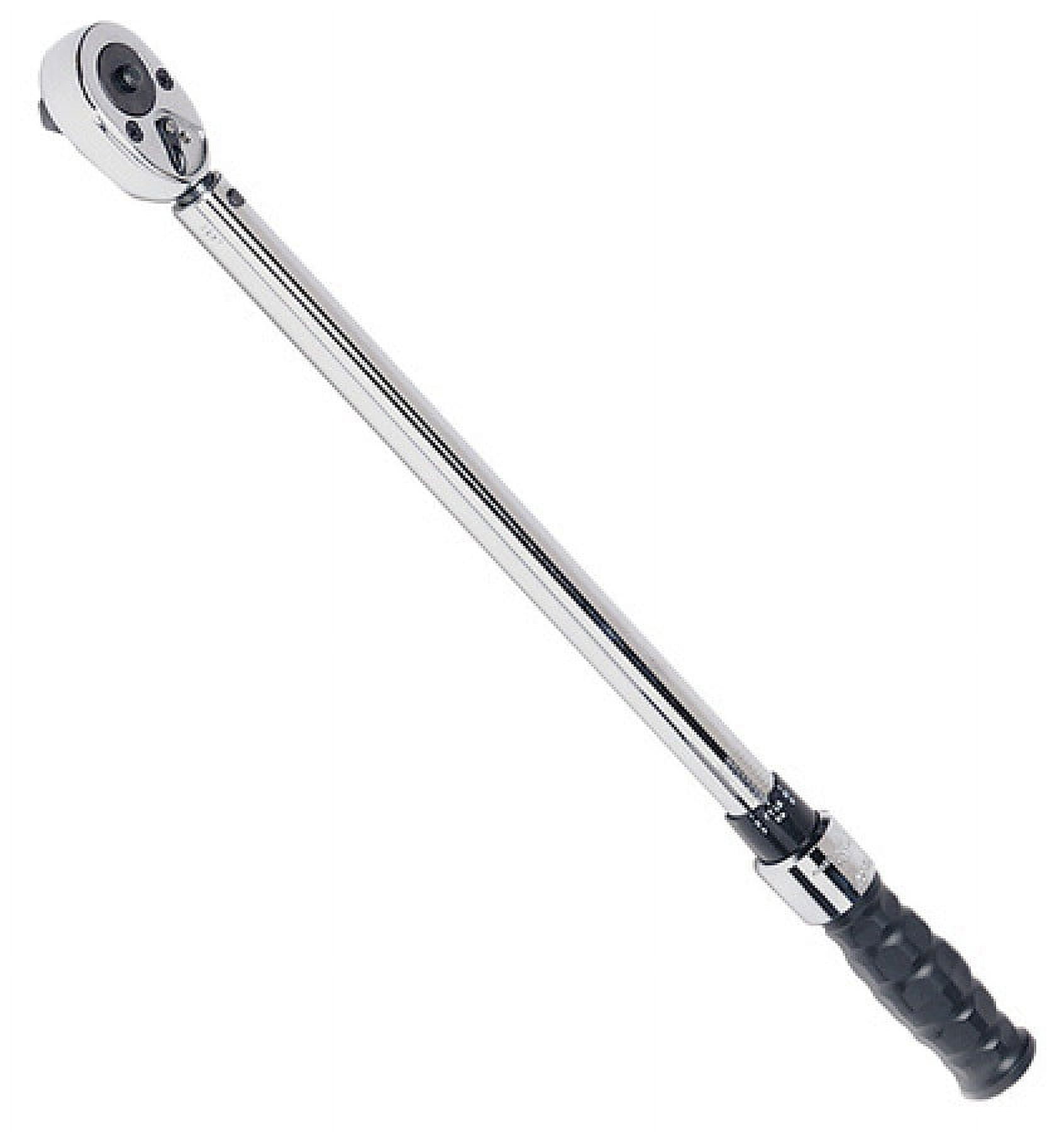
After a spacer or a new-offset wheel, lug torque is not optional. Click to the vehicle spec in a star pattern on the ground.
View on Amazon →
A new wheel often arrives with a new tire size. Diameter percent, true vs indicated speed, and the common ±3% band.
Open Tire Size Calculator →
Custom wheels on a tow vehicle still need tongue-weight discipline. 10–15% band from loaded trailer weight.
Open Tongue Weight Calculator →
Wheel offset does not raise hitch class. Leftover trailer budget after curb, passengers, and cargo.
Open Towing Capacity Calculator →As an Amazon Associate, TestTalkHQ earns from qualifying purchases.
Spacers do not fix a wheel that is already too wide for both the fender and the strut. They only move the whole envelope outboard. If both sides are already close, a spacer trades inner clearance for outer rub.
Cost: a quality hub-centric spacer pair is cheap next to four wheels and tires. The false economy is a $40 lug-centric spacer that loosens, plus a hub at 40,000 miles. Price the hub, the alignment, and the downtime, not just the Amazon listing.
Thread engagement. After the spacer, the nut (or bolt) still needs full engagement — a common rule is at least a thread length equal to the stud diameter, and many shops want the stud flush or past the nut face. If a 15 mm spacer leaves three threads in the nut, you need longer studs, not a thicker nut. Count threads with the spacer in place before you lower the car.
Hub-centric vs lug-centric. Hub-centric spacers register on the hub bore so the lugs only clamp. Lug-centric spacers (and wheels) ask the tapered nuts to center a rotating assembly. That is how you get vibration that no balance job kills. For street use, hub-centric on the hub, hub-centric on the wheel (or a ring), matching bores.
Adapters that change bolt pattern are a bigger compromise: two joint faces, two fastener sets, and a pattern the chassis was not designed around. Treat them as a last resort, not a style choice.
Load rating on the spacer must meet or exceed the corner load. Offset math does not raise that rating. Neither does towing: GCWR headroom and tongue weight still apply to the truck wearing the spacers.
Thickness alone is not a rating. A 5 mm hub-centric spacer with full engagement is a common, mild change. A 5 mm lug-centric slice on dirty pads is still a bad install. Convert the new hub-to-outer-edge and mock-fit the fender.
They do not change camber bolts, but they change scrub radius. If the wheel was already at the fender, you may need toe checked after a poke. Alignment will not restore stock bearing load.
No. Two joints, two chances to loosen, and you have left the catalog. Buy the ET you need or one spacer that is the full thickness, hub-centric, rated, with studs to match.