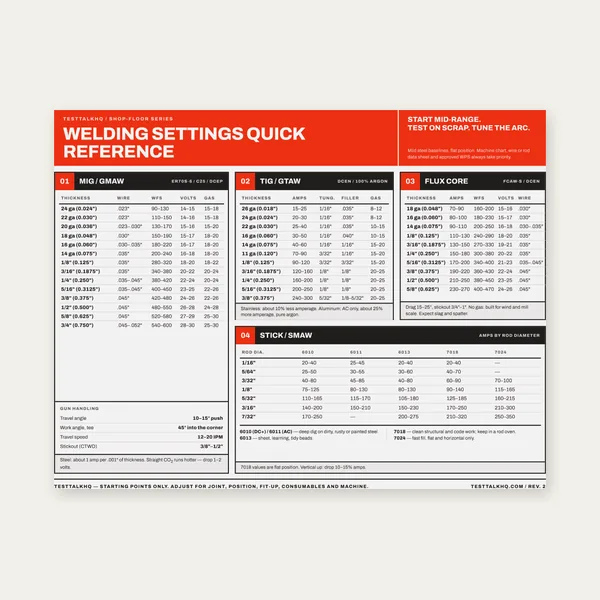
Welding Reference Card
One page. MIG, TIG, stick and flux core settings by thickness.
$3.99
BuyField differentials for floor not held, CE miscalculated, surface-hot / core-cold heat, wrong heating method, and false surface reads — when the calculator minimum already looked right
Not a restatement of the CE tables. Pair this with the Preheat Temperature Calculator when the °F floor printed green but the joint still cold-cracked or failed the WPS check. For why the floor exists, use the Preheat Temperature Guide. The preheat-vs-interpass decision fork is already covered in Preheat vs. Interpass Temperature — this page stays on preheat-specific failure modes. Ceiling / stacked-pass problems live on Interpass Temperature Troubleshooting.
Use this when the calculator minimum was known before the first arc and the joint still cracked, failed hardness/HAZ checks, or failed the inspector’s temperature verification.
| Problem | Field tell | First fix | Next tool |
|---|---|---|---|
| Floor not held | Torch kiss hours earlier; overnight drop; wind; lunch break at 120°F on a 250°F job | Reheat to min before every arc start; wind screens / blankets; log time of reading | Preheat Calculator |
| CE miscalculated | Used grade name / mid-range guess; wrong thickness member; Si treated as IIW term | Re-enter MTR chemistry or ASTM maxes; governing thickness per WPS | Preheat Guide |
| Surface-hot, core-cold | Face crayon melts; back of thick plate cold; HAZ hard on root side | Soak through thickness; heat both faces / both members of T-joints | Preheat Guide |
| Wrong heat method | Rosebud only on weld line; induction coil too narrow; oven skipped on heavy section | Widen heat band; verify method matches WPS; re-measure away from torch spot | Preheat vs Interpass |
| False surface read (pre-arc) | IR “warm enough” before first pass; crayon/contact fails; shiny or torch-blackened spot | Contact or Tempilstik at WPS location before strike — not after puddle heat | Preheat Calculator |
| Hydrogen still wins | Floor held; damp 7018 / wet flux; high humidity shop | Dry rods/flux; humidity control; floor alone cannot save wet consumables | Heat Input Troubleshooting |
What it looks like: Calculator said 250°F. Torch was run at 7 a.m. First arc at 10 a.m. after fit-up. IR or crayon at start shows 100–150°F. Bead looks fine; delayed cracks or hard HAZ show later. Or overnight hold assumed “still warm.”
This is not an interpass ceiling problem. Interpass troubleshooting covers stacked passes and over-max. Here the failure is abandoning the minimum before welding starts (or before the next shift’s first arc on a partially completed joint that still requires the floor).
Likely causes: Long gap after heating; wind / open bay cooling; no blankets on large joints; measuring the torch spot then walking away; treating “warm to the touch” as 250°F.
Fixes: Re-verify temperature immediately before every arc start that requires the floor. Wind screens, induction, or insulating blankets on structural holds. Log who measured, where, and when. If the joint drops below min, reheat — do not “hope residual heat” covers it. Re-run the Preheat Temperature Calculator only after chemistry/thickness are confirmed; the number does not expire, the joint temperature does.
What it looks like: Shop used “A36 → no preheat” habit. Actual heat chemistry or governing thickness put the joint in a higher CE/thickness band. Calculator would have demanded heat if fed correctly.
Likely causes: Grade name instead of MTR (or ASTM maximums). Entering mid-range chemistry instead of heat values. Using the thin member thickness on a T-joint when the WPS governs on the thicker flange. Treating silicon as part of the IIW CE sum (IIW path in the calculator does not). Mixing units (mm vs inch) so thickness band is wrong.
Fixes: Pull the MTR for the heat in the joint. Without MTR, enter specification maximums — conservative. Confirm governing thickness with the WPS/code, not “the piece that was easier to mic.” Recalculate in the Preheat Temperature Calculator and compare to the printed WPS — the engineer of record still wins.
What it looks like: Face Tempilstik melts at the torch track. Back face of thick plate or the stem of a T-joint is still near ambient. Root-side HAZ hardens; face looks preheated on paper.
Likely causes: No soak time on thick sections. Heating only one face. Narrow heat band so the joint quenches into cold metal an inch away. Measuring only the torch-blasted hot spot.
Fixes: Heat a band wide enough for the joint mass. Soak until both accessible faces (and both members on T-joints) meet minimum. Measure at the WPS location — typically adjacent to the joint, not in the rosebud scar. Guide soak discipline: Preheat Temperature Guide.
What it looks like: Operator “preheats” with a quick rosebud pass along the weld line. Induction coil covers only a 2" strip on a heavy joint. Oven/blanket procedure skipped because “torch is faster.”
Likely causes: Confusing localized comfort heat with procedure preheat. Method not matching WPS (induction vs torch vs furnace). Heating after fit-up clamps create cold sinks that were never re-soaked.
Fixes: Follow the heating method the WPS allows. Widen coverage; re-soak after heavy clamping if temperature dropped. Verify with contact/crayon away from the active flame. Do not invent a new minimum by watching the puddle — fix heat delivery, then confirm the floor.
Method mistakes look like “calculator too low.” Usually the plate never reached the number.
Preheat GuideWhat it looks like: IR gun says “above min” on shiny mill scale, freshly ground steel, or a blackened torch spot that is hotter than the surrounding band. Contact probe or correctly rated crayon at the WPS location fails.
How this differs from interpass IR lies: Interpass Temperature Troubleshooting covers fake cool reads between stacked passes (ceiling). Here the risk is a fake warm enough read that green-lights the first arc when the floor was never met across the joint.
Fixes: Before strike, use Tempilstik or contact pyrometer at the procedure location. Treat IR as a survey tool unless the WPS accepts verified IR technique. Dull a patch if you must use IR. Never measure only the torch scar.
What it looks like: Temperature verified at min. Chemistry/thickness correct. Delayed cracks anyway on low-hydrogen “required” joints.
Likely causes: Damp E7018 / wet flux / undried electrodes. Contaminated joint. Extreme humidity without baking practice. Restraint + high CE that also needs HI/interpass discipline — not a reason to abandon the floor.
Fixes: Rod ovens, flux dry-out, clean joint. Pair with Heat Input Troubleshooting when HI is also out of band. Preheat reduces hardenability risk; it does not license wet consumables.
Article 3 SKIPPED — the preheat vs interpass decision fork is already covered in Preheat vs. Interpass Temperature. Do not rebuild it here. Chart SKIPPED — CE bands and thickness→min tables already live in the Preheat Temperature Calculator and Preheat Temperature Guide. Interpass ceiling / stacked-pass failures: Interpass Temperature Troubleshooting.
Preheat Calculator → Preheat Guide → Preheat vs Interpass → Interpass Troubleshooting → Heat Input Troubleshooting →
One page. MIG, TIG, stick and flux core settings by thickness.
$3.99
Buy
19 pages. Four processes, stainless and aluminum, symbols and inspection.
$12.99
Buy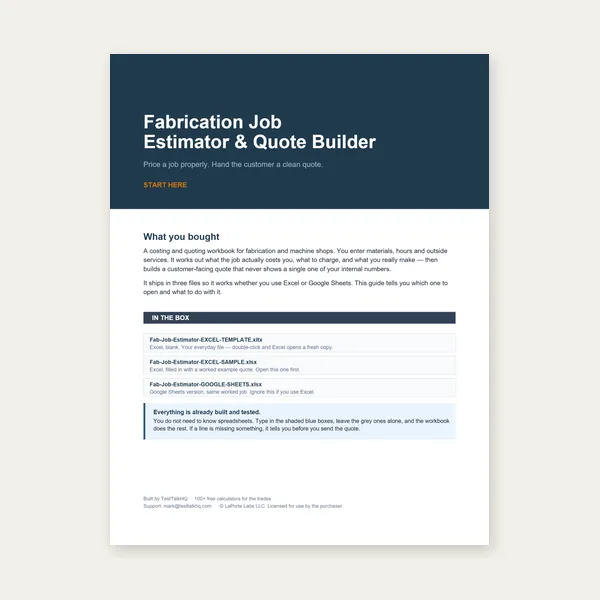
Price the job, then hand over a quote with no internal numbers.
Excel or Google Sheets. Best on a computer.
$29.00
Buy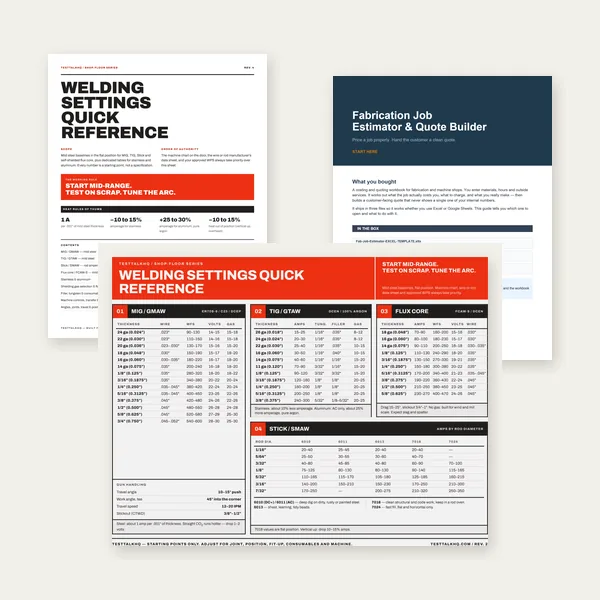
Card, 19-page guide and the estimator workbook. All six files.
Excel or Google Sheets. Best on a computer.
$34.99
$45.98 if bought separately — save $10.99
BuyCheckout opens in a new tab.
Five CSV catalog picks with verified Product Image URLs — prove the floor before the first arc
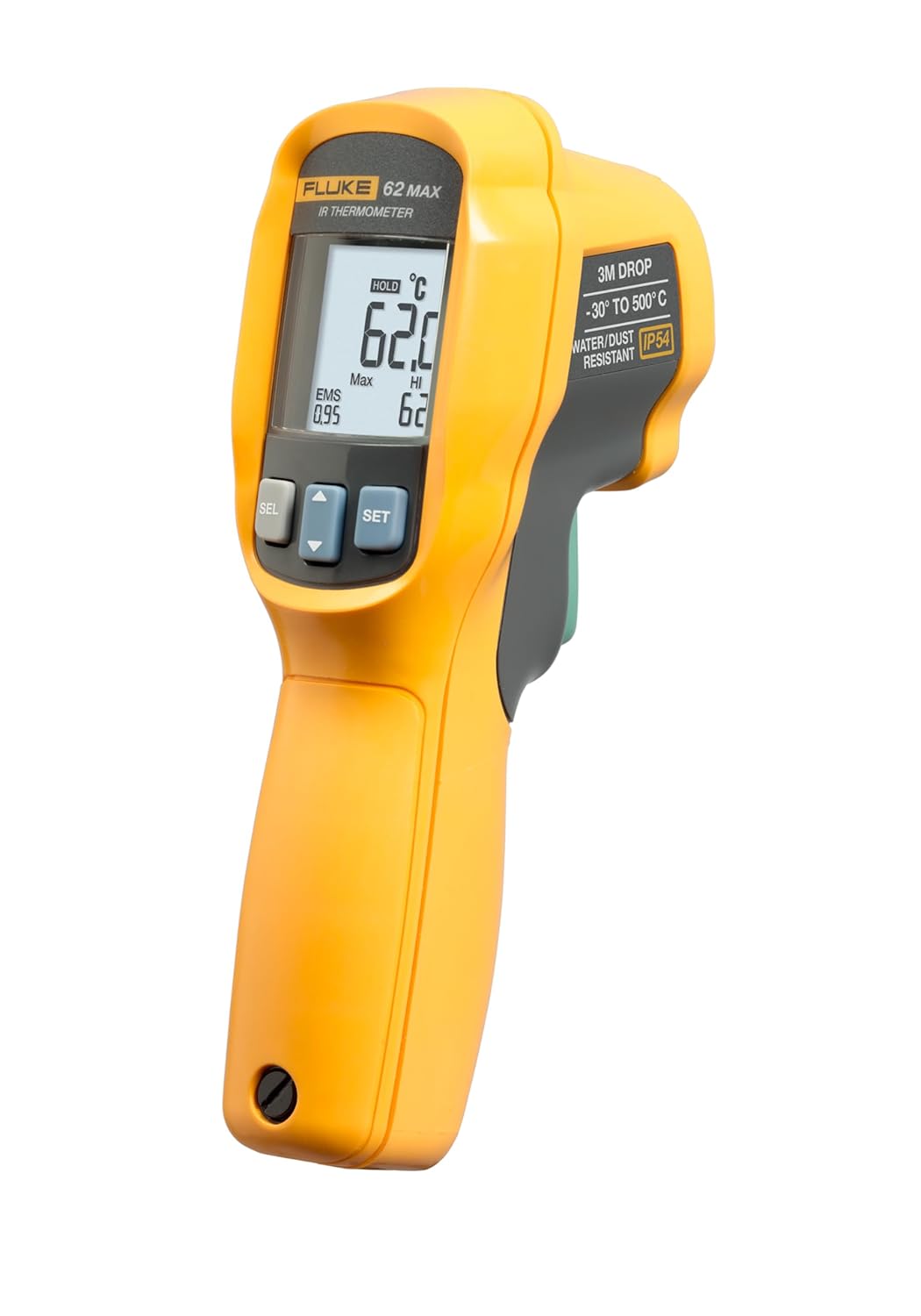
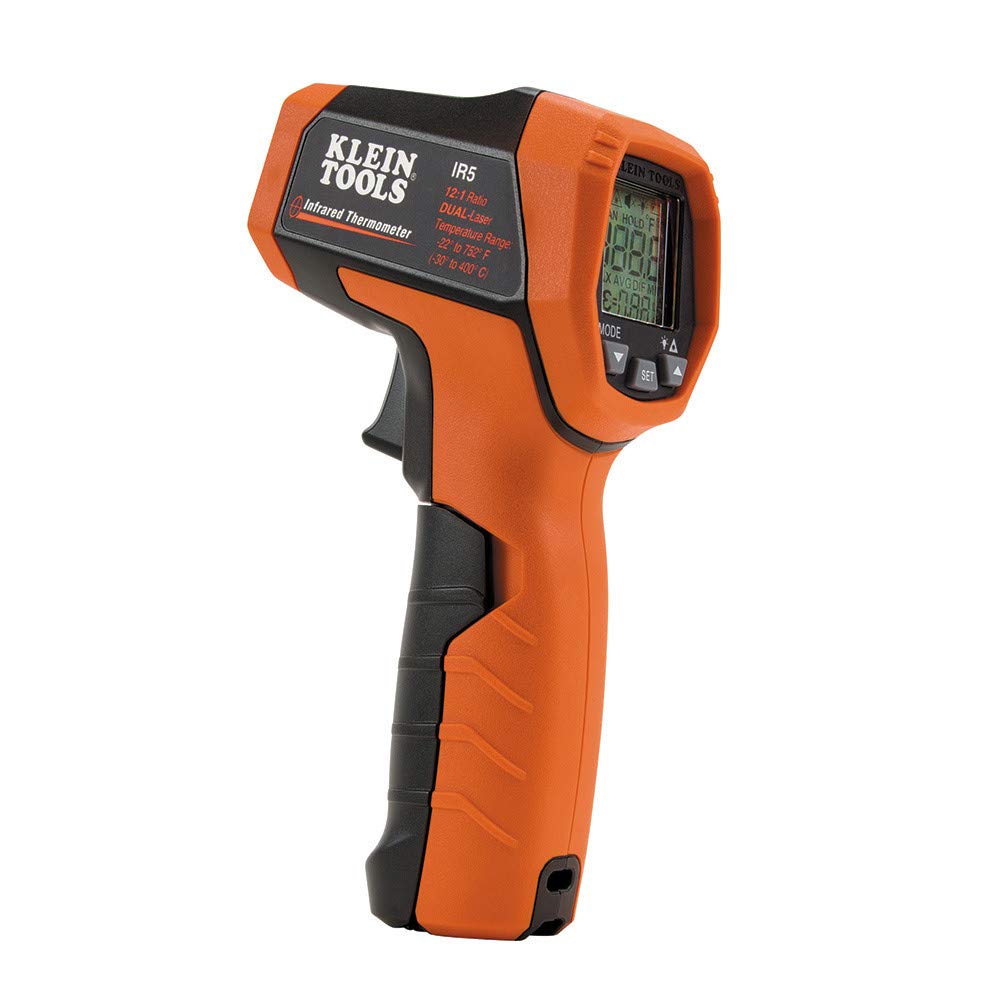
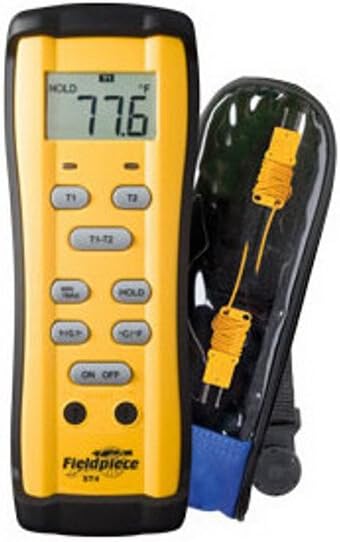
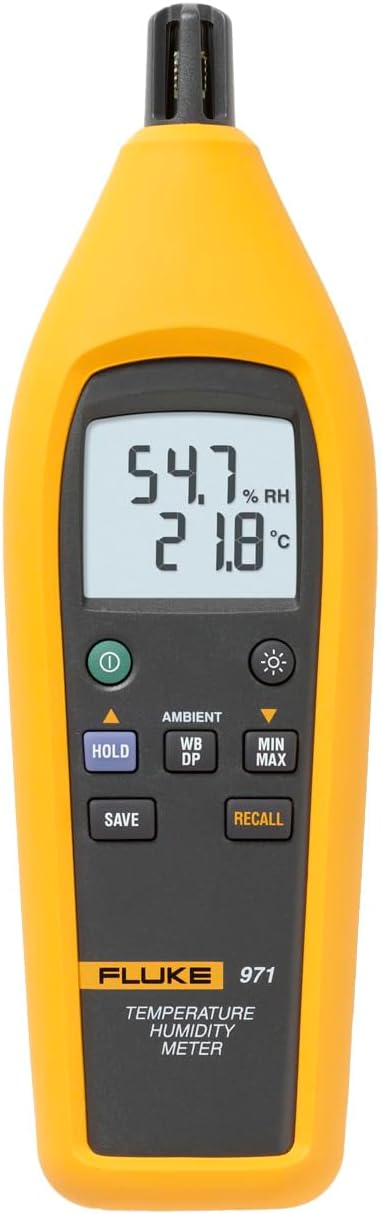
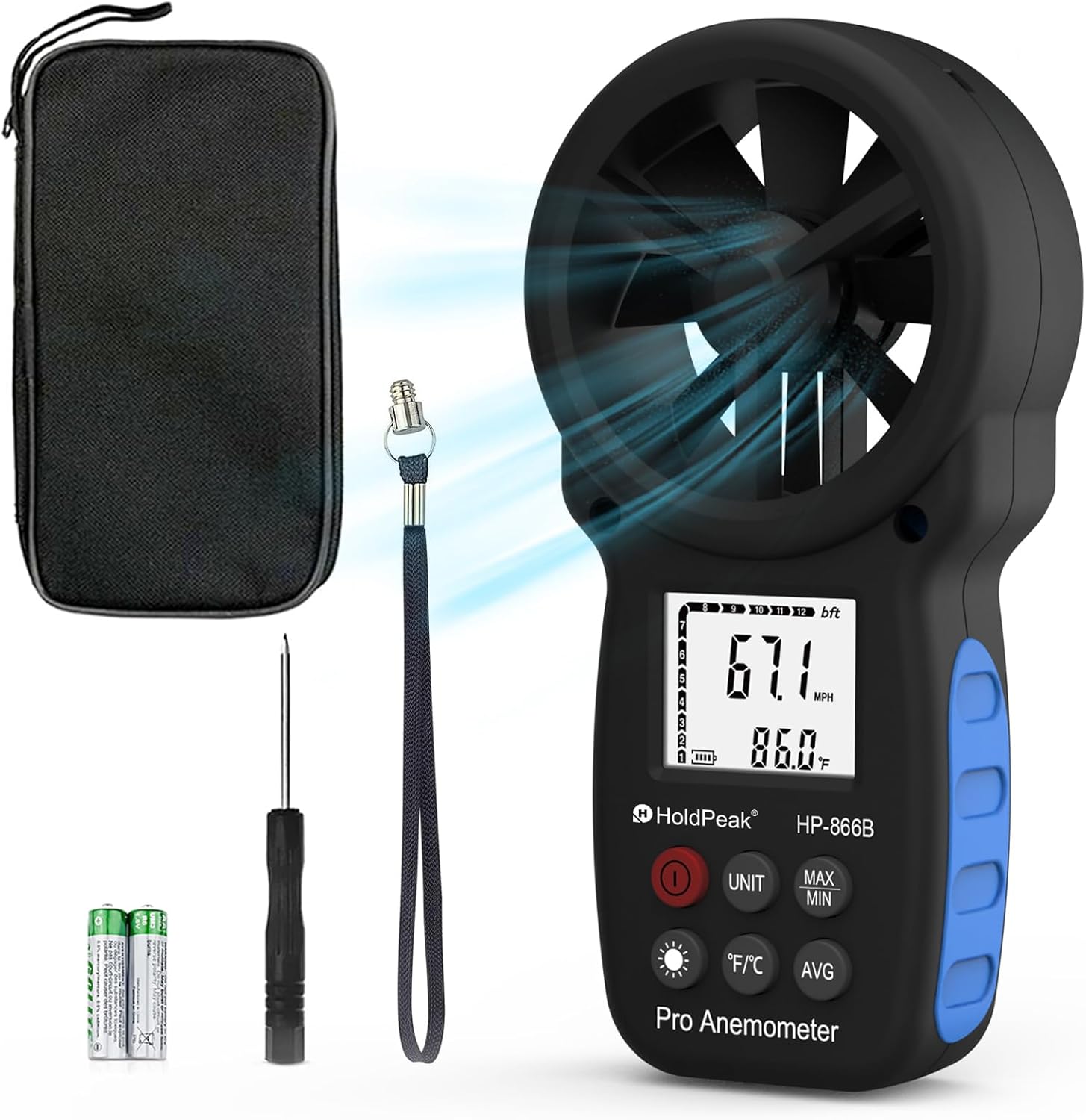
As an Amazon Associate, TestTalkHQ earns from qualifying purchases. All five cards are sourced only from the affiliate CSV with verified Product Image URLs. Catalog gaps flagged by name (no image URL — not shown as cards): Tempilstik / temperature-indicating crayons; dedicated weld contact pyrometer SKUs; induction heaters / heating blankets; rosebud torches; YESWELDER E7018; ARCCAPTAIN welding helmets; Everlast MIG; welding water cooler.
Interpass page = ceiling exceeded, stacked passes, wrong material family max, quench between passes. This page = floor not held, CE/thickness inputs wrong, soak/method failures, and false warm reads before the first arc.
Preheat vs interpass is already a dedicated page — rebuilding it would duplicate the thermal-triad cluster.
Confirm CE inputs and governing thickness. Then check hydrogen, restraint, and whether ambient cold-weather floors apply. “No preheat” on the wrong chemistry is still a CE error.
No. HI and preheat are different levers. See heat-input troubleshooting when kJ/mm is also out of band.
Chart skipped — tables live in the calculator and guide.