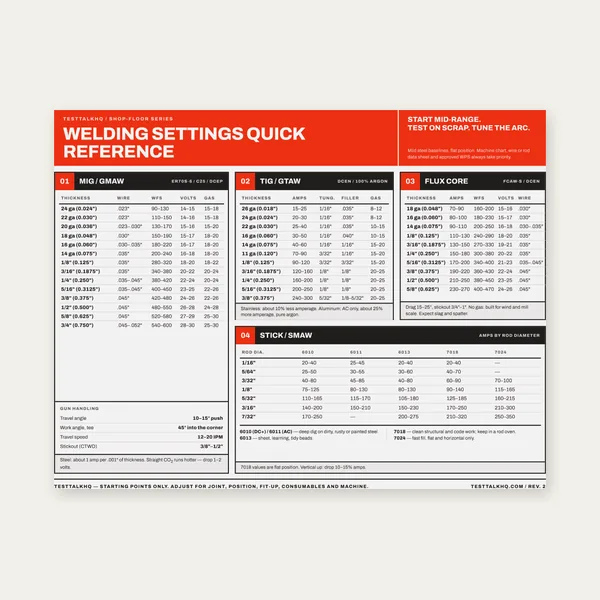
Welding Reference Card
One page. MIG, TIG, stick and flux core settings by thickness.
$3.99
BuyDiagnose over-temp stacks, fake IR reads, wrong measure spots, illegal quench, stainless sensitization, and impossible preheat/max windows
Not another definition of interpass. Pair this with the Interpass Temperature Calculator when the °F/°C window looks green and the joint still fails toughness, corrosion, or inspection. For why ceilings exist by material, use the Interpass Temperature Guide. Floor vs ceiling concepts: Preheat vs. Interpass.

Use this when the calculator max is known but production still overheats, under-cools below preheat, or logs temperatures that never existed on the plate.
| Problem | What it usually means | First fix | Next tool |
|---|---|---|---|
| IR says “cool enough,” crayon melts / contact is hot | Shiny stainless / wrong emissivity; spot size too large | Contact pyrometer or Tempilstik at WPS location; dull the spot | Interpass Guide |
| Pass stacked, joint glowing, still “in window” on paper | Measured far from toe; only torch side; timed before slag-off heat soaked | Measure per WPS within ~1" of joint, both sides on thick work | Interpass Calculator |
| Stainless/duplex fails corrosion after multi-pass | Carbon-steel 400°F habit on 350/300°F ceilings | Re-run calculator for correct material family; wait / leapfrog | Interpass Calculator |
| Cold cracks despite “max interpass OK” | Joint dropped below preheat between passes | Reheat to floor before next arc; check min and max | Preheat Calculator |
| Impossible window / always over | Preheat set above max interpass; summer shop + high HI | Fix procedure conflict; drop HI; sequence cooling | Heat Input Troubleshooting |
What it looks like: Gun reads 280°F on austenitic work (max 350°F). Tempilstik at 350 melts immediately. Or contact probe reads 420°F on carbon steel while IR shows 360°F.
Likely causes: Low emissivity on bright stainless or aluminum — IR under-reads. Spot size larger than the hot zone so the gun averages cooler plate. Measuring through smoke, slag, or at a glancing angle. Battery/out-of-cal gun drift.
Fixes: Dull a small patch (flat black marker or approved surface prep) and re-shoot, or switch to contact pyrometer / correctly rated temperature crayon. Treat IR as a production sequencer, not the sole code record, unless the WPS accepts it with verified technique.
What it looks like: Log sheet shows numbers inside the window. Inspector watches you shoot the back of a thick flange 6" from the groove while the toe is still cherry.
Likely causes: Habit of measuring wherever is convenient. Only one face of thick members. Reading weld metal instead of base metal when the WPS wants adjacent base. Measuring before slag-off when heat is still redistributing.
Fixes: Follow the WPS location — typically within about 1 inch of the joint on base metal. On thick or double-sided joints, check both accessible faces. Wait the brief soak the procedure implies after cleaning, then measure before the next arc.
What it looks like: First two passes fine. By pass 4–6 every start is over max within seconds of cleaning. Production wants continuous arc time.
Likely causes: High heat input weaves (see Heat Input Troubleshooting). No leapfrog/skip sequence. Hot shop ambient starting near the ceiling. Illegal water quench or aggressive air blast when the WPS wants air cool only — or the reverse: waiting forever because nobody planned sequence.
Fixes: Leapfrog segments so each start location has a cool window. Drop HI or switch to stringers when the ceiling is tight. Only force-cool if the procedure allows. Plan grinding and inspection into natural wait time.
HI and interpass stack together High kJ/mm plus hot starts is a toughness killer.
Heat Input CalculatorWhat it looks like: Crew treats 400°F as universal. Austenitic work runs 380–420°F between passes “because D1.1 muscle memory.” Corrosion or phase-balance failures show up later.
Likely causes: Wrong material family in the head (and sometimes in the calculator). Ignoring duplex ~300°F and aluminum ~250°F ceilings. High HI plus high interpass on sensitization-sensitive alloys.
Fixes: Re-select material in the Interpass Temperature Calculator before the job. Post the max at the booth. On stainless, pair interpass discipline with travel/heat-input control — fluid puddles are not permission to sit hot.
What it looks like: Team celebrates “we never went over 400.” Overnight toe cracks on restrained high-CE steel. Between-pass IR shows 150°F on a joint that required 250°F preheat.
Likely causes: Treating max interpass as the only number. Long waits, overnight holds, or wind cooling without reheat. Confusing “cooler is safer” with hydrogen-crack physics.
Fixes: Enforce the floor with the Preheat Temperature Calculator and reheat before the next pass. The window is two-sided. See Preheat vs. Interpass Temperature when the crew mixes the words.
The real fork — floor before the first arc vs ceiling between passes — already has a dedicated comparison page. Do not duplicate it here; use it when the crew confuses the two words.
One page. MIG, TIG, stick and flux core settings by thickness.
$3.99
Buy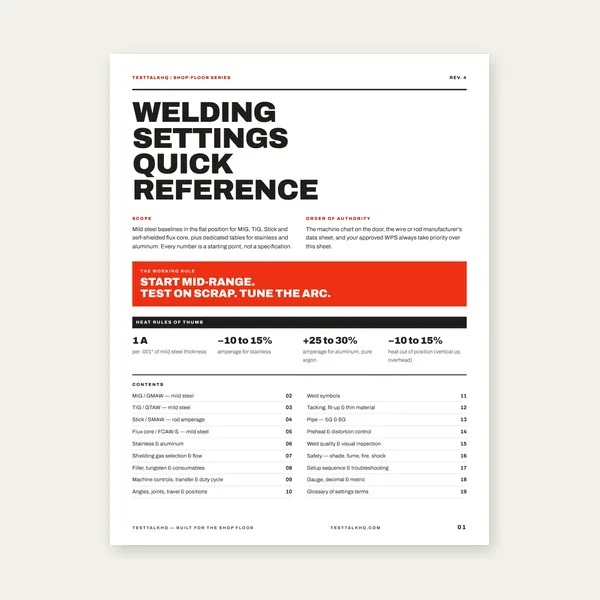
19 pages. Four processes, stainless and aluminum, symbols and inspection.
$12.99
Buy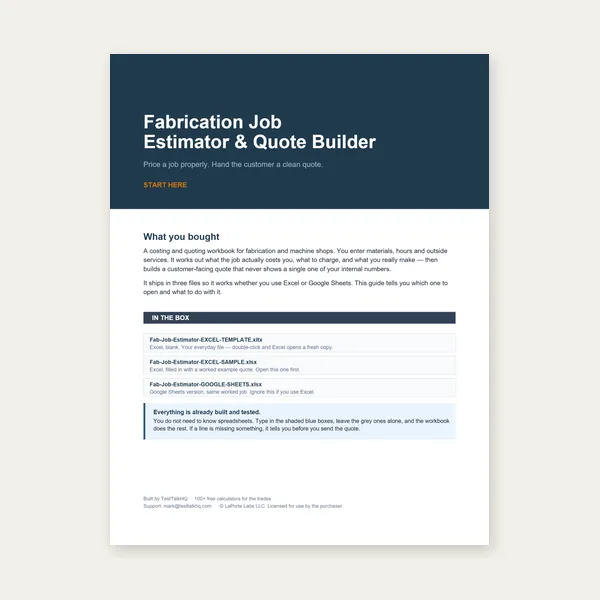
Price the job, then hand over a quote with no internal numbers.
Excel or Google Sheets. Best on a computer.
$29.00
Buy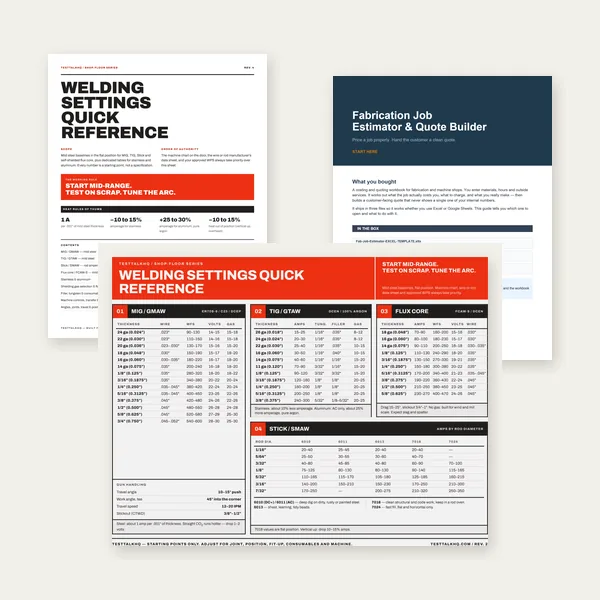
Card, 19-page guide and the estimator workbook. All six files.
Excel or Google Sheets. Best on a computer.
$34.99
$45.98 if bought separately — save $10.99
BuyCheckout opens in a new tab.
Five CSV catalog picks — verify temperature between passes and keep multi-pass work inside the window
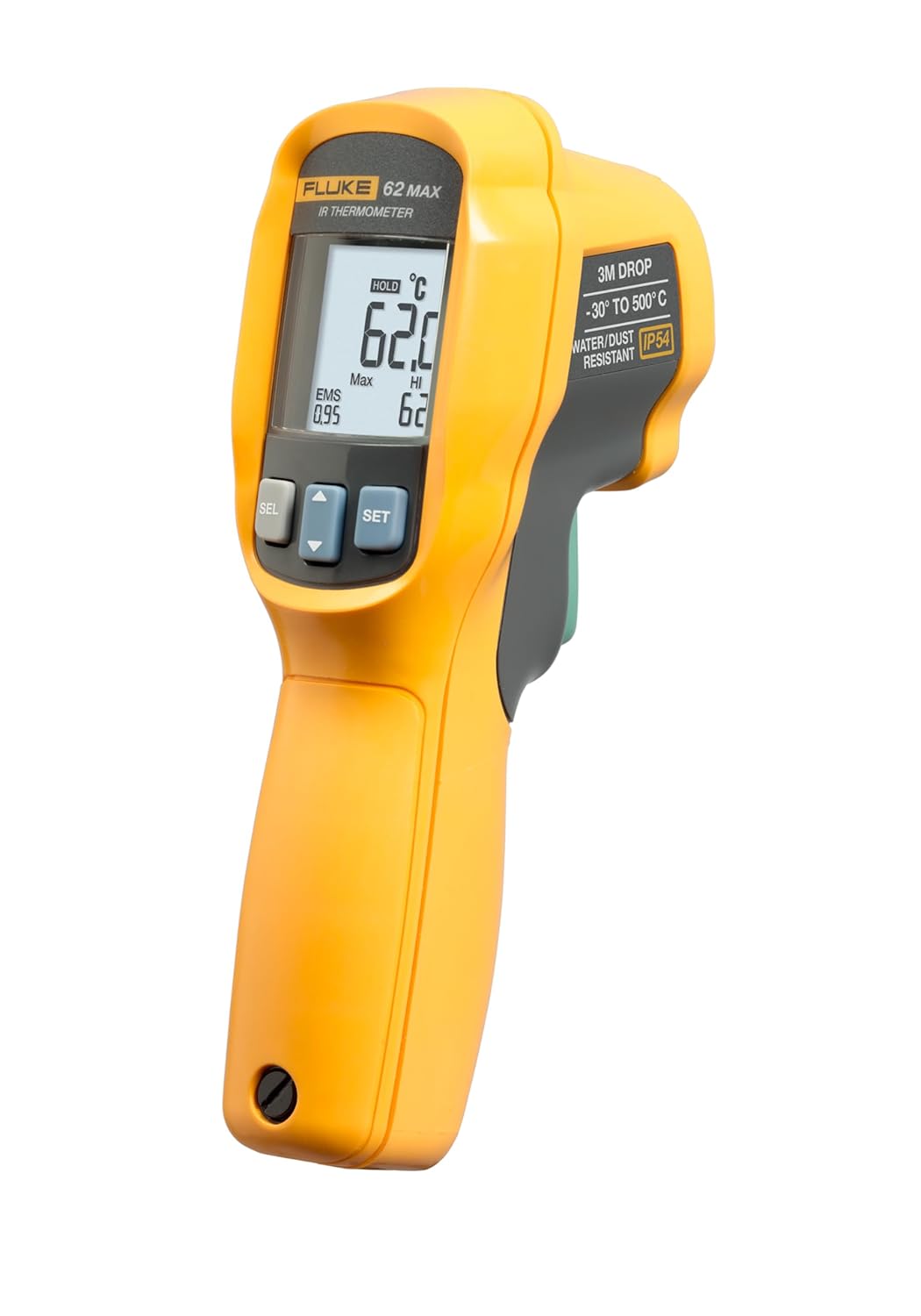
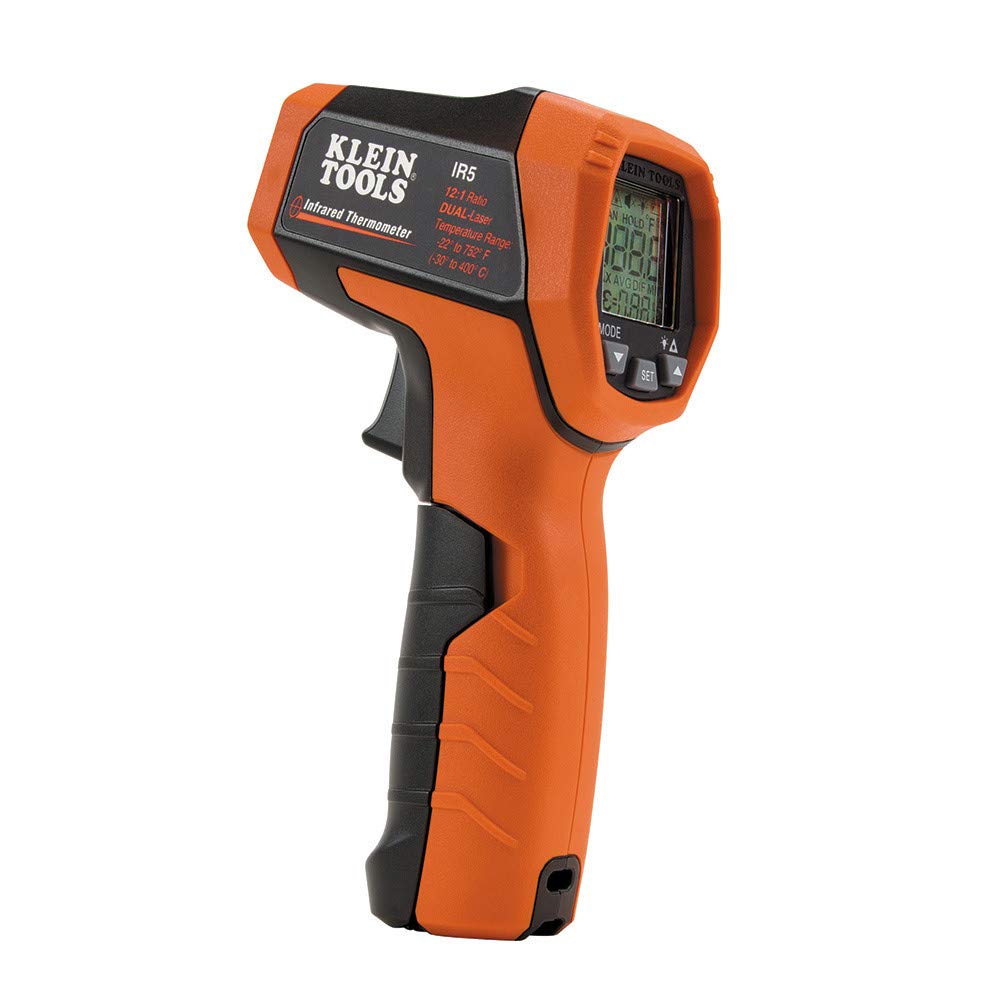
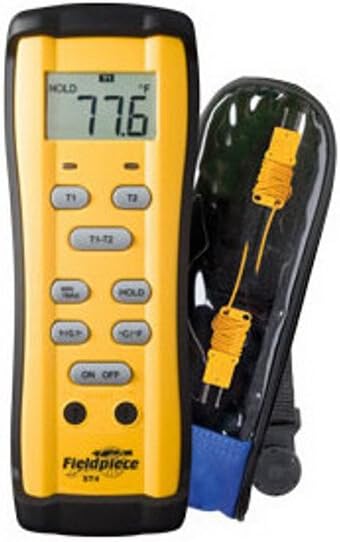
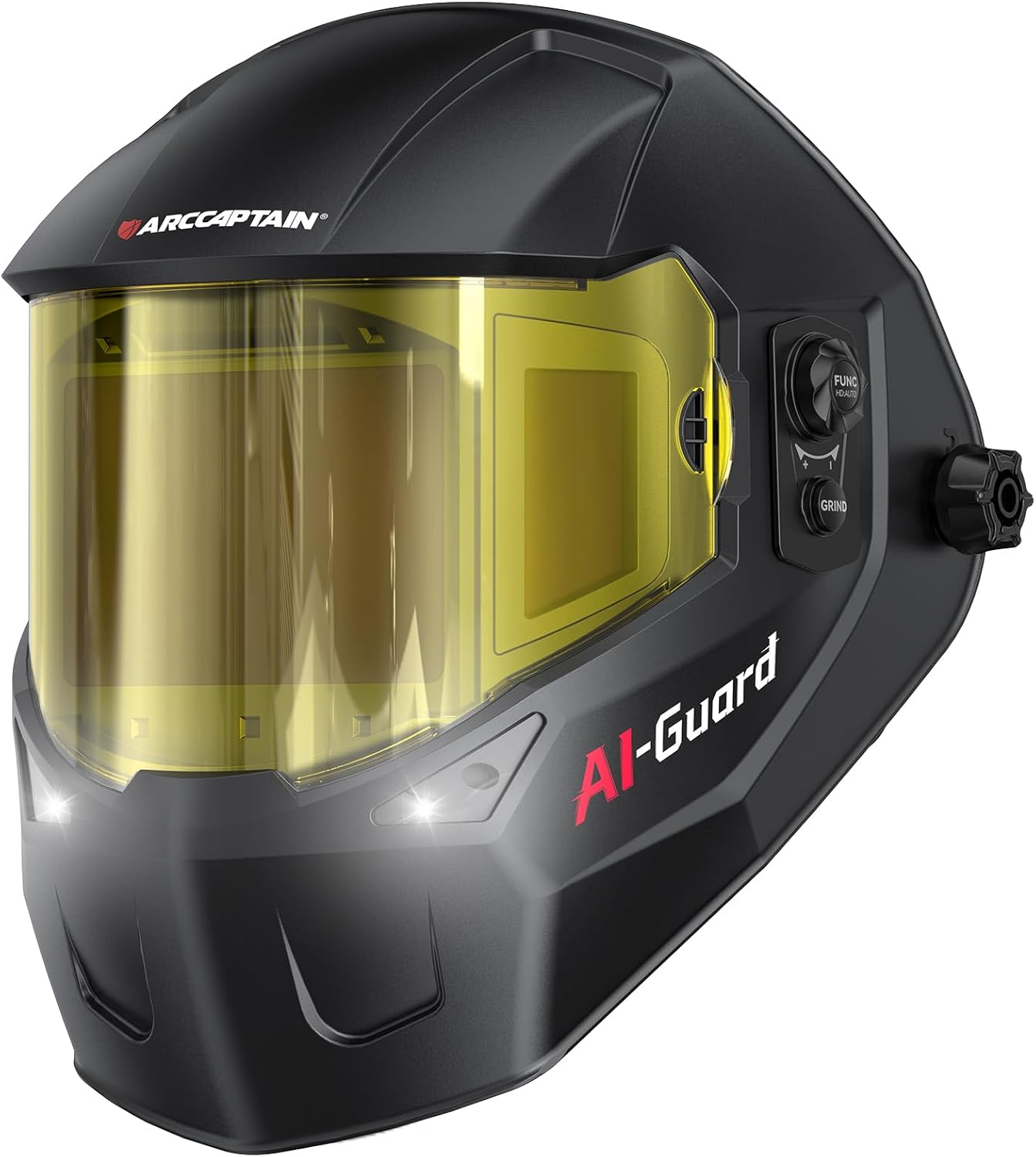
As an Amazon Associate, TestTalkHQ earns from qualifying purchases. All five cards are sourced only from the affiliate CSV. Catalog gaps by name: Tempilstik / temperature-indicating crayons; dedicated contact weld pyrometer SKU.
Only if the WPS allows it. Many structural procedures want air cool — quench can create new metallurgy problems. When in doubt, wait or leapfrog.
No — you can be under max and still below required preheat. Both edges of the window matter on crack-sensitive steels.
Different ceilings and damage modes. Sensitization and phase balance are not the same as carbon-steel toughness drift.
No. The guide teaches why limits exist and how to measure. This page diagnoses failures when the calculated window already looked correct.