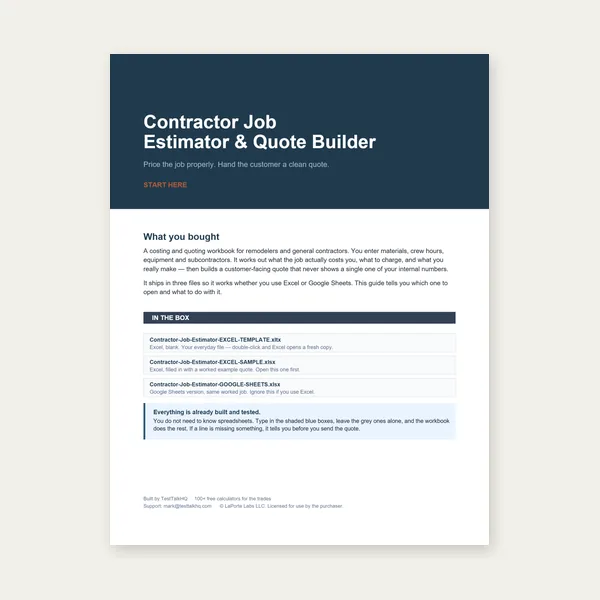
Contractor Job Estimator
Price remodels and GC work, then send a quote with no internal numbers.
Excel or Google Sheets. Best on a computer.
$29.00
BuyThe structural steel welding code — who must follow it, and what WPS vs welder quals actually mean.
AWS D1.1 is the Structural Welding Code for steel used on buildings and industrial structures — not a hobby manual. This guide covers what it governs, who typically needs compliance, the difference between a WPS and welder certification, and when other codes (D1.6, ASME IX) apply instead. Pair it with the Weld Symbol Chart, Weld Symbol Reference, and Weld Joint Design Guide. Test your recall with the free AWS D1.1 Practice Quiz.
AWS D1.1 / D1.1M — Structural Welding Code — Steel is the American Welding Society’s primary code for welding structural carbon and high-strength low-alloy steel. It covers design of welded connections, prequalification of procedures, qualification of welding procedures and welders, fabrication, inspection, and stud welding for structural steel. It is not a hobby handbook — it is the rulebook many engineers, fabricators, and inspectors cite on buildings, bridges (related codes), industrial structures, and similar steel construction.
If you are fabricating structural steel for a building, mezzanine, stair tower, or industrial frame where the contract documents invoke AWS D1.1 — you follow it. Owner specs, engineer of record requirements, and building department conditions often point to D1.1 by name. Farm repairs, art projects, and non-structural hobby welding generally do not require D1.1 compliance unless someone wrote it into the purchase order. The difference is contractual and regulatory, not whether your bead looks nice.
A WPS (Welding Procedure Specification) describes how the weld is made: process, base metal, filler, positions, preheat, parameters, etc. Procedure qualification (PQR) proves that WPS can produce sound welds with required properties.
A welder performance qualification (WPQ) proves a specific person can deposit sound weld metal using a qualified procedure in given positions/processes. Passing a welder test does not invent a WPS, and having a WPS on the shelf does not mean every welder on the floor is qualified to it. Both matter on D1.1 jobs.
Applies: Contract or jurisdiction requires structural steel welding to AWS D1.1; engineer cites D1.1 for connection design and inspection; fabricator’s quality manual is built around D1.1 prequalified joints and qualified procedures.
Does not automatically apply: Home shop projects, non-structural brackets with no code callout, or work governed by a different code (pressure piping, stainless structural, aerospace) without a D1.1 reference. Always read the project documents — “we always use D1.1” is not a substitute for the spec.
AWS D1.6 covers structural stainless steel welding — different base metals than D1.1. ASME Section IX governs qualification of welding procedures and welders for boilers and pressure vessels (and is referenced widely in pressure work) — a different scope from building-structural D1.1. Knowing the names prevents using the wrong acceptance criteria. For drawing literacy on structural jobs, see the Weld Symbol Chart and Weld Symbol Reference; for joint details, use the Weld Joint Design Guide.
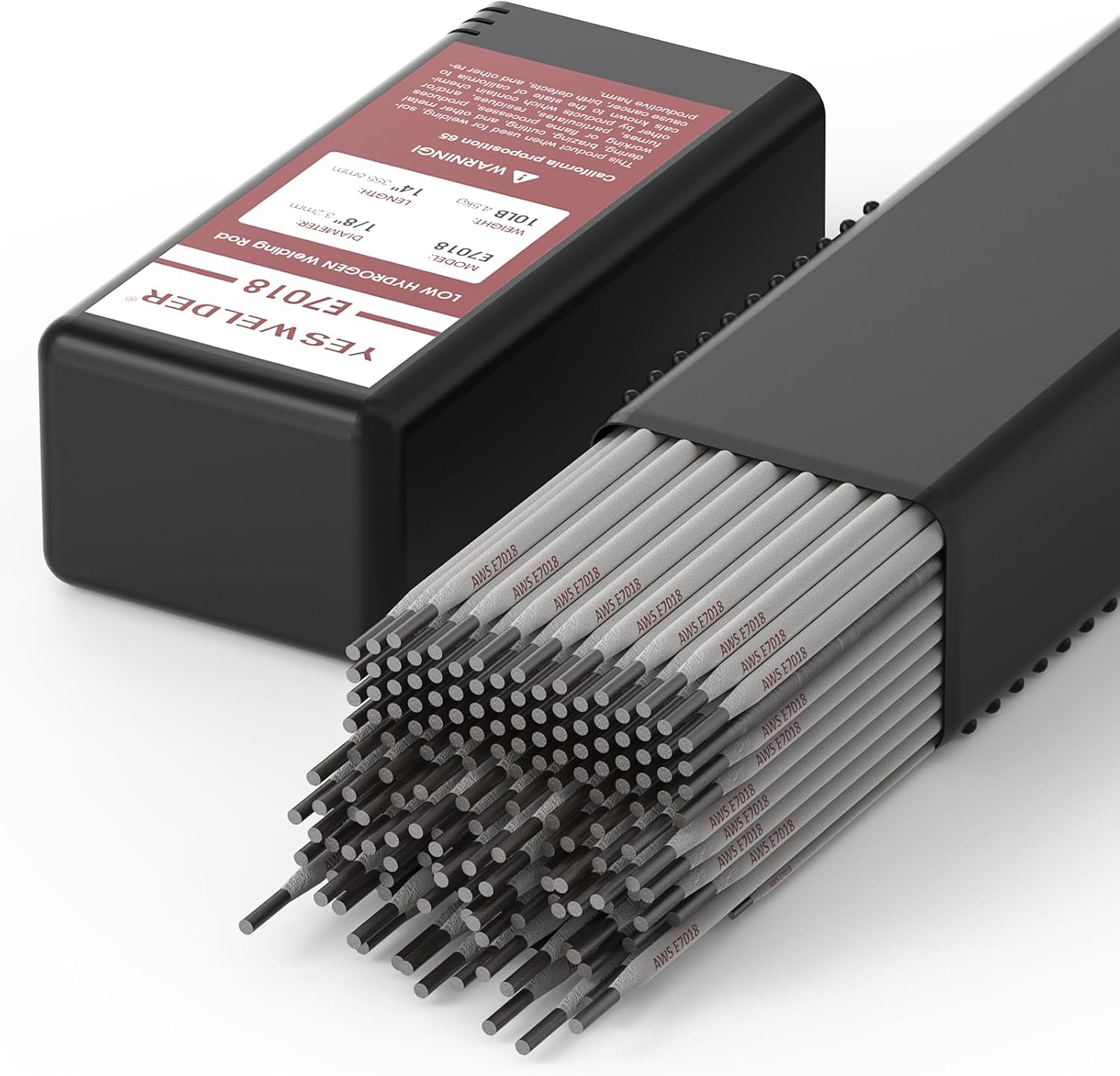
D1.1 work means documented procedures, qualified people, controlled consumables (especially low-hydrogen), inspection points, and acceptance criteria for discontinuities. Pricing must reflect that overhead — see Weld Cost Estimation Guide when bidding code work versus casual fab.
Price remodels and GC work, then send a quote with no internal numbers.
Excel or Google Sheets. Best on a computer.
$29.00
BuyCheckout opens in a new tab.
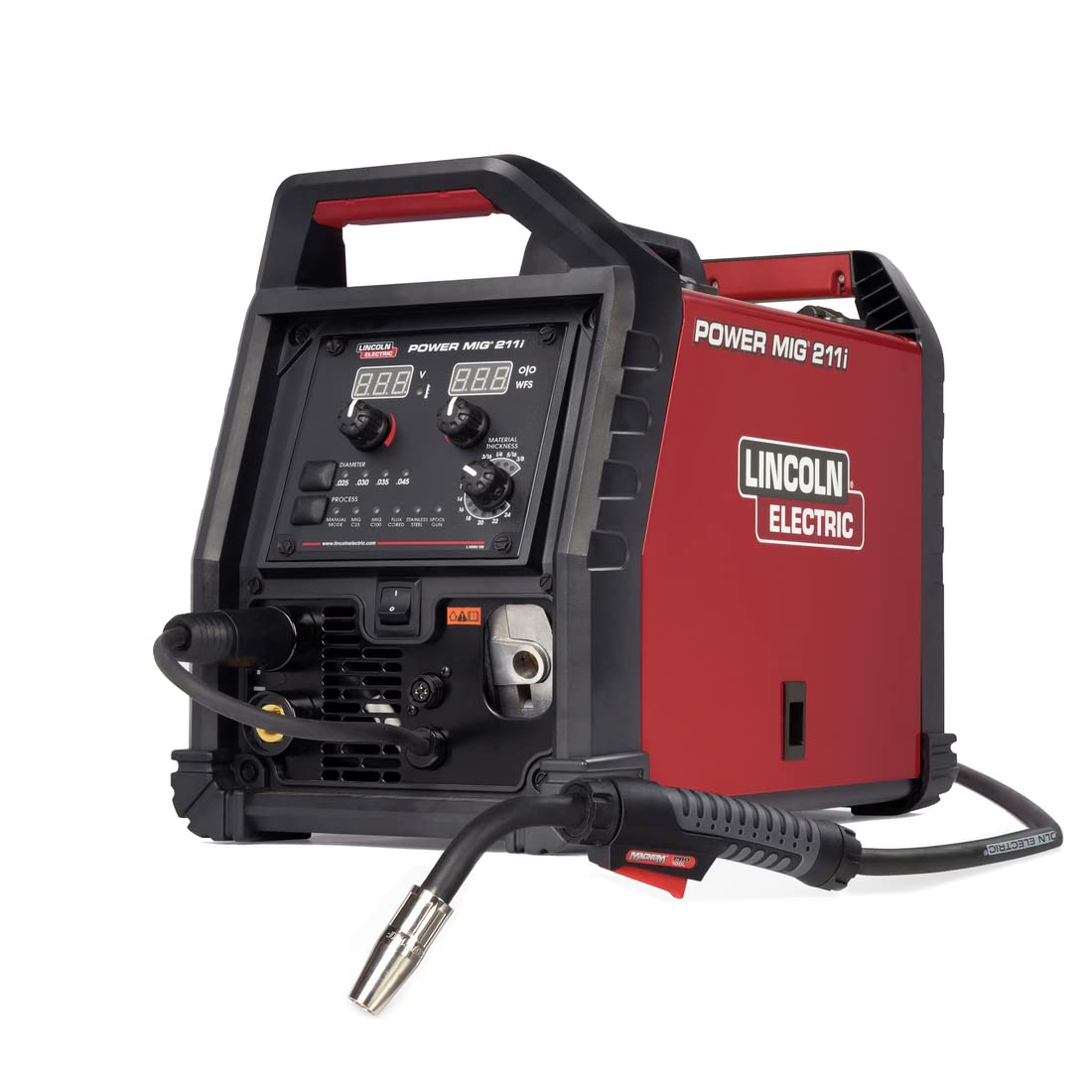
Machines, low-hydrogen consumables, and prep tools common on D1.1-style structural jobs
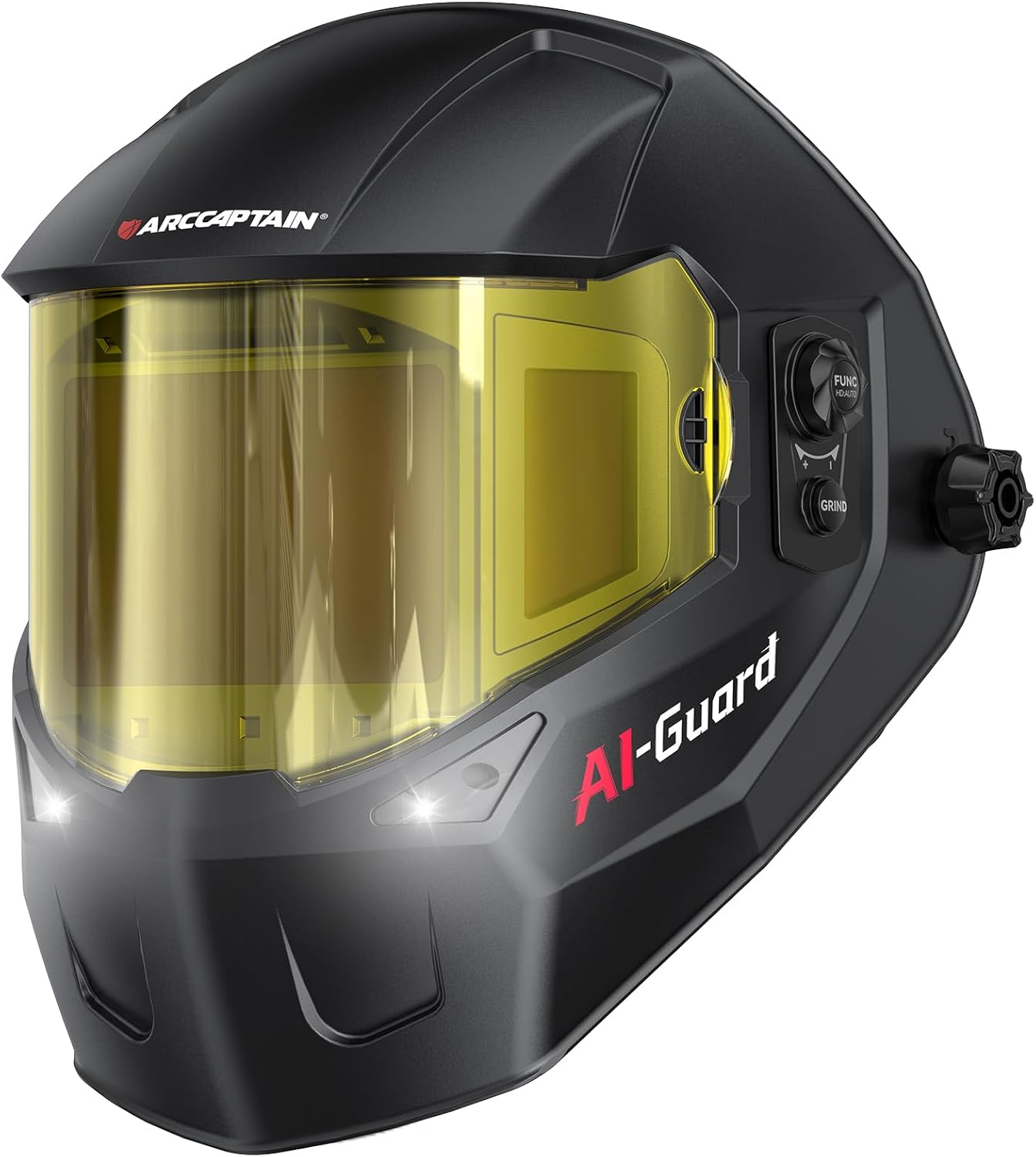
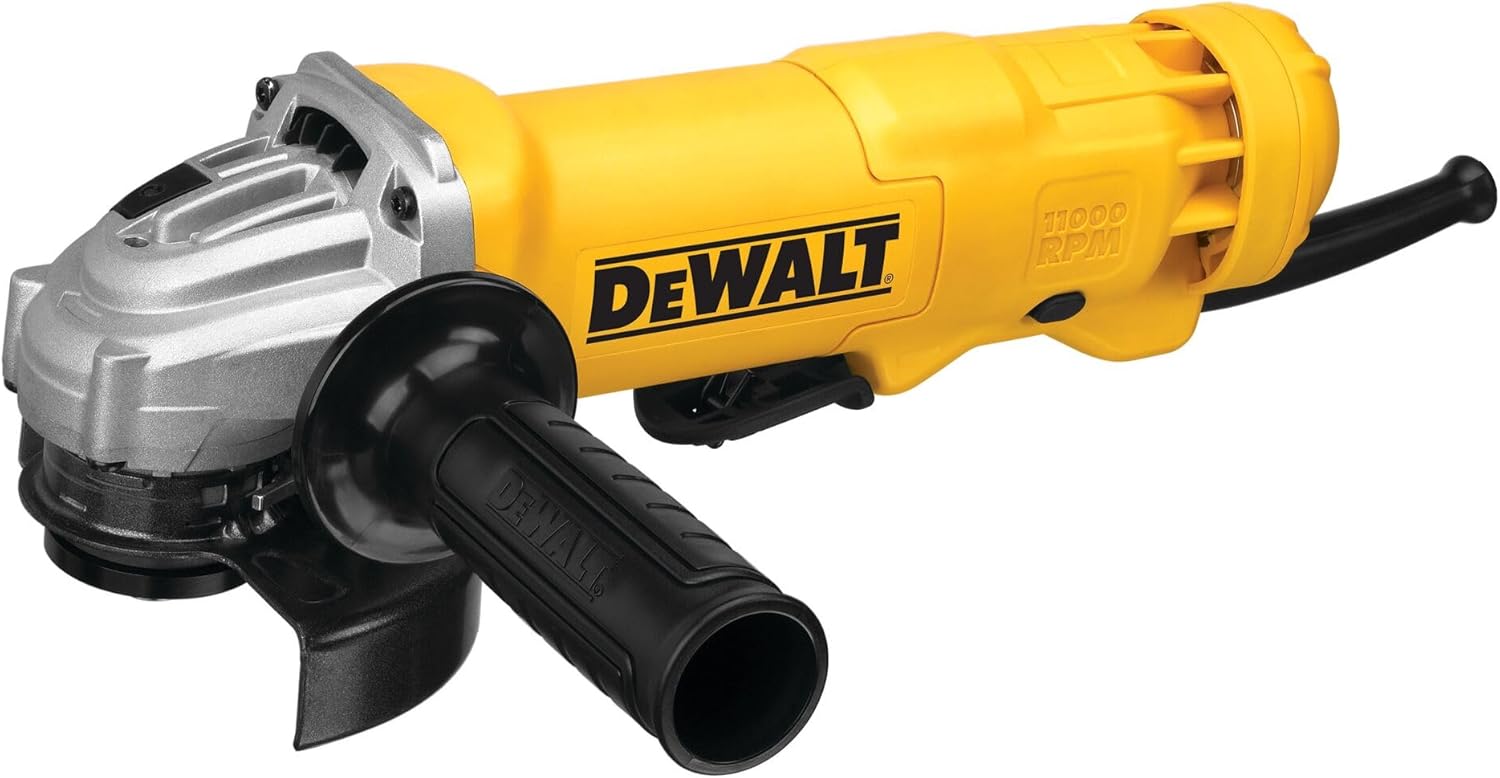
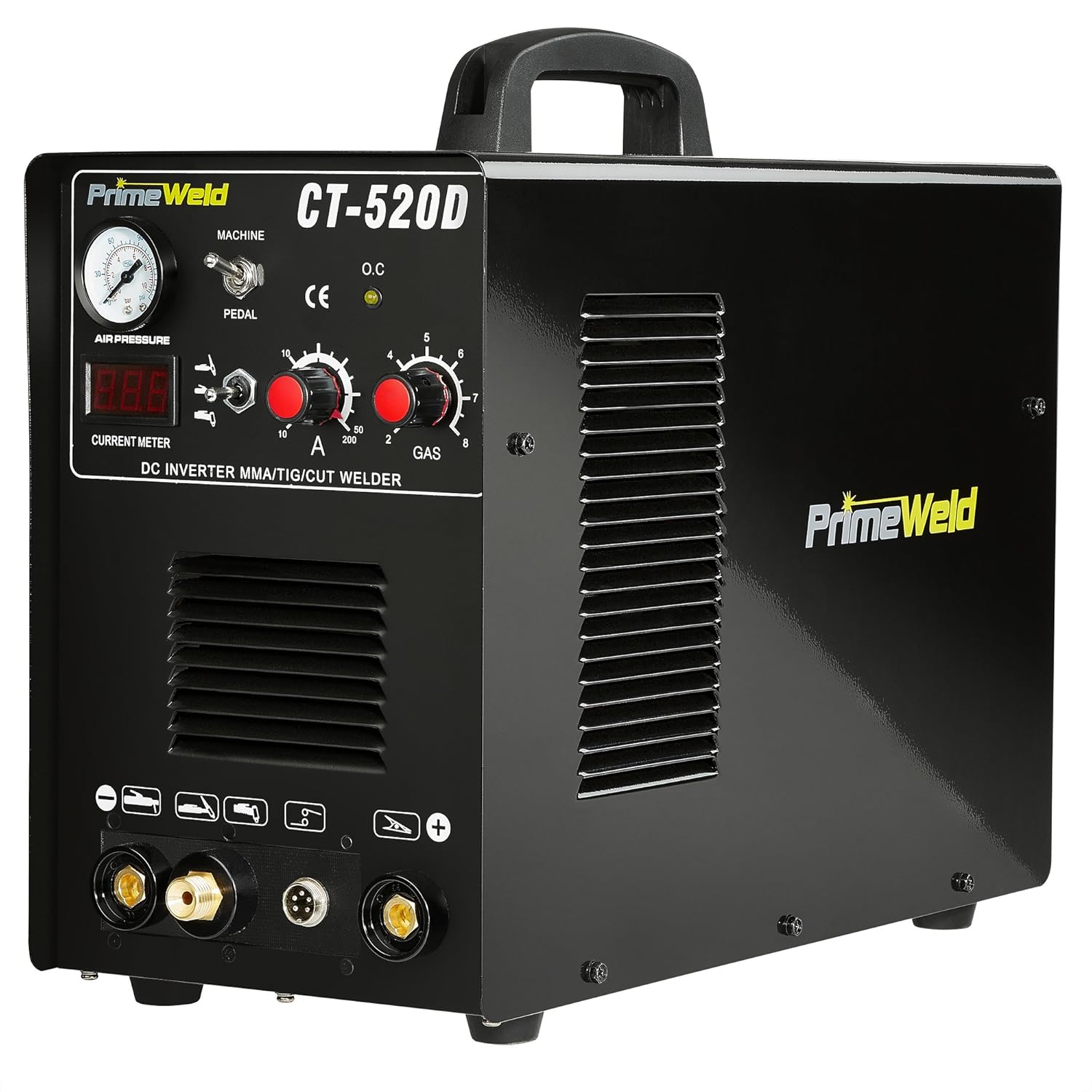
As an Amazon Associate, TestTalkHQ earns from qualifying purchases.
D1.1 includes prequalified joint details and procedure conditions that can be used without testing if all limits are met. Outside those limits, you qualify by testing (PQR). Do not assume every groove you invent is prequalified.
Visual inspection is baseline; NDT (MT, PT, UT, RT) appears when the engineer or code provisions require it. A pretty bead that fails UT is still a failed weld under the contract.
D1.1 gives welding rules; the structural engineer owns member sizes and connection design. Welders execute; they do not redesign moment connections from memory.
Contract documents cite a specific D1.1 year. Using an older shop copy for a job specified to a newer edition is a documentation risk — match the edition called out.