Countersink & Counterbore Depth Calculator
Get the right depth every time — no guessing, no scrap parts.
Calculate countersink depth, surface diameter, counterbore dimensions, and pilot hole size from screw diameter and angle. Switch between countersink and counterbore modes for flat-head machine screws or socket-head cap screws.
Also try our Drill Speed Calculator, Tap Drill Size Calculator, and Reaming Speed Calculator.

Recommended Drilling & Countersink Tools
Pilot drills and countersink tools for accurate hole prep in the shop
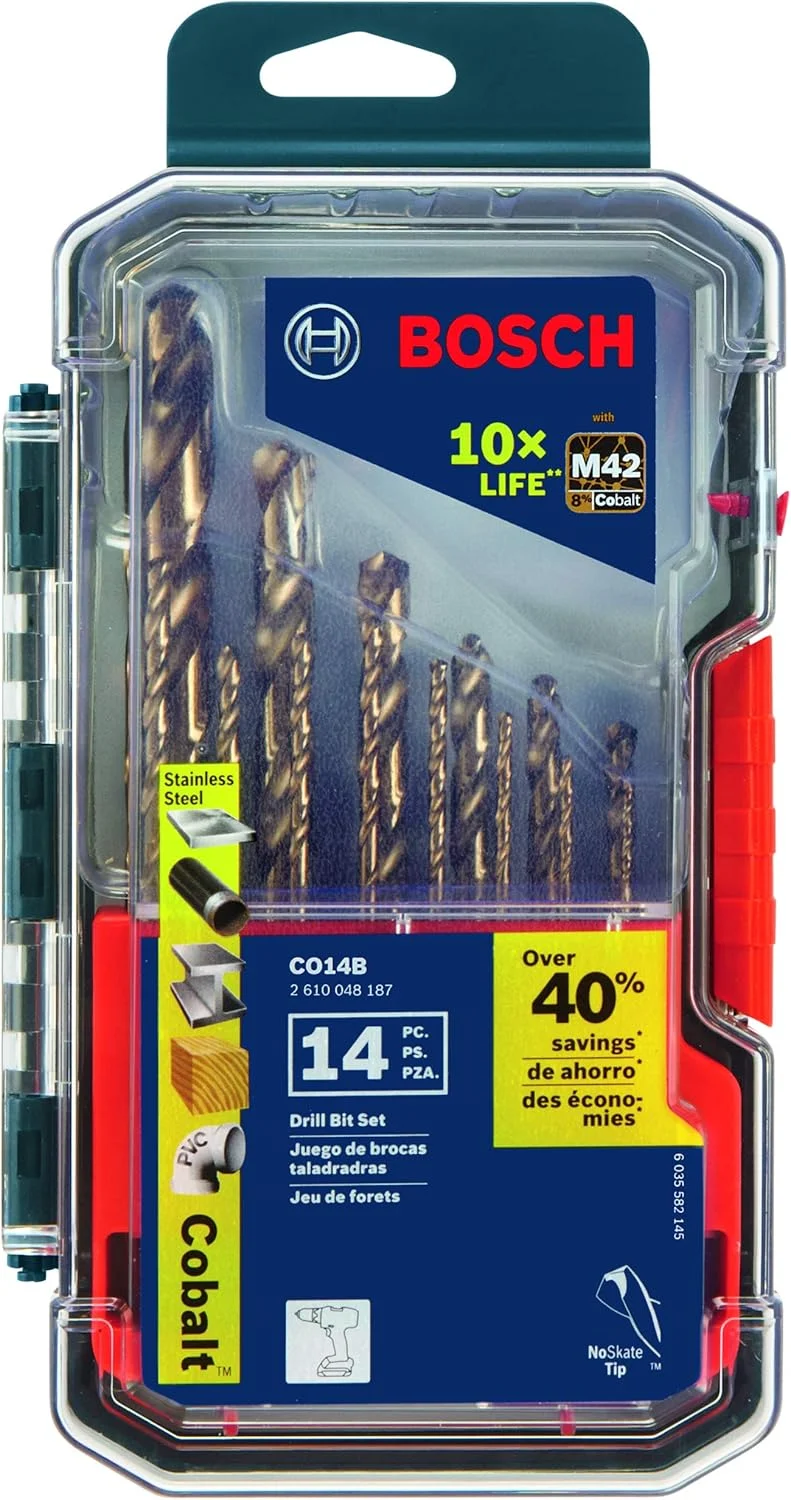
BOSCH CO14B 14-Piece Cobalt M42 Drill Bit Set
- M42 cobalt for hardened steel and stainless
- 135° split-point self-centers without a punch
- Ideal pilot holes before countersinking
- Three-flat shanks reduce chuck slip
- Shop staple for tough materials
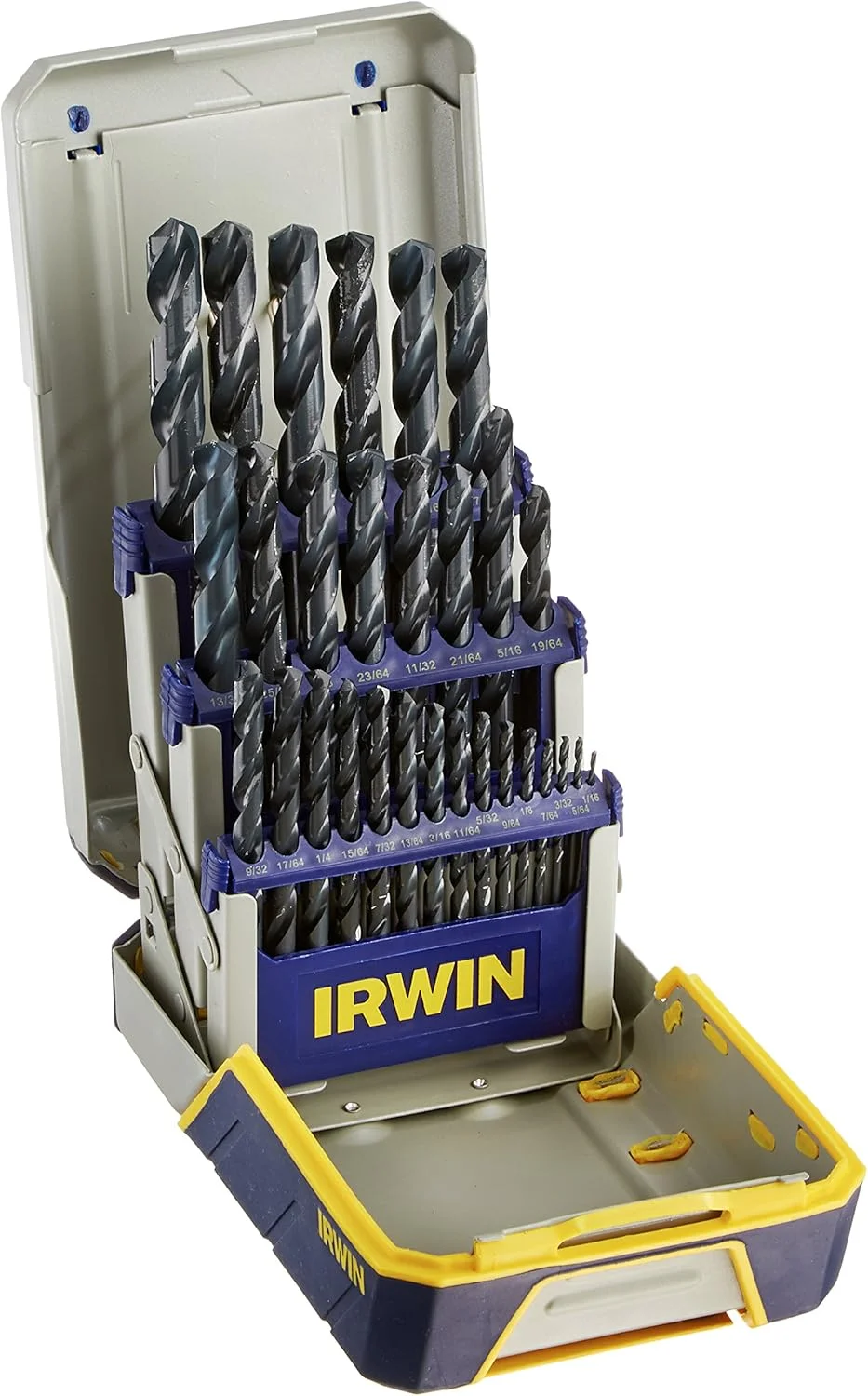
IRWIN 29-Piece Black Oxide Drill Bit Set
- Full fractional range 1/16 to 1/2 inch
- Black oxide coating extends bit life
- Pilot holes for countersinks and counterbores
- Split-point tips reduce walking
- Everyday set for mild steel and aluminum
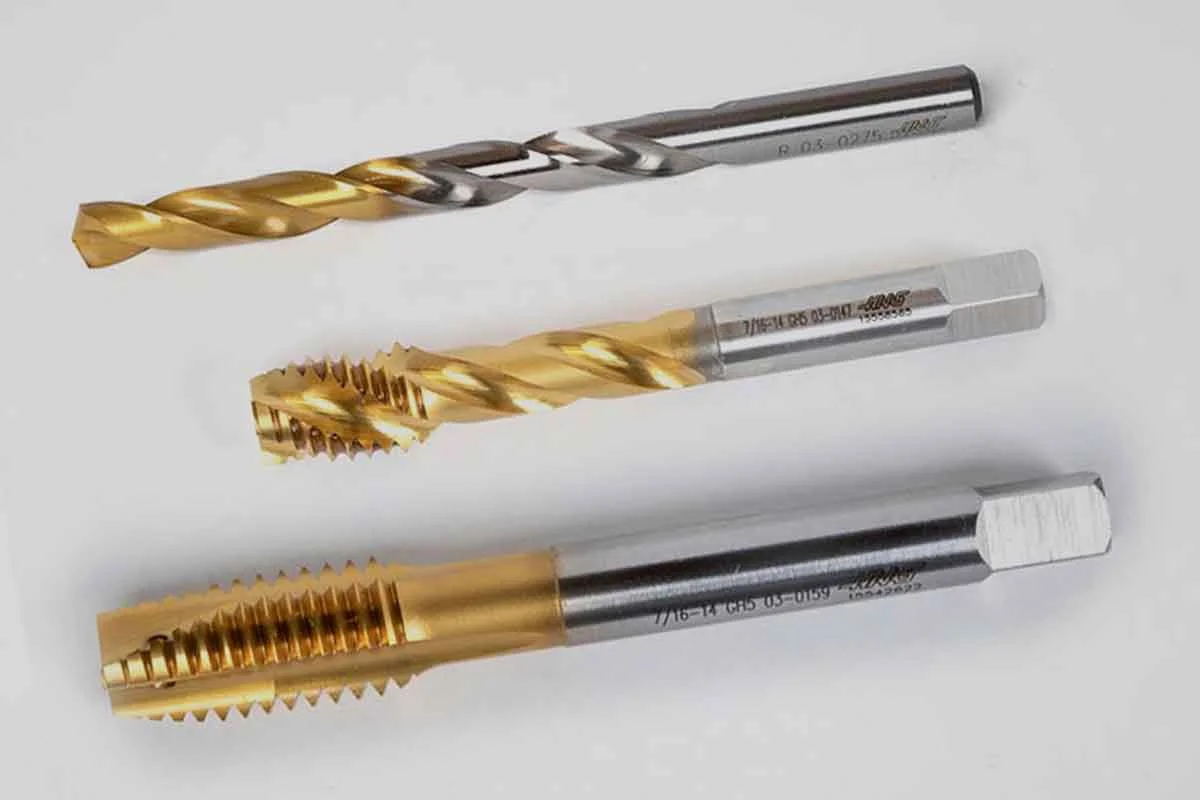
Ironant Step Drill Bit Set
- Clean holes and countersinks in one pass
- Great for thin sheet metal and panels
- Deburr and chamfer in a single step
- No pilot needed on thinner stock
- Ideal for enclosures and fab panels
As an Amazon Associate, TestTalkHQ earns from qualifying purchases.
Countersink vs. Counterbore — What's the Difference?
A countersink is a conical recess that allows a flat-head screw to sit flush with the material surface. The angle of the recess matches the underside angle of the screw head — most commonly 82 degrees for standard flat-head machine screws in North America. A counterbore is a cylindrical flat-bottomed recess sized to accept a socket-head or button-head cap screw so the entire head sits below the surface. Both serve the same functional goal — a flush or recessed fastener — but the geometry is completely different and the tools required are not interchangeable.
How to Pick the Right Countersink Angle
The most common countersink angle in North American machining is 82 degrees, which matches standard flat-head machine screws per ANSI standards. Wood screws typically use 90 degrees. Metric flat-head screws are usually 90 degrees as well. Aerospace and aviation applications often specify 100 degrees. When in doubt, check the screw manufacturer's spec sheet — the countersink angle is always listed. Using the wrong angle leaves a gap at the surface or causes the screw to bottom out before the head seats, both of which compromise clamp load and appearance.
Pilot Hole Sizing for Countersunk and Counterbored Holes
The pilot hole is drilled first, before the countersink or counterbore operation. For machine screws, the pilot hole should be sized to the screw's minor diameter — approximately 85% of the nominal screw diameter for a standard fit. Going too small risks thread galling or tap breakage on blind holes. Going too large reduces holding strength. For counterbored socket head cap screws, the pilot hole only needs to be a light clearance fit — typically nominal screw diameter plus 0.005 to 0.010 inches. Always drill the pilot before running the countersink or counterbore tool.
Common Countersinking and Counterboring Mistakes
The most common mistake is drilling the countersink too shallow, leaving the screw head proud of the surface. This causes interference fits, poor mating surface contact, and an unprofessional finish. The second most common error is running a countersink tool too fast in hard material — HSS countersink tools in stainless or hardened steel need slow RPM and cutting fluid or they burn out fast. For counterboring, using a counterbore that's too small for the fastener head is a quick way to scrap a part. Measure the actual head diameter before selecting tool size, not just the nominal screw size.