
Two ratios from the same clearance volume, answering different questions. What each one measures, when to use which, why the bore cancels out of the dynamic ratio, the seat-timing trap that makes the dynamic number wrong in the flattering direction, what neither number can tell you, and the order to work them in when choosing a cam and a compression ratio together.
Two numbers, and they answer different questions
Static compression ratio is the one printed on a spec sheet, quoted in a magazine and matched by a parts catalogue. Dynamic compression ratio is the one the engine actually experiences. They are computed from the same clearance volume, they differ by a point or two on any real engine, and people argue about which is “correct” as though only one can be.
Both are correct. They are answers to different questions, and the useful skill is knowing which question you are asking.
What each one actually measures
Static: pure geometry, from bottom dead centre
Heywood’s definition in section 2.2 is the maximum cylinder volume over the minimum: the swept volume plus the clearance volume, divided by the clearance volume. It assumes compression begins with the piston at the bottom of the bore.
It depends on nothing but dimensions. No cam, no rod length, no engine speed. Which is precisely what makes it useful as a specification: two people with the same parts get the same number, and a piston catalogue can quote a ratio without knowing what camshaft you intend to run.
Dynamic: the same geometry, measured from where the cylinder seals
The assumption behind the static ratio is not true. The intake valve does not close at bottom dead centre; on any performance cam it closes fifty to eighty crank degrees after it. Until it does, the cylinder is still connected to the intake tract and rising piston pushes mixture back out.
So the dynamic ratio measures the stroke that is actually left above the piston at the moment the valve seals. The geometry is exact and comes from the same textbook:
a = stroke ÷ 2 · l = rod length · θ from TDC
intake closing at x° ABDC → θ = 180° − x
dynamic stroke = l + a − s
DCR = ( (π÷4) × bore² × dynamic stroke + Vc ) ÷ Vc
There is a tidier form that falls out of that, and it makes the relationship obvious: the bore cancels completely.
In other words the dynamic ratio is just the static ratio scaled by the fraction of the stroke that survives the cam. A cam that gives up 20% of the stroke gives up 20% of the part of the ratio that is above 1:1.
Any trade

Contractor Job Estimator
$29.00
BuyCheckout opens here — you stay on this page.
The tools that decide whether the number is real
Everything on this page is arithmetic on four measurements. Three of them cannot be looked up in a catalogue with any confidence — the piston-to-deck clearance, the finished bore and the chamber volume of the head actually on your bench — and the fourth, the compressed gasket thickness, is a published figure that people routinely read off the wrong line. These are the tools that turn assumptions into inputs.
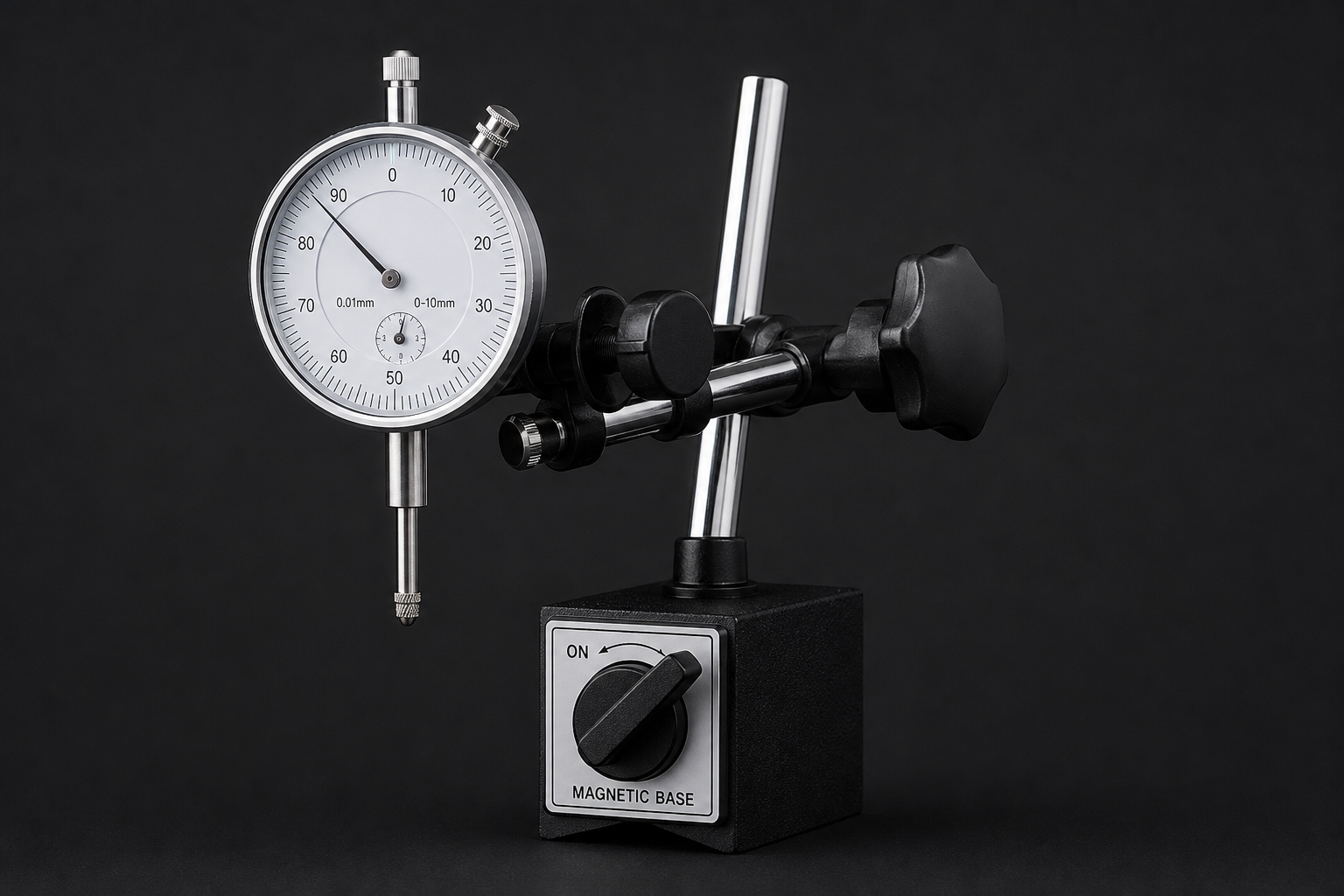
Dial Indicator Set with Magnetic Base
- The only honest way to get piston-to-deck at true TDC
- Rock the piston through TDC and take the highest reading, not the first
- Also finds a block that has already been decked once
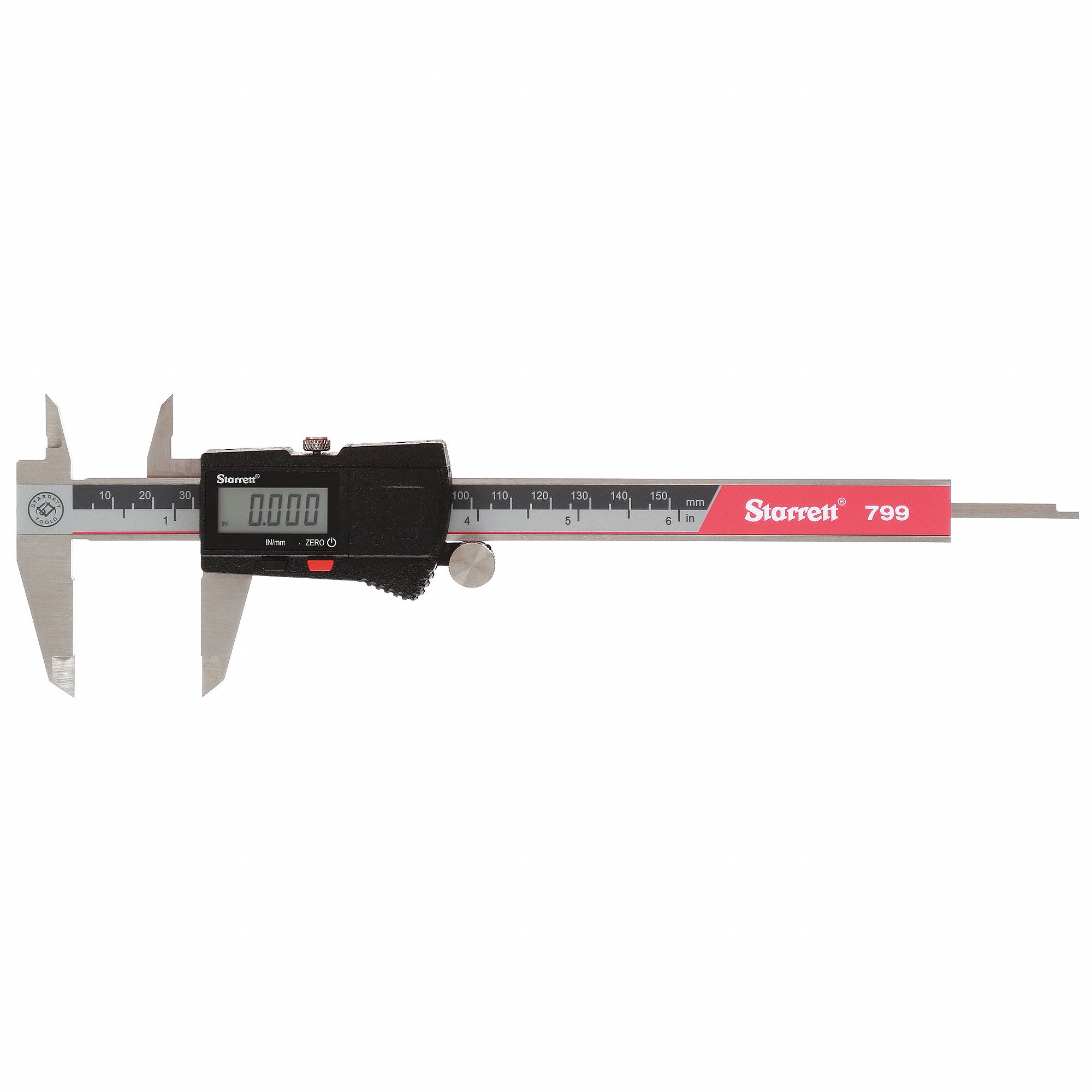
Starrett Electronic Slide Caliper 0–6 in
- Gasket bore, uncompressed thickness and piston compression height
- Enough resolution for the block stack, where tenths of a thou do not matter
- The calculation wants the compressed gasket figure, not this one
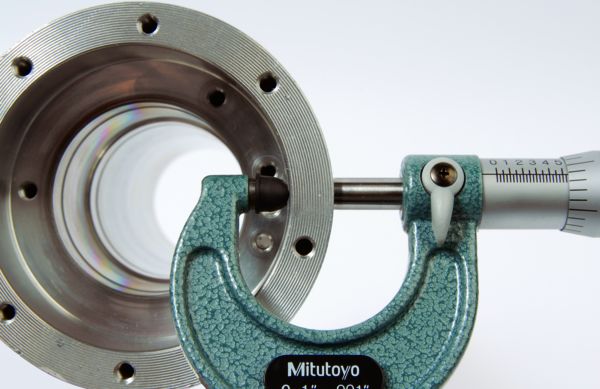
Mitutoyo 103‑177 Outside Micrometer 0–1 in
- Sets the bore gauge that measures the finished cylinder
- Bore enters the swept, deck and gasket volumes at the same time
- A caliper across a bore is a guess; a set micrometer is not
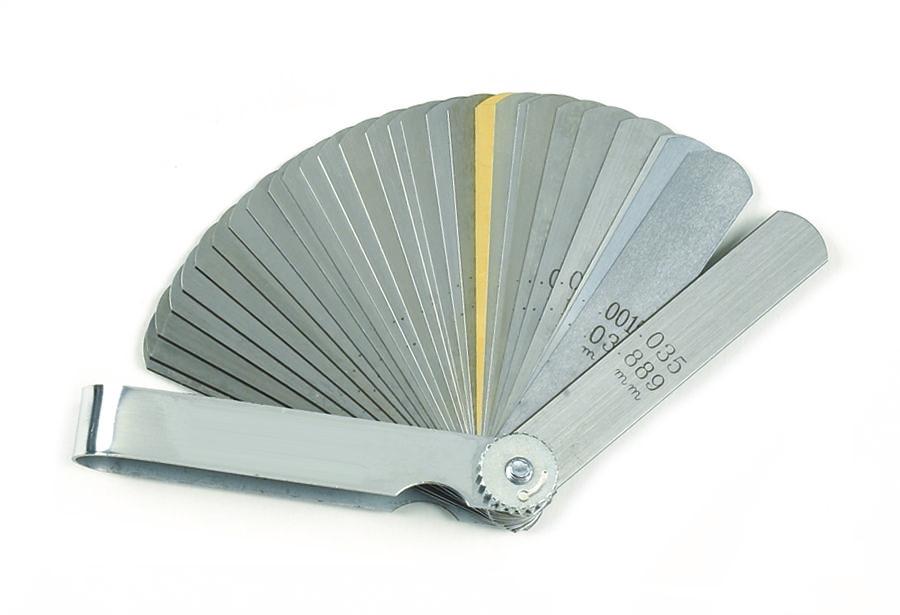
GEARWRENCH 161D 32‑Blade Feeler Gauge Set
- Sanity-checks the 0.035–0.045 in quench band by feel
- Also the tool for the clay check on valve-to-piston clearance
- Cheap insurance against a quench you calculated and never verified
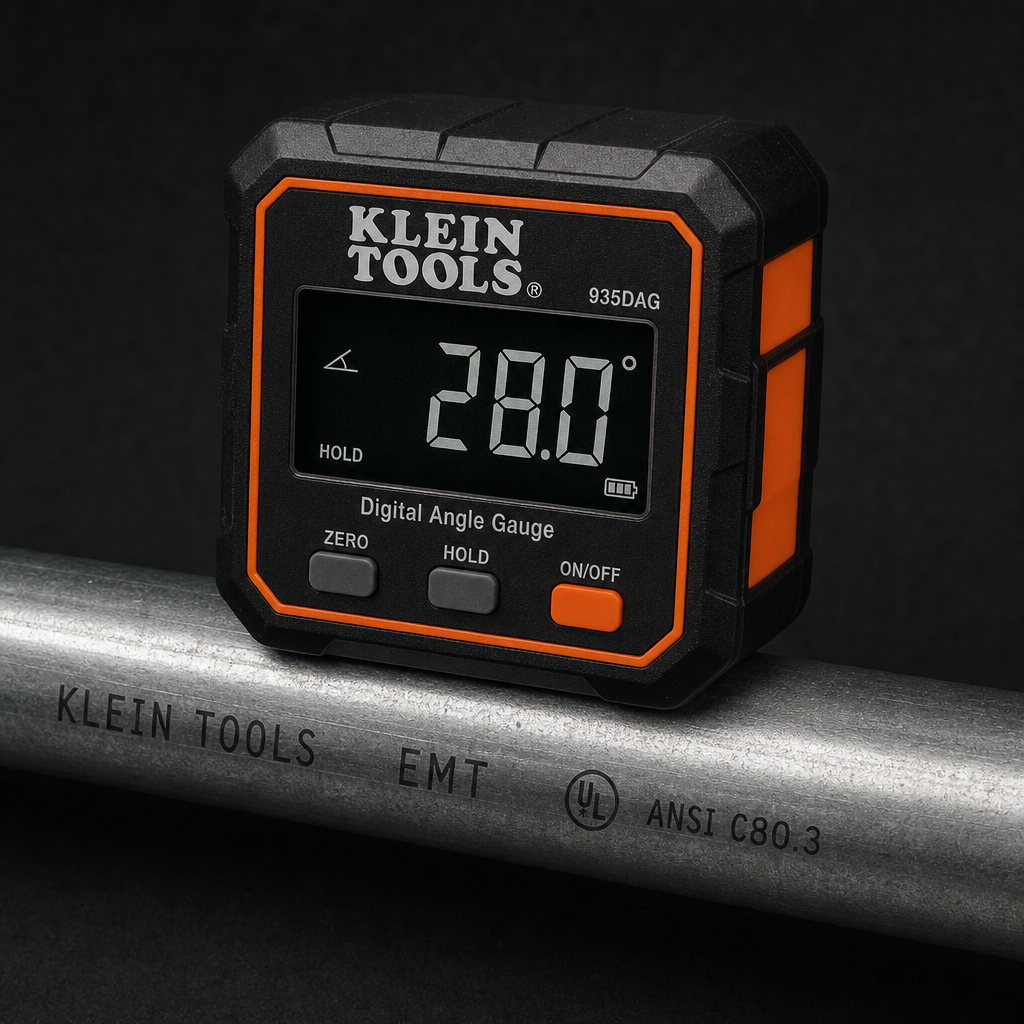
Klein Tools 935DGGP Digital Angle Gauge
- Crank degrees off the damper when a degree wheel is not fitted
- Intake closing angle is the input the dynamic ratio lives or dies on
- Magnetic base sticks to the balancer or the deck
As an Amazon Associate, TestTalkHQ earns from qualifying purchases. Prices and availability can change.
Use the static ratio when…
- You are buying pistons or heads. Every catalogue figure is static. A piston listed as producing 10.5:1 in a given engine means static, and comparing it against a dynamic number is comparing two different things.
- You are quoting the engine to somebody. “It’s a 10.5:1 motor” means static, universally. Quoting a dynamic figure without saying so will be misread.
- You are checking whether the build is what you think it is. Static ratio is what you can verify on a bench with a burette, a plate and a dial indicator. Dynamic ratio requires the cam to be degreed and adds a second source of error.
- A rule, a class or a tech sheet specifies a limit. Racing classes that cap compression cap the static figure, because that is what can be measured by an official with a burette.
- You are working out what one part change does. Gasket thickness, chamber volume, deck height, piston dish — all of them move the static ratio directly, and the dynamic ratio only follows along.
Use the dynamic ratio when…
- You are choosing a camshaft for an engine whose compression is fixed. This is the main event. A longer cam closes the intake later, which drops the dynamic ratio, which is why a big grind in a stock-compression engine feels hollow below the power band.
- You are choosing a compression ratio for a cam you have already picked. Same equation, run the other way. This is exactly why cam manufacturers list a recommended compression ratio beside a grind — they are steering you to a dynamic ratio, via the only number they can put on a box.
- You are judging fuel margin. The dynamic figure is far closer to what the mixture experiences than the static one, which is why an engine at 11:1 static with a big cam can live on pump fuel while another at 11:1 static with a stock cam will not.
- Two builds with the same static ratio behave completely differently. The cam is usually the explanation, and the dynamic ratio is how you see it as a number rather than a feeling.
The trap that makes the dynamic number wrong
There is exactly one input the dynamic ratio depends on that the static ratio does not: the intake closing angle. And it is the input people get wrong, in the flattering direction.
Cam cards publish two sets of timing figures. The advertised or seat timing is measured at a small lift where the valve is just leaving or arriving at its seat. The 0.050 in timing is measured at fifty thousandths of tappet lift, and is the figure used for comparing cams because it is repeatable.
The dynamic ratio needs the seat figure, because compression cannot start until the cylinder is actually sealed. EngineBasics is unambiguous:
The 0.050 in closing angle is always earlier than the seat closing angle, so using it makes the dynamic stroke look longer and the dynamic ratio higher than it is. If you are using the number to decide whether a combination is safe on pump fuel, that is the worst possible direction for the error.
The other input worth getting right is how the cam is actually installed. Advancing the cam closes the intake earlier and raises the dynamic ratio; retarding it does the reverse. So the figure you want is the seat closing point as installed, not as printed for a straight-up installation.
What neither number tells you
Neither ratio is a prediction of anything. They are both descriptions of geometry, and geometry is not the whole engine.
- Neither gives you an octane requirement. There is no published relation. Chamber shape, quench, ignition advance, intake air temperature, coolant temperature, altitude, mixture and knock strategy all move the answer, and none of them appear in either equation.
- Neither gives you a cylinder pressure. The relation P = Patm × CRγ exists, but as Wikipedia’s summary notes, γ is chosen by judgement “generally between 1.2 and 1.3… since the amount of heat lost will vary among engines based on design, size and materials used.” A psi figure computed from an assumed γ reads like a measurement and is not one.
- The dynamic ratio does not capture ram tuning. A well-tuned intake tract can pack more air in after the piston has started up — volumetric efficiency above 100% — which raises effective compression above what the geometry says, over a narrow rpm band. The geometry has no way to know.
- Neither says anything about quench. Which is the cheapest detonation margin available and is why two engines at identical static ratios can behave nothing alike.
Putting them together
The workflow that follows from all of the above is the one experienced builders use, and it runs in a specific order:
- Decide the cam from the rpm range you want. Duration and lobe separation come from what the engine is for, not from the compression ratio.
- Take the seat intake closing angle from the card, adjusted for how you will install it. That fixes the dynamic stroke.
- Pick the dynamic ratio you are aiming at, from experience, from the cam maker’s recommendation, or from published bands read as guidance rather than specification.
- Work backwards to the static ratio that produces it. DCR = 1 + dynamic stroke × (SCR − 1) ÷ stroke rearranges directly, and the static figure you need is usually higher than instinct suggests.
- Now choose parts — chamber volume, piston dish or dome, gasket thickness, deck height — to hit that static number, and check what the gasket choice did to the quench while you are there.
Which is why the two numbers are not rivals. The dynamic ratio is the target. The static ratio is how you buy it.