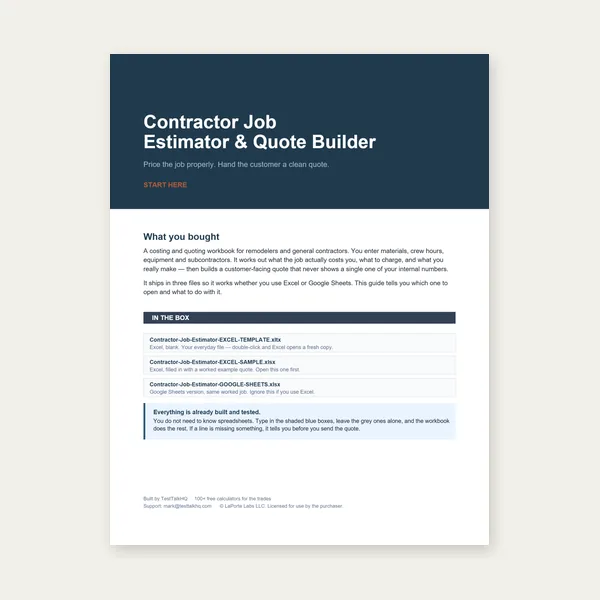
Contractor Job Estimator
Price remodels and GC work, then send a quote with no internal numbers.
Excel or Google Sheets. Best on a computer.
$29.00
BuyDiagnose wrong-stock orders, mic vs stamp fights, galvanized coating traps, and HVAC vs fab gauge confusion — when the converter already matched a chart row
Not another gauge table. Pair this with the Metal Gauge to Thickness Converter and Sheet Metal Gauge Chart when the number looked right and receiving, fit-up, or bending still failed. Bend-specific failures live on Sheet Metal Bending Troubleshooting. This page stays on gauge identity and thickness verification.

Use this when you converted a gauge number, ordered stock, and the sheet that arrived (or the sheet that fails fit-up) does not match what the job needs.
| Problem | What it usually means | First fix | Next tool |
|---|---|---|---|
| Mic ≠ converter decimal | Wrong material table; coating; mill tolerance; painted/oiled surface | Confirm material family; mic bare metal; check PO | Gauge Converter |
| 14 ga aluminum feels “too thin” | Used steel MSG table for aluminum B&S stock | Re-run converter on aluminum; rewrite PO with decimal | Gauge Chart |
| Galvanized won’t nest / fits tight | Quoted base metal vs coated thickness mix-up | Clarify coated vs base on PO; mic actual | Gauge Chart |
| HVAC duct “26 ga” fails fab print | Duct convention vs structural fab expectation | Spec decimal + material; don’t assume shared meaning | Metal Weight Calculator |
| Bend cracks after “correct” gauge | Thickness OK but wrong alloy/temper or min radius | Verify alloy; check bend radius, not just gauge | Bending Troubleshooting |
What it looks like: Converter says 16 ga mild steel = 0.0598". Your caliper reads 0.054" or 0.066". Shop argues “bad chart” or “bad mic.”
Likely causes: Wrong material family selected in the converter. Measuring through paint, vinyl, or heavy oil. Mill tolerance — commercial sheet is rarely exact to the chart midpoint. Galvanized coating included in the mic but chart row was bare steel. Worn caliper tips or measuring on a burr.
Fixes: Wipe to bare metal; mic away from sheared edges. Confirm steel vs stainless vs aluminum vs galvanized in the converter. Accept mill tolerance bands — if you need exact thickness, buy by decimal, not gauge. Replace or zero the caliper against a known standard.
What it looks like: Aluminum arrives “too thin” vs the steel print. Or stainless feels right but aluminum substitution fails stiffness. Converter was used — on the wrong table.
Likely causes: Steel uses Manufacturers Standard Gauge (MSG); aluminum uses Brown & Sharpe / AWG. Same number ≠ same thickness. Drawing said “14 ga” with no alloy. Purchasing defaulted to the last material family used in the converter.
Fixes: Re-convert with the correct family. Rewrite the PO as gauge + decimal + alloy (example: 14 ga aluminum 0.064" 5052-H32). Train receiving to reject gauge-only aluminum/steel swaps. Use the chart side-by-side tables before blaming the vendor.
What it looks like: Nesting or brake setup that worked on CRS fails on galvanized at the “same gauge.” Mic is thicker than mild steel chart. Weld/prep fumes surprise the crew (process issue) while thickness also fights the print.
Likely causes: Supplier quoted base metal gauge; you mic coated total thickness (or reverse). Chart galvanized row includes zinc; CRS row does not. Coating thickness varies by G60/G90 class.
Fixes: Ask the vendor in writing: base metal or coated thickness? Mic and record both if you strip a sample. Put decimal + coating class on the PO. For weight/shipping estimates after the thickness is settled, use the Metal Weight Calculator.
Need the galvanized table itself? Do not rebuild it here — open the chart.
Sheet Metal Gauge ChartWhat it looks like: “26 ga duct” shows up for a fab enclosure print that assumed thicker stock. Or fab shop overbuilds duct with 18 ga “because that’s what we use.”
Likely causes: HVAC trade convention uses lighter galvanized gauges (often 22–28) for duct stiffness geometry, not the same as structural plate habits. Verbal “26 ga” without material or decimal. Mixing wire gauge charts with sheet gauge charts.
Fixes: Spec material + decimal on every duct/fab interface drawing. Convert with the galvanized family, then confirm stiffness/span with the engineer — gauge alone is not a strength calc. Never use welding-wire gauge charts for sheet.
What it looks like: Converter and chart agree. Vendor ships “correct” gauge. Part still fails bend radius, weight, or fit because alloy/temper/tolerance was never specified.
Likely causes: Gauge specifies approximate thickness only — not alloy, temper, or flatness. Buyer used converter as the entire PO. Bend cracks blamed on “bad gauge” when temper was wrong.
Fixes: Always PO: gauge (optional) + decimal thickness + alloy/temper + quantity + coating. If bends fail after thickness verifies, switch to bending troubleshooting — do not keep changing gauge tables.
When to buy by decimal, why aluminum B&S differs from steel MSG, and full thickness tables are already on the Sheet Metal Gauge Chart (this calculator’s guide). No duplicate Article 3 or second chart.
Price remodels and GC work, then send a quote with no internal numbers.
Excel or Google Sheets. Best on a computer.
$29.00
BuyCheckout opens in a new tab.
Five CSV catalog picks — measure thickness honestly and cut/handle sheet after the number is verified

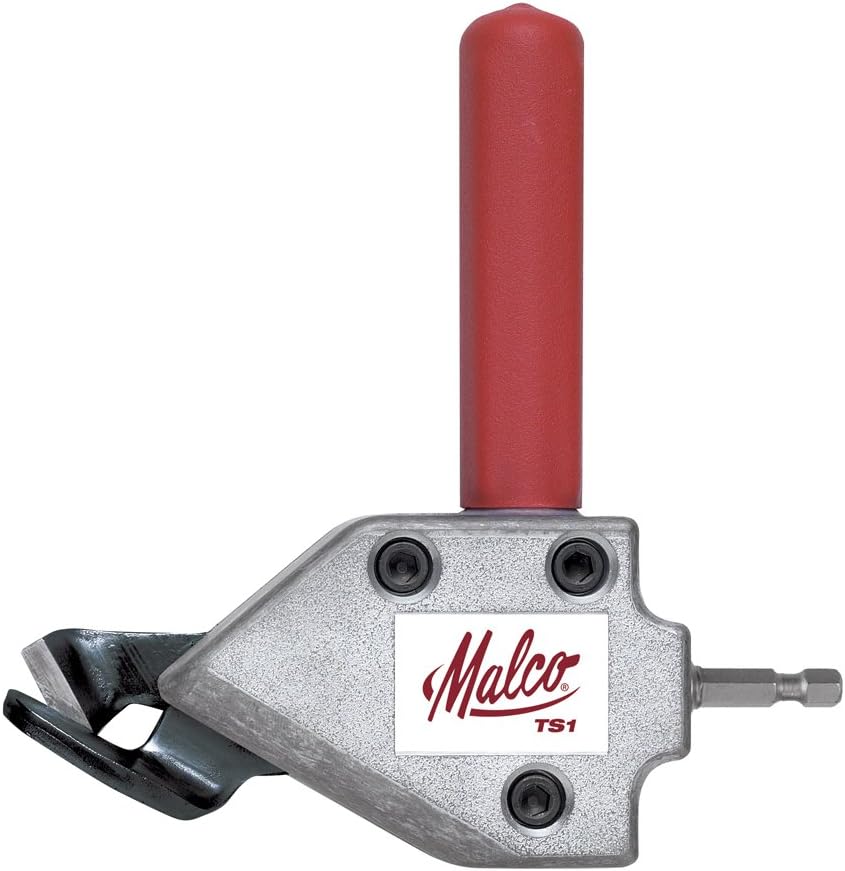
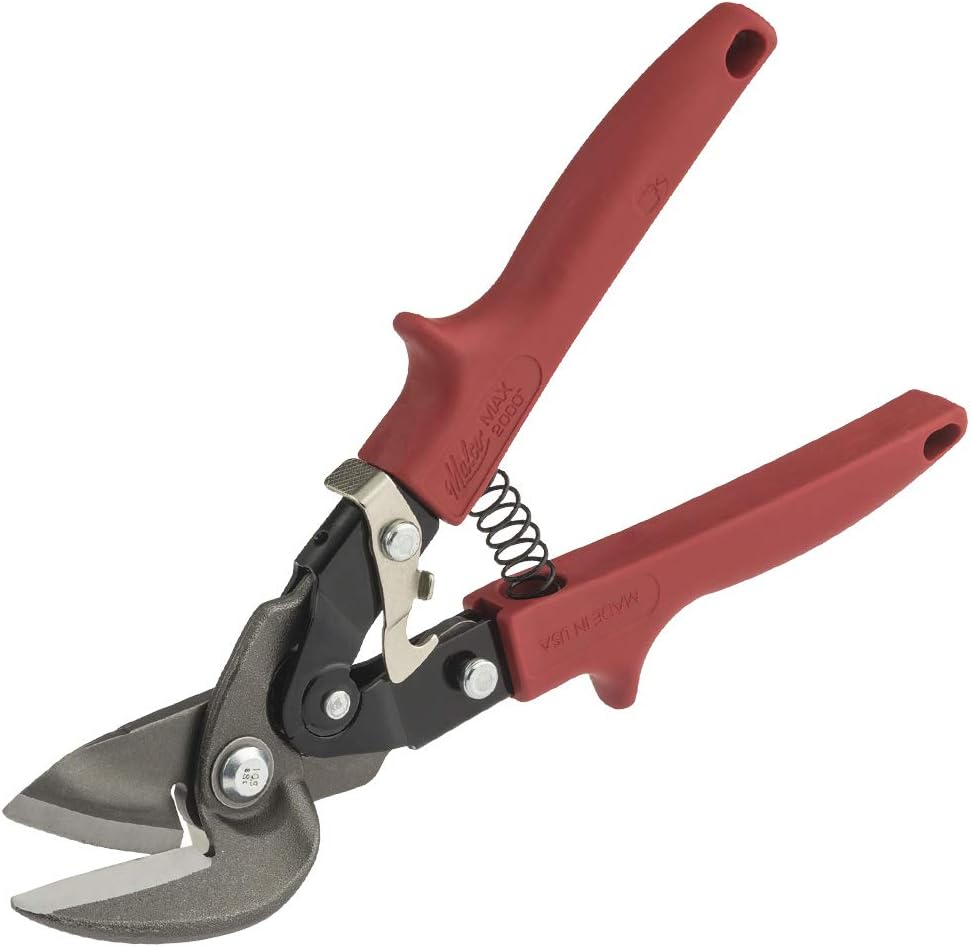
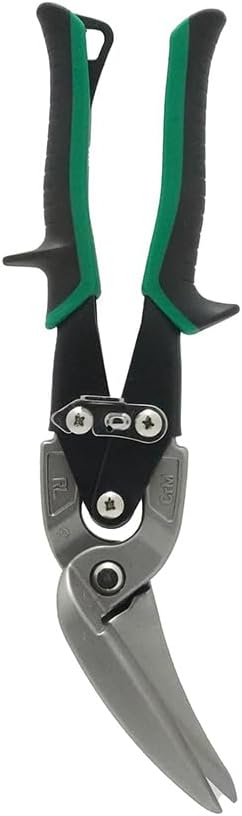
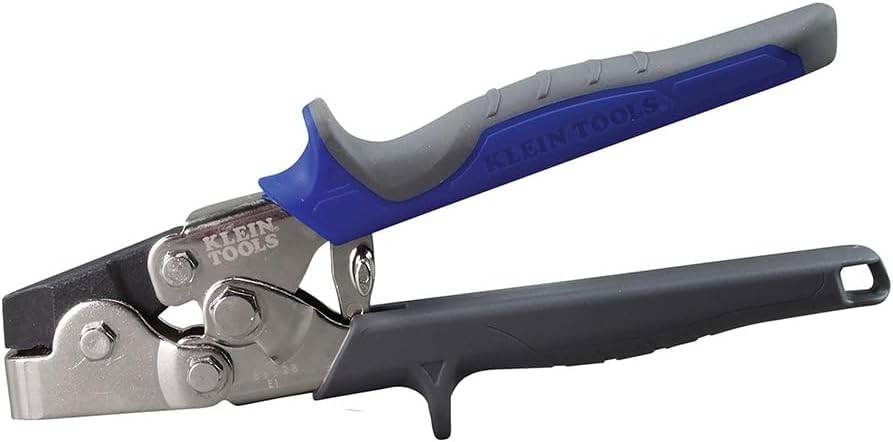
As an Amazon Associate, TestTalkHQ earns from qualifying purchases. All five cards are sourced only from the affiliate CSV. Catalog gaps flagged by name: micrometers (depth/sheet), coating thickness gauges, feeler gauges, sheet metal thickness go/no-go standards.
Yes. The chart is the thickness tables and gauge-vs-decimal decision content. This page diagnoses ordering and receiving failures when a conversion already looked correct.
Different standards (B&S vs MSG). Re-run the converter on the aluminum family and PO the decimal.
For critical fits and POs, prefer decimal + alloy. Gauge remains useful as shop shorthand when both parties share the material family.
Usually no. Go to bending troubleshooting for radius, temper, and grain direction.