
Contractor Job Estimator
Price remodels and GC work, then send a quote with no internal numbers.
Excel or Google Sheets. Best on a computer.
$29.00
BuyTroubleshooting guide — diagnosable causes when fill-up mpg falls short of the window sticker or the number you planned on
Same angle as common MIG welding problems: name the failure, explain why it bites, and give the fix. Run the numbers in the MPG calculator. How to log a tank: real-world mpg guide. Why the sticker shows two ratings: city vs highway mpg. Automotive index: hub.
Measure the tank first.Miles ÷ gallons, or EPA combined from city and highway. Then come back here if the number is soft.
Open MPG Calculator →Symptom: Fill-up mpg a few points below a highway tank you trust, with no new driving pattern. Sidewalls look soft. TPMS has not tripped, or you have no TPMS.
Why it fails: Low pressure increases rolling resistance. The engine burns extra fuel to push the same car. A 4–8 PSI miss on all four corners is enough to show up on a careful tank without being obvious in the driveway.
Diagnose: Check cold pressure with a gauge against the door sticker, not the sidewall max. Measure all four. Recheck after a temperature swing. If you changed size, diameter math is a separate problem — tire size calculator.
Fix: Inflate to the placard, cold. Recheck in a week. Log the next two tanks in the MPG calculator. Soft tires are a maintenance leak, not a formula error.
Symptom: Gradual mpg drop over months, sometimes with a pending or stored P0171/P0174 (lean) or O2/AFS codes. Older MAF cars may feel lazy on throttle. A plugged filter on a modern drive-by-wire car is less dramatic than 1990s folklore, but a failed O2 sensor is not folklore.
Why it fails: The ECU trims fuel from oxygen-sensor feedback. A slow or biased O2/AF sensor, a dirty MAF, or (on some engines) a badly restricted filter lets the mix run rich or the load calculation lie. You pay for fuel that did not make miles.
Diagnose: Scan OBD2 for stored and pending codes plus short-term / long-term fuel trims. Inspect the engine air filter against light. Do not throw parts from a single tank. Confirm with a second fill-up after you clear codes or replace the filter.
Fix: Replace a due filter. Repair the sensor or wiring the scan actually points at. Re-measure tank-to-tank. The calculator will not see a P0420 for you — the scanner will.
Symptom: Highway mpg looks fine on a cruise-control tank; the commute tank is ugly. Same car, same pump, different right foot.
Why it fails: Kinetic energy you put into the car with the throttle is energy you throw away as heat in the brakes. Hard launches and last-second stops are a fuel tax. The EPA city cycle already assumes more of this than the highway cycle — your commute can be worse than both.
Diagnose: Log two tanks: one “drive it like you stole it,” one smooth. Use the fill-up mode so the comparison is miles ÷ gallons, not a trip-computer mood.
Fix: Earlier throttle, earlier coast, fewer panic stops. That is free. If the gap is huge, you also have a city-vs-highway mix problem — see city vs highway mpg.
Symptom: Gallons went in, miles barely moved. Drive-throughs, warm-ups, jobsite wait, cab heat in winter with the trans in park.
Why it fails: Idle burns fuel at zero mpg. A 15-minute warm-up every morning on a 6-mile commute can dominate the tank. Fill-up math still divides by miles driven — idle gallons count, idle miles do not.
Diagnose: Note idle hours if the cluster has them, or time a typical wait. Compare a week of errands with a week of highway. The guide is how to keep the log honest.
Fix: Kill unnecessary idle. Modern engines do not need a five-minute warm-up. Remote start in a blizzard is a comfort choice with a measurable mpg cost.
Symptom: Highway mpg falls after you add a box, bikes, or a lumber rack. City mpg barely moves. Removing the empty crossbars recovers some of it.
Why it fails: Aerodynamic drag rises with the square of speed. A box that is “only for weekends” still taxes every 70 mph commute until it comes off. Open windows at highway speed are a smaller version of the same tax.
Diagnose: One highway tank with the rack/box on, one with it off. Same route. Run both through fill-up mode. Do not compare a loaded vacation tank to an empty EPA highway number.
Fix: Pull the box when you are not using it. Crossbars still cost a little. That is physics, not a bad injector.
Symptom: Five-mile school loop tanks look terrible. A 200-mile interstate tank looks close to highway mpg. Winter is worse than July.
Why it fails: A cold engine runs rich until closed loop and operating temperature. Oil is thick. The catalyst is cold. You never get a long cruise to dilute those gallons. EPA city already includes cold starts; your loop of three-mile trips can be colder still.
Diagnose: Separate tanks: short-trip week vs one long highway run. The spread is the penalty, not a failed thermostat until the temp gauge also lies.
Fix: Combine errands. Do not expect highway mpg from a cold 4-mile drive. Log the commute you actually run before you chase sensors. How to keep that log: guide.
Symptom: After an oil change, mpg dips a little, especially when cold. Or someone put 10W-40 in a car spec’d for 0W-20 because “thicker is safer.”
Why it fails: Higher viscosity increases pumping and drag losses, most visible on short cold trips. It will not turn a 30 mpg car into a 18 mpg car by itself, but it stacks with winter and idling.
Diagnose: Read the cap / owner’s manual viscosity. Check the last invoice. One tank is noisy; two tanks after a correct change are the test.
Fix: Use the specified grade. Recheck fill-up mpg. If mpg fell off a cliff after the change, look for a mechanical issue the oil shop did not cause — scan it.
Symptom: You typed highway mpg into a trip plan, then drove downtown. Or you compared a city tank to combined and called the car broken.
Why it fails: City cycle has stops, idle, and low average speed. Highway cycle is steadier. Combined is a 55/45 mix, not your commute. Using the wrong column is the most common “calculator vs receipt” fight — already covered as a decision article at city vs highway mpg. This page is the diagnostic leftover: confirm you measured the mix you actually drove.
Diagnose: Run EPA Combined in the MPG calculator so you see the federal number, then run fill-up mpg on a tank that looks like the week. If fill-up is near city and you expected highway, the mix was the problem.
Fix: Type the number that matches the roads. Price the trip with that mpg in the trip fuel cost calculator. Do not average city and highway in your head.
Done diagnosing?Measure the tank or compute combined, then price the miles.
MPG Calculator →Price remodels and GC work, then send a quote with no internal numbers.
Excel or Google Sheets. Best on a computer.
$29.00
BuyCheckout opens in a new tab.
Diagnosis needs a scanner, a pressure gauge you trust, a way to set PSI, an in-tank fuel-system cleaner, and a way to service a dirty reusable air filter. Storage stabilizer is for fuel that will sit, not for injector deposits.

Pull codes and watch fuel trims when mpg falls off without a driving-pattern change. Confirm the sensor story before you replace an O2 sensor from a forum post.
View on Amazon →
Underinflation is the first physical check. Cold, all four, against the door sticker — not the sidewall max.
View on Amazon →
Second digital reading when the glovebox gauge and the placard disagree. Closest catalog stand-in for a tire-pressure monitor kit.
View on Amazon →
The gauge finds the miss; the inflator is the fix. Set door-sticker PSI after a cold snap.
View on Amazon →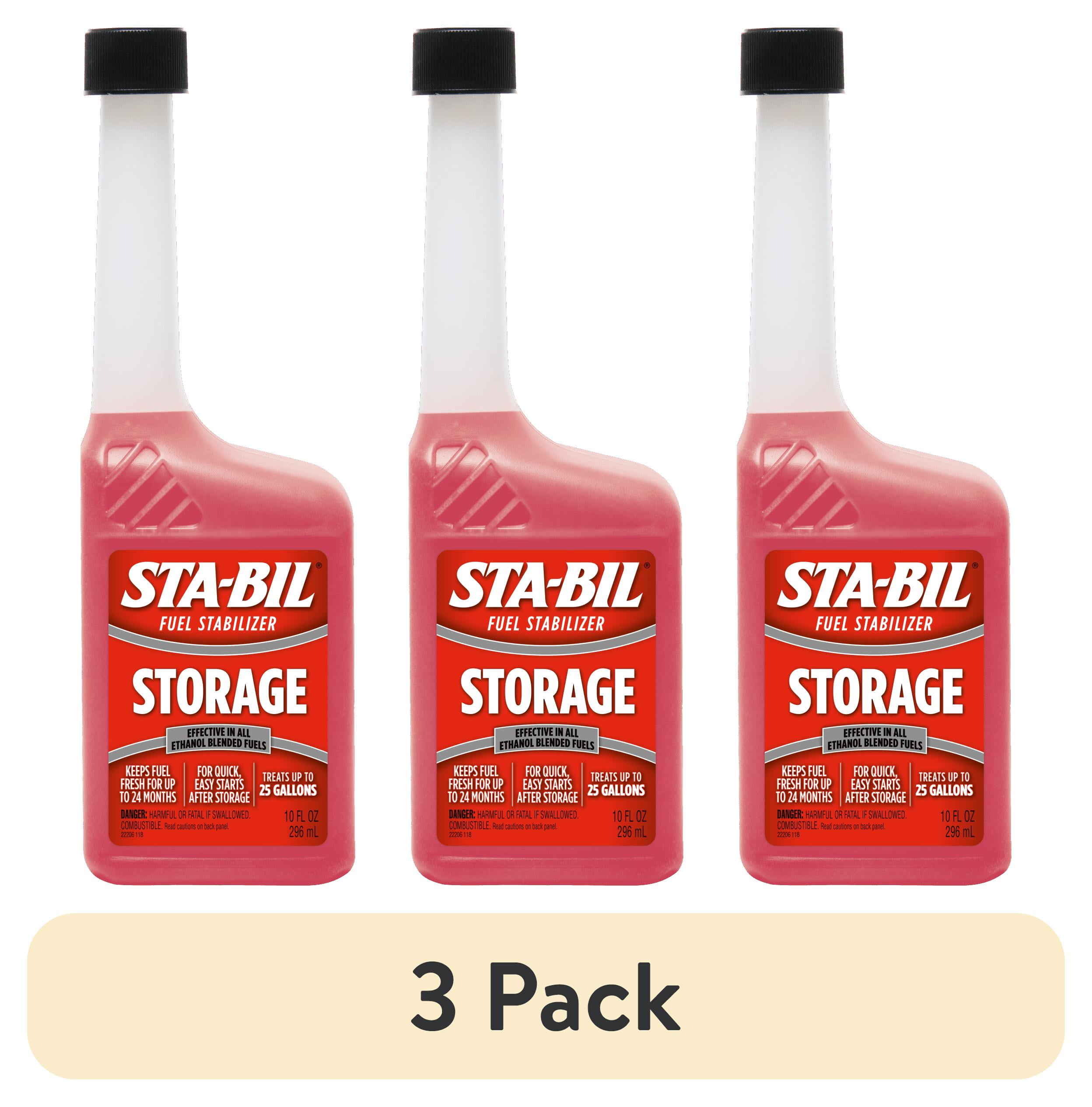
Stale staged gasoline is a tank problem, not an EPA-formula problem. Treat fuel that will sit. Not a substitute for Techron-style injector cleaning.
View on Amazon →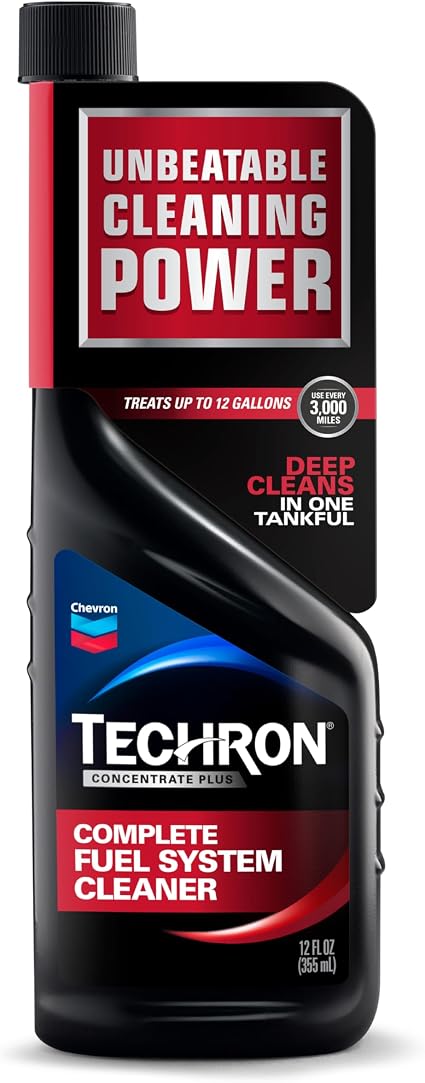
The fuel-system-deposit card. Pour in a near-empty tank, fill, and drive that tank. Pair it with a fill-up mpg log, not a single commute.
View on Amazon →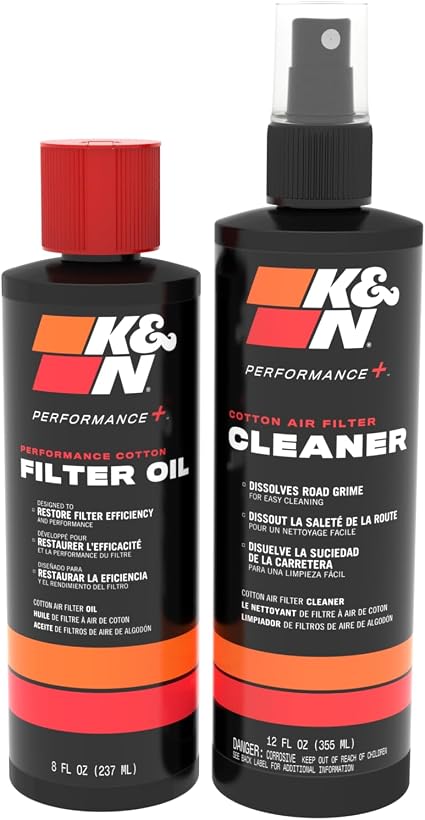
The dirty-air-filter card for reusable oiled filters. Cleaner plus red oil, vehicle-agnostic. A year-old paper filter still means a vehicle-specific replacement, not this kit.
View on Amazon →
Once the tank is honest, gallons and dollars are the other worksheet.
Open Trip Fuel Cost Calculator →As an Amazon Associate, TestTalkHQ earns from qualifying purchases. Links go to the live Amazon listings via Geniuslink.