Drill Speeds by Material Chart
RPM & SFM reference for HSS, cobalt, and carbide drill bits
Running a drill bit too fast burns it. Running it too slow causes rubbing and work hardening. Every material has a recommended surface speed (SFM) and every bit diameter converts that to a specific RPM. This chart gives you the numbers for every common shop material across HSS, cobalt, and carbide drill bits — no math required. For the exact RPM for your specific diameter, use the Drill Speed Calculator.

How to Use This Chart
Find your material in the chart below. Choose your bit type — HSS for general work, cobalt for stainless and harder alloys, carbide for CNC and production work. The chart gives you the recommended SFM range and the RPM for the most common drill bit diameters. Use the midpoint of the SFM range as your starting point and adjust based on chip color and bit feel.
If your drill press doesn't hit the exact RPM, get as close as you can on the slower side. It's always better to run slightly slow than to burn a bit. Use cutting fluid on stainless, tool steel, and copper. Run aluminum dry or with WD-40. Cast iron and brass cut best dry.
Mild Steel Drill Speed Chart
Mild steel (A36, 1018, 1020) is the most common material in the fab shop. HSS bits work fine for occasional drilling. Cobalt lasts longer on production runs.
SFM range: HSS 80–100 | Cobalt 100–120 | Carbide 150–200
| Drill Diameter | HSS RPM | Cobalt RPM | Carbide RPM |
|---|---|---|---|
| 1/16 in | 5,856 | 7,320 | 11,459 |
| 1/8 in | 2,928 | 3,660 | 5,730 |
| 3/16 in | 1,952 | 2,440 | 3,820 |
| 1/4 in | 1,464 | 1,830 | 2,865 |
| 3/8 in | 976 | 1,220 | 1,910 |
| 1/2 in | 732 | 915 | 1,432 |
| 3/4 in | 488 | 610 | 955 |
| 1 in | 366 | 458 | 716 |
RPM calculated at midpoint SFM. Cutting fluid recommended for holes deeper than 2× diameter.
Stainless Steel Drill Speed Chart
Stainless steel is the most bit-destructive material in the shop. Work hardening happens instantly if the bit rubs instead of cuts. Slow speeds, high feed pressure, sharp cobalt bits, and cutting fluid are non-negotiable.
SFM range: HSS 30–50 | Cobalt 40–60 | Carbide 80–100
| Drill Diameter | HSS RPM | Cobalt RPM | Carbide RPM |
|---|---|---|---|
| 1/16 in | 2,293 | 3,056 | 4,583 |
| 1/8 in | 1,146 | 1,528 | 2,292 |
| 3/16 in | 764 | 1,019 | 1,528 |
| 1/4 in | 573 | 764 | 1,146 |
| 3/8 in | 382 | 509 | 764 |
| 1/2 in | 287 | 382 | 573 |
| 3/4 in | 191 | 255 | 382 |
| 1 in | 143 | 191 | 287 |
Aluminum Drill Speed Chart
Aluminum drills fast. The risk is chip welding — aluminum melts onto the bit at high temperatures. Use WD-40 or kerosene, keep flutes clear, and run at the higher end of the RPM range.
SFM range: HSS 200–300 | Cobalt 250–350 | Carbide 400–600
| Drill Diameter | HSS RPM | Cobalt RPM | Carbide RPM |
|---|---|---|---|
| 1/16 in | 18,320 | 22,900 | 38,168 |
| 1/8 in | 9,160 | 11,450 | 19,084 |
| 3/16 in | 6,107 | 7,633 | 12,723 |
| 1/4 in | 4,580 | 5,725 | 9,542 |
| 3/8 in | 3,053 | 3,817 | 6,361 |
| 1/2 in | 2,290 | 2,863 | 4,771 |
| 3/4 in | 1,527 | 1,908 | 3,181 |
| 1 in | 1,145 | 1,431 | 2,386 |
Most drill presses max out at 3,000–5,000 RPM. For small diameter aluminum holes, run at max press speed and use sharp bits with WD-40.
⚡ Recommended Drill Bits & Shop Tools
Cobalt sets, step bits, layout punches, and cutting fluid for material-specific drilling
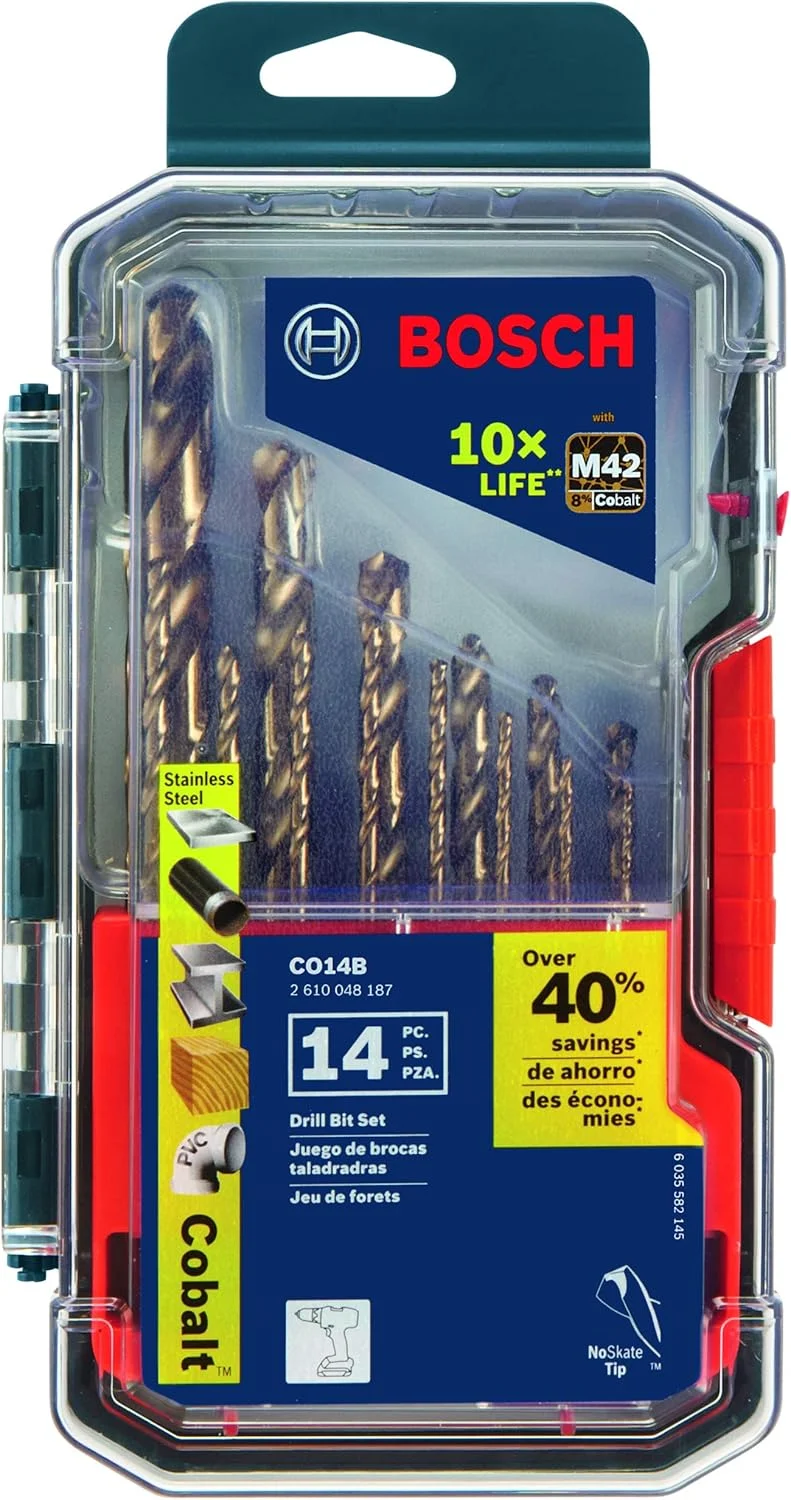
BOSCH CO14B 14-Piece Cobalt M42 Drill Bit Set
- M42 cobalt for stainless and hard alloys
- Three-flat shanks reduce chuck slip
- Split-point tips start on center
- Wide fractional coverage for fab work
- Heat tolerance above standard HSS
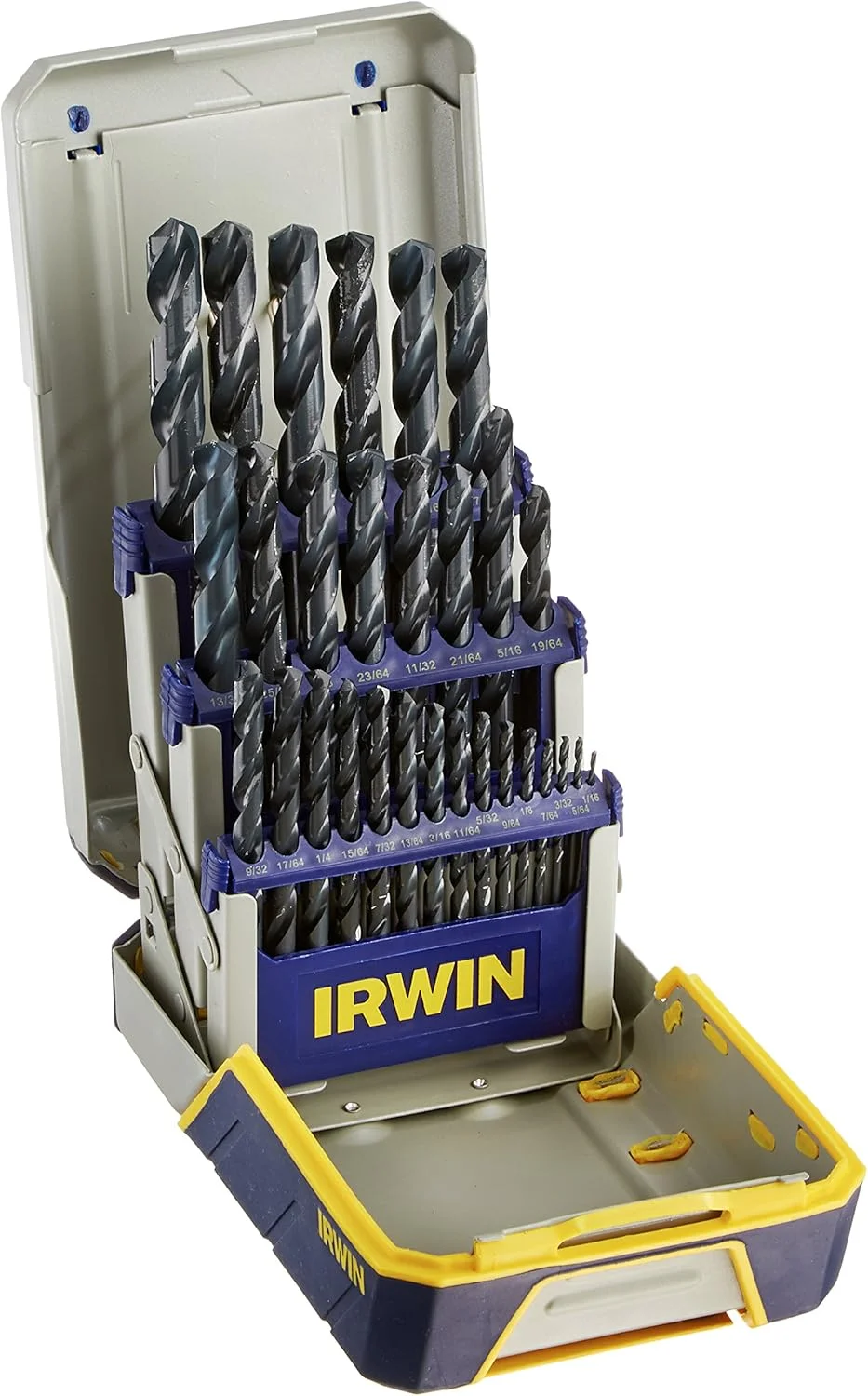
IRWIN 29-Piece Black Oxide Drill Bit Set
- Full fractional, number, and letter range
- Black oxide finish for mild steel
- Split-point geometry reduces walking
- Shop staple for everyday holes
- Strong value for general fabrication
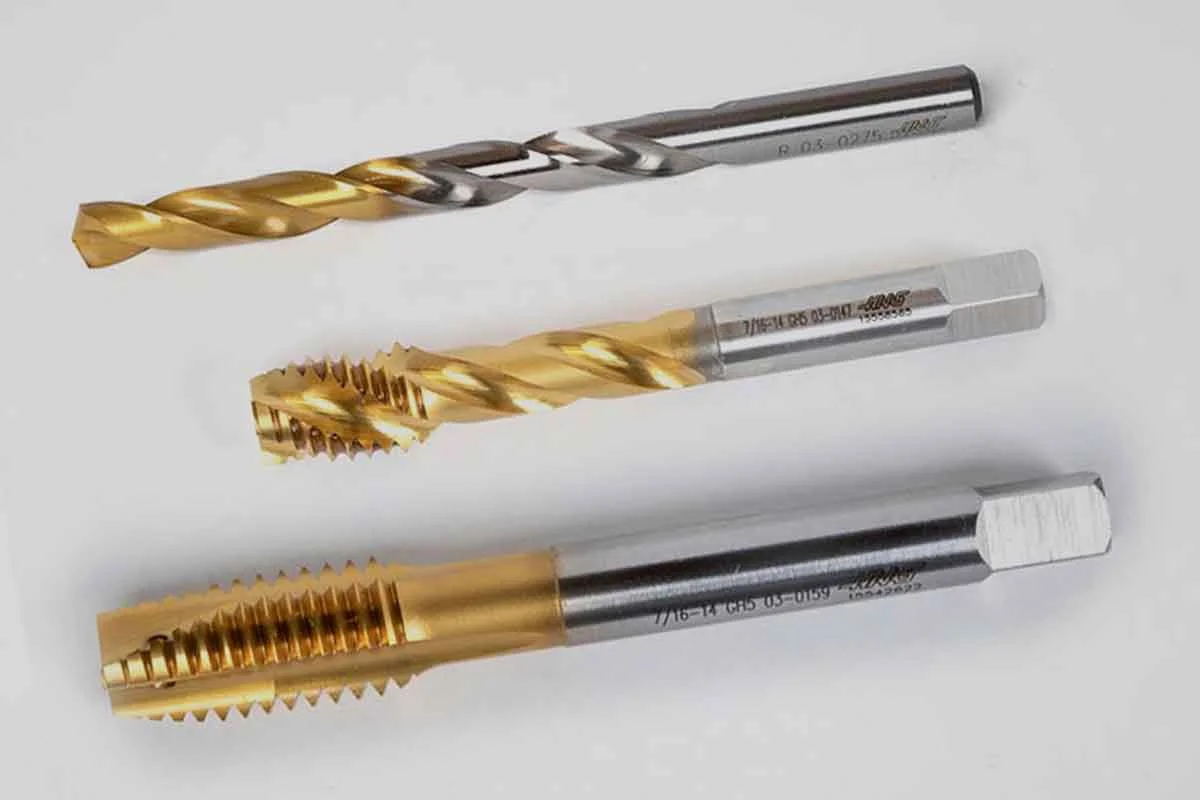
Ironant Step Drill Bit Set
- Multiple diameters in one bit
- Ideal for sheet metal and thin plate
- Reduces bit changes on layout work
- Clean steps for burr-free holes
- Fast hole sizing in the shop
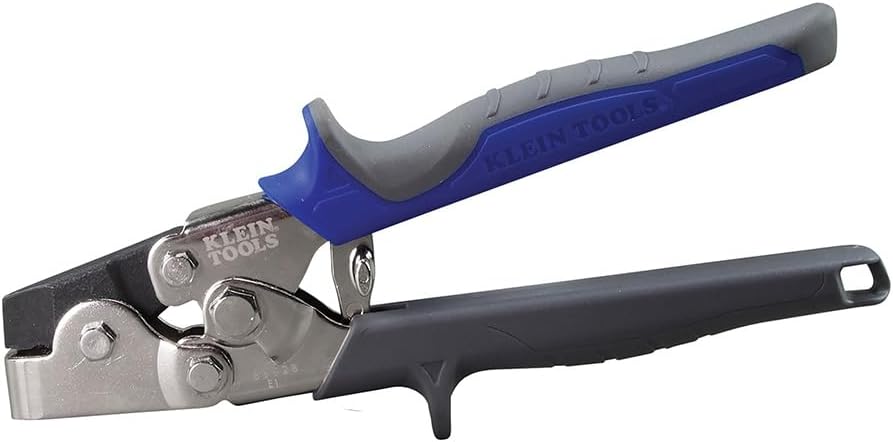
Neiko Transfer Punch Set
- Transfer hole locations accurately
- Match drill centers across plates
- Essential for layout and fit-up
- Hardened punches for repeat use
- Pairs with chart RPM targets

Tap Magic Cutting Fluid
- Reduces heat at the cutting edge
- Mandatory for stainless and tool steel
- Extends cobalt and HSS bit life
- Flushes chips from deep holes
- Shop standard for tough alloys
As an Amazon Associate, TestTalkHQ earns from qualifying purchases.
Cast Iron Drill Speed Chart
Cast iron is abrasive but not tough. It cuts cleanly and is self-lubricating — run dry. No cutting fluid. The chips are powder-like, not curled — clear them frequently.
SFM range: HSS 50–80 | Cobalt 70–100 | Carbide 120–180
| Drill Diameter | HSS RPM | Cobalt RPM | Carbide RPM |
|---|---|---|---|
| 1/16 in | 3,820 | 5,347 | 9,167 |
| 1/8 in | 1,910 | 2,674 | 4,584 |
| 3/16 in | 1,273 | 1,782 | 3,056 |
| 1/4 in | 955 | 1,337 | 2,292 |
| 3/8 in | 637 | 891 | 1,528 |
| 1/2 in | 477 | 668 | 1,146 |
| 3/4 in | 318 | 446 | 764 |
| 1 in | 239 | 334 | 573 |
Run dry. Cast iron dust is hazardous — wear a mask and work in a ventilated area.
Brass and Copper Drill Speed Chart
Brass drills easily but has a tendency to grab and self-feed — the bit can dig in and crack thin stock. Use a slow helix (low spiral) bit or flatten the cutting edge slightly to prevent grab. Copper is gummy — use cutting fluid and sharp bits.
Brass SFM: HSS 150–200 | Copper SFM: HSS 100–150
| Drill Diameter | Brass HSS RPM | Copper HSS RPM |
|---|---|---|
| 1/16 in | 13,740 | 10,305 |
| 1/8 in | 6,870 | 5,153 |
| 3/16 in | 4,580 | 3,435 |
| 1/4 in | 3,435 | 2,576 |
| 3/8 in | 2,290 | 1,718 |
| 1/2 in | 1,718 | 1,288 |
| 3/4 in | 1,145 | 859 |
| 1 in | 859 | 644 |
Plastic and Acrylic Drill Speed Chart
Plastic drills fast but melts if the bit generates too much heat. Use a slow feed, sharp bit, and back the plastic with wood to prevent blowout on exit. For acrylic specifically, a brad point or modified geometry bit prevents cracking.
SFM: 150–250 (all bit types)
| Drill Diameter | Recommended RPM |
|---|---|
| 1/16 in | 15,280 |
| 1/8 in | 7,640 |
| 3/16 in | 5,093 |
| 1/4 in | 3,820 |
| 3/8 in | 2,547 |
| 1/2 in | 1,910 |
| 3/4 in | 1,273 |
| 1 in | 955 |
Quick Reference — SFM by Material and Bit Type
| Material | HSS SFM | Cobalt SFM | Carbide SFM | Cutting Fluid |
|---|---|---|---|---|
| Mild Steel | 80–100 | 100–120 | 150–200 | Recommended |
| Tool Steel | 30–50 | 40–60 | 80–120 | Required |
| Stainless Steel | 30–50 | 40–60 | 80–100 | Required |
| Cast Iron | 50–80 | 70–100 | 120–180 | Dry |
| Aluminum | 200–300 | 250–350 | 400–600 | WD-40 / Kerosene |
| Brass | 150–200 | 180–250 | 300–400 | Optional / Dry |
| Copper | 100–150 | 130–180 | 200–300 | Recommended |
| Plastic | 150–250 | 150–250 | 150–250 | Dry |
For the exact RPM at your bit diameter, use the Drill Speed Calculator. Related tools: Metal Cutting Speed Calculator, Tap Drill Size Calculator, and Drill Speed Calculator.
Why Your Drill Bits Keep Breaking
The four most common causes: running too fast on hard materials (burns the bit), running too slow on stainless (work hardens the surface), too much feed pressure on small bits (snaps them), and drilling without cutting fluid on materials that need it.
The fix for almost every broken bit situation is slower speed, steady feed pressure, sharp bits, and cutting fluid where required.
Cobalt vs Black Oxide vs TiN — What the Coating Actually Does
Black oxide is a surface treatment that reduces friction slightly and provides minimal rust resistance — it's not a performance coating, just a finish. TiN (titanium nitride) gold coating increases surface hardness and reduces friction, giving modest improvement on abrasive materials.
Cobalt is alloyed into the steel itself — it's not a coating — and dramatically raises heat resistance. For hard or stainless materials, cobalt outperforms any coated HSS bit.
Pecking — Why You Should Pull the Bit Out Mid-Hole
Pecking means withdrawing the drill bit periodically during a deep hole to clear chips and allow the bit to cool. Without pecking, chips pack into the flutes, friction skyrockets, and the bit burns or breaks.
A good rule: peck every time you drill a depth equal to the bit diameter. On stainless, peck every 1/4 inch. On aluminum, peck less frequently but ensure chips are clearing freely.
Center Punch Before You Drill
Center punching creates a divot that keeps the bit from walking when it first contacts the material. Without a punch, drill bits skate across the surface and the hole ends up in the wrong place.
Use an automatic center punch for quick work or a standard punch and hammer for precision layout. For critical hole locations, use a transfer punch to mark through an existing hole or template. Always punch before you drill — no exceptions.
When calculated RPM looks right but the bit burns, walks, leaves a rough hole, or snaps, diagnose with Drill Speed Troubleshooting. Bit selection that changes the speed window: How to Choose Drill Bits for Metal.