
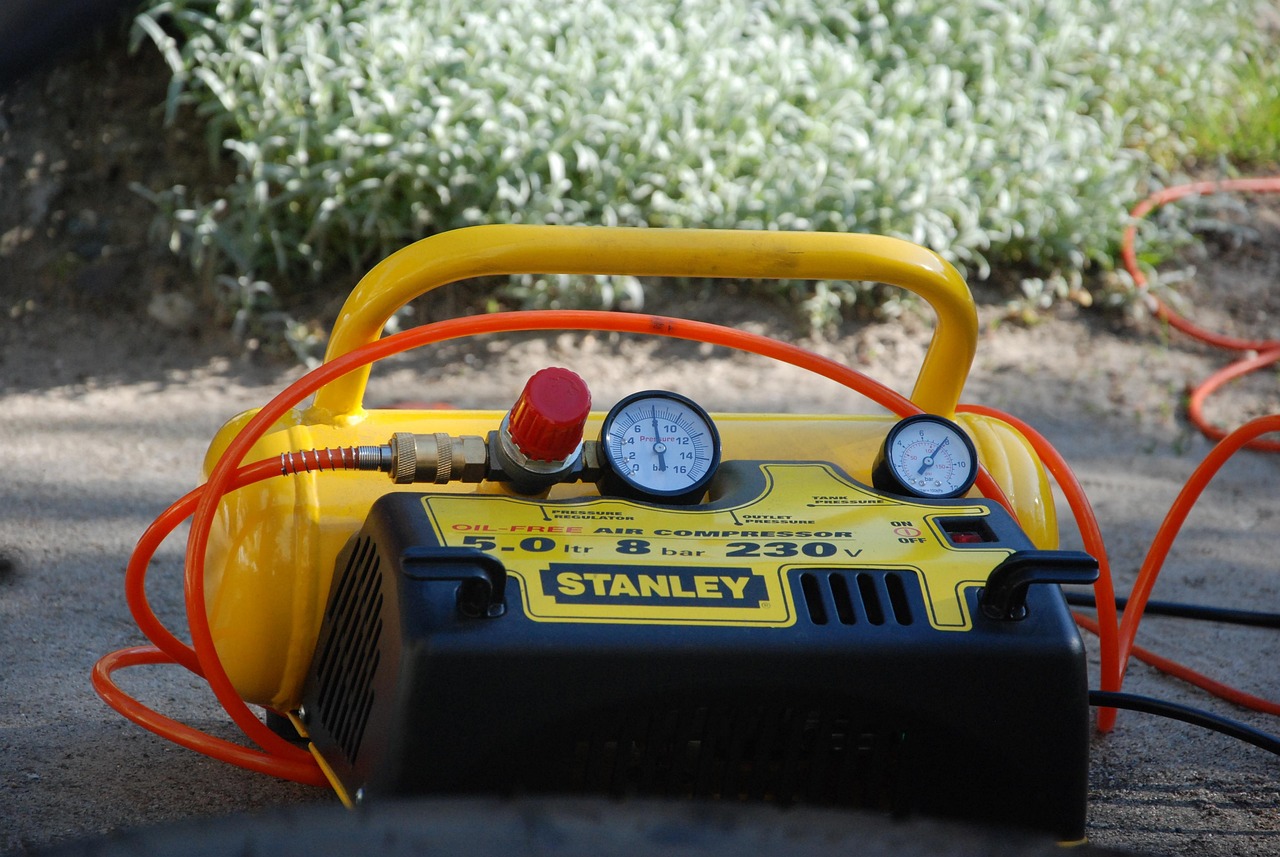
You’re running a 5 HP air compressor in your shop 8 hours a day, and you’re wondering: how much is this actually costing in electricity? A 5 HP compressor running at 75% duty cycle costs approximately $175-250 per month in electricity at average rates, which means compressed air is quietly becoming your second or third largest utility expense after heating and lighting. But here’s what most shop owners don’t track: a single 1/4″ air leak running 24/7 wastes $1,200-1,800 per year in electricity—that’s more than many shops spend on consumables like grinding discs or drill bits.
Compressed air costs are invisible operating expenses because they blend into the monthly electric bill without line-item detail. Unlike consumables where you see the purchase, or tooling where you track replacement intervals, compressed air costs accumulate silently every time the compressor kicks on. Professional shops track compressed air as “cost per CFM” and target efficiency improvements because every 10% reduction in air consumption saves $175-350 annually on a typical 5 HP system.
This guide shows you how to calculate compressed air electricity costs using motor horsepower and duty cycle, explains why idle power consumption matters (compressors draw 20-30% of full power even when not making air), and breaks down actual monthly costs for 3 HP, 5 HP, 7.5 HP, and 10 HP compressors. You’ll learn how to quantify air leak costs (every 1 CFM leak wastes $100-150/year), compare old vs. new compressor efficiency (modern units use 15-25% less electricity), and implement six specific strategies to cut compressed air costs by 20-30% without reducing air availability.
Use our free Compressed Air Cost Calculator to estimate your monthly electricity expenses and identify savings opportunities.
Jump to what you need
Why Compressed Air Costs Matter
Compressed air is often called “the fourth utility” in shops and factories because it’s as essential as electricity, water, and gas—and nearly as expensive. But unlike other utilities that arrive with itemized bills, compressed air costs hide in the broader electric bill.
The Hidden Cost in Your Electric Bill
Most shop owners can tell you what they spend on wire, gas, and consumables. Few can tell you what compressed air costs monthly because it’s lumped into “electricity” without breakdown.
Real-world example: Small fabrication shop
Shop profile:
- 5 HP two-stage compressor, 80-gallon tank
- Runs 8 hours/day, 5 days/week
- Duty cycle: 60% (compressor runs 4.8 hours per day)
- Electricity rate: $0.12/kWh
Monthly electricity cost breakdown:
- Lighting (LED shop lights): $45/month
- Welder (MIG, intermittent use): $65/month
- Air compressor: $185/month
- Other tools/equipment: $55/month
- Total: $350/month
Air compressor = 53% of total shop electricity costs
This shop owner thought the welder was the biggest power consumer. The compressor costs nearly 3x more because it runs continuously throughout the workday while the welder only runs during actual welding (20-30% of shop time).
Compressed Air Cost as Percentage of Operating Expenses
| Shop Size | Compressor HP | Monthly Cost | Annual Cost | % of Overhead |
|---|---|---|---|---|
| Hobby/1-person | 3 HP | $45-75 | $540-900 | 5-10% |
| Small shop (2-3 people) | 5 HP | $120-200 | $1,440-2,400 | 12-18% |
| Medium shop (5-10 people) | 10 HP | $350-550 | $4,200-6,600 | 15-22% |
| Production facility | 25+ HP | $1,200-2,500 | $14,400-30,000 | 18-28% |
The larger the operation, the higher the percentage compressed air represents in total overhead—making efficiency improvements increasingly valuable.
Why This Matters: The Cumulative Effect
A 10% reduction in compressed air costs seems minor month-to-month, but compounds significantly:
- Small shop (5 HP): 10% savings = $144-240/year
- Medium shop (10 HP): 10% savings = $420-660/year
- Production facility (25 HP): 10% savings = $1,440-3,000/year
Over 5 years, that 10% efficiency gain saves $2,100-15,000 depending on shop size—enough to justify compressor upgrades, leak repair programs, or efficiency improvements.
How to Calculate Compressed Air Costs
Calculating compressed air costs requires three pieces of information: motor horsepower, duty cycle (how often the compressor actually runs), and electricity rate.
Basic Compressed Air Cost Formula
Monthly Cost = (HP × 0.746 × Hours per Month × Duty Cycle × Electricity Rate) ÷ Motor Efficiency
Where:
- HP: Motor horsepower (from nameplate)
- 0.746: Conversion factor (HP to kW)
- Hours per Month: Total operating hours (8 hrs/day × 22 days = 176 hrs typical)
- Duty Cycle: Percentage of time compressor actually runs (typically 40-70%)
- Electricity Rate: Cost per kWh (check your bill, typically $0.10-0.16)
- Motor Efficiency: Typically 85-92% (use 0.90 as average)
Step-by-Step Calculation Example
Scenario: 5 HP compressor, small fabrication shop
Step 1: Gather information
- Motor: 5 HP
- Operating hours: 8 hours/day × 22 days/month = 176 hours/month
- Duty cycle: 60% (compressor runs 60% of operating hours)
- Electricity rate: $0.12/kWh
- Motor efficiency: 90%
Step 2: Convert HP to kW
kW = 5 HP × 0.746 = 3.73 kW
Step 3: Account for motor efficiency
Actual power draw = 3.73 kW ÷ 0.90 = 4.14 kW
Step 4: Calculate monthly kWh consumption
kWh/month = 4.14 kW × 176 hours × 0.60 duty cycle
kWh/month = 437.2 kWh
Step 5: Calculate monthly cost
Monthly cost = 437.2 kWh × $0.12/kWh
Monthly cost = $52.46
This is for the compressor running 60% duty cycle. If duty cycle is higher (compressor runs more), costs increase proportionally.
Simplified Quick Estimate
For rough calculations without detailed math:
Monthly Cost ≈ HP × Hours/Month × Duty Cycle × Electricity Rate × 0.83
Example: 5 HP, 176 hours/month, 60% duty, $0.12/kWh
Monthly cost ≈ 5 × 176 × 0.60 × $0.12 × 0.83
Monthly cost ≈ $52.60
Close enough for planning and budgeting purposes.
Use our Compressed Air Cost Calculator for instant results without manual calculations.
HP to kWh Conversion
Understanding horsepower to kilowatt-hour conversion is critical for calculating actual electricity consumption.
The Conversion Factor
1 HP = 0.746 kW (exact conversion)
This is a fixed conversion—it never changes. But actual power consumption differs from rated HP due to motor efficiency and load factor.
HP to kW Conversion Table
| Motor HP | Theoretical kW | Actual Draw (90% eff) |
|---|---|---|
| 1 HP | 0.75 kW | 0.83 kW |
| 2 HP | 1.49 kW | 1.66 kW |
| 3 HP | 2.24 kW | 2.49 kW |
| 5 HP | 3.73 kW | 4.14 kW |
| 7.5 HP | 5.60 kW | 6.22 kW |
| 10 HP | 7.46 kW | 8.29 kW |
| 15 HP | 11.19 kW | 12.43 kW |
| 20 HP | 14.92 kW | 16.58 kW |
Actual draw assumes 90% motor efficiency, typical for modern motors
Why Actual Draw Exceeds Theoretical Power
Motors aren’t 100% efficient—they lose 8-15% of input power as heat in the windings, bearings, and friction. A 5 HP motor must draw 4.14 kW from the wall to deliver 3.73 kW of mechanical power to the pump.
Motor efficiency by age/type:
- Modern premium efficiency motors: 92-95%
- Standard efficiency motors (newer): 88-91%
- Older motors (pre-2000): 80-87%
Load Factor vs. Rated Power
Compressors don’t always run at full rated HP. Load factor is the percentage of rated power actually consumed during operation.
Loaded (making air): 95-100% of rated HP
Idling (no air demand, maintaining pressure): 20-30% of rated HP
Off (auto-shutoff): 0% (but control circuits may draw 5-20 watts)
This is why duty cycle calculations matter—compressors cycle between loaded, idle, and off states throughout the day.
Idle vs. Loaded Power Consumption
One of the most misunderstood aspects of compressor costs is idle power consumption. Many assume an idling compressor uses minimal electricity—this is incorrect.
Power Consumption States
Loaded (Compressing Air):
- Power consumption: 95-100% of rated HP
- Example: 5 HP compressor draws ~4.0-4.14 kW
- Compressor is actively building pressure
Idle (Maintaining Pressure, No Demand):
- Power consumption: 20-30% of rated HP
- Example: 5 HP compressor draws ~0.83-1.24 kW
- Motor still spinning, pump unloaded (not compressing)
- Consuming electricity but not making air
Off (Auto-Shutoff Between Cycles):
- Power consumption: 0 kW (motor stopped)
- Control circuits: 5-20 watts (negligible)
- Compressor completely off until pressure drops
Why Idle Power Matters
If your compressor idles 2-3 hours per day waiting for air demand, that’s 20-30% of full power running for no productive output.
Example: 5 HP compressor idling 3 hours/day
Idle power draw: 1.0 kW (25% of rated)
Daily idle consumption: 1.0 kW × 3 hours = 3 kWh/day
Monthly idle consumption: 3 kWh × 22 days = 66 kWh/month
Monthly idle cost: 66 kWh × $0.12 = $7.92/month wasted
Over a year, that’s $95 spent on electricity for zero air production.
Automatic Shutoff vs. Constant Run
Compressors with automatic shutoff motors turn completely off when pressure is reached and no air demand exists. These save idle power consumption.
| Compressor Type | Idle Behavior | Idle Power | Annual Waste |
|---|---|---|---|
| Constant-run (old style) | Motor runs, pump unloads | 20-30% of rated | $95-285/year |
| Auto-shutoff (modern) | Motor stops completely | ~0 watts | $0-10/year |
| VFD (variable frequency) | Motor speed reduces | 5-10% of rated | $24-95/year |
Based on 5 HP compressor, 3 hours/day idle, $0.12/kWh
How to Reduce Idle Time
1. Upgrade to auto-shutoff compressor
Eliminates idle power consumption completely
2. Install automatic drain timer
Allows compressor to shut off overnight instead of idling
3. Reduce air leaks
Less leakage = compressor shuts off instead of idling to maintain pressure
4. Use pressure band adjustments
Wider pressure range (90-135 PSI vs 90-120 PSI) = fewer cycles, less idle time

Duty Cycle and Actual Costs
Duty cycle is the percentage of time the compressor actually runs (loaded or idle) versus sitting off. This is the single most important factor in calculating real-world costs.
Understanding Compressor Duty Cycle
Compressor duty cycle differs from tool duty cycle. For compressors, duty cycle is:
Duty Cycle = (Hours Running ÷ Hours Available) × 100
Example: Shop open 8 hours, compressor runs 5 hours total
Duty cycle = (5 ÷ 8) × 100 = 62.5%
Typical Duty Cycles by Shop Type
| Shop Type | Tool Usage Pattern | Typical Duty Cycle |
|---|---|---|
| Hobby/occasional use | Intermittent, weekends only | 20-35% |
| Small fabrication | Mix of intermittent tools | 40-60% |
| Production welding/cutting | Continuous air demand | 65-85% |
| Automotive service | High intermittent demand | 50-70% |
| Woodworking shop | Light intermittent tools | 30-50% |
How Duty Cycle Affects Monthly Costs
Example: 5 HP compressor, 176 hours/month available, $0.12/kWh
| Duty Cycle | Hours Running/Month | Monthly Cost |
|---|---|---|
| 30% | 53 hours | $26 |
| 50% | 88 hours | $44 |
| 60% | 106 hours | $52 |
| 75% | 132 hours | $65 |
| 90% | 158 hours | $78 |
Going from 50% to 90% duty cycle (adding more air tools or increasing leaks) nearly doubles monthly electricity costs.
How to Measure Your Duty Cycle
Method 1: Timer observation
- Note time when compressor shuts off (full pressure)
- Start timer
- Note time when compressor restarts (low pressure)
- Stop timer
- Duty cycle = (Compressor run time ÷ Total cycle time) × 100
Example: Compressor runs 4 minutes, then off for 6 minutes
Cycle time: 10 minutes
Duty cycle: (4 ÷ 10) × 100 = 40%
Method 2: Hour meter (if installed)
- Record hour meter reading at start of month
- Record hours shop was open for the month
- Duty cycle = (Hour meter hours ÷ Shop hours) × 100
Method 3: Power monitoring device
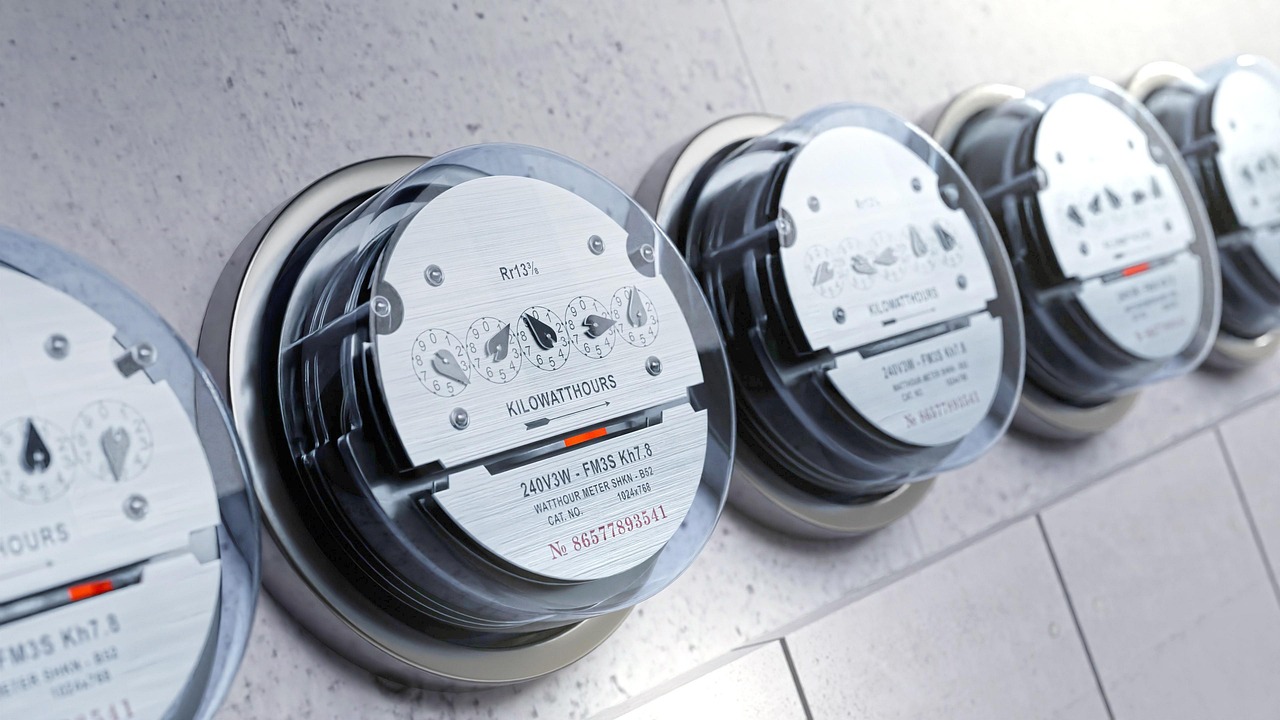
Install a kWh meter on the compressor circuit. After one month, divide recorded kWh by (Motor kW × Hours available).
Monthly Cost by Compressor Size
Here are realistic monthly electricity costs for common compressor sizes:
3 HP Compressor (Small Shop / Hobby)
Typical use: 1-2 person shop, intermittent tools (nailers, impact wrench, blow gun)
Power consumption: 2.49 kW loaded
Duty cycle range: 30-50%
| Hours/Month | Duty Cycle | Monthly Cost @ $0.12/kWh |
|---|---|---|
| 88 hours (half-time) | 30% | $23.50 |
| 88 hours (half-time) | 50% | $39.20 |
| 176 hours (full-time) | 40% | $62.70 |
5 HP Compressor (General Fabrication)
Typical use: 2-4 person shop, mix of continuous and intermittent tools
Power consumption: 4.14 kW loaded
Duty cycle range: 50-70%
| Hours/Month | Duty Cycle | Monthly Cost @ $0.12/kWh |
|---|---|---|
| 176 hours | 50% | $87.10 |
| 176 hours | 60% | $104.50 |
| 176 hours | 70% | $121.90 |
7.5 HP Compressor (Medium Shop)
Typical use: 5-8 person shop, production environment
Power consumption: 6.22 kW loaded
Duty cycle range: 60-80%
| Hours/Month | Duty Cycle | Monthly Cost @ $0.12/kWh |
|---|---|---|
| 176 hours | 60% | $156.90 |
| 176 hours | 70% | $183.10 |
| 176 hours | 80% | $209.20 |
10 HP Compressor (Large Shop / Production)
Typical use: 10+ person shop, continuous air demand
Power consumption: 8.29 kW loaded
Duty cycle range: 70-90%
| Hours/Month | Duty Cycle | Monthly Cost @ $0.12/kWh |
|---|---|---|
| 176 hours | 70% | $244.20 |
| 176 hours | 80% | $279.10 |
| 352 hours (2-shift) | 75% | $522.10 |
Annual Cost Summary
At $0.12/kWh, 176 hours/month operation:
- 3 HP @ 40% duty: $752/year
- 5 HP @ 60% duty: $1,254/year
- 7.5 HP @ 70% duty: $2,197/year
- 10 HP @ 80% duty: $3,349/year
These are significant operating expenses worth tracking and optimizing.
Calculate your specific compressor size needs with our CFM Calculator.
Cost Per CFM of Compressed Air
Professional shops track compressed air efficiency as “cost per CFM” to compare compressors and justify upgrades.
Calculating Cost Per CFM
Cost per CFM = Monthly Electricity Cost ÷ Compressor CFM Output
Example: 5 HP compressor, 15.8 CFM @ 90 PSI, $104/month electricity
Cost per CFM = $104 ÷ 15.8 CFM = $6.58 per CFM per month
Cost Per CFM Comparison by Compressor Size
| Compressor HP | CFM @ 90 PSI | Monthly Cost (60% duty) | Cost per CFM/Month |
|---|---|---|---|
| 3 HP | 11.5 CFM | $63 | $5.48 |
| 5 HP | 15.8 CFM | $104 | $6.58 |
| 7.5 HP | 25.8 CFM | $157 | $6.08 |
| 10 HP | 34.0 CFM | $209 | $6.15 |
Assumes two-stage piston compressors, $0.12/kWh
Key insight: Larger compressors are slightly more efficient per CFM, but the difference is modest (10-15%). The real savings come from reducing overall air consumption, not just buying a bigger compressor.
Efficiency Differences by Compressor Type
| Compressor Type | Efficiency (CFM per HP) | Cost per CFM/Month |
|---|---|---|
| Single-stage piston (old) | 2.8-3.2 CFM/HP | $7.20-8.10 |
| Two-stage piston | 3.0-3.5 CFM/HP | $6.30-7.40 |
| Rotary screw (fixed speed) | 3.5-4.2 CFM/HP | $5.50-6.30 |
| Rotary screw (VFD) | 4.0-4.8 CFM/HP | $4.80-5.50 |
VFD (variable frequency drive) rotary screw compressors are 20-30% more efficient than fixed-speed piston compressors, saving $1.70-3.30 per CFM monthly.
Air Leak Costs: The Silent Drain
Air leaks are the single biggest waste of compressed air energy. A small leak you can barely hear wastes hundreds of dollars annually.
Leak Size and CFM Loss
| Leak Size (Orifice) | CFM Lost @ 90 PSI | Annual Cost @ $0.12/kWh |
|---|---|---|
| 1/16″ (pinhole) | 0.25 CFM | $38-55 |
| 1/8″ (small visible) | 1.0 CFM | $150-220 |
| 1/4″ (moderate leak) | 4.0 CFM | $600-880 |
| 3/8″ (large leak) | 9.0 CFM | $1,350-1,980 |
| 1/2″ (major leak) | 16.0 CFM | $2,400-3,520 |
Assumes 24/7 leak, $0.12/kWh, typical compressor efficiency
Common Leak Sources
High-frequency leak locations:
- Quick-connect fittings: 30-40% of all leaks (worn O-rings)
- Threaded pipe joints: 25-30% (improper sealant, corrosion)
- Hose connections: 15-20% (damaged threads, missing clamps)
- Tool regulators: 10-15% (internal valve wear)
- Tank drain valves: 5-10% (debris preventing full closure)
How to Find Leaks
Method 1: Ultrasonic leak detector ($200-600)
- Most accurate
- Detects leaks in noisy environments
- Quantifies leak size
Method 2: Soapy water test (free)
- Spray suspected areas with soapy water
- Bubbles indicate leak location
- Works well for accessible fittings
Method 3: Listening (free but limited)
- Turn off all tools, pressurize system
- Listen for hissing
- Only works for larger leaks in quiet environments
Leak Repair ROI
Example: Small shop with 2 CFM total leaks (two 1/8″ leaks)
Current situation:
2 CFM leak running 24/7
Annual waste: $300-440 in electricity
Compressor cycles unnecessarily to maintain pressure
Repair cost:
2 hours labor @ $50/hr = $100
New fittings/O-rings = $25
Total: $125
Payback period: 3-5 months
5-year savings: $1,375-2,075
Leak repair is one of the highest-ROI maintenance activities in any shop.
Old vs. New Compressor Efficiency
Compressor technology has improved significantly. Modern compressors use 15-30% less electricity than models from the 1990s-2000s.
Efficiency Improvements in Modern Compressors
| Feature | Old Compressor (Pre-2000) | Modern Compressor (2015+) |
|---|---|---|
| Motor efficiency | 80-87% | 90-95% |
| Idle power | 25-30% of rated | 0% (auto-shutoff) |
| Pump efficiency | 70-80% | 82-90% |
| CFM per HP | 2.8-3.2 | 3.5-4.2 |
| Controls | Basic pressure switch | Smart controls, VFD option |
Cost Comparison: Old vs. New 5 HP Compressor
Scenario: 176 hours/month, 60% duty cycle, $0.12/kWh
| Compressor Age | Monthly Cost | Annual Cost |
|---|---|---|
| 1995 single-stage | $128 | $1,536 |
| 2010 two-stage | $104 | $1,248 |
| 2020 two-stage + auto-shutoff | $92 | $1,104 |
| 2023 rotary screw VFD | $78 | $936 |
Upgrade from 1995 to 2023 technology:
Annual savings: $600
Upgrade cost: $3,500-4,500 (new compressor)
Payback period: 6-7.5 years
10-year savings: $2,500-3,000
When Upgrade Makes Sense
Upgrade is justified when:
- Current compressor is 20+ years old
- Annual electricity cost >$1,200 (simple payback <4 years)
- Current compressor requires frequent repairs ($500+/year)
- Expanding shop (need more CFM anyway)
Stick with current compressor when:
- Unit is <10 years old and efficient
- Low usage (annual cost <$500)
- Budget constraints (can’t justify upfront cost)
Use our Power Cost Calculator to compare compressor vs. welder electricity costs.
6 Ways to Reduce Compressed Air Costs
Professional shops implement these strategies to cut compressed air costs 20-30%:
1. Fix All Air Leaks (Saves 15-30%)
Impact: Largest single opportunity for savings
How:
- Conduct quarterly leak audits with ultrasonic detector or soapy water
- Replace worn quick-connect fittings ($5-15 each)
- Re-seal threaded connections with proper pipe sealant
- Replace damaged hoses and fittings
Savings example: 5 HP compressor with 2.5 CFM leaks
Current waste: $375-550/year
Repair cost: $150
Annual savings: $375-550
ROI: 3-5 months
2. Upgrade to Auto-Shutoff Compressor (Saves 8-15%)
Impact: Eliminates idle power consumption
How:
- Replace constant-run compressor with auto-shutoff model
- Modern compressors shut off completely when no air demand
- Eliminates 20-30% idle power waste
Savings example: 5 HP constant-run compressor, 3 hrs/day idle
Current idle waste: $95/year
New auto-shutoff compressor: $2,800
Additional efficiency gains: $150/year
Total annual savings: $245
Payback: 11-12 years
(Better for new purchases than retrofits unless compressor is failing anyway)
3. Lower Operating Pressure (Saves 5-10%)
Impact: Reducing pressure by 10 PSI saves ~5% electricity
How:
- Determine minimum tool operating pressure (typically 90 PSI)
- Set compressor cutoff to 100-110 PSI instead of 120 PSI
- Lower pressure = less work to compress air
Caution: Verify all tools work properly at lower pressure before implementing permanently
Savings example: 5 HP compressor, 120→110 PSI
Power reduction: ~5%
Annual savings: $52-62
Implementation cost: $0 (adjust pressure switch)
Immediate ROI
4. Install Larger Air Storage Tank (Saves 3-8%)
Impact: Reduces compressor cycling, extends motor life
How:
- Add secondary storage tank in parallel with primary
- Reduces frequency of compressor starts (hard on motor)
- Allows compressor to run at optimal load vs. cycling
Savings example: 5 HP with 60 GAL, add 80 GAL secondary
Reduced cycling: 30% fewer starts
Efficiency gain: 5-8%
Annual savings: $52-100
Tank cost: $400-600
Payback: 4-11 years
Calculate optimal tank size with our Tank Size Calculator.
5. Use Point-of-Use Filtration (Saves 2-5%)
Impact: Reduces pressure drop, eliminates need for over-pressurization
How:
- Install filters and regulators at each tool location
- Eliminates pressure drop from centralized filtration
- Allows running lower system pressure
Savings: Modest (2-5%) but improves tool performance
6. Implement Automatic Shutoff Schedule (Saves 10-20%)
Impact: Eliminates overnight/weekend idle or leak losses
How:
- Install programmable timer on compressor circuit
- Automatically shut off compressor during closed hours
- Prevents all-night idling or leak losses
Savings example: 5 HP compressor with 1.5 CFM leaks
Without timer: Leaks waste air 24/7 = $225/year
With timer: Leaks only during 176 hrs/month = $37/year
Annual savings: $188
Timer cost: $25-50
Payback: 1.5-3 months
Calculate runtime and consumption with our Runtime Calculator.
When to Upgrade for Efficiency
Knowing when to upgrade versus maintain your current compressor saves money long-term.
Upgrade Decision Matrix
| Current Situation | Annual Cost | Recommendation |
|---|---|---|
| Pre-2000 compressor, 20+ years old | >$1,200 | Upgrade strongly recommended |
| 2000-2010, constant-run design | $800-1,200 | Upgrade when repair needed |
| 2010-2020, two-stage, no auto-shutoff | $600-800 | Maintain, add auto-timer |
| 2015+, modern efficient design | <$600 | Keep current, optimize usage |
Efficiency Upgrade ROI Calculation
Scenario: Replace 1998 5 HP with 2024 5 HP + VFD
Current costs (1998 model):
Monthly: $128 (176 hrs, 60% duty, $0.12/kWh)
Annual: $1,536
New compressor costs (2024 VFD model):
Monthly: $78
Annual: $936
Purchase price: $4,200 installed
Annual savings: $600
Simple payback: 7 years
10-year net savings: $1,800 (accounting for purchase cost)
20-year net savings: $7,800
Additional benefits:
- Higher CFM output (better productivity)
- Lower maintenance costs
- Quieter operation
- Better air quality (modern filtration)
When NOT to Upgrade
Keep current compressor if:
- Less than 10 years old and well-maintained
- Annual electricity cost <$500 (payback too long)
- Usage is declining (shop downsizing)
- Current unit meets needs and runs reliably
Instead of upgrading, optimize current system:
- Fix leaks ($150-300 investment, $300-600 annual savings)
- Add automatic timer ($25-50, $100-200 annual savings)
- Lower operating pressure (free, $50-100 annual savings)
Frequently Asked Questions
How much does it cost to run an air compressor per hour?
A 5 HP air compressor costs $0.50-0.60 per hour of operation at typical residential electricity rates ($0.12/kWh). Actual cost depends on motor horsepower, duty cycle (percentage of time actively compressing air), and local electricity rates. A 3 HP compressor costs $0.30-0.40/hour while a 10 HP unit costs $1.00-1.20/hour. These are operating costs only—idle power consumption adds 20-30% if the compressor has constant-run motors. Use our Compressed Air Cost Calculator for your specific compressor.
How much electricity does a 5 HP air compressor use?
A 5 HP air compressor uses 4.14 kW while actively compressing air (accounting for 90% motor efficiency). Running 8 hours/day at 60% duty cycle consumes 19.9 kWh per day or 437 kWh per month. At $0.12/kWh, this costs $52/month or $624/year. Idle power consumption (when motor runs but isn’t compressing) adds another 1.0-1.2 kW if the compressor has constant-run design. Modern auto-shutoff compressors eliminate idle consumption.
What is the most efficient type of air compressor?
Variable frequency drive (VFD) rotary screw compressors are most efficient, producing 4.0-4.8 CFM per HP versus 3.0-3.5 CFM/HP for two-stage piston compressors. VFD units adjust motor speed to match air demand, eliminating idle waste and reducing cycling losses. For small shops (<5 CFM needs), modern two-stage piston compressors with auto-shutoff motors provide the best efficiency-to-cost ratio. VFD rotary screw makes sense for shops needing 15+ CFM continuous operation.
How much does a 1/4 inch air leak cost per year?
A 1/4 inch air leak at 90 PSI wastes 4.0 CFM continuously, costing $600-880 per year in electricity at $0.12/kWh. This assumes the leak runs 24/7 (8,760 hours/year). A compressor must run constantly to replace this lost air, consuming 0.75-1.1 kW continuously. Multiply by your local electricity rate for actual cost—rates range from $0.08/kWh (low) to $0.20/kWh (high). Fix a 1/4″ leak with $20 in fittings and 30 minutes of labor—payback is under 2 weeks.
Is it cheaper to run a compressor all day or cycle it?
It’s cheaper to let the compressor cycle (turn on/off as needed) rather than run continuously. Cycling compressors only use power when building pressure, while constant-run compressors waste 20-30% of rated power in idle mode. Modern compressors are designed for cycling—motor starts cause minimal wear with current technology. Exception: very old compressors (pre-1980) had start capacitors that degraded with frequent cycling, but this isn’t an issue with modern units. Use automatic shutoff during nights/weekends to eliminate all consumption during closed hours.
How do you convert HP to kWh for a compressor?
Convert HP to kWh using: kWh = (HP × 0.746 × Hours × Duty Cycle) ÷ Motor Efficiency. Example: 5 HP compressor running 8 hours at 60% duty with 90% efficient motor = (5 × 0.746 × 8 × 0.60) ÷ 0.90 = 19.9 kWh per day. The 0.746 factor converts HP to kW (1 HP = 0.746 kW). Duty cycle accounts for actual run time versus available time. Motor efficiency (typically 85-92%) accounts for power lost as heat in motor windings.
What is compressor duty cycle and how does it affect cost?
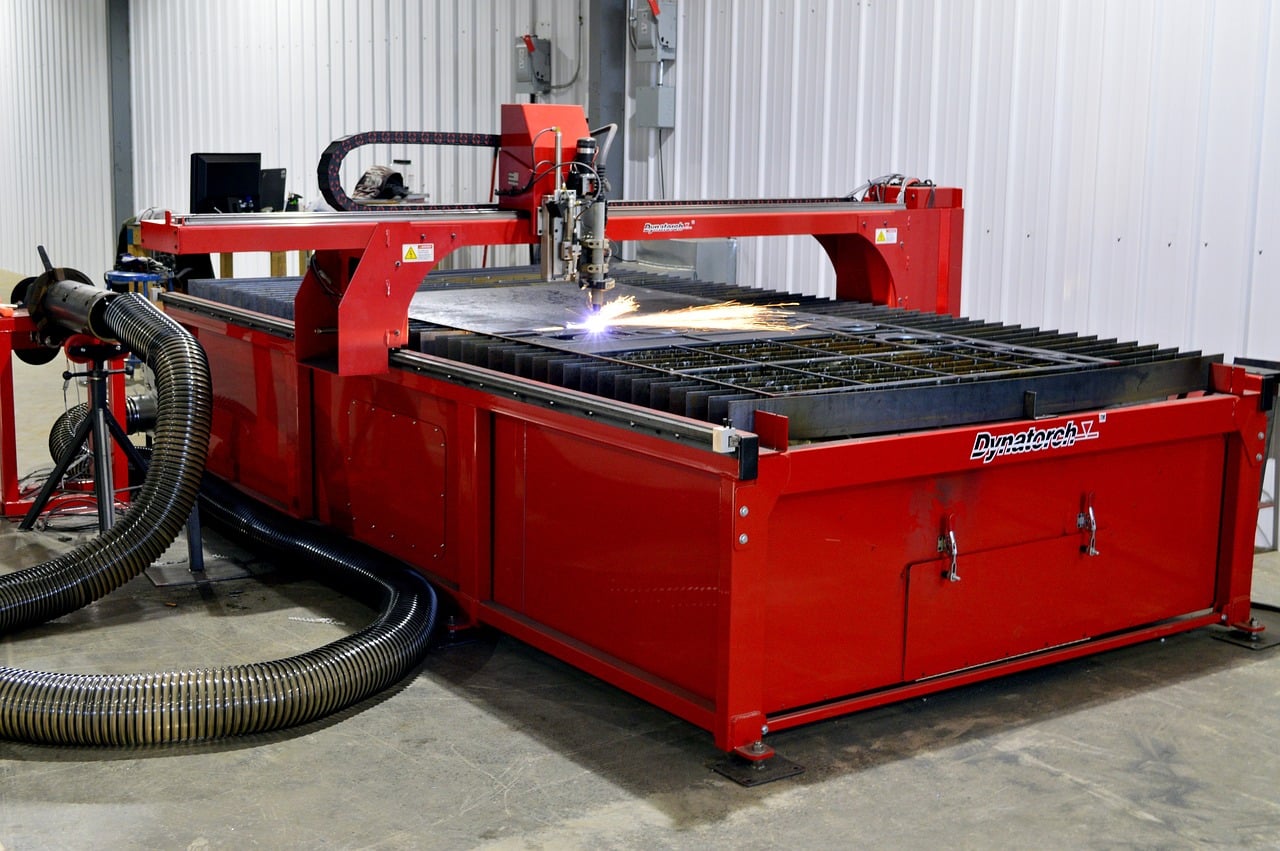
Compressor duty cycle is the percentage of available time the compressor actually runs (loaded or idle). A 60% duty cycle means the compressor runs 60 minutes out of every 100 minutes. Higher duty cycle = higher electricity cost. Duty cycle depends on air consumption rate and compressor CFM output. Intermittent tools (nailers) create 30-50% duty cycles while continuous tools (plasma cutters, sandblasters) create 70-90% duty cycles. Reducing duty cycle through leak repair or lower air consumption directly reduces monthly costs.
How much does idle power consumption cost?
Idle power consumption costs 20-30% of full-load power on constant-run compressors. A 5 HP compressor idling 3 hours/day wastes $95/year in electricity. Modern auto-shutoff compressors eliminate this waste by turning off completely when no air demand exists. Calculate idle cost: Idle Hours/Day × (Motor HP × 0.746 × 0.25) × Days/Year × Electricity Rate. The 0.25 factor represents typical 25% power draw during idle. For shops with significant idle time, upgrading to auto-shutoff compressors pays for itself in 8-12 years through eliminated idle waste.
Compressed Air Cost Troubleshooting — when calculator estimates miss the real electric bill (leaks, duty cycle, rates, efficiency).
Should I upgrade to a more efficient compressor?
Upgrade when annual electricity cost exceeds $1,200 and current compressor is 15+ years old. A $4,000 efficient compressor saving $600/year has a 6.7-year payback. If current compressor is well-maintained, modern (<10 years), and costs <$800/year to run, optimize current system instead (fix leaks, add timer, lower pressure) for better ROI. Consider upgrade timing: if major repair is needed ($500+), replacement with efficient model makes more sense than repair. Factor in non-energy benefits like higher CFM output, quieter operation, and improved reliability.
How can I reduce compressed air costs without buying a new compressor?
Fix all air leaks (saves 15-30%), install automatic shutoff timer for nights/weekends (saves 10-20%), lower operating pressure by 10 PSI if tools allow (saves 5%), add secondary storage tank to reduce cycling (saves 3-8%), and implement quarterly leak audits to catch new leaks early. These strategies combined can reduce costs 25-40% with minimal investment ($200-500 total). The highest ROI is leak repair—a $150 investment fixing 2 CFM of leaks saves $300-440 annually with 3-5 month payback.
Conclusion: Track and Optimize Compressed Air Costs
Compressed air costs $50-250 monthly for small shops and $350-2,500+ monthly for production facilities, making it one of the top 3-5 operating expenses in air-tool-dependent operations. The difference between ignoring compressed air consumption and actively managing it is 20-30% in annual savings—for a shop spending $2,000/year on compressed air, that’s $400-600 saved through leak repair, automatic shutoff scheduling, and efficiency optimization.
Key takeaways for minimizing compressed air costs:
- Calculate actual costs using motor HP, duty cycle, and hours of operation—most shops underestimate consumption by 30-50%
- Fix all air leaks immediately—even small 1/8″ leaks waste $150-220 annually and compound over time
- Install automatic shutoff timers to eliminate overnight/weekend idle and leak losses (10-20% savings, $25-50 investment)
- Modern auto-shutoff compressors eliminate idle power consumption (20-30% of rated HP wasted on constant-run designs)
- Upgrade compressors 20+ years old when annual costs exceed $1,200—new efficient models pay for themselves in 6-10 years
For hobbyists and light users, compressed air costs are modest ($30-80/month) and optimization isn’t critical. For production shops running continuous air tools, compressed air represents 15-25% of overhead and deserves active management through leak audits, efficiency upgrades, and consumption monitoring.
Related calculators and tools:
- Compressed Air Cost Calculator – Calculate monthly electricity expenses
- Runtime Calculator – Determine how long your tank lasts
- Tank Size Calculator – Optimize tank capacity for your tools
- CFM Calculator – Size compressor output for your needs
- Welder Power Cost Calculator – Compare compressor vs. welder electricity costs
Have questions about compressed air costs? Drop a comment below or reach out—we’re here to help!
Any trade
Contractor Job Estimator
Price remodels and GC work, then send a quote with no internal numbers.
Excel or Google Sheets. Best on a computer.
$29.00
BuyCheckout opens in a new tab.