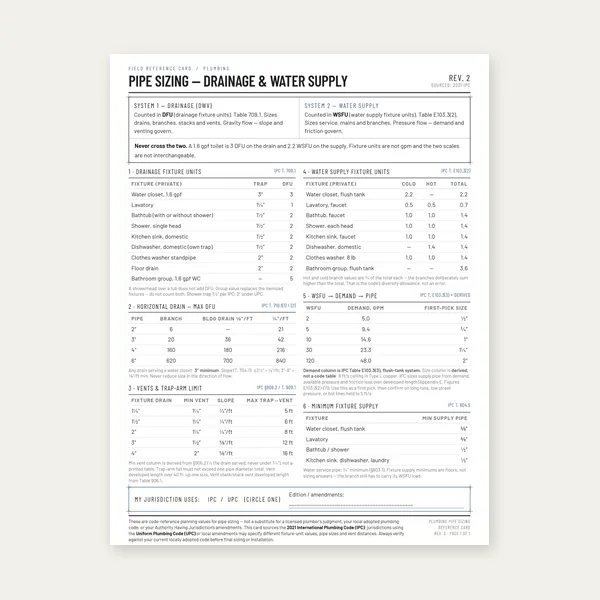
Plumbing Pipe Sizing Card
$3.99
BuyHow developed length, fittings, BTU load, and IFGC Table 402.4 rows become a minimum pipe size or EHD — before you cut black iron or unroll tubing
Run the numbers in the gas pipe sizing calculator. Field failures: troubleshooting. When branch-length sizing can save pipe: longest vs branch length. Related loads: furnace sizing, water heater sizing. Thread makeup: NPT calculator. Plumbing index: hub.
Get a size before you buy fittings. Natural gas or propane, steel or CSST, BTU load, length, and elbows/tees.
Open Gas Pipe Calculator →Fuel-gas codes (NFPA 54 / ANSI Z223.1 Chapter 6, IFGC Section 402, IRC G2413 for dwellings) let you size pipe from capacity tables. The longest-length approach is the conservative field default: find the length from the meter or second-stage regulator to the farthest appliance on the segment, treat that length (plus fitting equivalent length) as the table row for every size on that path, then pick the smallest diameter whose capacity at that row covers the connected load.
That means a short branch to a dryer still gets sized as if it ran the full distance to the distant furnace — unless you switch to branch-length sizing. Longest-length is simple, inspectable, and hard to under-size accidentally. It can also oversize short branches. Walk the tradeoff in longest vs branch length.
Every appliance on the segment contributes its input rating from the nameplate or listing. A 95% AFUE furnace that inputs 100,000 BTU/hr still needs pipe for 100,000 BTU/hr. Water heaters are the same story — size the gas pipe to the burner, then size the tank with the water heater sizing calculator. Furnace load for the house: furnace sizing.
Natural gas Schedule 40 tables are in cubic feet per hour. This site converts at 1000 BTU per cubic foot (need CFH = BTU ÷ 1000). Propane Schedule 40 and propane CSST tables are already in thousands of BTU per hour. Do not mix rows from a natural-gas table into a propane job.
Measured length is centerline pipe from the sizing origin (meter outlet, second-stage regulator, or branch takeoff you are designing from) to the farthest appliance on that path. Fittings add equivalent length because they create pressure drop.
This calculator uses field approximations that track common training sheets:
| Material | 90° elbow | Branch tee | Notes |
|---|---|---|---|
| Schedule 40 metallic | +2.5 ft each | +5.0 ft each | Straight run through a tee is usually smaller; branch flow is the conservative adder |
| CSST | First 4 bends included in table; extras +1.3 ft | +1.3 ft each | Manufacturer charts may use different bend allowances — use theirs when required |
If you already computed equivalent length from the code’s fitting table for a specific diameter, enter that total in the override field. Always round the developed length up to the next published table length (15 ft of steel becomes the 20 ft row, not the 10 ft row).
$3.99
Buy
$12.99
Buy
$29.00
Buy
$39.00
BuyCheckout opens here — you stay on this page.
After you size the pipe, prove the joints and the pressure. Leak detectors, bubble solution, thread compound, and manometers from the live TestTalkHQ affiliate CSV only.
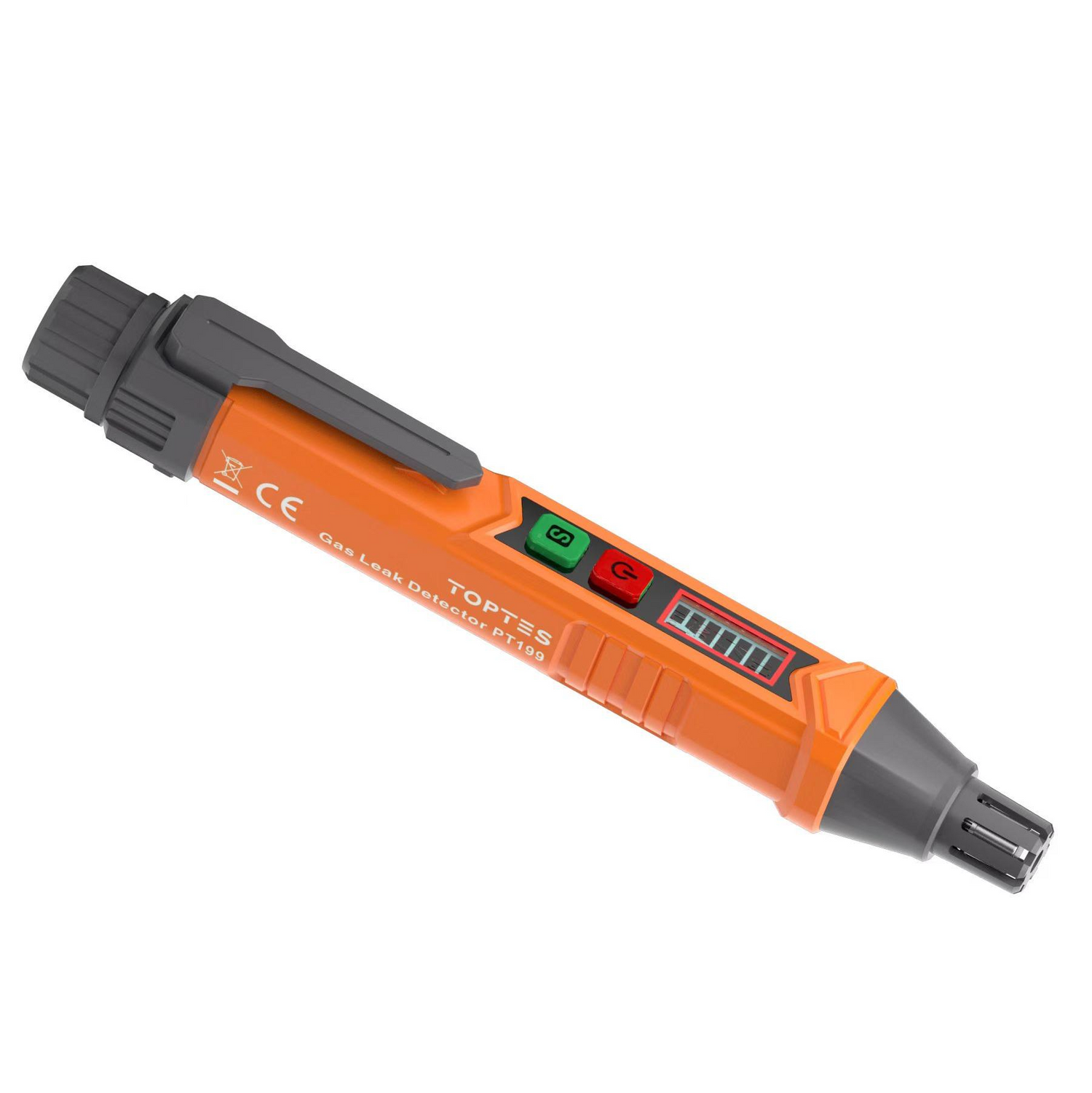
Audible/visual sniff test along joints, CSST fittings, and appliance connectors after a pressure test or a repair.
View on Amazon →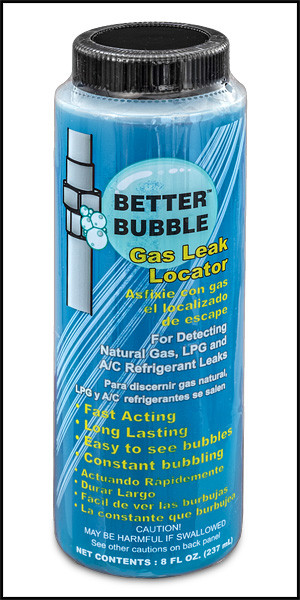
Brush-on bubble solution for threaded joints and flare fittings when the electronic sniffer is quiet but you still want eyes on the joint.
View on Amazon →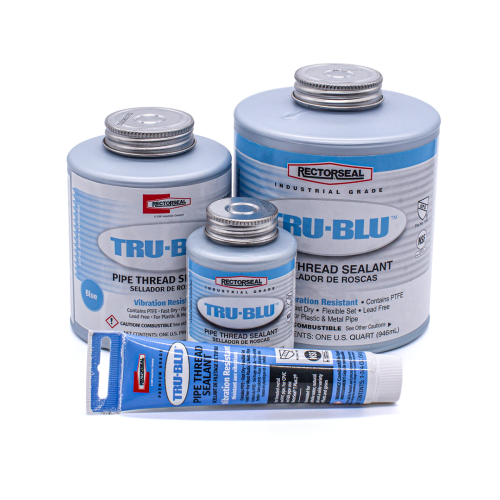
Listed pipe-thread compound for metallic gas pipe. Pair with NPT makeup from the NPT calculator — compound is not a substitute for correct thread engagement.
View on Amazon →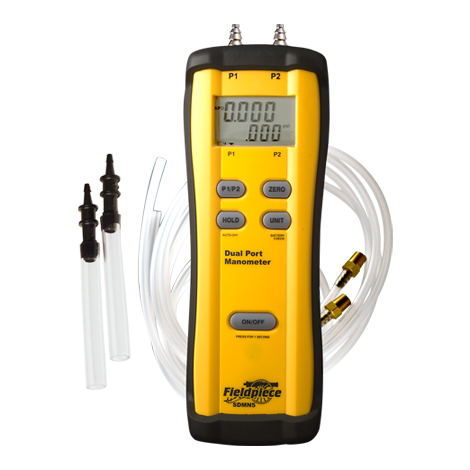
Inches of water column at the meter, manifold, and appliance inlet — the field check after a capacity table says the pipe is big enough.
View on Amazon →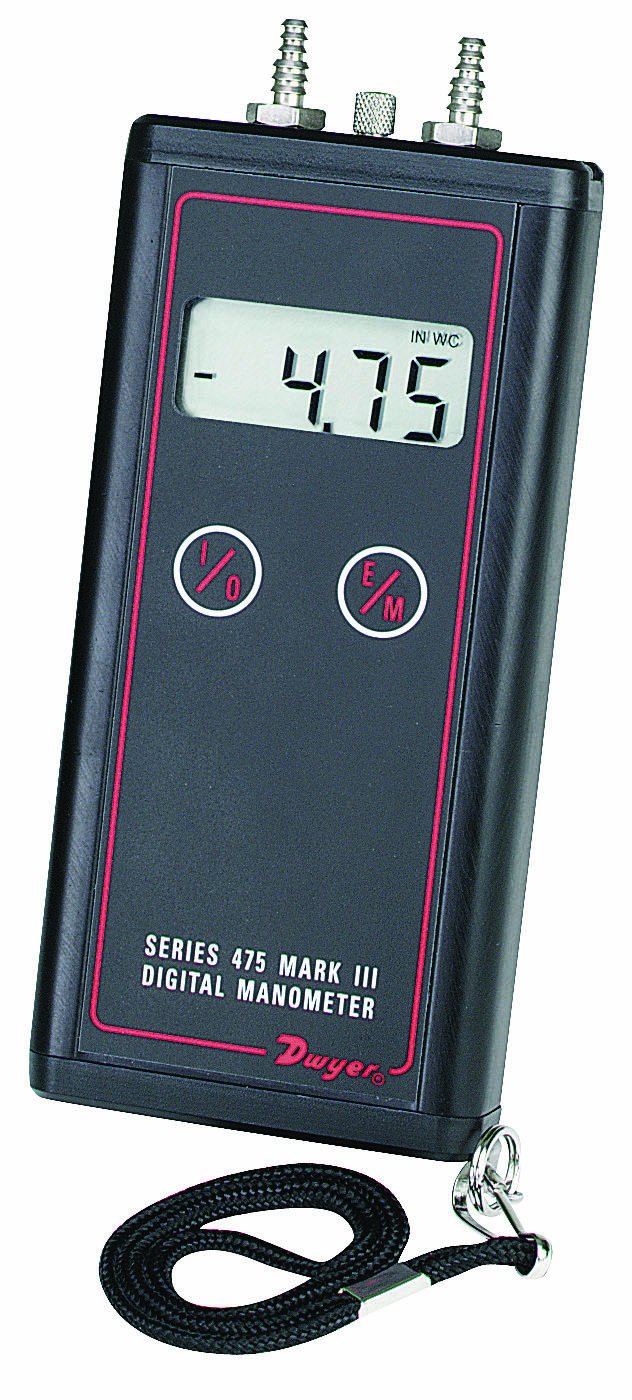
Handheld differential pressure for standing and operating pressure checks on natural gas and propane systems.
View on Amazon →As an Amazon Associate, TestTalkHQ earns from qualifying purchases. Product links are from the live TestTalkHQ affiliate CSV only.
| Gas | Material | Table used here | Units in table |
|---|---|---|---|
| Natural gas | Schedule 40 metallic | IFGC 402.4(2) / IRC G2413.4(1) | CFH |
| Propane | Schedule 40 metallic | IFGC 402.4(28) | Thousands of BTU/hr |
| Natural gas | CSST (0.5 in. w.c. band) | IFGC 402.4(15) | CFH by EHD |
| Propane | CSST | IFGC 402.4(32) | Thousands of BTU/hr by EHD |
Other pressure-drop bands, elevations, and some manufacturer CSST listings use different tables. The AHJ and the tubing maker win over a website. NFPA 54 Chapter 6 is the parent method; IFGC 402 and IRC G2413 are how many jurisdictions adopt it for buildings and dwellings.
Black iron and other Schedule 40 metallic pipe are sized by nominal diameter (1/2" through 2" on this sheet). CSST is sized by EHD (equivalent hydraulic diameter) labels such as EHD 18 through EHD 37. You cannot “convert” 3/4" steel to an EHD by eye — use the matching capacity table.
CSST almost always needs bonding per the manufacturer and the electrical code. Strike protection, routing clearances, and termination fittings are listing-driven. Threaded steel joints need proper NPT engagement and listed compound — see the NPT pipe thread calculator. Neither material forgives an undersized trunk when every appliance fires at once.
Example A. 100,000 BTU/hr natural gas, Schedule 40, 40 ft measured, no fittings. Developed = 40 ft → 40 ft row. Need 100 CFH. 1/2" = 81 CFH (fails). 3/4" = 170 CFH → 3/4".
Example B. 40,000 BTU/hr natural gas, Schedule 40, 15 ft. Round up to 20 ft. Need 40 CFH. 1/2" = 118 CFH → 1/2".
Example C. Same 100,000 BTU load but six elbows on steel: developed = 40 + 6×2.5 = 55 ft → 60 ft row. 3/4" at 60 ft is 137 CFH — still covers 100 CFH, but you can see how fittings push you toward the next row or the next size on heavier loads.
Ready to size a real run? Defaults match Example A so you can change one input at a time.
Gas Pipe Calculator →No. Use the table written for the gas and material. Energy density and table units differ.
No. CSST uses EHD sizes and different capacity rows. Compare capacities, not marketing nicknames.
This sheet’s longest row is 200 ft. Longer systems need the full code tables, a hydraulic calc, or a redesign (intermediate regulators, larger trunk).
Common gas line sizing problems — fittings, wrong table, meter limits, and pressure checks.