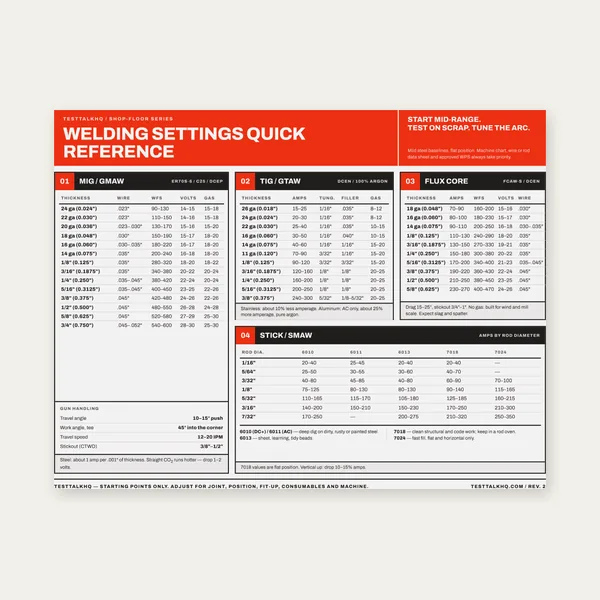
Welding Reference Card
One page. MIG, TIG, stick and flux core settings by thickness.
$3.99
BuyPorosity, wind loss, regulator freeze-up, and turbulence when the CFH on the flowmeter already matched the calculator
This is field diagnosis of gas coverage failures — not a CFH lookup. Set a starting flow range with the Shielding Gas Flow Rate Calculator. Choosing which gas to run (C25 vs tri-mix vs straight argon) is a different question — that decision lives in How to Choose Shielding Gas. When the bottle empties faster than the job should allow, see Gas Cylinder Duration Troubleshooting.

Use this when the flowmeter reads the calculator's CFH but the weld still shows porosity, sugaring, or a dirty puddle. The flow number at the gauge is not the flow at the arc — leaks, wind, cup size, and freeze-up all break coverage after the reading looks correct.
| Symptom | What it usually means | First fix | Next tool |
|---|---|---|---|
| Porosity with low CFH | Too little flow — air pulled into the shield | Raise CFH toward calculator range; check for suck-back | Gas Flow Calculator |
| Porosity with high CFH | Too much flow — turbulence sucks in air | Lower CFH; you overshot into turbulent flow | Gas Flow Calculator |
| Porosity only outdoors/near fans | Wind or draft blowing the shield away | Block the wind; do not just crank flow | Choose Shielding Gas |
| Flow drops mid-weld, frost on regulator | Regulator/CO2 freeze-up from expansion cooling | Lower flow, add cylinder heater, warm the reg | Cylinder Duration Troubleshooting |
| Dirty TIG weld even at correct CFH | Standard collet on a big cup, or gap too large | Fit a gas lens; match cup size to flow | Gas Flow Calculator |
What it looks like: Scattered surface pinholes or wormtracks, gray/dull bead, and on stainless a sugared, oxidized backside. Worse on longer stick-out and when the nozzle is far from the joint.
Likely causes: The flowmeter reads the calculator's CFH, but the arc still sees air. Excessive nozzle-to-work distance, a nozzle clogged with spatter, a leaking gas line or O-ring pulling air in on the low-pressure side, or a torch trigger with pre/post-flow set too short so the puddle starts and ends unprotected. On a flow gauge (not a true flowmeter) the ball position can read high while actual delivered flow is low.
Fixes: Confirm the range with the Shielding Gas Flow Rate Calculator, then verify at the cup — a paper-strip or flow gauge held at the nozzle catches restriction the wall gauge hides. Clean the nozzle, shorten stick-out, leak-check hoses with soapy water, and set adequate pre/post-flow (TIG especially).
What it looks like: Porosity that gets worse when you increase CFH, a hissing torch, and wasted gas. Common when a welder cranks flow to "fight porosity" and makes it worse.
Likely causes: Above a critical CFH for the cup/nozzle, laminar gas flow breaks into turbulence. Turbulent flow mixes atmosphere into the shield right at the puddle. Oversized flow through a small cup, or a big flow spike from an unregulated valve, both trip this.
Fixes: Dial flow back into the calculator's laminar range for your cup size and process. If you genuinely need higher volume for a wide gap or drafty bay, increase cup size (and use a gas lens, section 5) rather than blindly raising CFH. Re-run the numbers on the Gas Flow Calculator.
Porosity got worse when you turned the gas up? That is turbulence — come back down into the laminar band.
Reset CFHWhat it looks like: Clean welds indoors, porous welds outside, near a roll-up door, or under a shop fan. Even 5 mph of crosswind strips a MIG/TIG gas shield. Cranking CFH barely helps and wastes gas.
Likely causes: Shielding gas is a physical column — moving air displaces it faster than more CFH can replace. Self-shielded flux-core exists precisely for this reason. Gas-shielded processes are wind-sensitive; TIG most of all.
Fixes: Block the wind — welding screens, cardboard, close the door — before touching the flowmeter. If you must weld in wind, consider a wind-tolerant process/gas per How to Choose Shielding Gas, a larger cup with a gas lens, and only a modest CFH bump. Raising flow into turbulence (section 2) trades one porosity source for another.
What it looks like: Flow starts correct, then the flowmeter ball drops during a long pass; frost or ice forms on the regulator or CO2 cylinder; porosity appears late in the weld or after several long beads.
Likely causes: Gas expanding across the regulator cools it (Joule-Thomson effect). Pure CO2 drawn at high flow or high duty cycle can freeze the regulator and even the siphon tube, dropping delivered CFH below the setting. Cold shop temperatures make it worse.
Fixes: Reduce flow to the minimum that shields well, use a regulator/heater designed for CO2 where high flow is needed, give the regulator time to warm between long passes, and keep cylinders above freezing. If the bottle also empties early, that overlaps Gas Cylinder Duration Troubleshooting. Confirm your target CFH is not set higher than the joint needs on the Gas Flow Calculator.
What it looks like (TIG): Dirty, oxidized tungsten and weld even at "correct" CFH, especially with a large cup, long tungsten stick-out, or when reaching into a corner. Increasing flow makes it worse.
Likely causes: A standard collet body sends gas through the cup as a relatively turbulent jet. In a big cup or at higher flow, that turbulence entrains air. Long tungsten stick-out for tight-access joints leaves the shield unsupported.
Standard collet vs gas lens:
Fixes: Match cup ID to flow, fit a gas lens for larger cups or extended stick-out, and re-target flow with the calculator — a gas lens usually needs the same or slightly less CFH, not more. Gas lens hardware lives in TIG accessory kits (see products below).
Article 3 SKIPPED on purpose. Choosing the gas itself — C25 vs 100% CO2 vs argon vs tri-mix, and how gas choice affects penetration, spatter, and cost — is a selection decision, not a flow fault. That fork is fully covered in How to Choose Shielding Gas, so it is cross-linked here rather than duplicated.
Use that page to pick the gas, this page to fix coverage once it is flowing, and the calculator to set CFH.
How to Choose Shielding Gas → Gas Flow Calculator → Cylinder Duration Troubleshooting →
One page. MIG, TIG, stick and flux core settings by thickness.
$3.99
Buy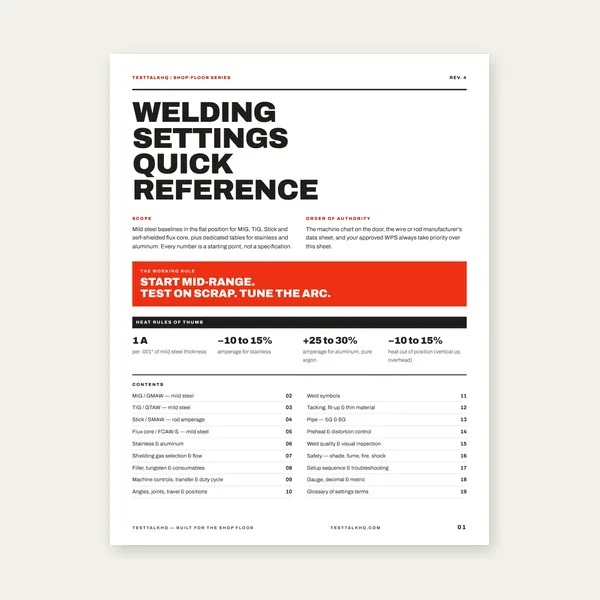
19 pages. Four processes, stainless and aluminum, symbols and inspection.
$12.99
Buy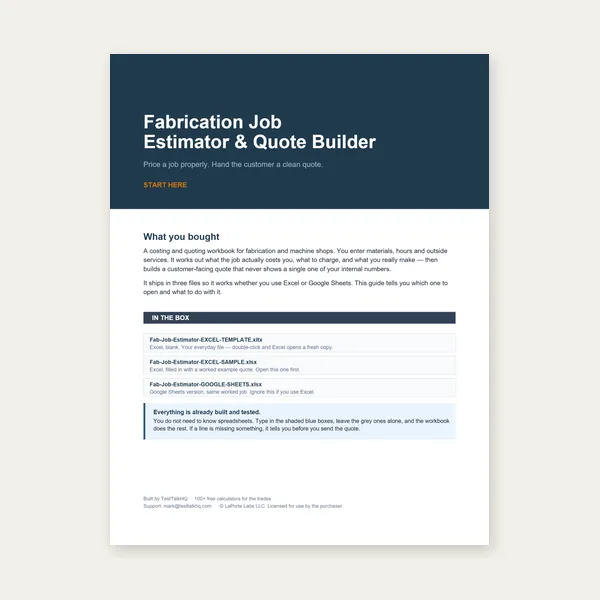
Price the job, then hand over a quote with no internal numbers.
Excel or Google Sheets. Best on a computer.
$29.00
Buy
Card, 19-page guide and the estimator workbook. All six files.
Excel or Google Sheets. Best on a computer.
$34.99
$45.98 if bought separately — save $10.99
BuyCheckout opens in a new tab.
Five CSV catalog picks with verified images — accurate flowmetering, dual-gas regulation, gas-lens hardware, and hand protection
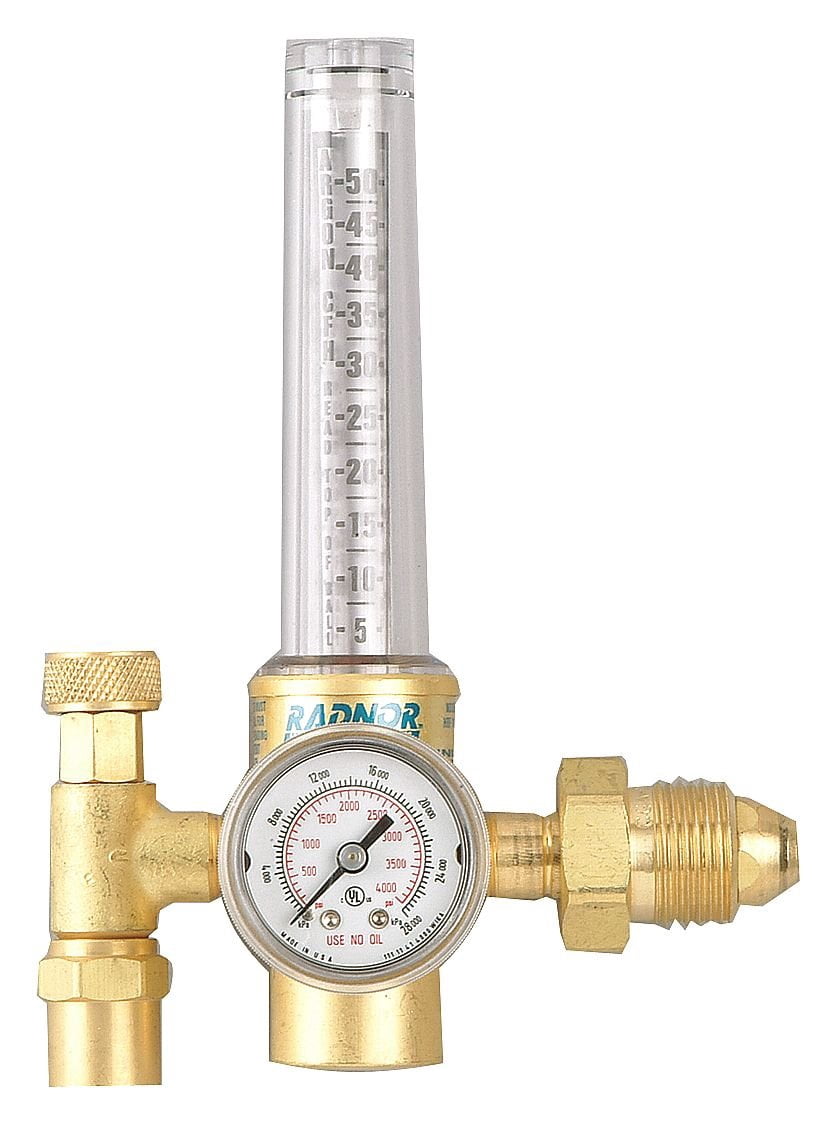
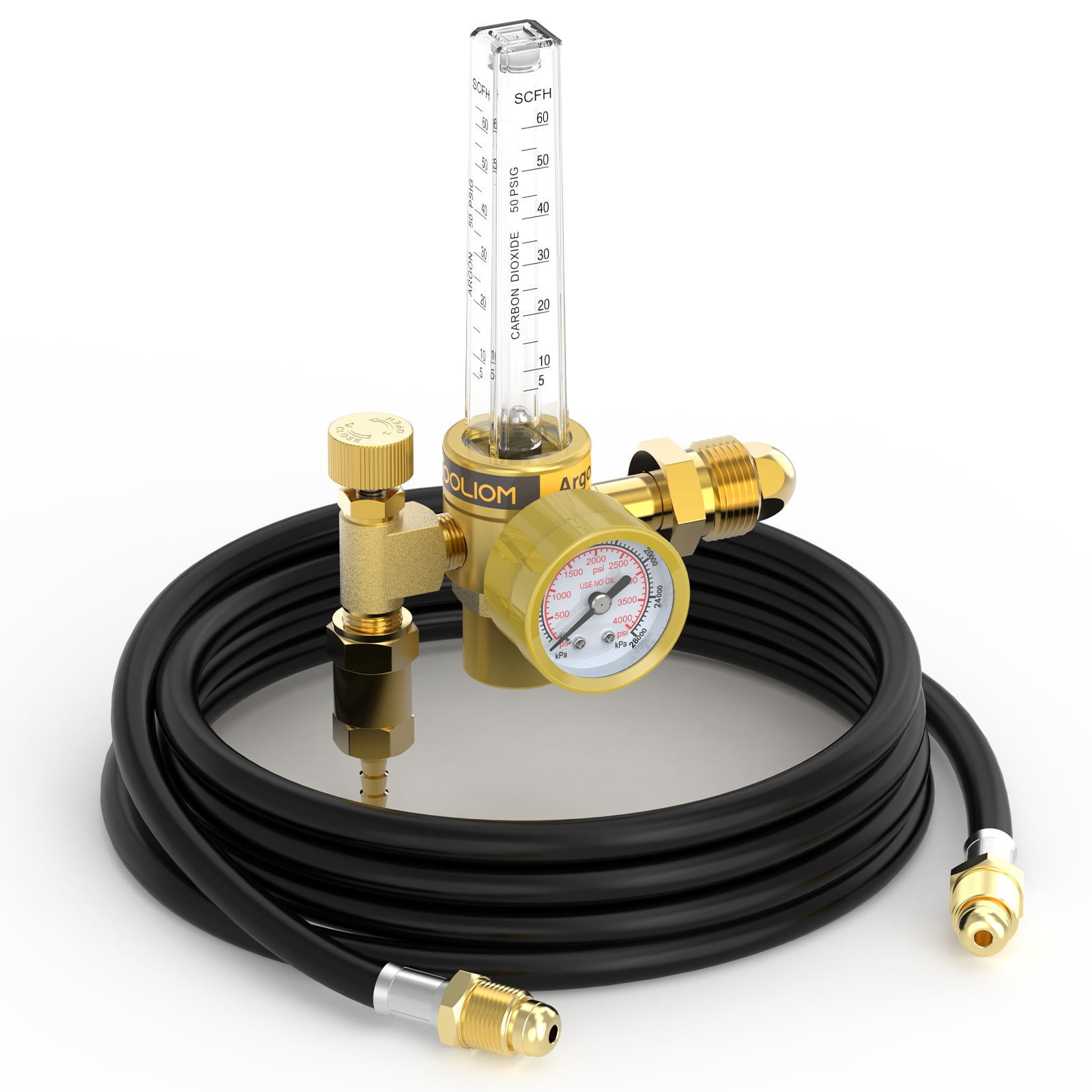
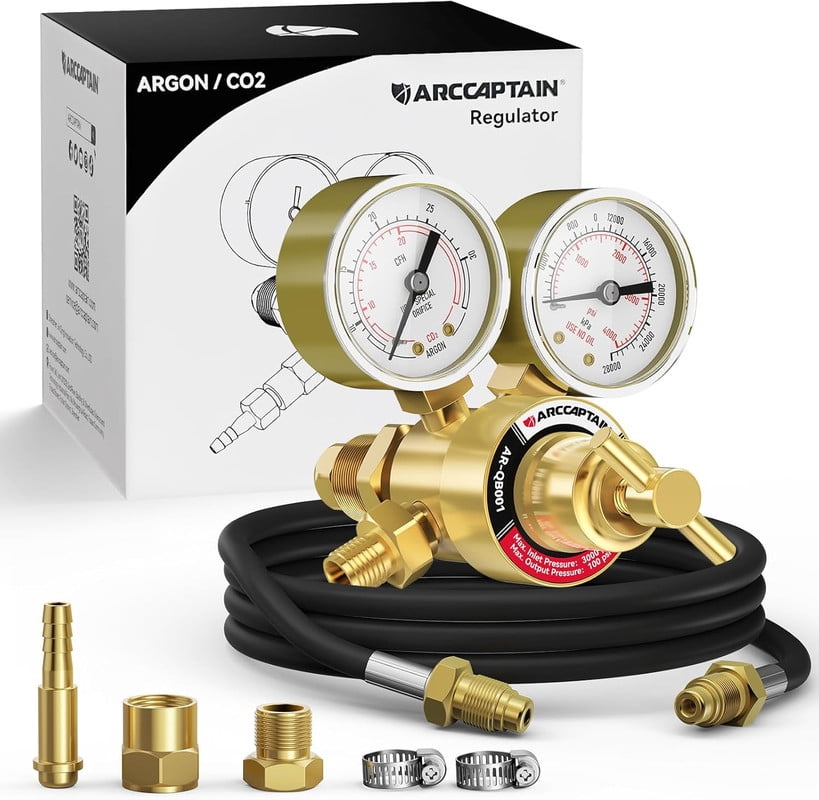
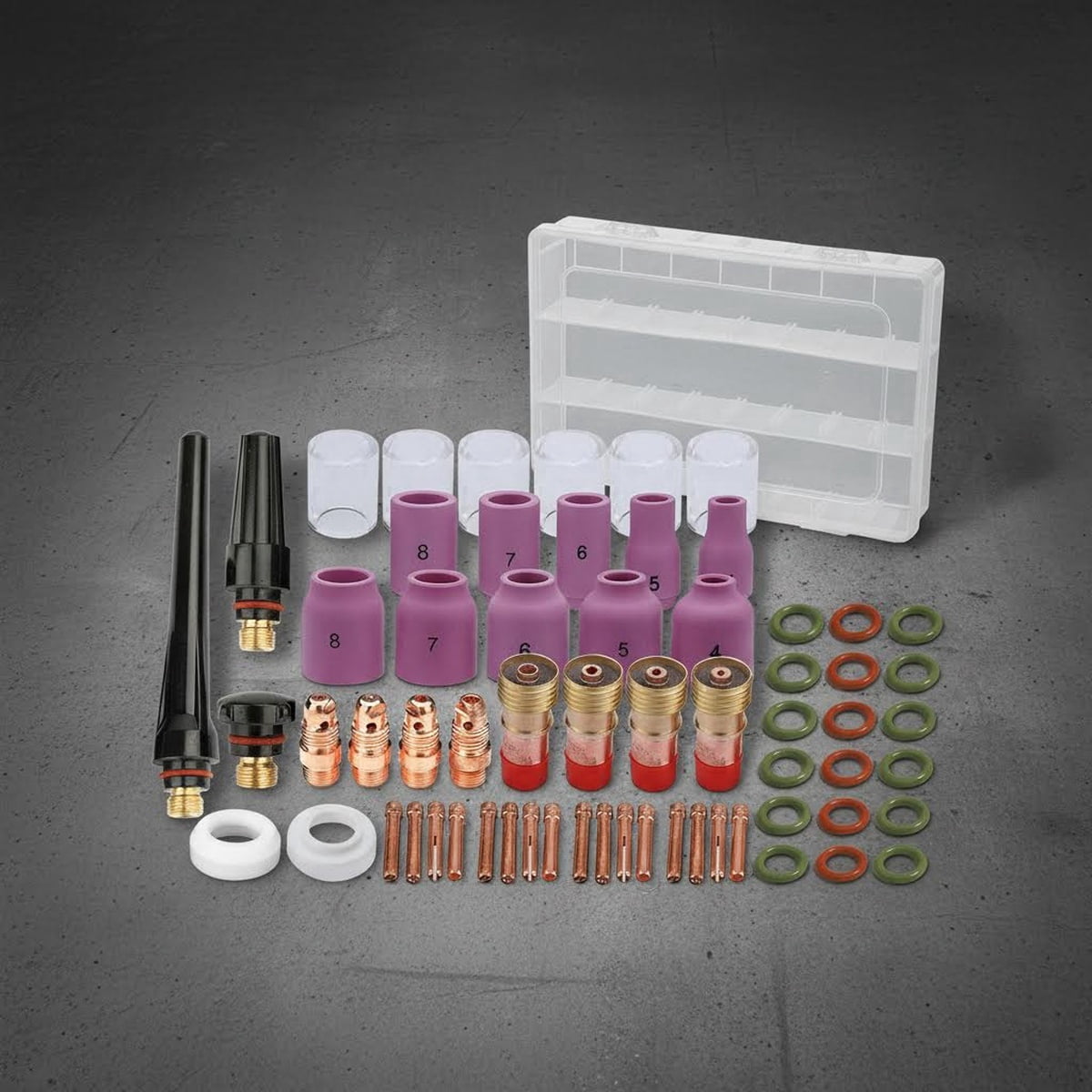
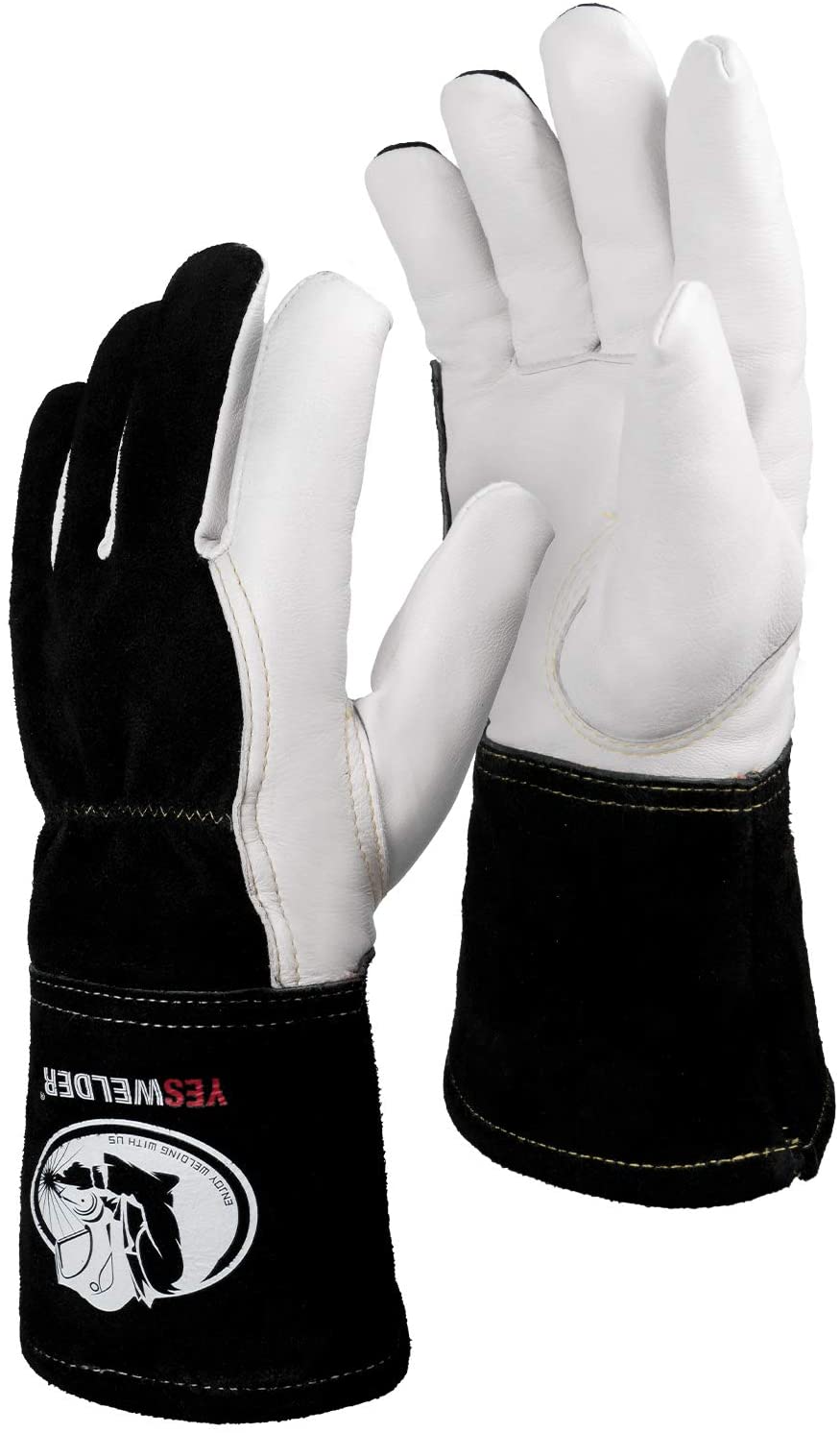
As an Amazon Associate, TestTalkHQ earns from qualifying purchases. All five cards are sourced only from the affiliate CSV with verified product images.
Depends which side you're on. If flow is below the calculator range, air is being pulled in — raise it. If porosity got worse when you raised flow, you're in turbulence — bring it back down. Fix leaks, stick-out, and wind before assuming it's the CFH.
Past a critical flow for your cup, the gas becomes turbulent and mixes atmosphere into the puddle. Use a larger cup with a gas lens instead of simply cranking CFH.
Gas expansion cools the regulator (Joule-Thomson). High CO2 flow and cold shops make it freeze, restricting delivered flow. Lower the flow, warm the regulator, or use a CO2 cylinder heater.
When you run a large cup, need long tungsten stick-out for access, or have TIG porosity that flow tuning won't fix. A gas lens straightens flow into a laminar column and usually needs the same or slightly less CFH.
No. That page picks the gas (C25 vs argon vs tri-mix). This page fixes flow and coverage faults after the gas is already selected and flowing.