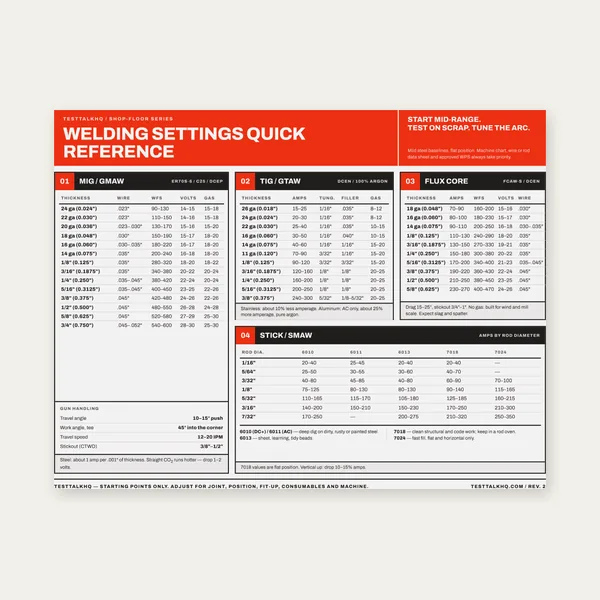
Welding Reference Card
One page. MIG, TIG, stick and flux core settings by thickness.
$3.99
BuyWhen the calculator sized the lead — but the arc still softens, heats, or trips
Use this when the Welding Cable Size Calculator said the AWG was fine and the shop still sees voltage drop, hot lugs, or weak arcs. Sizing rules and building-wire vs welding-cable decisions live in the Welding Cable Size Guide.
Most lead failures are total length undercounted (electrode + work), damaged/corroded connections, confusing building wire with welding cable, duty-cycle heating on borderline size, or input-extension problems blamed on welding leads.
| Symptom | What it usually means | First fix | Next tool |
|---|---|---|---|
| Soft arc / low amps at work | Voltage drop — length or undersize | Measure V at clamp under load; upsize or shorten | Cable Size Calculator |
| Hot lugs / melted insulation | High resistance joint or undersize for duty | Remake lug; check torque; upsize | Guide inspection section |
| Calc OK; still drops | Only one lead length entered | Sum electrode + work path | Guide total length |
| Breaker trips on input | May be branch/extension — not weld lead | Check receptacle circuit & cord | Power Cost / supply |
| Intermittent arc | Broken strands / loose work clamp | Flex test; replace clamp/lead | Guide field inspection |
What it looks like: Calculator used 25 ft; shop has 25 ft stinger + 25 ft work = 50 ft path.
Fixes: Enter total conductor length both ways. Re-run and upsize per the guide’s long-run rules.
What it looks like: Cable size OK; a single hot connection drops the arc.
Fixes: Remake crimps, clean clamp faces, replace burned holders. Size alone cannot fix a bad joint.
What it looks like: THHN or NM pressed into electrode duty — stiff, hot, insulation wrong.
Fixes: Use welding cable for leads. Building wire ampacity tables are a different decision — see guide “building wire vs welding cable.”
What it looks like: Intermittent OK; production heat-soaks the lead.
Fixes: Upsize one AWG or reduce duty. Pair with duty-cycle troubleshooting if the machine also trips.
What it looks like: Leads sized right; 120V welder on a long #14 extension browns out.
Fixes: Diagnose supply separately (outlet tester, voltage under load). Don’t upsize welding leads to fix a bad input cord.
What it looks like: Intermittent soft arc when the lead flexes.
Fixes: Flex-test and replace; don’t tape over burned jackets as a permanent fix.
Article 3 SKIPPED: When to upsize, building-wire vs welding-cable, and connector practice already live in the Welding Cable Size Guide.
Chart SKIPPED: AWG vs amperage/length sizing is the calculator’s job; guide explains the rules. No unique 400+ word chart dataset beyond those.
One page. MIG, TIG, stick and flux core settings by thickness.
$3.99
Buy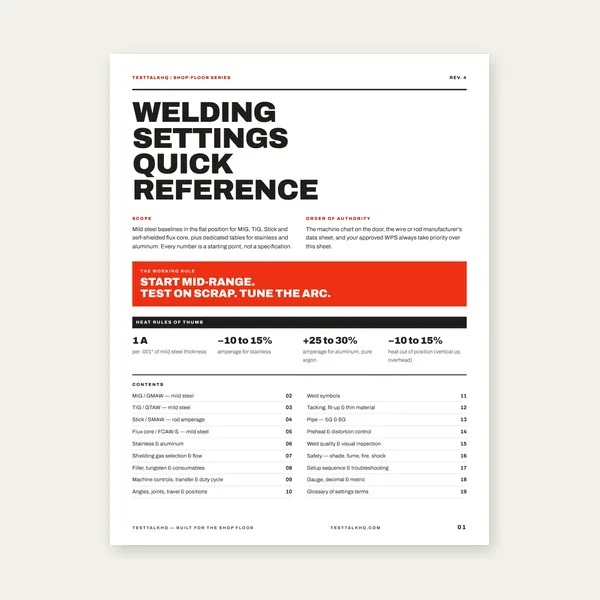
19 pages. Four processes, stainless and aluminum, symbols and inspection.
$12.99
Buy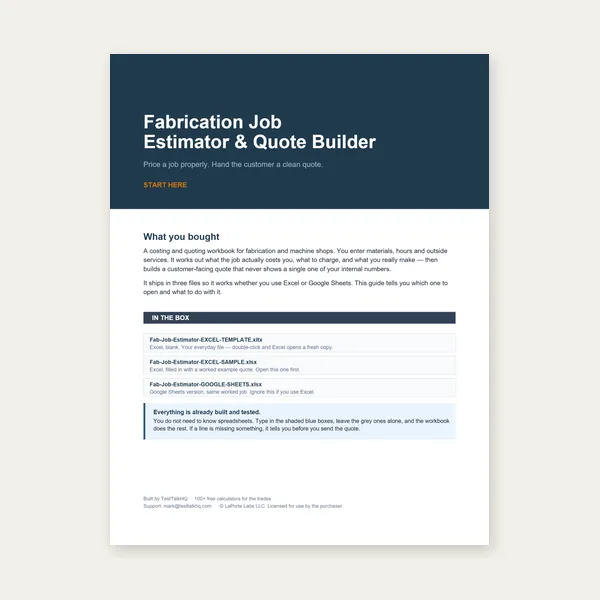
Price the job, then hand over a quote with no internal numbers.
Excel or Google Sheets. Best on a computer.
$29.00
Buy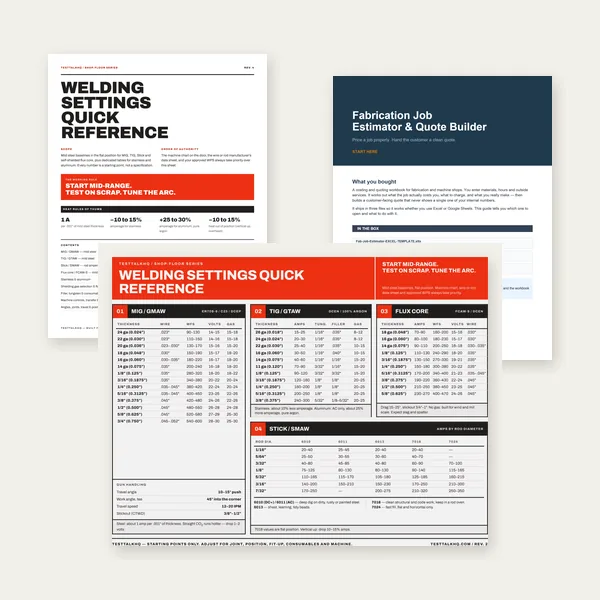
Card, 19-page guide and the estimator workbook. All six files.
Excel or Google Sheets. Best on a computer.
$34.99
$45.98 if bought separately — save $10.99
BuyCheckout opens in a new tab.
Five CSV catalog picks with verified images. Flag: no dedicated welding-cable AWG spool rows with images were in the affiliate CSV at build time.
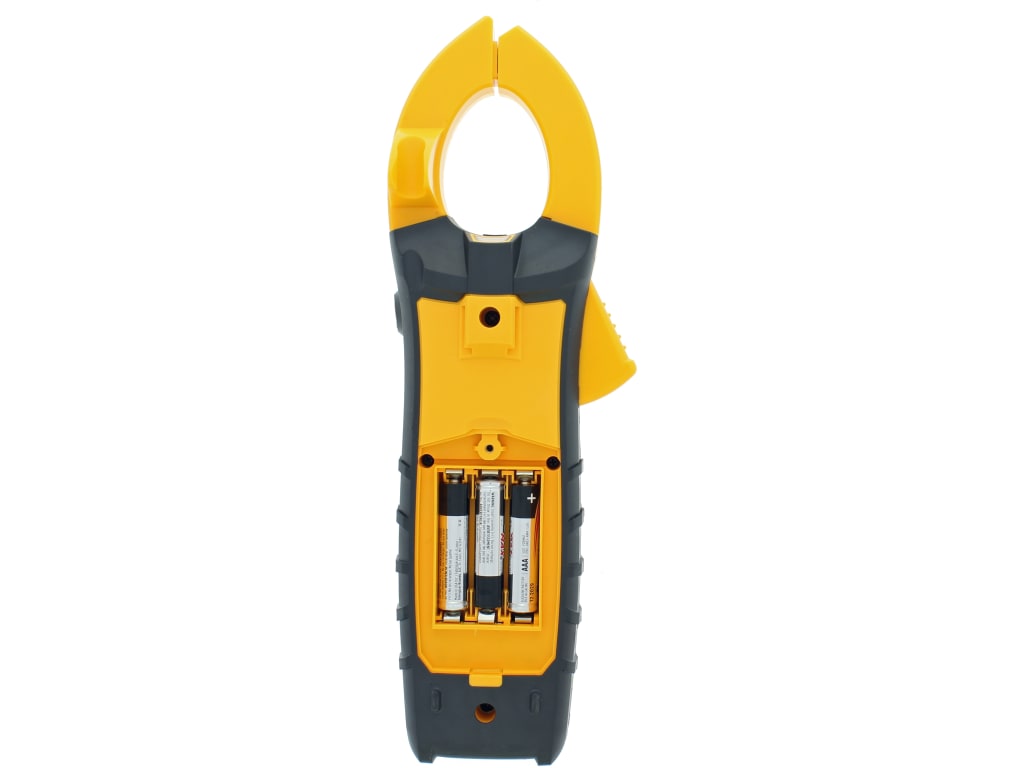
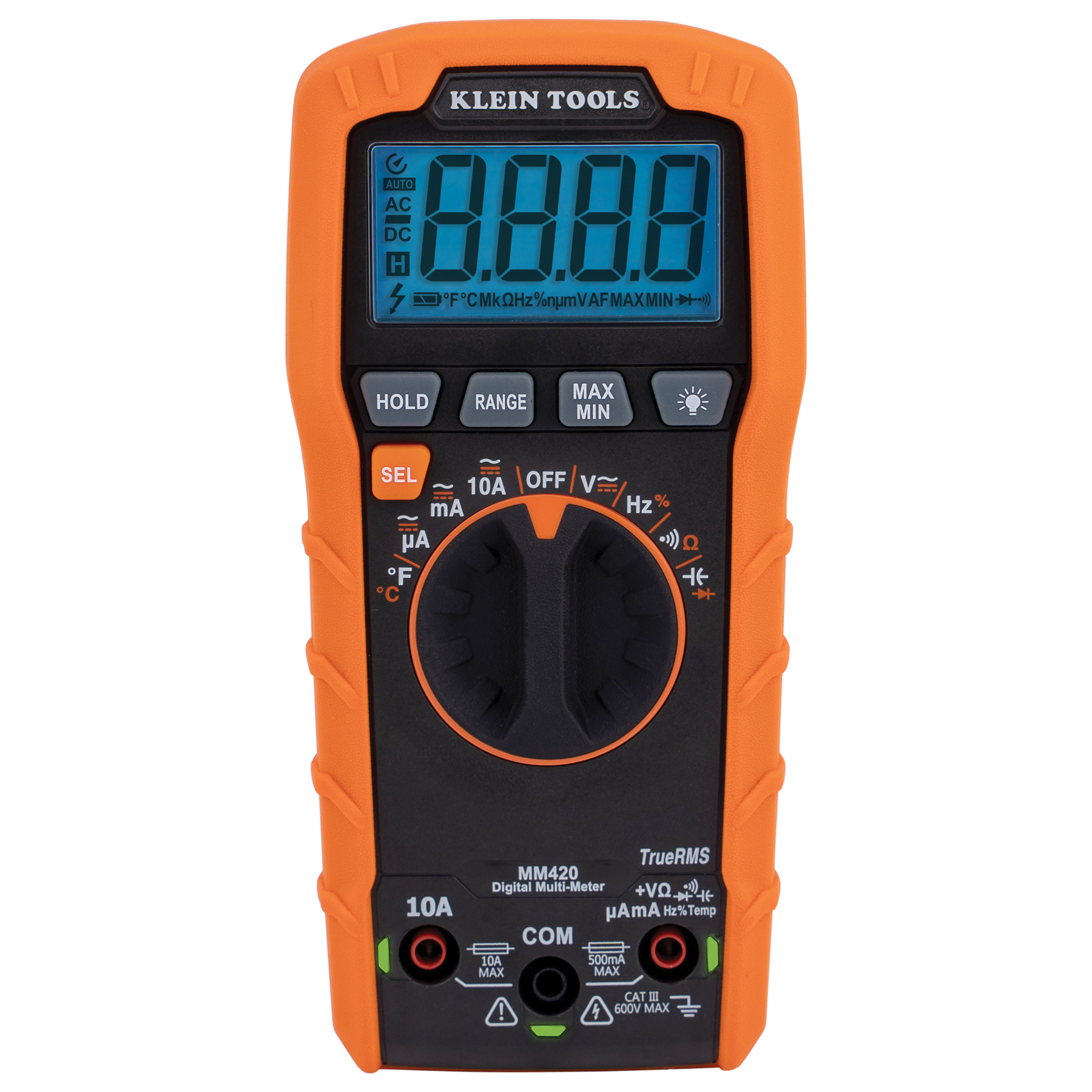
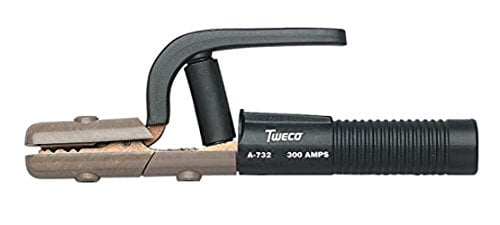
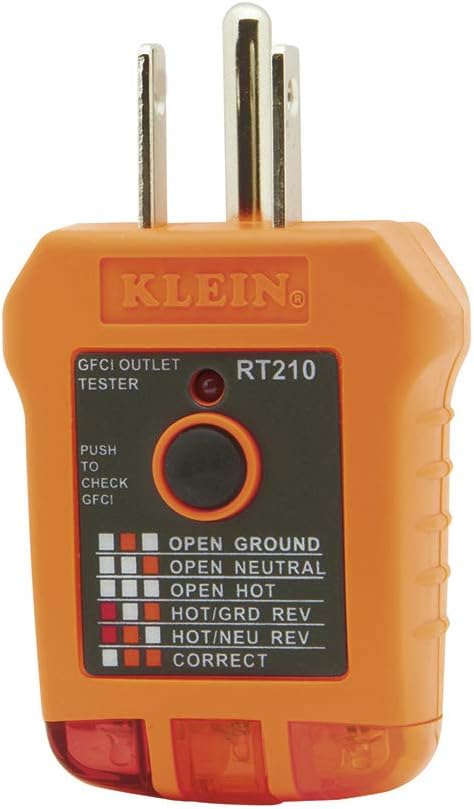
As an Amazon Associate, TestTalkHQ earns from qualifying purchases. Missing image/row: welding cable by AWG (1/0, 2/0, etc.).
The guide lists symptoms and sizing rules. This page is a diagnostic fork after the calculator: length, connections, duty heat, and input-side lookalikes.
For panel-to-receptacle building wire, use nameplate input current with the Wire Gauge Calculator for Welders. Then use the canonical Welding Wire Gauge Chart to keep branch wire, extension cords, welding leads, and MIG/TIG filler sizes separate.