
Contractor Job Estimator
Price remodels and GC work, then send a quote with no internal numbers.
Excel or Google Sheets. Best on a computer.
$29.00
BuyWhen the changeout schedule looked right but cartridges still fail early, smell breakthrough hits mid-shift, or "spent" cartridges were really a seal problem
Run this when the Respirator Cartridge Changeout Calculator estimate and written schedule still leave workers with odor, irritation, or unexpectedly short cartridge life. For ESLI vs schedule vs smell-as-last-resort basics, use the Respirator Cartridge Changeout Guide. This page stays on field diagnosis. Shop air tools still need compressor capacity — use the cfm calculator.
Most "the calculator said eight hours" surprises come from wrong cartridge family, humidity/work-rate ignored in the field, seal leaks misread as breakthrough, open storage killing unused life, or guessing concentration instead of measuring it.
| Symptom | What it usually means | First fix | Next tool |
|---|---|---|---|
| Odor inside mask mid-shift | Breakthrough, wrong cartridge, or face-seal leak | Exit, change cartridges, do a user seal check before blaming the schedule | Changeout Guide |
| Cartridges "dead" in 1–2 hours | Concentration underestimated, RH high, heavy work rate, or wrong media | Re-run estimate with worst-case ppm/RH/work; verify cartridge approval markings | Changeout Calculator |
| Schedule OK, still get headaches/irritation | Seal failure, facial hair, or missing combination (P100 + vapor) | Fit/seal check; confirm particulate + vapor needs for the process | PPE by Process |
| New cartridges smell "off" before use | Stored open in dirty locker / adsorbed shop vapors | Bag open stock; seal and date-label; rotate FIFO | Changeout Guide |
| P100 "should last forever" but breathing is hard | Particulate loading / humidity / damage — different failure mode than OV | Change on resistance/damage/hygiene, not vapor-life math alone | Fume CFM Calculator |
What it looks like: The changeout calculator (or a fixed calendar) says life should cover the shift. Workers still get solvent smell, acid irritation, or metal-fume exposure symptoms. Cartridges look clean.
Likely causes: Organic vapor (OV) media does nothing useful for acid gases or for particulate-only welding fume. P100 captures fume particles but not solvent vapors or ozone the way a vapor cartridge does. Multi-gas shortens to the weaker media. Painting one day and stainless welding the next with the same pair is a common shop shortcut that burns capacity on the wrong contaminant.
Fixes: Read the NIOSH approval / manufacturer marking on the cartridge — not the box art. Match OV, AG, multi-gas, P100, or combination cartridges to the SDS and process. Re-run the changeout calculator only after the type is correct. Process pairing context lives in the PPE Selection Guide by Process.
What it looks like: Smell or taste inside the facepiece. Crew changes cartridges immediately (correct reaction) but the same pair "fails" again in minutes. Stock burns through bags every shift.
Likely causes: Facial hair under the sealing surface, glasses temples, hard-hat straps, sweat, wrong size, or a cracked yoke. Contaminant enters around the seal, not through spent media. Habituation and shop background odor make it hard to tell seal leak from true breakthrough without a deliberate check.
Fixes: Leave the area, then perform a user seal check (positive/negative pressure per manufacturer) before and after cartridge change. If odor returns with a failing seal check, fix fit — do not keep dumping cartridges. If the seal passes and odor returns, treat it as breakthrough and shorten the written schedule. Guide reminder: smell is a last-resort cue, not the primary plan — see the changeout guide.
What it looks like: An estimate run at 50% RH and "moderate" work is posted on the board. Summer humidity hits 80%+, or production goes continuous overhead welding. Cartridges die early; the board still says "change end of shift."
Likely causes: Moisture competes for adsorption sites on OV media — relative humidity above ~65% cuts life hard; above ~85% cuts it harder. Heavy breathing pulls more contaminant mass through the bed per hour. The calculator applies those derates only if you enter real conditions.
Fixes: Re-run the calculator with peak-season RH and the actual work rate for the worst task, not the office average. Update the written schedule for humid months. Store sealed cartridges away from open booth air.
What it looks like: Service life looks generous on paper. Real exposure during grinding, confined repair, or spray days is far higher than the "typical" number someone typed once.
Likely causes: Educational calculators scale life roughly with concentration. Entering 10 ppm when the plume is intermittently 100+ ppm understates loading. No SDS review, no IH sample, and no worst-case booth condition equals a schedule that only works on light days.
Fixes: Prefer measured or manufacturer-scenario concentrations. When data is thin, plan to the worst credible task — not the quiet day. Reduce reliance on cartridges with source capture using the Welding Fume Ventilation CFM Calculator and fume ventilation guide.
Need a planning estimate with honest inputs? Set cartridge type, worst-case ppm, RH, and work rate — then write the shorter interval into the program.
Open CalculatorWhat it looks like: "Fresh" cartridges from the locker smell used, or fail early on light exposure days. Nobody knows install dates.
Likely causes: Cartridges left uncapped in a dirty locker adsorb shop vapors continuously. Shared bags without install dates make the written schedule unauditable. Washing vapor cartridges (never do this) destroys media.
Fixes: Cap or bag per manufacturer instructions. Mark install date on the cartridge or bag. FIFO the stock. Treat opened cartridges as individual-service items. Hygiene and storage rules are summarized in the changeout guide.
What it looks like: Crew waits for "odor breakthrough" on particulate filters, or runs P100-only against solvent-heavy work. Breathing resistance climbs; protection gaps remain.
Likely causes: Particulate filters load with dust/fume and usually fail by breathing resistance, damage, or hygiene policy — not by vapor smell. OV schedules do not map cleanly onto P100. Many welding tasks need combination cartridges when both fume and vapors/ozone matter.
Fixes: Change P100 on resistance, damage, wetting, or shift policy. Use vapor/multi media (often with P100) when the hazard assessment requires it. Keep LEV first so cartridges are residual protection, not the only control.
No separate decision/technique article for this cluster. ESLI vs written schedule vs smell-as-last-resort is the core of the Respirator Cartridge Changeout Guide. Which respirator and process PPE to wear is covered by the PPE Selection Guide by Process. LEV vs respirator hierarchy is in the Welding Fume Ventilation Guide. Cross-link those instead of duplicating.
Chart SKIPPED: Humidity/work-rate derates, mandatory breakthrough rules, and service-life scaling already live in the calculator results UI and guide. A static chart would restate the same data without clearing the new-data + 400-word standalone bar.
Price remodels and GC work, then send a quote with no internal numbers.
Excel or Google Sheets. Best on a computer.
$29.00
BuyCheckout opens in a new tab.
Five CSV catalog picks with verified Product Image URLs — facepieces, OV cartridges, and bay PPE that share the same booth.
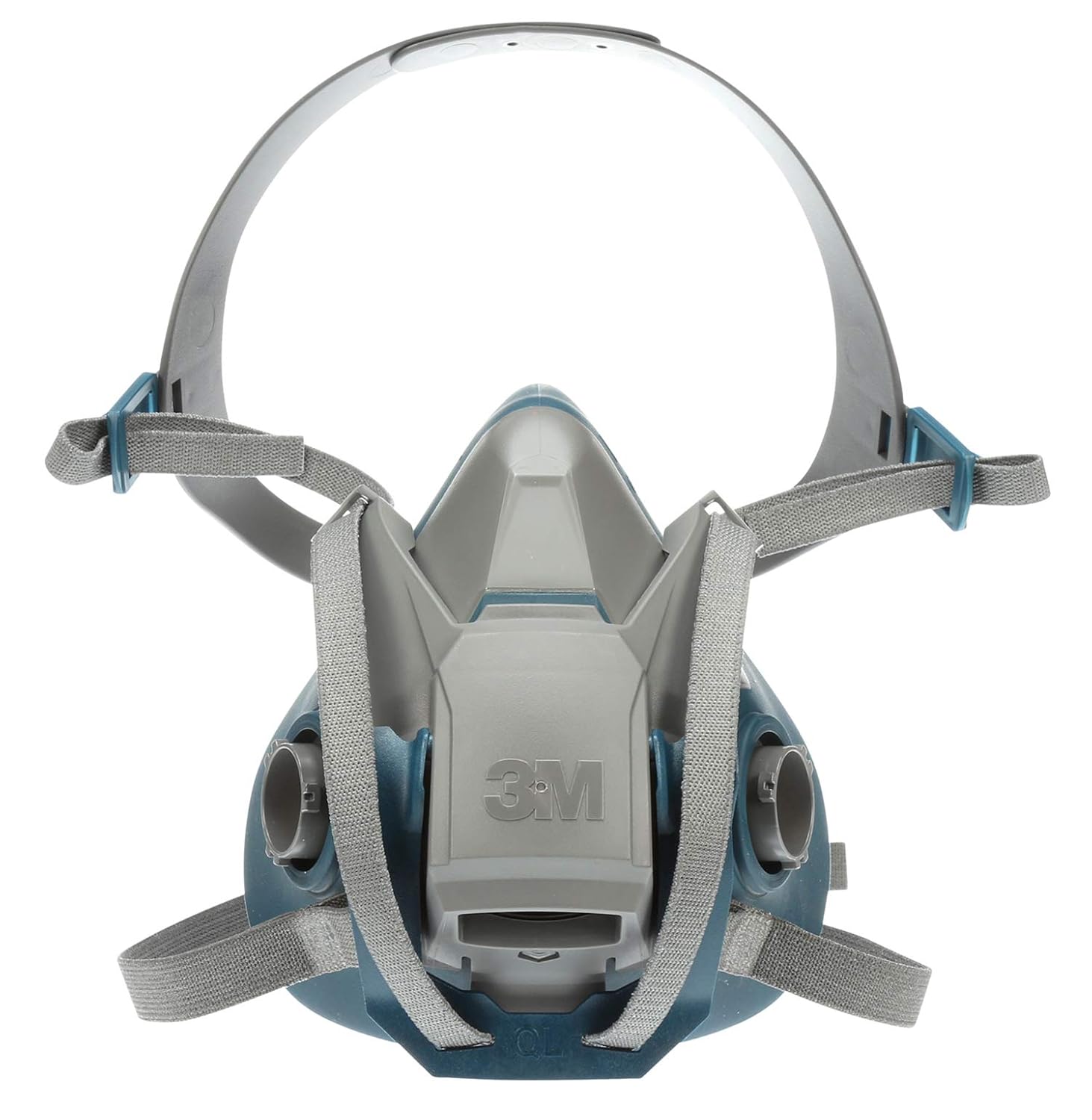
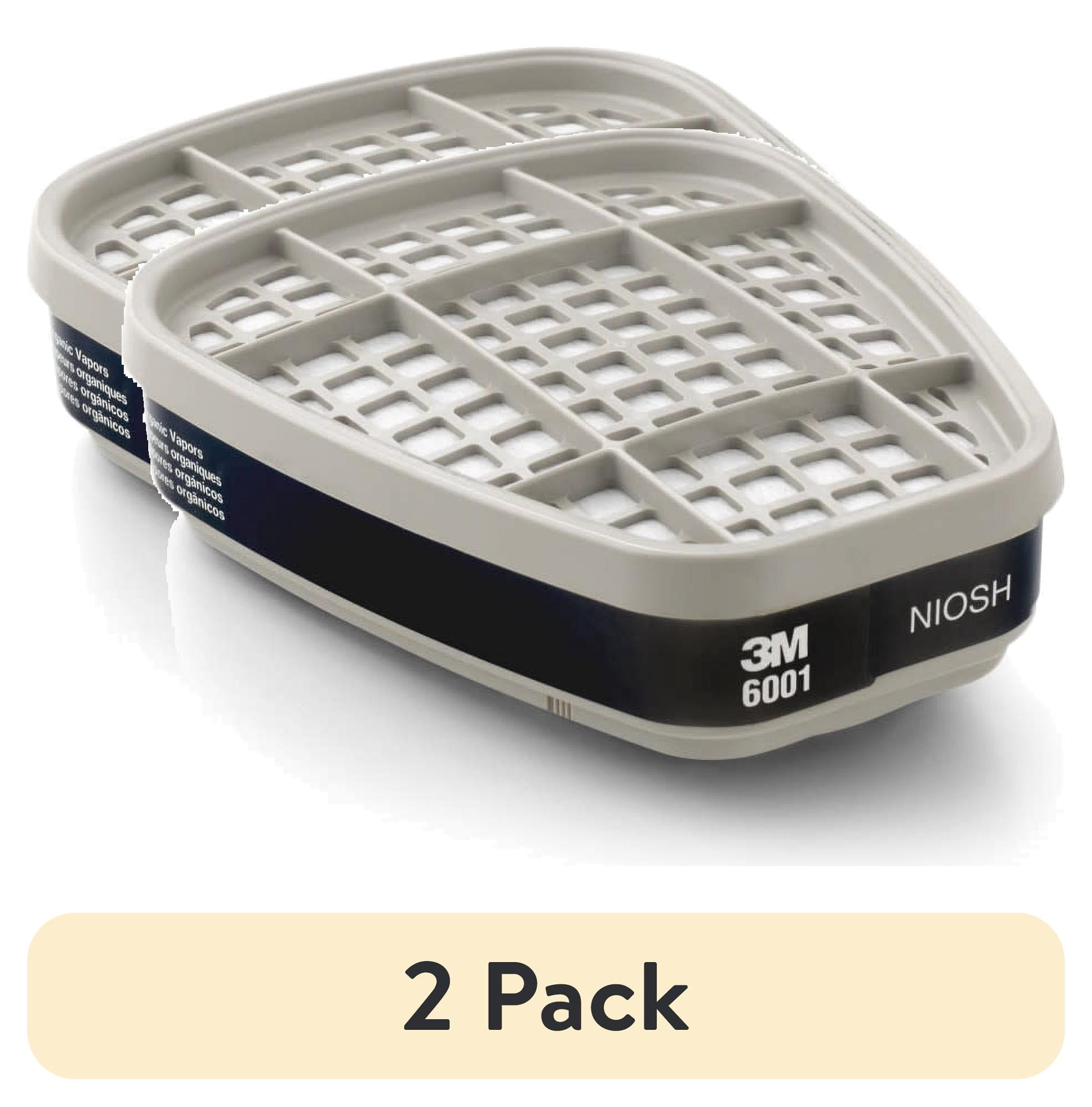
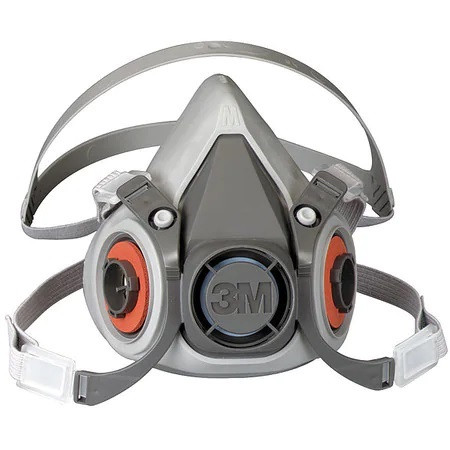
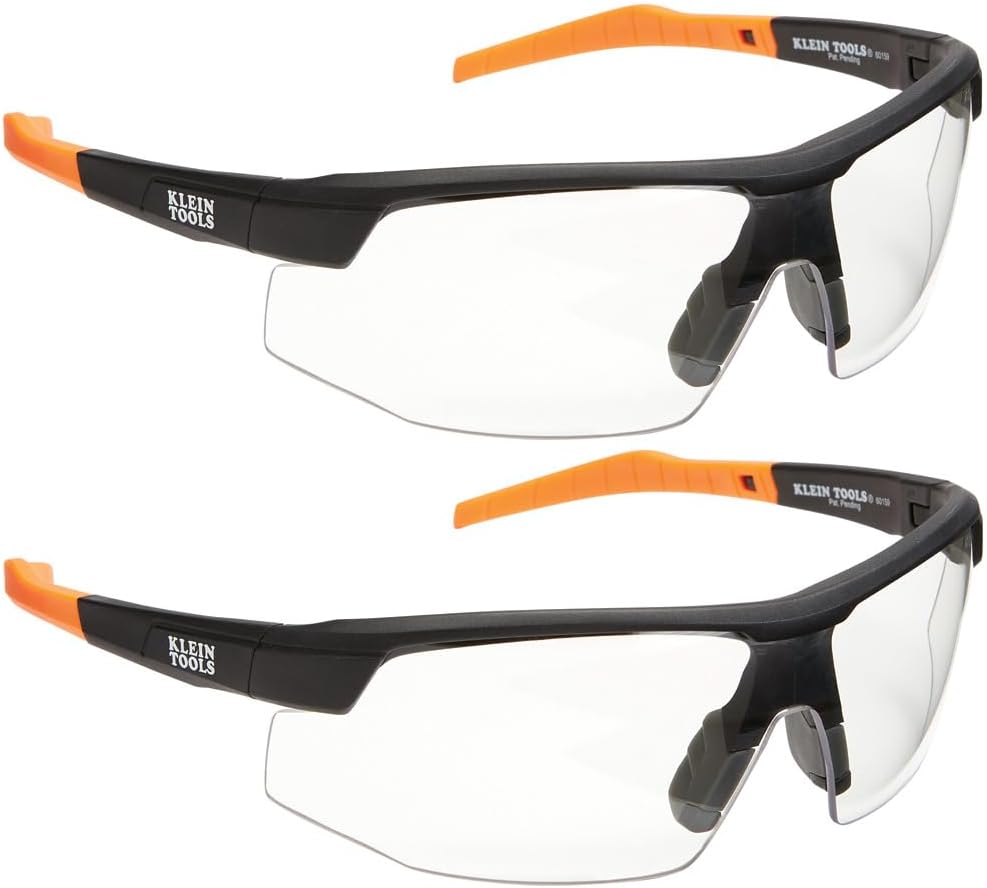
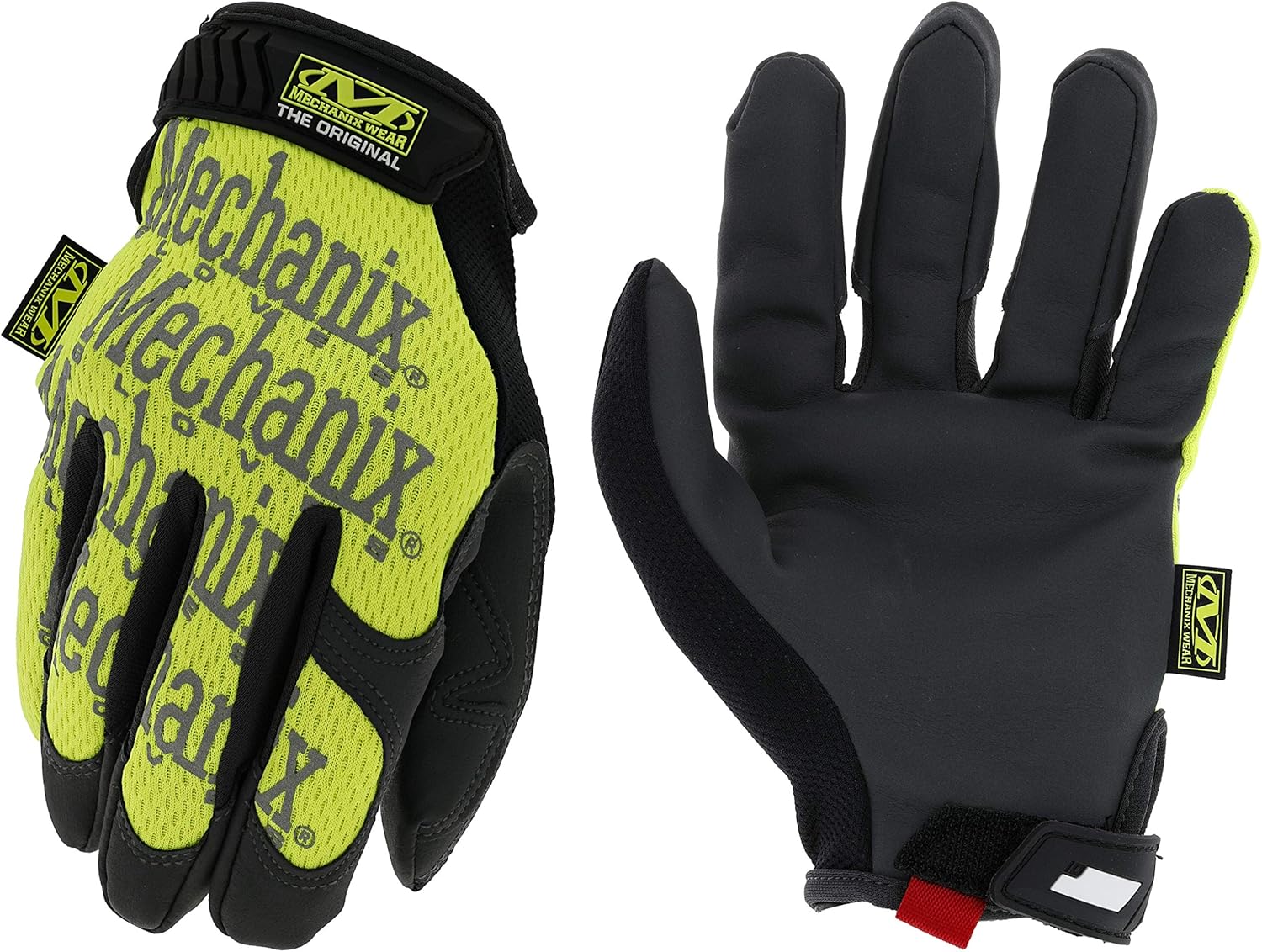
As an Amazon Associate, TestTalkHQ earns from qualifying purchases. All five cards are sourced only from the affiliate CSV with verified product images. Catalog gaps flagged by name: (1) no dedicated P100 particulate filter pack with verified image; (2) no multi-gas / OV-AG combo cartridge SKU with verified image; (3) no OV/P100 combination cartridge pack with verified image. Highest-priority respiratory catalog fills.
Exit the area, then do both: replace if breakthrough is plausible, and always run a user seal check. Repeated "instant" failure after a fresh pair usually means seal, not media.
Moisture competes for OV adsorption sites. Re-run the calculator at actual RH and shorten the written schedule for humid seasons.
No. Particulate filters are typically changed for breathing resistance, damage, or hygiene — not vapor smell breakthrough.
No. The guide teaches ESLI, schedules, and why smell is last resort. This page diagnoses failures when the plan already looked correct on paper.
LEV first — but respirators still matter for residual risk, confined work, and tasks where capture is incomplete. See the fume ventilation guide and CFM calculator.