Groove Weld Joint Prep Technique
Bevel angle and root gap by thickness, backing vs open root, and why the root pass decides final joint strength
Focused how-to — same practical angle as dialing in MIG wire speed. Not a process comparison. Run numbers in the Groove Weld Strength Calculator, then cut and fit so the welder can actually deliver that throat.
Prep Is Part of Strength — Not Housekeeping
Design strength assumes an effective throat. Prep is how you give the root pass a shot at that throat. A 60° single-V with a 1/8 in root opening behaves nothing like a 0° square butt with zero gap — even if both prints say “butt weld.”
For full AWS D1.1 prequalified angle / opening / land tables by groove type, use the Weld Joint Design Guide. This technique page is the shop how-to: how to set those dimensions up and why the root pass matters more than fill or cap for final capacity.
Bevel Angle and Root Gap by Plate Thickness
Use these as starting points for mild-steel shop fit-up when the WPS is silent, then match the qualified detail:
| Thickness (approx) | Typical prep | Root opening | Root face (land) | Notes |
|---|---|---|---|---|
| Up to ~1/4 in (6 mm) | Square butt or light bevel | 0–1/16 in | n/a or thin land | Open root only if procedure supports it; easy burn-through |
| ~1/4–1/2 in (6–12 mm) | Single-V ~60° included | ~1/16–1/8 in | ~1/16–1/8 in | Most fab V-groove root range |
| ~1/2–1 in (12–25 mm) | Single-V or U; consider double-V | ~1/8 in | ~1/8 in | Double-sided reduces filler and angular pull |
| > 1 in (25 mm+) | Double-V / U / J per WPS | Per detail | Per detail | Machined U/J save filler; backgouge plan required for CJP |
- Too tight: root cannot get heat into the centerline → lack of penetration.
- Too wide: burn-through, melt-through of the land, excess filler, and sagging roots.
- Land too thick: blocks the keyhole; grind it back rather than forcing cold amps.
- Angle too narrow: torch/gun cannot point into the sidewall → incomplete fusion.
Backing Bar vs No Backing — Decision Rules
Use ceramic / copper / steel backing (or back weld / backgouge plans) when:
- The WPS or symbol calls for backing / melt-through control.
- Open root access is poor and CJP still needs a sound root.
- Thin root openings make burn-through likely without a chill / support.
Leave open root (no backing) when:
- The procedure is written for open-root keyhole (common on pipe / some plate CJP).
- You can cleanly backgouge / grind and weld the second side.
- Backing would trap slag or become a crevice you cannot remove when the design forbids permanent backing.
Why the Root Pass Matters More Than Fill / Cap
Fill and cap build volume and contour. The root pass creates the load path across the thickness for CJP, and establishes the first increment of effective throat for PJP. If the root is incomplete, every expensive fill pass is stacking metal on a short structural hinge.
- Clean first. Bright groove faces beat clever weaving.
- Fit the gap. Measure opening at both ends and midspan before tacking.
- Tack balanced. Small, alternating tacks — heavy one-sided tacks preload distortion and close the gap.
- Root with the right heat and angle. Watch for consistent keyhole or backing melt-through as required — not just a stacked bead in the bottom of the V.
- Inspect / clean before fill. Chip, brush, and grind defects out of the root. Cap cosmetics never hide a weak root from UT/RT — or from service loads.
When defects already exist, use strength troubleshooting. When you need φRn for length and te, return to the calculator and the strength guide.
Recommended Gear for Groove Welds
Prep, consumables, and machines that support sound root passes and full design throat
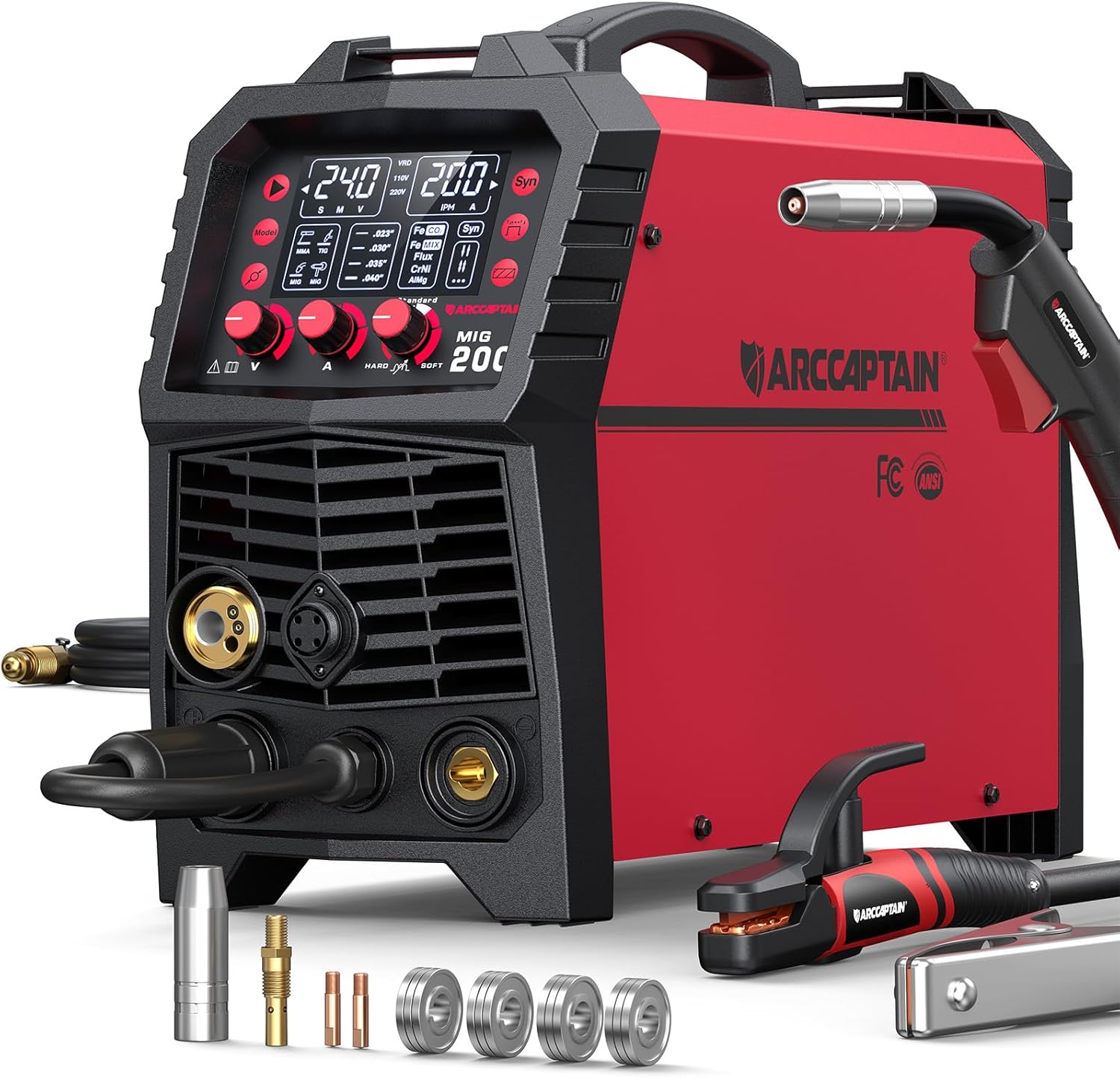
ARCCAPTAIN 6-in-1 Multi-Process
- MIG / TIG / stick for root and fill
- Stable digital meters for repeatable heat
- Dual voltage for shop or field
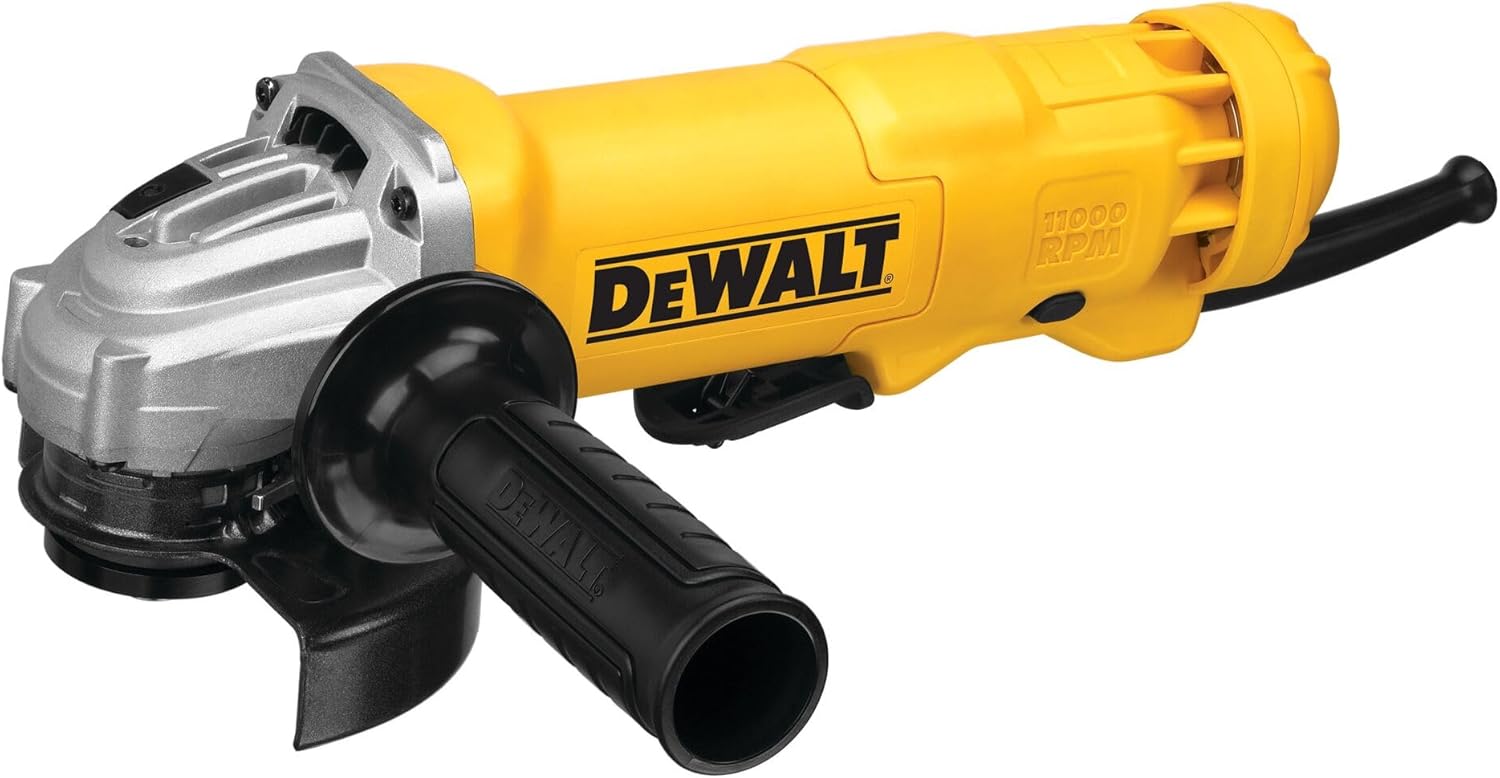
DEWALT 4.5" Angle Grinder
- Bevel edges and clean groove faces
- Open root faces without undercutting
- Essential V-groove fit-up tool
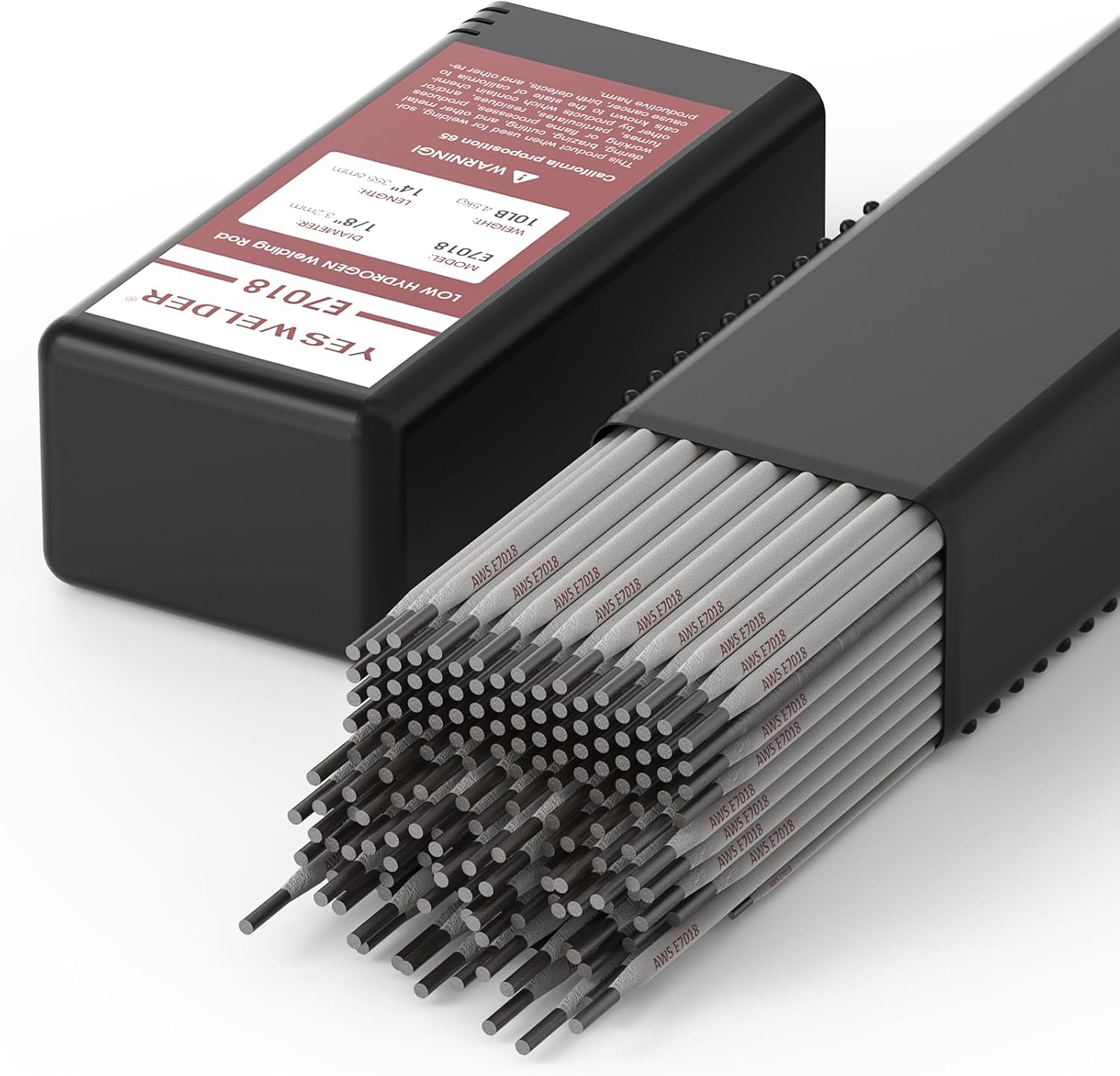
YESWELDER E7018 1/8" Stick
- E70XX class for structural grooves
- Common for CJP / PJP field work
- Keep dry for low-hydrogen soundness

VASTOOLS Welding Accessories Kit
- Chip and brush between groove passes
- Keeps slag from trapping defects
- Pairs with multi-pass root/fill work
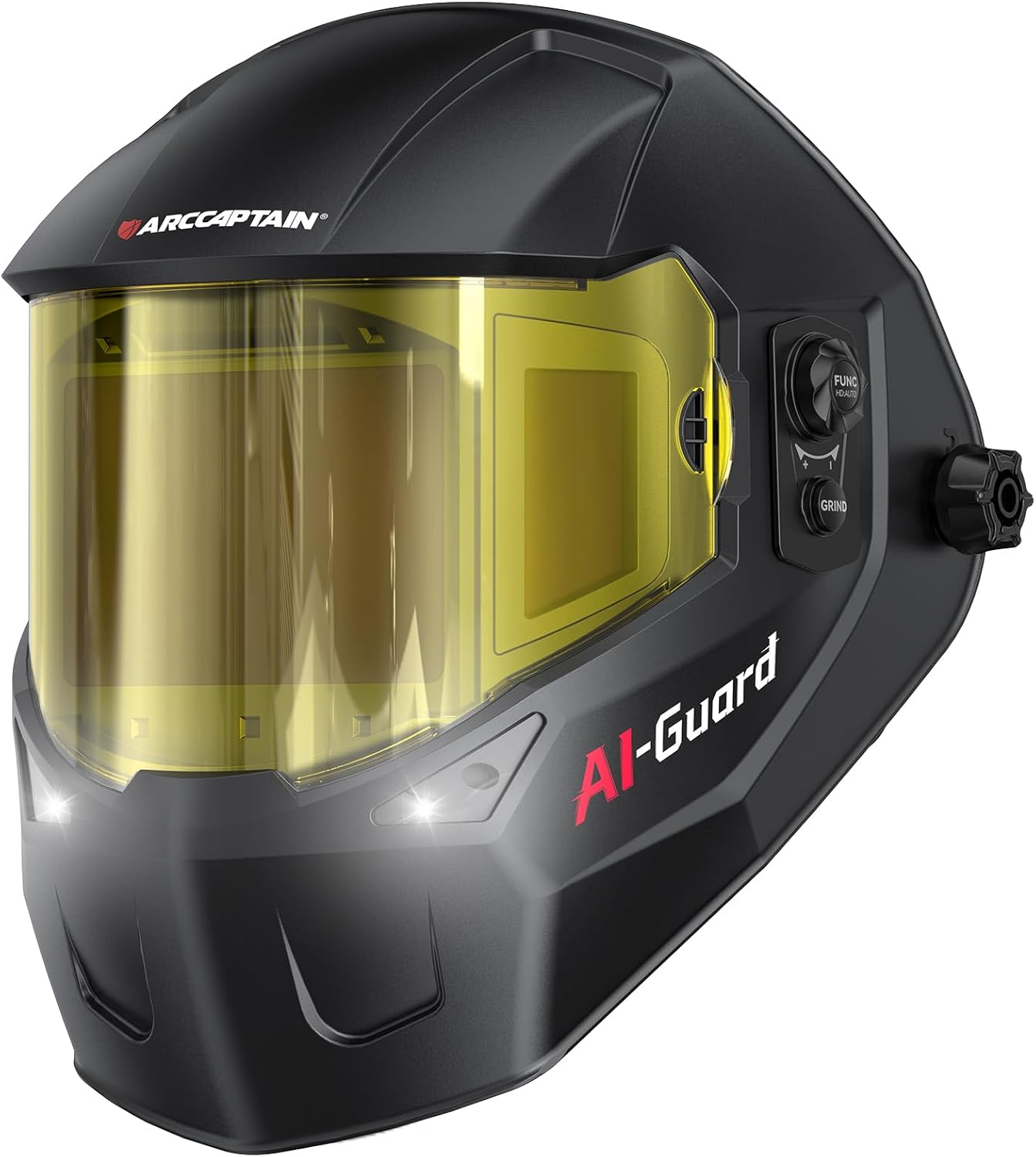
ARCCAPTAIN Halo Helmet
- Wide view for root-gap alignment
- True-color lens helps read fusion
- Comfortable for long multi-pass grooves
As an Amazon Associate, TestTalkHQ earns from qualifying purchases.
Double-Sided Prep for Thick Plate
On thick plate, double-V or double bevel cuts filler volume and balances heat. Plan which side gets the first root and how you will gouge to sound metal before the opposing root. Unbalanced single-sided heavy V on thick plate is a distortion and cost problem as much as a strength problem — see also the distortion notes in the joint design guide.
Tacks That Do Not Fight the Root
Feather tack ends so the root pass can remelt them. Tall cold tacks become incomplete-fusion islands. Place tacks where the welder can still hold root opening with clamps.
Verify Against Strength, Not Aesthetics
A flush cap and even ripples do not prove CJP. Measure root reinforcement / penetration per the procedure, and keep the assumed te honest in the strength calculator before you stamp “done.”