Wire Pulling Troubleshooting
Jacket damage, jammed bends, sidewall pressure, dry pulls, bend-radius violations, and stuck high-tension pulls
This page is diagnosis — not another walkthrough of tension formulas. For math and planning use the Wire Pulling Tension Guide. Run numbers in the Wire Pulling Tension Calculator. For soap vs wax vs gel use Lubricant Types. Stay here when the pull already scuffed, jammed, or stopped cold.

Wire Pulling Problems — Quick Answer
Use this when jackets come out scuffed, conductors lock in an elbow, insulation looks crushed at bends, the pull grabs dry, bend radius was violated, or tension spiked and the cable stopped.
| Symptom | What it usually means | First fix | Next tool |
|---|---|---|---|
| Jacket scuffs / sanded insulation | High friction, burrs, dry pull, or SWP rubbing in bends | Stop pull; inspect raceway ream/burrs; re-lube; check SWP & f | Guide |
| Sudden lock in a bend / jam | Three equal cables in jam-ratio band (~2.8–3.2) or debris/fitting catch | Do not force; back off; check jam & fill; reconfigure or upsize | Fill Calc |
| Flattened / crushed jacket at elbows | Sidewall pressure SWP = T/R exceeded | Enlarge bend radius, add pull box, reduce T | Calculator |
| Pull grabs, heat, squeal — dry feel | Insufficient or wrong lubricant; f too high | Proper wire-pull lube for jacket/conduit; restart with lower f plan | Lube Types |
| Kinked path / cable kink at bend | Bend radius too tight for cable or conduit shoe | Replace kinked section; re-bend to code/manufacturer radius | Bending Calc |
| Tension too high / stuck mid-pull | Bend multipliers + length + friction over max T | Stop before damage; intermediate pull; upsize; re-calc path | Calculator |
1. Jacket Damage & Scuffing
What it looks like: Dull sanded stripes, torn outer jacket, white stress marks on THHN/THWN, or copper peeking through at fittings after the pull.
Why this is not “normal wear”: A clean, lubricated pull through reamed conduit should not grind jackets. Scuffing means abrasion from burrs, dry friction, or crushing pressure concentrated at bends.
Likely causes:
- Unreamed or burred conduit — cut ends and couplings that were never filed act like sandpaper.
- Dry or under-lubricated pull — friction factor stays at dry defaults (PVC ~0.35, metal higher).
- Sidewall pressure at elbows — high T through small R scrapes and flattens jackets (see SWP section).
- Overfilled raceway — conductors grind each other and the wall; verify with the Conduit Fill Calculator.
2. Jams in Bends (Lock-Up Mid-Pull)
What it looks like: Smooth progress, then a hard stop at or just after an elbow. Backing off may free slightly; pulling harder does nothing or spikes tension dangerously.
Why fill % is not enough: Three equal-diameter cables can wedge in a triangular jam when jam ratio J = conduit_ID / conductor_OD sits near 2.8–3.2. That is a geometry lock, not a “needs more muscle” problem.
Likely causes:
- Critical jam ratio — three equals in the danger band.
- Debris or abandoned fish line — foreign object at the bend throat.
- Fitting misalignment — LB, offset, or coupling edge catching jackets.
- Twisted bundle — cables crossed entering the bend, effectively larger OD.
Fixes: Stop forcing. Back conductors out if possible. Recalculate jam and fill. Upsize conduit, change cable set (stagger sizes or pull count), add a pull box before the problem bend, or pull fewer conductors per shot. Method and jam explanation: Wire Pulling Tension Guide.
3. Sidewall Pressure Exceeded
What it looks like: Localized flat spots, ovalized jackets, or crushed insulation right where the cable rode the inside of a bend — even when total pulling tension looked “under max.”
The diagnostic split: Max tension limits the pulling eye. Sidewall pressure SWP = T / R (R in feet) limits crushing in the bend. You can pass max T and still fail SWP on a short-radius elbow.
Common failure modes:
- Long run + high friction entering a tight 90°.
- Multiple bends stacked so T is already high before the last elbow.
- Using a sharp factory elbow where a larger sweep was needed.
Fix: Reduce tension (lube, shorter segments, intermediate pulls), increase bend radius, or relocate the high-T bend with a pull box. Re-check with the Wire Pulling Tension Calculator. Layout cleaner sweeps with the Conduit Bending Calculator.
Crush at the elbow ≠ need more rope Recalculate SWP at the actual radius — then enlarge the bend or break the pull.
Open Tension Calculator4. Insufficient Lubricant (Dry / Grabbing Pull)
What it looks like: Rising effort, squealing, warm jackets, sticky start-stop motion, or tension climbing faster than the length alone explains.
Why a dab at the mouth is not enough: Lubricant must wet the jacket along the raceway. Long pulls wipe lube off early; cold weather thickens some products; wrong chemistry can dry or gum.
Likely causes:
- No lube, or only the first few feet coated.
- Wrong type for jacket/conduit/temperature (soap vs wax vs gel).
- Planning with lubricated f (e.g. 0.25) while pulling dry (0.35+).
Fix: Stop before jackets cook. Apply compatible wire-pull lubricant correctly, restart with a realistic friction factor, and re-check max tension. Chemistry fork: Wire Pulling Lubricant Types.
5. Bend Radius Violations
What it looks like: Cable kinked, insulation wrinkled on the inside of a bend, or conduit itself kinked/ovalized from a wrong shoe — then the pull hangs or damages jackets at that point.
Why it matters for tension: A kinked conduit raises friction and can create a catch point. Undersized cable bend radius damages conductors even if the rope never hit max lb.
Diagnostic steps:
- Inspect every field bend and factory elbow on the path.
- Confirm shoe size matched trade size — EMT in the wrong head kinks.
- Replace damaged conduit sections; do not pull past a kink hoping lube will save it.
Technique and layout: pair with conduit bending resources and the bending calculator before re-pulling.
6. Tension Too High / Stuck Pull
What it looks like: Pulling eye or rope load climbing toward (or past) manufacturer max; winch stalls; cable stops advancing with no clear single jam click.
Why forcing fails: Straight T = W×L×f plus bend multipliers Tout = Tin×e(fθ) can put you over max long before the crew “feels” a jam. Forcing past max tension risks conductor stretch and jacket failure you cannot see.
Correct sequence:
- Stop. Do not shock-load the cable.
- Recount length, bends (degrees → radians in the formula), conduit type, and lubrication state.
- Re-run the calculator against max tension (~6 lb/1000 cmil Cu default only when that is your approved basis).
- If over: intermediate pull boxes, upsize conduit, reduce conductors per pull, improve lube, or redesign the path.
- If under on paper but stuck: look for jam, debris, or fitting catch — not more winch force.
Formulas and worked example: guide. After the cable is in, ampacity is separate — ampacity derating.
Need the Formulas or Lube Choice Again?
Troubleshooting stops at the failure mode. For sidewall, jam, and max-tension math open the guide; for soap vs wax vs gel open lubricant types; for a live check open the calculator.
Fish, Bend & Feed Tools for Rework
Catalog picks for clearing and re-pulling after a failure. Dedicated wire-pull lubricants are a catalog gap — source compatible lube from your supplier while these cover fish, bend geometry, and replacement THHN.
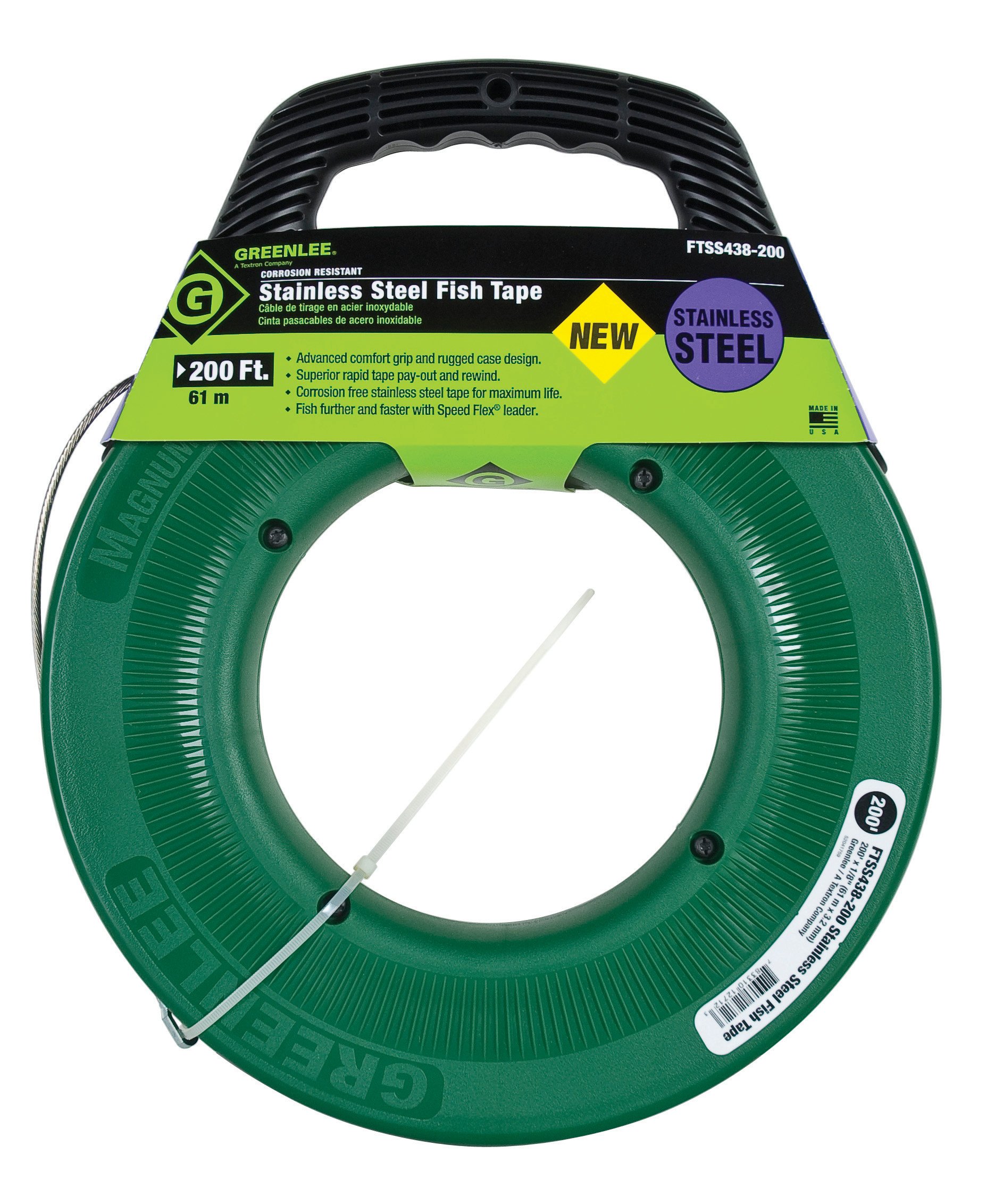
Greenlee FTSS438-200 Stainless Steel Fish Tape
- Re-fish after backing out a jammed pull
- Confirm clear path before committing conductors again
- Long stainless tape for commercial rework runs
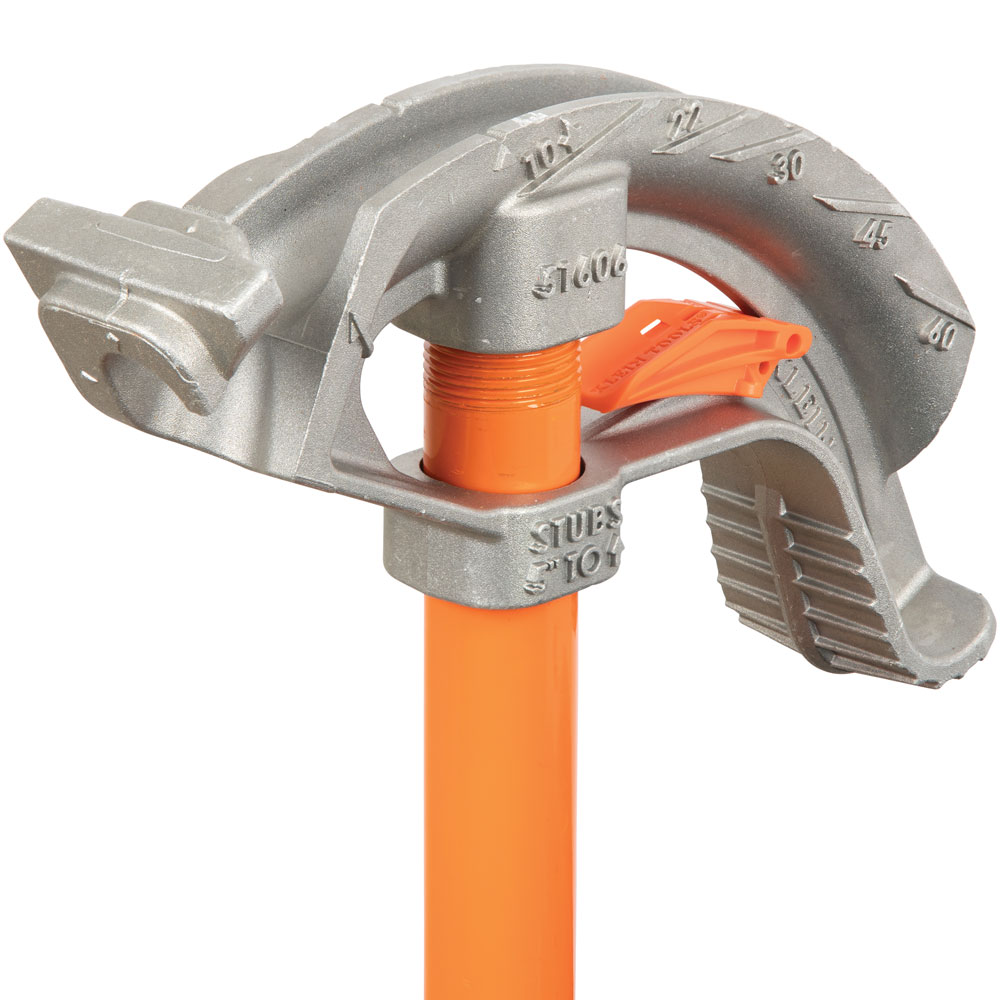
Klein Tools 51606 Aluminum Conduit Bender 1/2" EMT
- Replace kinked ½" EMT sections cleanly
- Larger/cleaner radius reduces SWP hot spots
- Wrong-shoe kinks are a common pull-hang cause
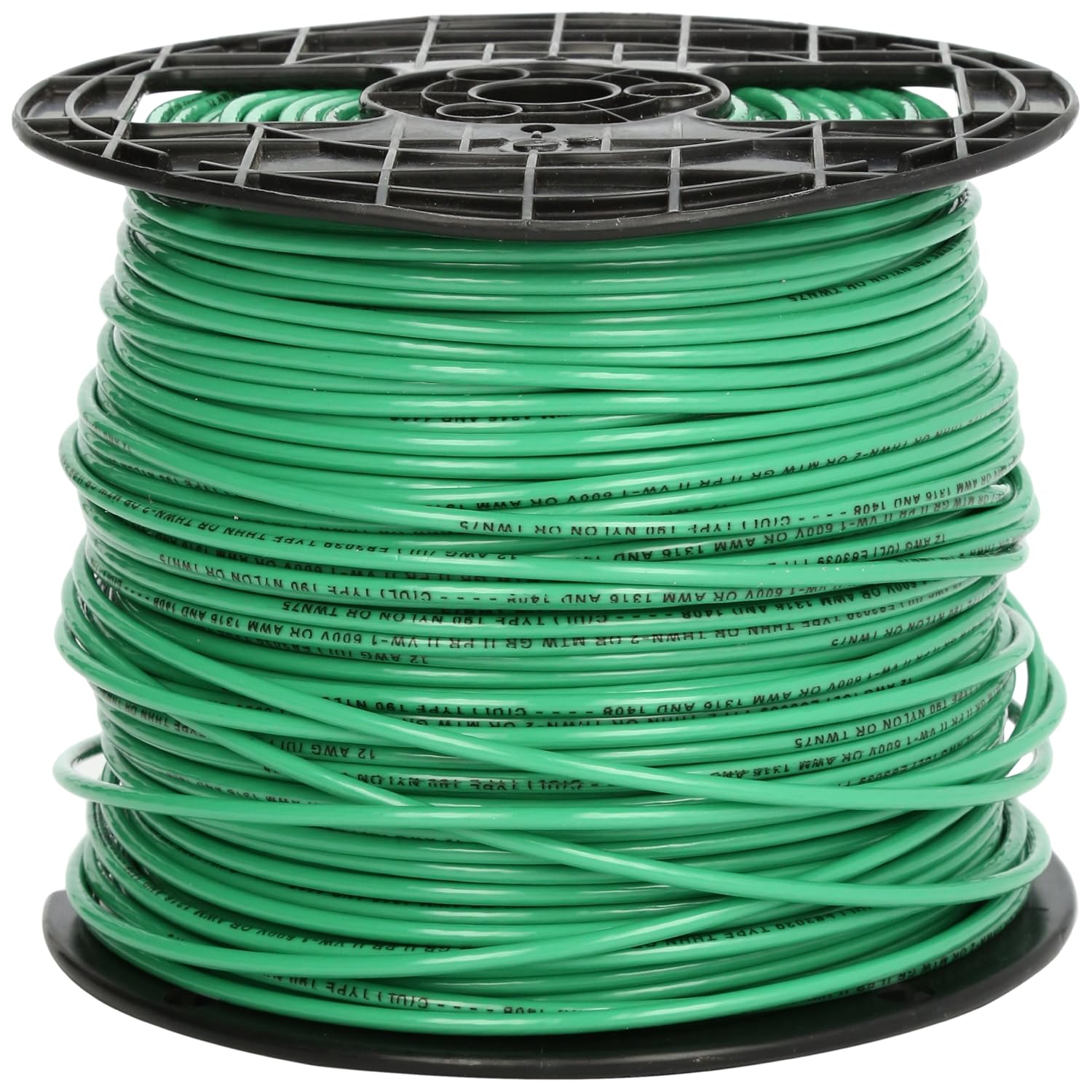
Southwire 22968201 Stranded THHN 12 Gauge 500ft
- Replace runs damaged by scuff or crush
- Known OD for jam and fill re-checks
- Do not reuse sanded jacket behind finished walls
As an Amazon Associate, TestTalkHQ earns from qualifying purchases. Catalog gap: no wire-pulling lubricant SKUs in the affiliate catalog — do not invent substitute lube products on this page.
Frequently Asked Questions
The pull stopped hard at an elbow — more lube or upsize?
If three equal cables are involved, check jam ratio first. Lube helps friction; it does not unlock a triangular jam. Upsize, change pull set, or add a box.
Jackets look flat only at bends but tension was under max — why?
Sidewall pressure. SWP = T/R can exceed limits while absolute tension is still legal. Enlarge radius or break the pull.
Can I keep pulling if the jacket is only lightly scuffed?
Do not bury questionable insulation. Cut back to undamaged cable or replace. Light scuffs often hide deeper abrasion at fittings.
Is this the same as the tension guide?
No. The guide teaches formulas and planning. This page diagnoses jacket damage, jams, SWP, dry pulls, radius violations, and stuck high-tension pulls.
Where do I pick lubricant chemistry?
Soap vs wax vs polymer gel — then re-run friction in the calculator.