Wire Pulling Lubricant Types — Soap vs Wax vs Gel
Soap-based vs wax vs polymer gel — temperature, jacket compatibility, cleanup, short pulls vs long runs
The tension guide shows how friction factor changes calculated T. This page is the decision fork: which lubricant chemistry to use for the conduit, jacket, temperature, and pull length on this job. After you choose, re-run the Wire Pulling Tension Calculator with a realistic lubricated f. Failures already in progress: troubleshooting.

The Decision Fork in One Minute
Soap-based
- Everyday PVC / EMT branch pulls
- Easy cleanup with water
- Can dry out on very long pulls
Wax-based
- Longer pulls; stays on jacket
- Good cling in metal conduit
- Messier cleanup; watch temperature
Polymer gel
- Demanding / long / multi-bend runs
- Stable film; low friction when specified
- Match gel to jacket chemistry
Soap-Based Wire Pulling Lubricants
Best for: Short-to-moderate PVC and EMT pulls, everyday THHN/THWN branch work, and crews that need fast water cleanup at boxes and terminations.
Pros: Widely available; spreads easily; water-soluble cleanup; familiar on commercial rough-in; pairs well with planning defaults that assume lubricated PVC around f ≈ 0.25 when applied correctly.
Cons: Can dry or wipe off on very long runs; may need reapplication mid-pull; some formulas thin in heat or thicken in cold — check the label for temperature range.
Jacket / conduit notes: Generally friendly to common PVC-nylon jackets when listed compatible. Always confirm the product is approved for your cable jacket (especially specialty LSZH, EPR, or CPE jackets). PVC conduit and clean EMT are typical soap jobs; rusty rigid may still need more aggressive cling (wax/gel) plus reaming.
If the failure mode is grabbing mid-pull despite soap at the mouth, diagnose application and length — see insufficient lubricant troubleshooting — before blaming chemistry alone.
Wax-Based Wire Pulling Lubricants
Best for: Longer pulls where soap would wipe off, metal raceways that need cling, and runs with more bends where a lasting film matters more than instant wash-off.
Pros: Stays on the jacket farther into the conduit; often preferred when dry friction on EMT/rigid would otherwise spike tension; good for staged long pulls when re-lubing every few feet is impractical.
Cons: Messier cleanup at terminations; can be temperature-sensitive (hard in cold, softer in heat); residue may complicate some splices if not wiped per maker instructions.
Jacket / conduit notes: Verify compatibility — some wax systems are excellent on PE/PVC jackets and less ideal on others. Metal conduit benefits from cling; still ream and deburr or wax only masks abrasion briefly.
Polymer Gel Lubricants
Best for: Long multi-bend pulls, critical feeders, and jobs where the cable manufacturer or engineer specifies a polymer/gel system with published friction performance.
Pros: Stable lubricating film; often designed for continuous long-distance pulls; some gels maintain performance across wider temperature windows; can deliver lower effective friction when used as specified.
Cons: Higher cost; product-specific application rates; cleanup varies by formula; wrong gel on wrong jacket is a compatibility risk — never assume “gel = universal.”
Jacket / conduit notes: Match the gel datasheet to jacket polymer and raceway. Polymer gels shine when the path is long, fill is legal but tight, and you need predictable f for tension math — then confirm numbers in the calculator.
Quick Selection Matrix
| Job signal | Lean toward | Why |
|---|---|---|
| Short PVC / EMT branch, easy cleanup needed | Soap-based | Speed + water wash at boxes |
| Long horizontal run, lube wiping off early | Wax or polymer gel | Cling / lasting film |
| Metal conduit, higher dry friction | Wax or gel (after reaming) | Lower f; soap may not last |
| Many bends / feeder near max tension | Polymer gel (if listed) + re-calc | Predictable film for lower f plan |
| Cold weather thickening / hot thinning issues | Product rated for ambient | Temperature band beats brand loyalty |
| Specialty jacket (LSZH, EPR, etc.) | Only maker-compatible chemistry | Compatibility first, friction second |
| Pull already scuffing or stuck | Diagnose, then re-lube | Troubleshooting before more product |
Friction defaults for planning (not product claims): PVC dry ≈ 0.35, lubricated ≈ 0.25; EMT/rigid dry slightly higher. After choosing chemistry, update f and re-check tension, sidewall pressure, and jam — fill still belongs on the Conduit Fill Calculator.
Application, Temperature & Cleanup
How to apply (any chemistry)
- Coat the full jacket circumference — not a streak on one side.
- Pre-lube enough length for the first segment; reapply on long pulls as the maker directs.
- Keep dirt and grit out of the bucket; contaminated lube becomes grinding paste.
Temperature
Cold thickens many soaps and waxes; heat can thin soap films so they disappear early. Polymer gels often advertise wider windows — still read the can. Plan pulls for ambient, not shop temperature on the label photo.
Cleanup
Soap: usually water and rags at terminations. Wax: more wiping, sometimes solvent per SDS — do not leave heavy residue under lugs. Gel: follow manufacturer cleanup; some wipe clean, some need specific steps before insulation resistance testing.
Fish, Bend & Cable — Lube Is a Catalog Gap
TestTalkHQ’s affiliate catalog does not currently list dedicated wire-pull lubricants — source soap, wax, or gel from your electrical supplier. These three cards cover fishing the path, bend geometry, and common THHN stock for the same jobs.
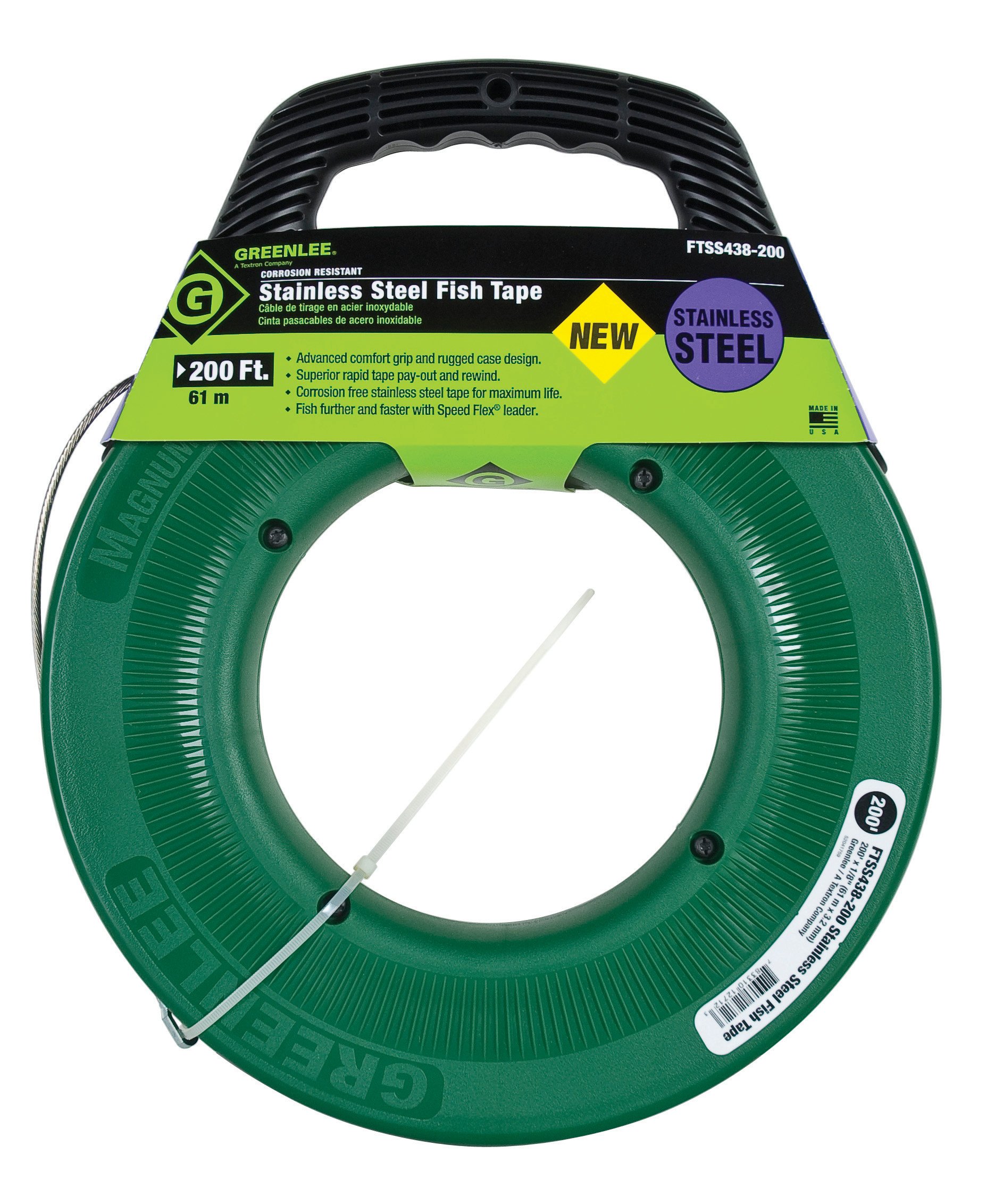
Greenlee FTSS438-200 Stainless Steel Fish Tape
- Get a line through before conductors and lube
- Confirms clear fittings on long commercial runs
- Tooling first — chemistry second
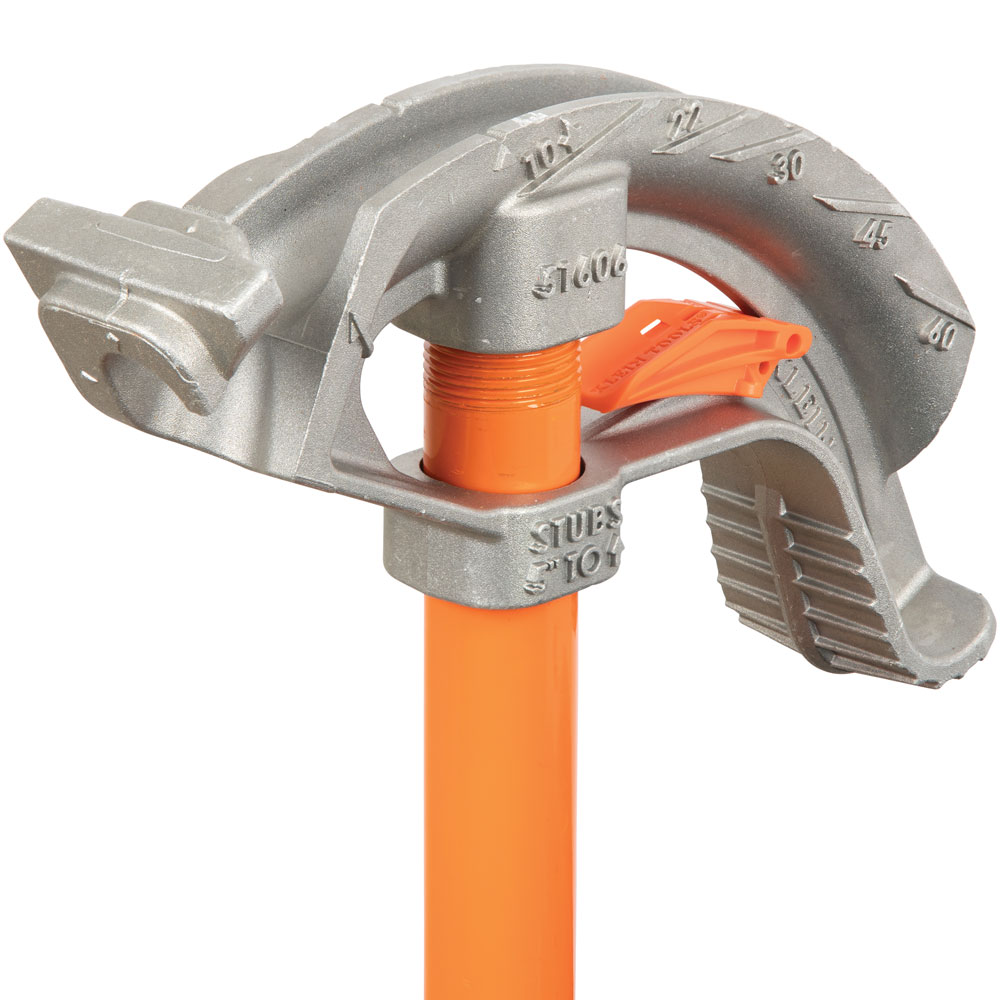
Klein Tools 51606 Aluminum Conduit Bender 1/2" EMT
- Clean bends reduce SWP even when lube is correct
- Kinked EMT raises friction no gel will hide
- Geometry and lube work together
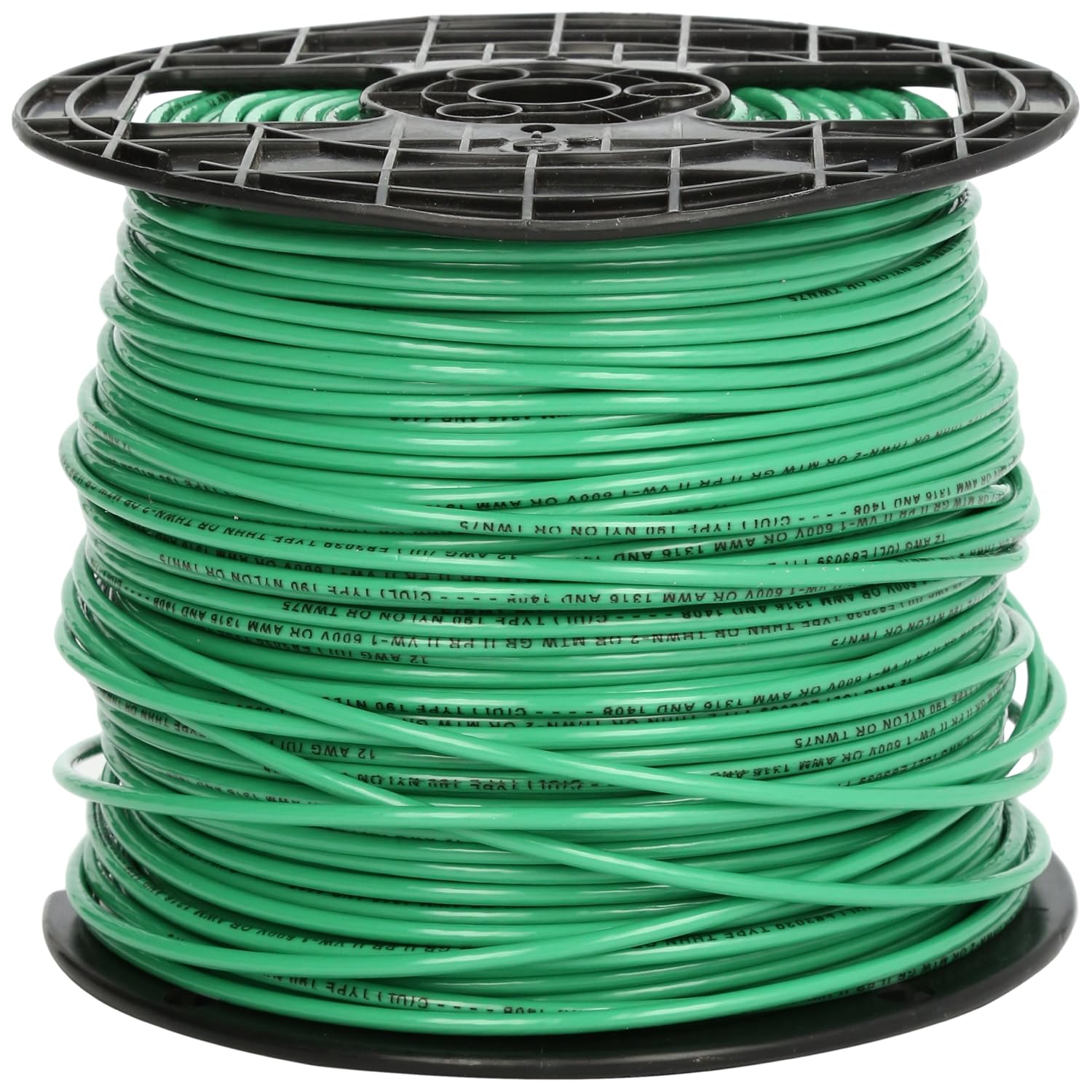
Southwire 22968201 Stranded THHN 12 Gauge 500ft
- Confirm jacket type before picking soap/wax/gel
- Published OD for fill and jam checks
- Common branch cable for lubricated PVC/EMT pulls
As an Amazon Associate, TestTalkHQ earns from qualifying purchases. Catalog gap: no soap-, wax-, or gel-type wire-pulling lubricant SKUs in the affiliate CSV — do not invent product cards for lube.
Frequently Asked Questions
Can I use dish soap or random grease?
No. Use lubricants listed for electrical cable jackets. Household soaps and automotive greases can attack insulation or leave conductive residue.
Does lubricant fix a jam-ratio lock?
No. Jam is geometry. Upsize or change the cable set — see the guide jam section and jam troubleshooting.
What friction factor should I enter after lubricating?
Start with maker data. Planning defaults often use ~0.25 for lubricated PVC and higher for dry metal. Never assume dry 0.35 if you actually lubed — and never assume 0.25 if you only dabbed the first foot.
Soap vs gel for a 400 ft feeder with four 90s?
Lean wax or polymer gel for lasting film, confirm jacket compatibility, then re-run tension and SWP. Soap may wipe off before the last bends.
Where do bend marks fit in?
Lube does not replace bend layout — use the Conduit Bending Calculator so radius and SWP stay sane.