
Contractor Job Estimator
Price remodels and GC work, then send a quote with no internal numbers.
Excel or Google Sheets. Best on a computer.
$29.00
BuyNail pops, overdriven nails, nails too high, wrong metal in coastal air, and fasteners that never reached the deck
Same angle as common MIG problems: name the failure, explain why it bites, and give the fix. Pair with the nail calculator for the takeoff and the guide for pattern and length. Nails vs staples is a separate live debate: comparison.
Squares: shingle calculator. Hub: roofing calculators.
Still sizing the coil order?Squares, pattern, waste, length by decking.
Open Calculator →Symptom: A nail head tenting the shingle years later, sometimes with a rust stain or a broken seal. Homeowners call it a leak; it is often a fastener working up.
Why it fails: The nail never had enough bite in the deck (short nail, OSB edge, or hit a gap over a rafter bay), or the deck moved (truss uplift, moisture cycling) and walked the nail back. Hand-driven nails left proud will also “pop” as the shingle weathers and the head becomes the high point.
Fix: Drive a new nail nearby in the nailing strip, seat the old one if it will seat, and seal only as a temporary. Chronic pops on a whole slope are a deck or ventilation problem — check attic moisture and the attic NFA calculator before you blame one coil lot.
Symptom: Proud heads that hold the next course off the deck, or nails punched through the mat so the head cuts fibers and sits in a crater. Both show up as tabs that will not seal.
Why it fails: Coil nailers have a depth-of-drive knob. Cold weather, low air pressure, and a new coil all change set depth. Overdriven nails cut the reinforcement and can miss locking the sealant strip of the shingle below. Underdriven nails keep the overlay from bedding and give wind a lift edge.
Fix: Set depth on a scrap at the start of every coil and every weather change. The head should be flush to slightly dimpled, not buried, not sitting up. Overdriven courses on a new roof are a tear-off conversation if the mat is cut across a whole slope.
Symptom: Tabs lift in the first real wind event. The field looks fully nailed. Close up, nails sit above the nailing strip, in the headlap, or even in the shingle above’s exposed face under the overlay.
Why it fails: The nailing strip is where the shingle below is designed to be locked. A nail too high misses that strip and often misses the head of the shingle underneath. Wind peels the tab; the sealant never got a chance because the fastener was not holding the right layer.
Fix: On new work, chalk the nailing line from the manufacturer’s marks. On existing work, this is a quality claim / tear-off issue, not a caulk job. 6-nail does not save a pattern that is two inches too high. See the guide for strip placement.
Symptom: Rust streaks from nail heads, heads missing after a few seasons, or fasteners that crumble when you pull a shingle. Worse within a few miles of salt water or on CCA / ACQ treated wood.
Why it fails: Electro-galvanized coil nails are thin zinc. Salt air and some treated lumber eat them. The IRC says corrosion-resistant; it does not say EG is enough at the beach. Manufacturer coastal instructions and many insurers want hot-dipped galvanized or stainless.
Fix: Spec HDG or stainless before the order, not after the streaks. Stainless coil is a different SKU and a different gun magazine in some brands — confirm compatibility. This is also why a generic “7,200 EG coil” box count is not a coastal bill of materials.
Symptom: Shingles that slide, nails that back out in a season, or a tear-off that shows points that never exited the OSB. Common when someone grabs 3/4 in or 7/8 in coils meant for a thin overlay and uses them on 7/16 OSB plus a thick laminate.
Why it fails: IRC R905.2.5 wants through-penetration on panel sheathing. A nail that dies in the OSB core has almost no withdrawal resistance. Thick architectural shingles plus synthetic underlayment eat more of a 1 in nail than a 3-tab on bare felt did in 1998.
Fix: Match length to decking with the calculator’s decking toggle (1 in on 7/16 OSB, 1-1/4 in on 1/2 and 5/8, 1-1/4 in minimum into plank). Pull a test shingle at the eave and look at the point in the attic or at the eave fascia. If you do not see points, the coil is wrong.
Count the order after you pick length.Pattern and decking both belong in the takeoff.
Open Nail Calculator →Price remodels and GC work, then send a quote with no internal numbers.
Excel or Google Sheets. Best on a computer.
$29.00
BuyCheckout opens in a new tab.
Live TestTalkHQ affiliate SKUs for driving and cleaning up roofing nails. Coil-nail cartons were not on the CSV at ship time — these are the fastener-adjacent tools that were.

3/4 in to 1-3/4 in coil nails. Depth-of-drive is how you keep nails in the sealant strip without overdriving.
View on Amazon →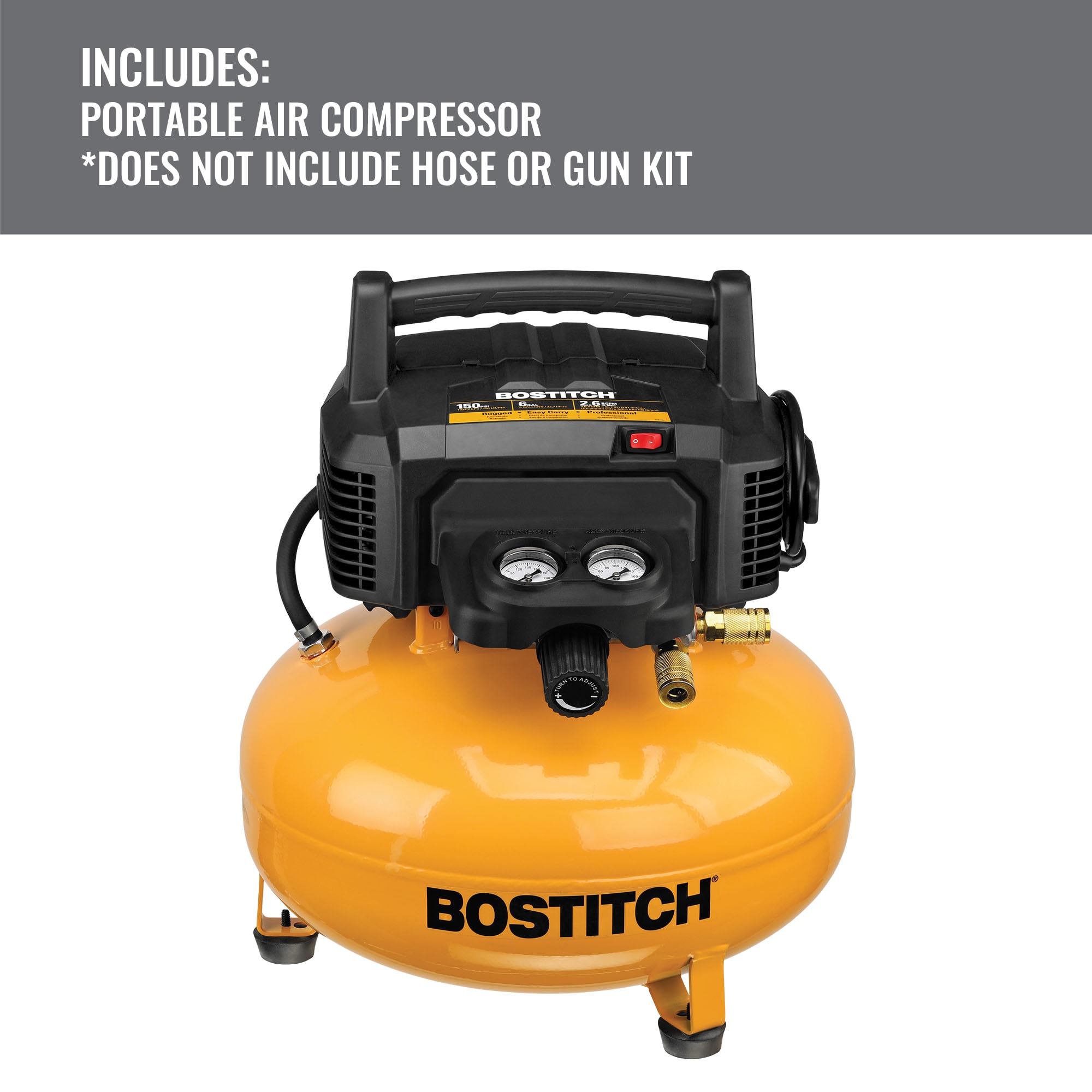
150 PSI / 2.6 CFM pancake that runs a coil roofing nailer on the roof.
View on Amazon →
Pick up loose roofing nails in the yard after the last course.
View on Amazon →As an Amazon Associate, TestTalkHQ earns from qualifying purchases. URLs from testtalkhq-affiliate-links.csv.