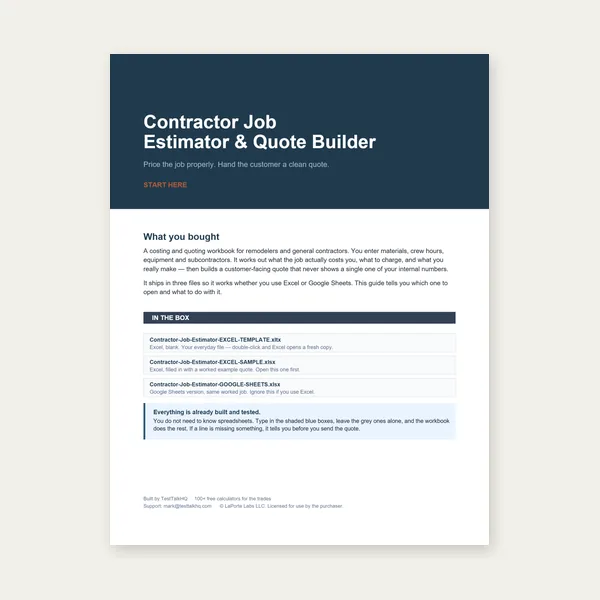
Contractor Job Estimator
Price remodels and GC work, then send a quote with no internal numbers.
Excel or Google Sheets. Best on a computer.
$29.00
BuyA real jobsite fork: truck delivery, bagged premix, or on-site mixing — which fits volume, access, labor, and schedule
Size the pour first with the Concrete Volume Calculator, then use this page to choose how to supply those yards. Formula basics: guide. Quick lookups: chart. If a pour already failed short/long, see troubleshooting.
Ask two questions: How many yards after waste? and Can a mixer truck reach the forms with time to place?
Ready-mix: You buy consistency and placement speed. You also buy a minimum ticket, possible short-load charge, and hard time pressure — once the drum is on site, the crew must place, screed, and finish before the mix sets. Wrong yardage hurts more because the truck is already spinning.
Bagged: You buy control and the ability to stop. You pay in labor (dump, mix, wheel), water logistics, and dust exposure. Above a couple yards, bag count and fatigue usually beat any “saved” delivery fee.
On-site mixing (bulk cement/sand/stone or continuous mixer): You buy access when trucks cannot reach the forms. Mix design quality and batching discipline become your problem. Remote sites, hillside pours, and indoor patches often land here.
| Order size (with waste) | Usually choose | Why |
|---|---|---|
| Under ~0.5 yd³ | Bags | Truck minimums dominate; patches/posts |
| ~0.5–1.5 yd³ | Bags or short-load ready-mix | Compare labor hours vs short-load fee |
| ~1.5–2+ yd³ | Ready-mix if accessible | Faster, more consistent, less crew burnout |
| Any size, no truck access | Bags or on-site mix | Access overrides volume |
Run net volume in the calculator, add waste, then apply this table. The guide’s “~1–1.5 yd³” crossover is a starting heuristic — not a law when the driveway cannot take a truck.
Choose ready-mix when: The chute or pump can reach; you have a full crew ready; the pour is continuous (slab/footing) and you cannot afford mid-pour mixing delays.
Choose bags when: The pour is small or interruptible; you need precise small batches; the site is a backyard with no truck path; you are filling sonotubes or fence posts over hours.
Choose on-site mixing when: Access blocks both trucks and practical bag staging; you already have a mixer and aggregate plan; remote work makes delivery fees absurd.
| Situation | Method |
|---|---|
| 10′ × 12′ × 4″ patio (~1.6 yd³ w/ waste), driveway access | Ready-mix |
| Four fence posts, weekend job | Bags |
| 2 yd³ garage slab, alley too tight for truck | Bags (crew) or pump/trailer mix if available |
| Remote cabin pier footings | On-site mix or staged bags |
| Last pour came up short mid-slab | Fix volume first (troubleshoot), then re-pick method |
Supply method does not fix a bad volume number. Recalc, add waste, then order.
Price remodels and GC work, then send a quote with no internal numbers.
Excel or Google Sheets. Best on a computer.
$29.00
BuyCheckout opens in a new tab.
Five catalog picks for bag handling and silica protection. Masonry placement tools are a catalog gap — see note.
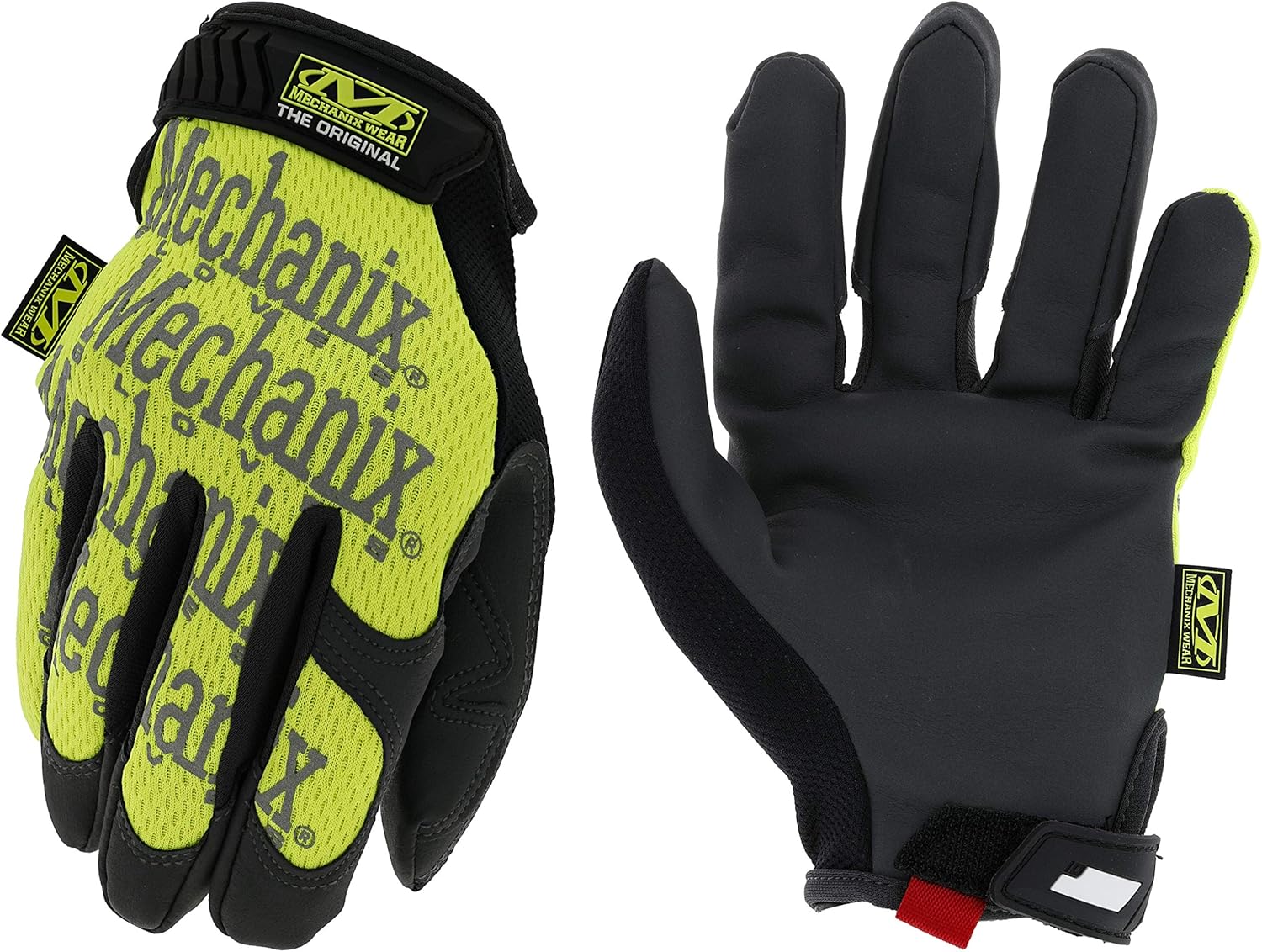
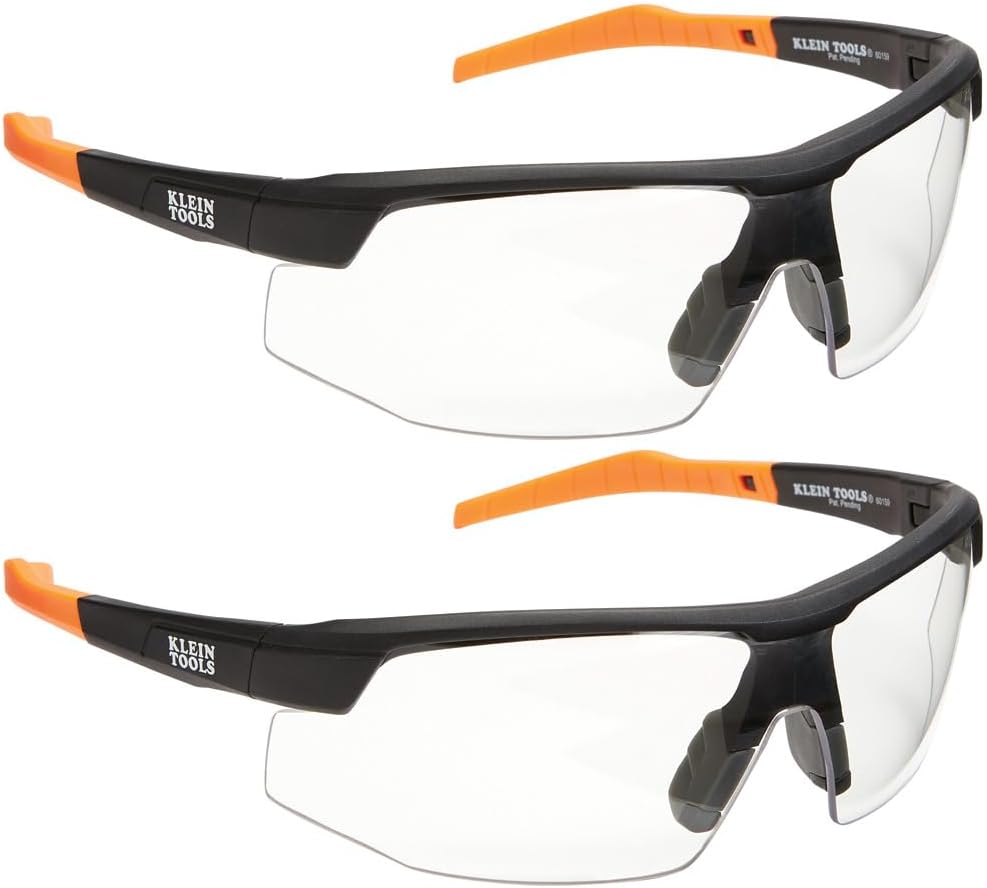
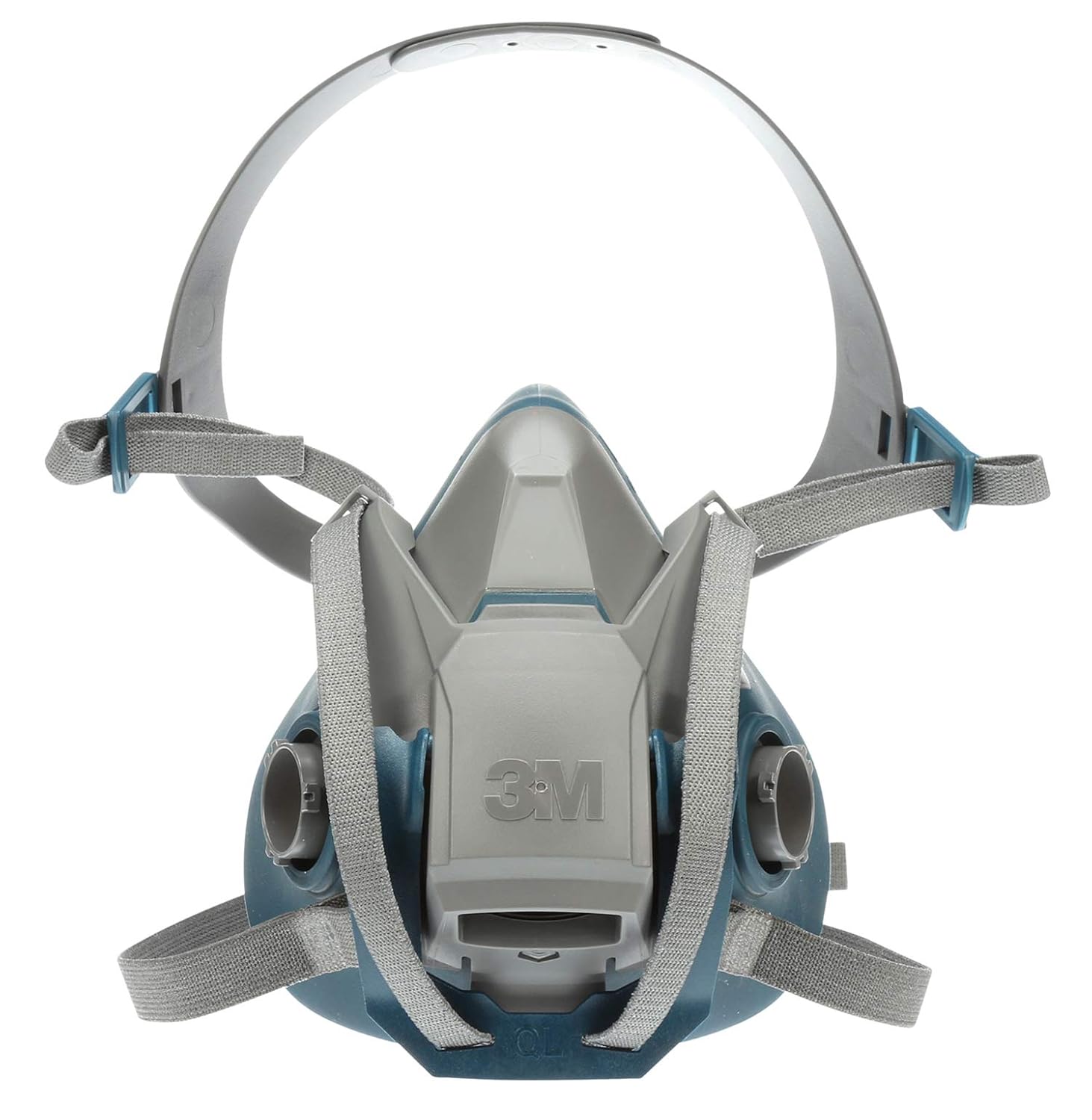
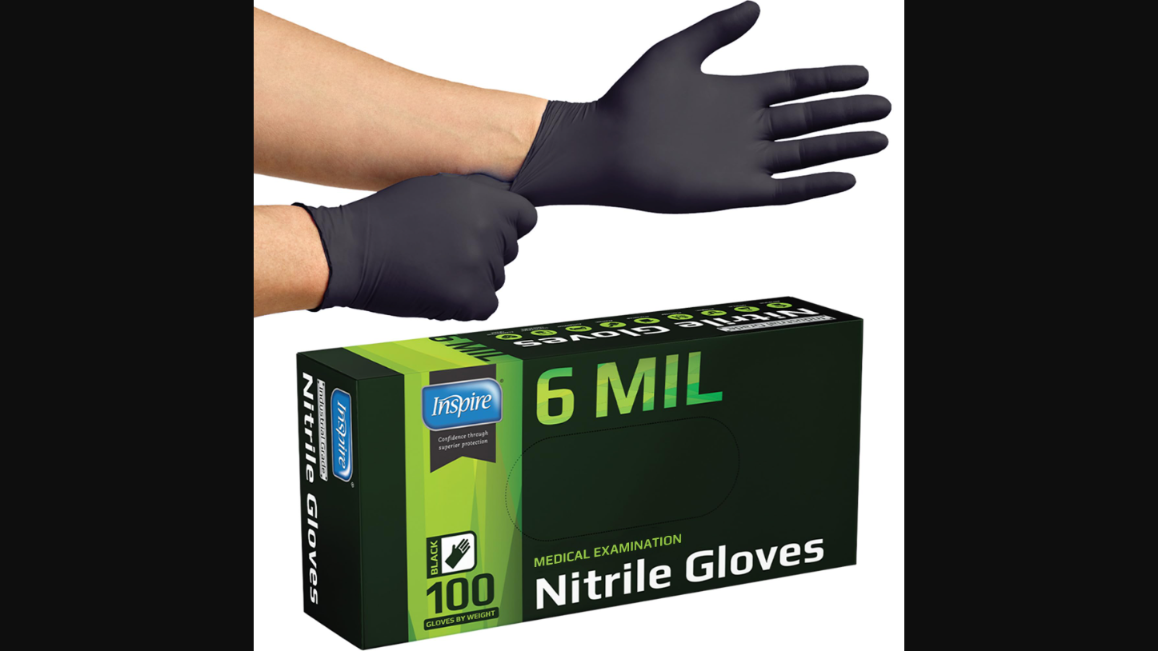
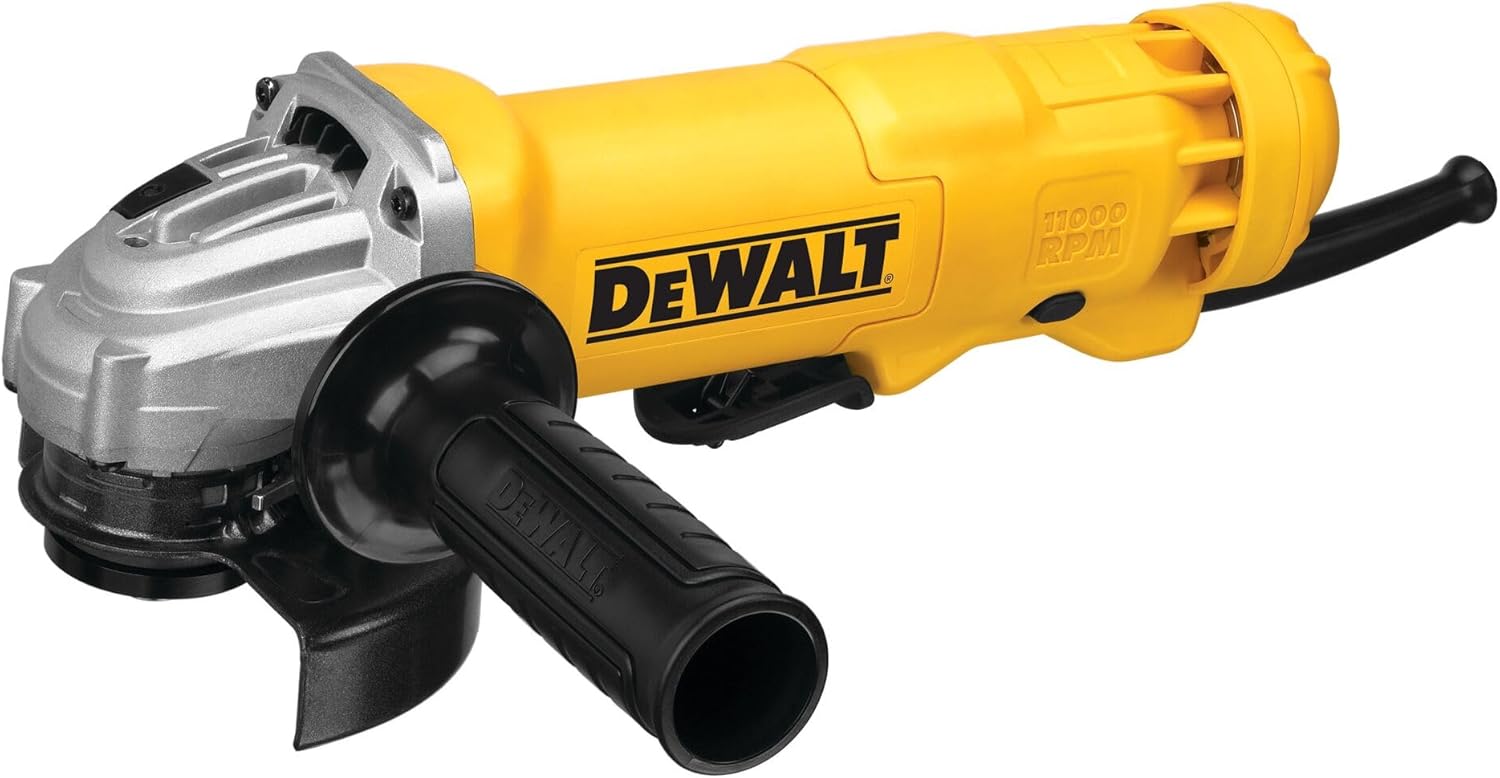
As an Amazon Associate, TestTalkHQ earns from qualifying purchases. Catalog gap: no ready-mix booking tools (obviously), concrete mixer, wheelbarrow, bull float, or premix bags in the CSV — PPE/cutting tools only from catalog.
Only if a truck can reach and the short-load fee still beats bag labor. Access can force bags even at 2+ yd³.
Avoid it. Different mixes and timing create cold joints. Pick one supply method for a continuous pour.
The guide has a short bags-vs-ready-mix note. This page is the full decision fork including access, crew, and on-site mixing.