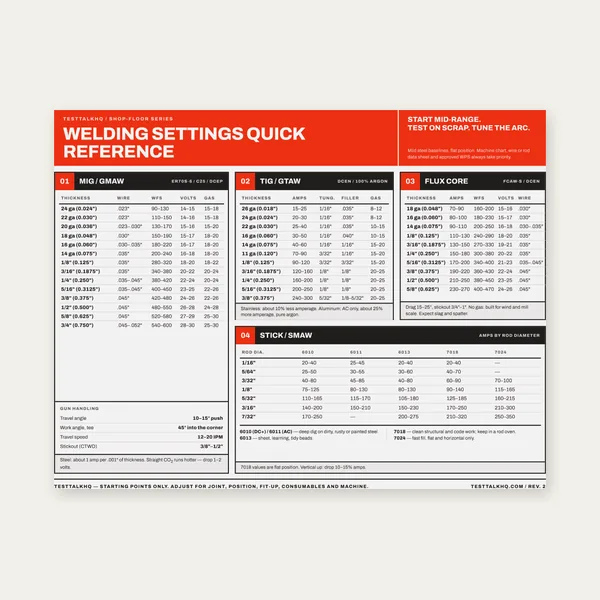
Welding Reference Card
One page. MIG, TIG, stick and flux core settings by thickness.
$3.99
BuyIncomplete fusion, root gap errors, and groove vs fillet selection — when the joint geometry breaks the strength calc
Model weld joint area, throat, and allowable strength with the Weld Joint Design Calculator. Learn joint types and prep in the Weld Joint Design Guide. More welding tools: Welding Hub.

Use this when the weld looks acceptable cosmetically but fails NDT, pulls below calculated strength, or the calculator throat area doesn't match what you actually deposited.
| Symptom | What it usually means | First fix | Next tool |
|---|---|---|---|
| RT/UT shows lack of fusion at root | Root gap too tight or wrong angle | Open gap per WPS; fix bevel | Weld Joint Design Calculator |
| Burn-through or excessive reinforcement | Root gap too wide | Reduce gap; add backing or root pass technique | Weld Joint Design Guide |
| Calc strength high, part failed low | Fillet assumed full; actual undercut | Measure actual throat | Weld Joint Design Calculator |
| Groove used where fillet would suffice | Over-welding cost; distortion risk | Re-select joint type to load path | Weld Joint Design Guide |
What it looks like: NDT shows unfused root or sidewall, wedge-shaped void at the toe, or a weld that passes visual but fails bend or tensile at the fusion line.
Likely causes: Bevel angle too narrow for the process (arc can't reach root), excessive land leaving a square face the arc skips, or heat input too low for the travel speed. TIG on thick plate with insufficient included angle is a common case.
Fixes: Open included angle per WPS and material thickness, increase root opening if land is excessive, adjust heat input. Recompute effective throat only after fusion is proven — the calculator assumes full fusion geometry.
What it looks like: Too tight: lack of penetration, high reject rate on root RT. Too wide: burn-through, suck-back, excessive root reinforcement, or need for excessive fill passes that distort the assembly.
Likely causes: Fit-up tolerance not held during tacking; gap assumed in calc but clamped closed in fixturing; wide gap without backing or proper root pass procedure.
Fixes: Target gap from WPS (often 1/16–1/8" for many groove welds — verify your code/WPS). Use backing bar or consumable insert when gap is at upper limit. Measure with feeler or gap gauge before root pass.
What it looks like: Full-pen groove welded where a fillet would carry the load; or fillet sized on paper that can't be accessed or fused at the toe. Distortion and cost overrun on over-welded joints.
Likely causes: Defaulting to groove for "maximum strength" without load-path analysis; fillet leg sized for tension on a joint loaded in shear; double fillet assumed both sides accessible.
Fixes: Match joint type to load direction and access. Use fillet calc for shear-dominant T and lap joints; groove when tension through the section or full penetration is required. The guide walks joint selection.
What it looks like: Calculator says adequate, weld fails or inspector rejects. Throat measured with fillet gauge is smaller than design leg; groove area uses nominal bevel but actual grind is shallow.
Likely causes: Using design leg as-built without measurement; convex profile counted as throat; undercut or overlap not deducted; partial penetration groove treated as full in the calc.
Fixes: Measure actual throat (fillet: leg × cos 45° for equal leg; groove: minimum cross-section from macro). Enter as-built dimensions in the Weld Joint Design Calculator. Re-weld or add pass if below minimum.
Strength calculations assume the joint detail you enter — verify fit-up, bevel, gap, and as-built throat before signing off.
Weld Joint Design Calculator → Weld Joint Design Guide → Welding Hub →
One page. MIG, TIG, stick and flux core settings by thickness.
$3.99
Buy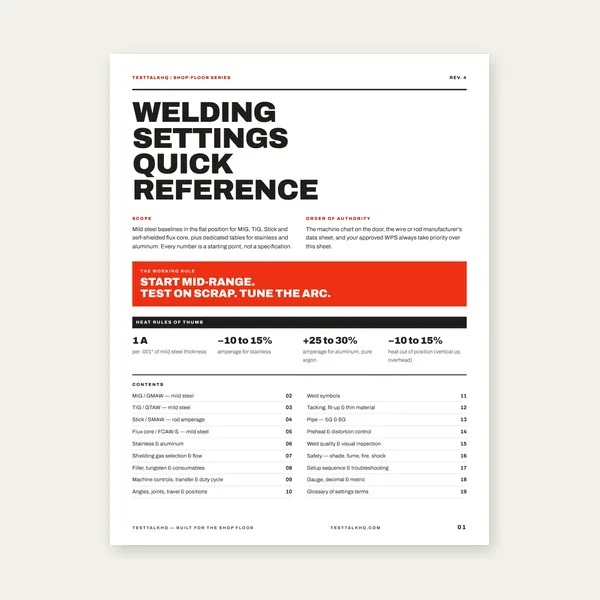
19 pages. Four processes, stainless and aluminum, symbols and inspection.
$12.99
Buy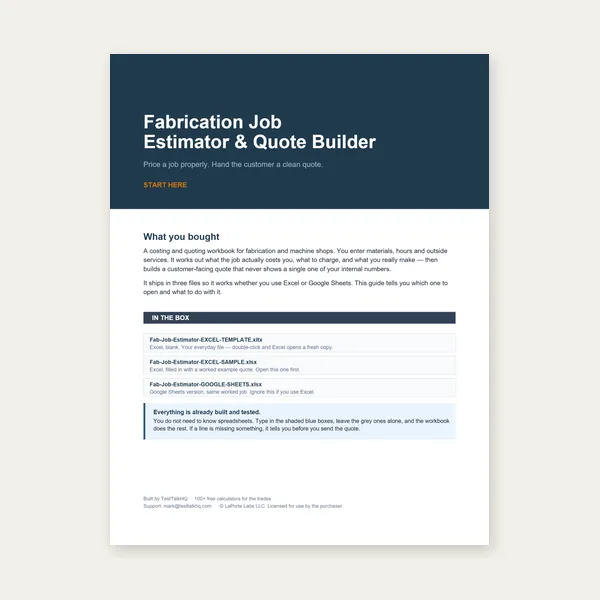
Price the job, then hand over a quote with no internal numbers.
Excel or Google Sheets. Best on a computer.
$29.00
Buy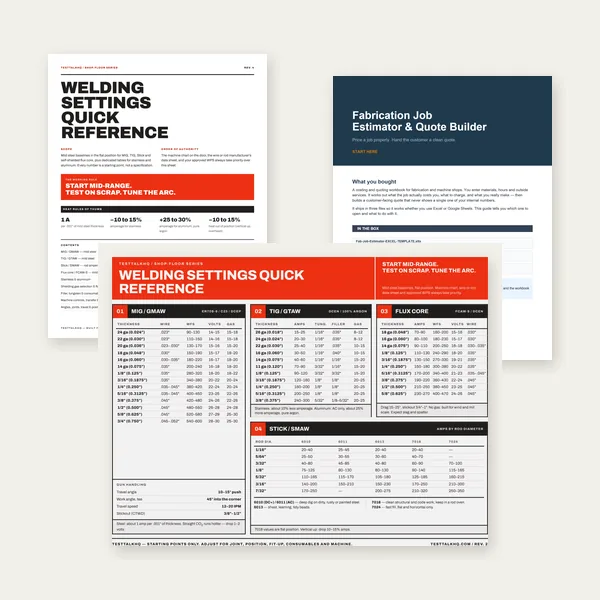
Card, 19-page guide and the estimator workbook. All six files.
Excel or Google Sheets. Best on a computer.
$34.99
$45.98 if bought separately — save $10.99
BuyCheckout opens in a new tab.
Five CSV catalog picks with verified images — flowmeters, regulators, torch accessories, and PPE
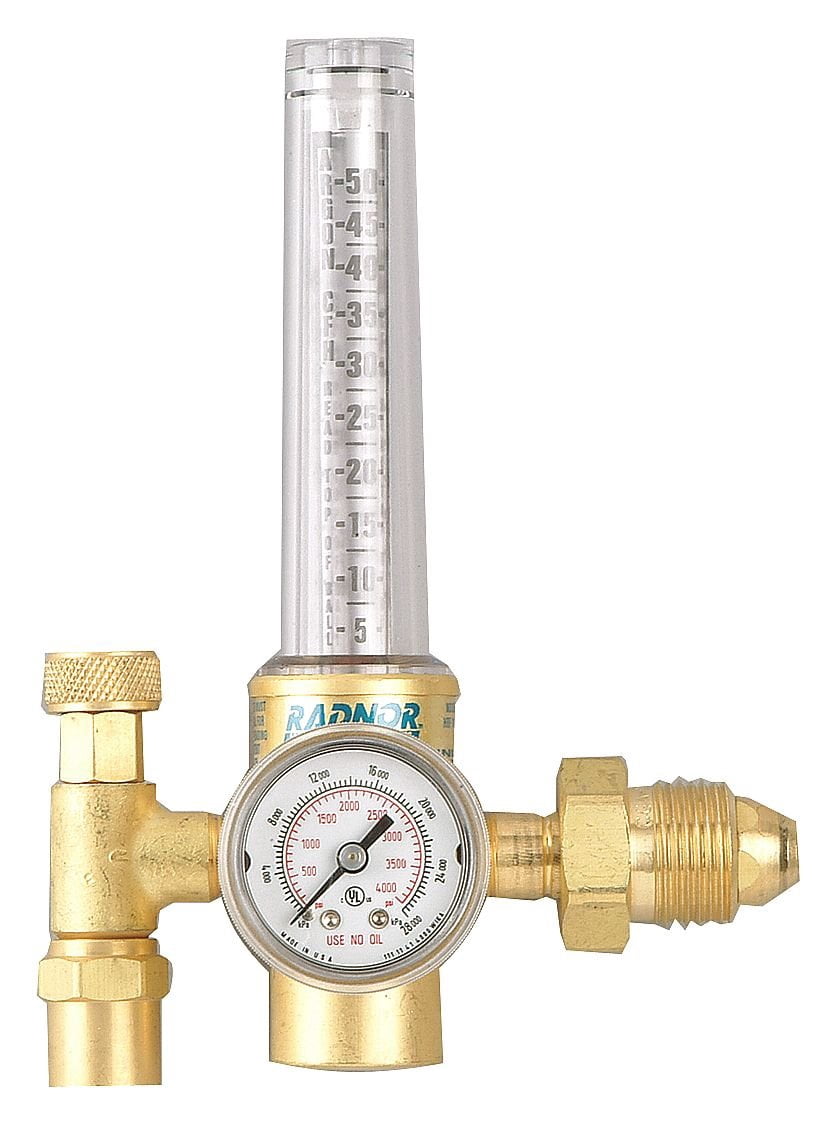
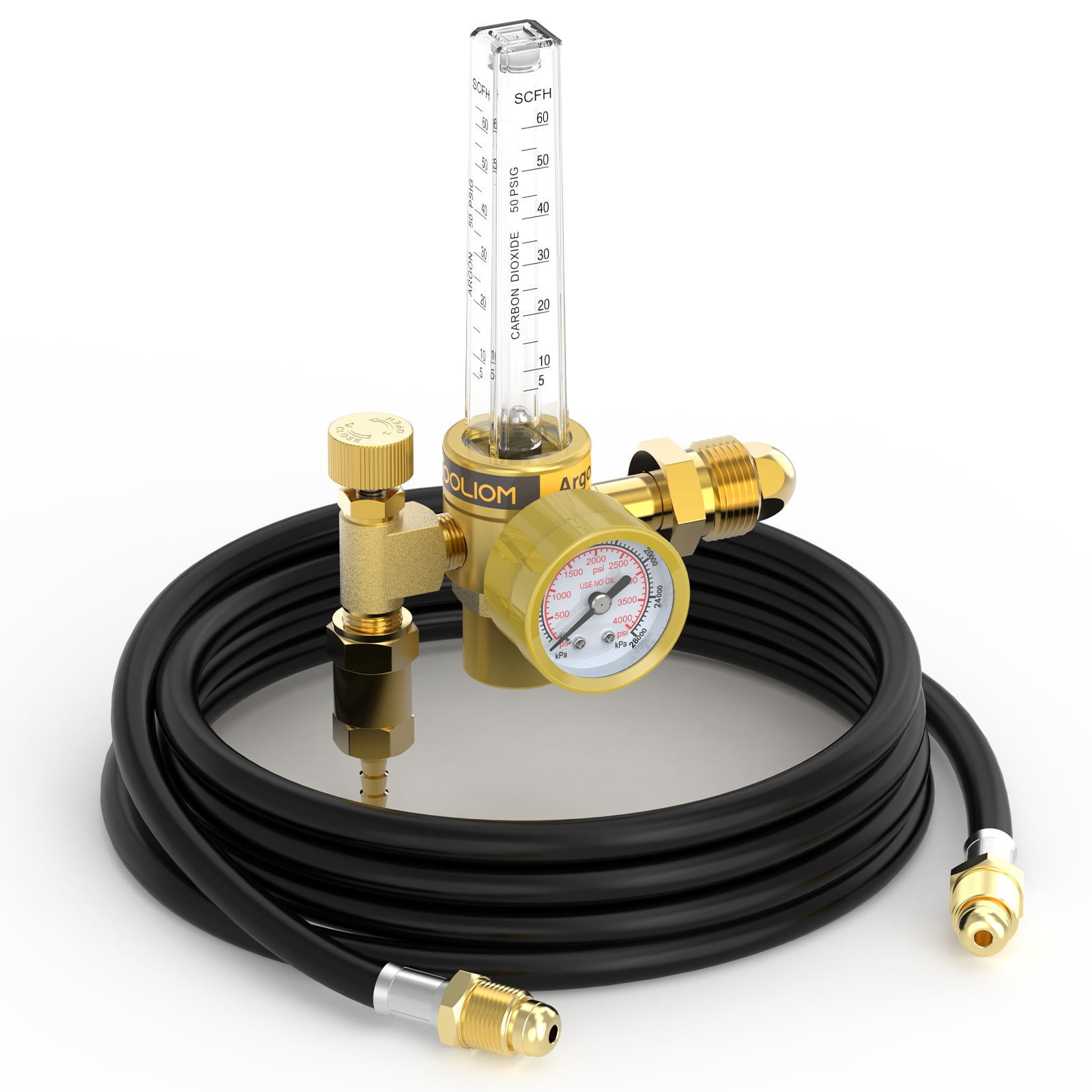
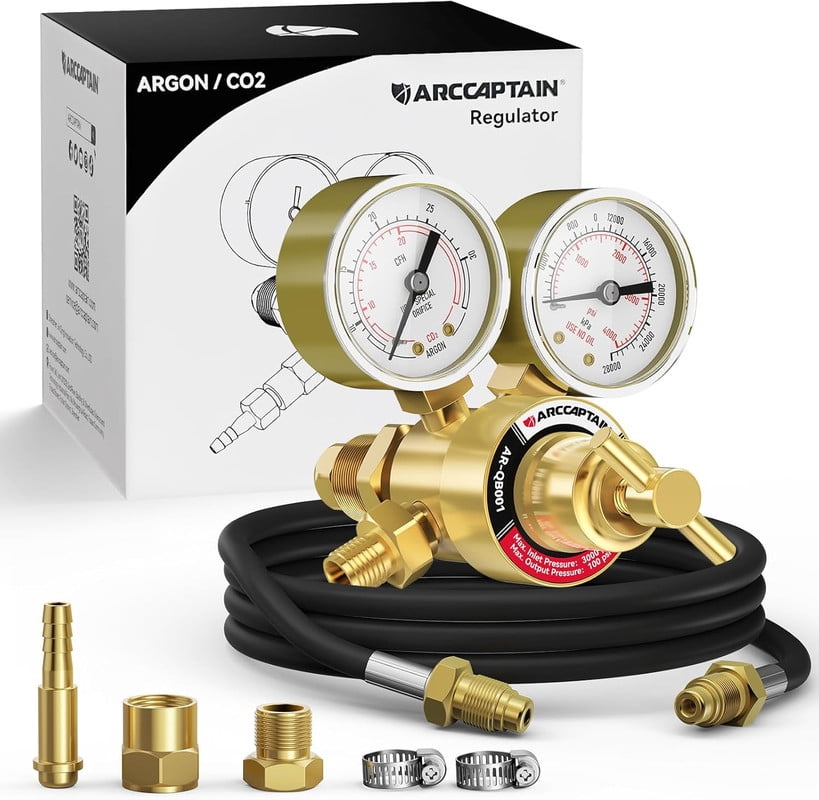
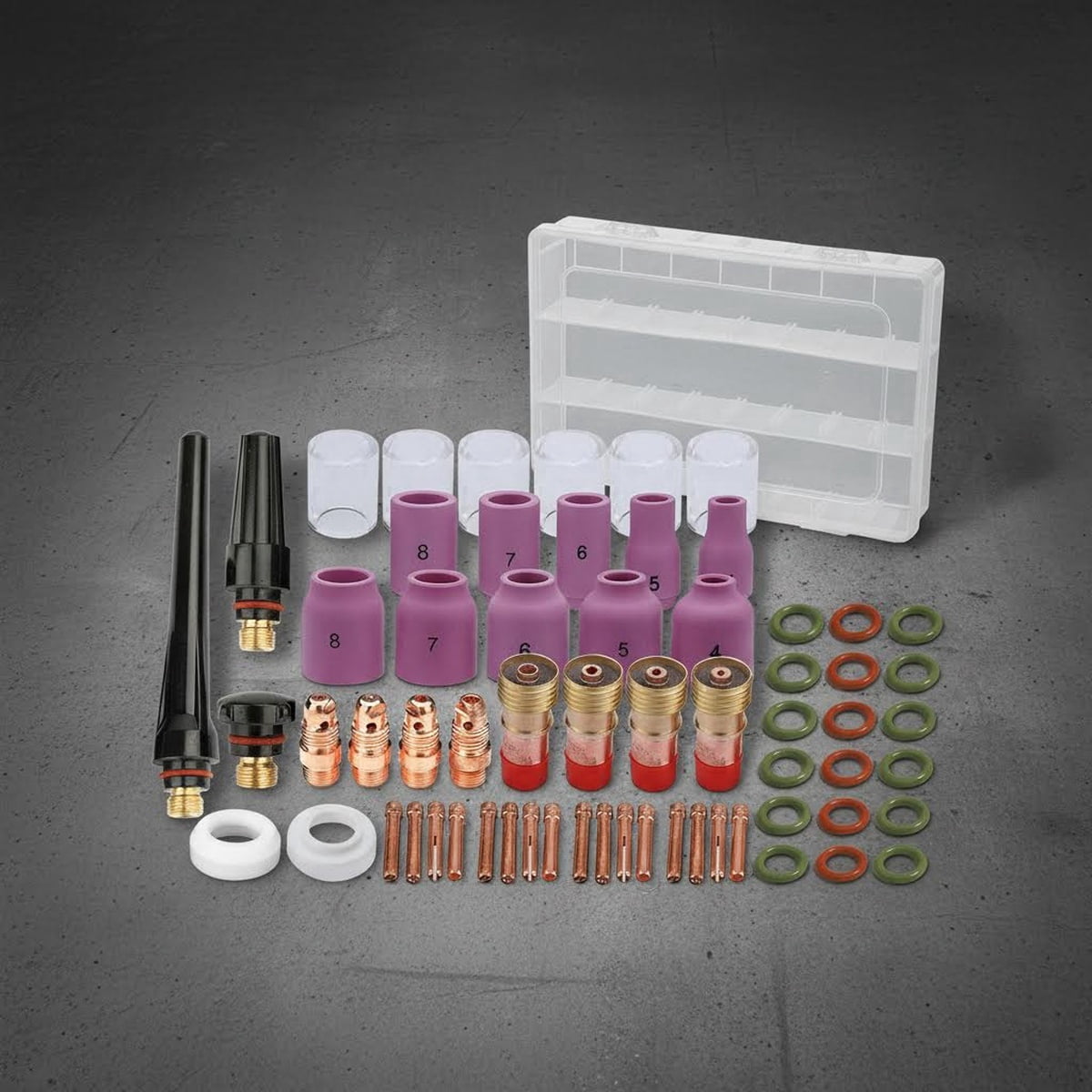
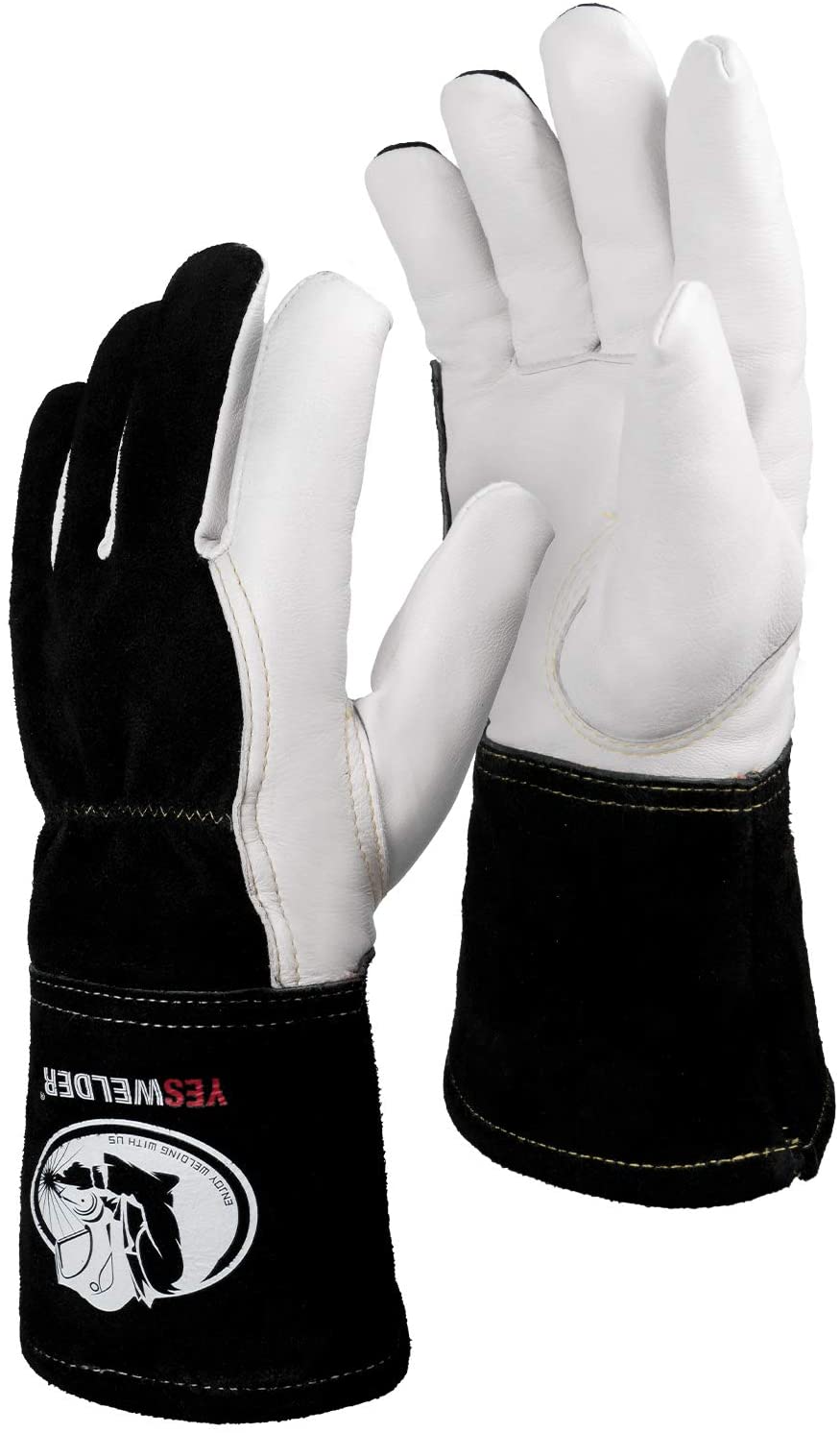
As an Amazon Associate, TestTalkHQ earns from qualifying purchases. All five cards are sourced only from the affiliate CSV with verified product images.
Follow your WPS — typically small controlled gap for groove welds; zero gap often causes lack of fusion unless process allows.
When load path and code allow shear on the fillet throat; full pen for tension through the section or when spec demands.
Calc uses ideal geometry; NDT finds lack of fusion, undercut, or undersize throat.
Yes — it affects fusion and effective throat area; wrong angle means calc area never existed.
Fillet gauge for leg; throat ≈ leg × 0.707 for equal-leg convex fillet — measure minimum, not maximum reinforcement.