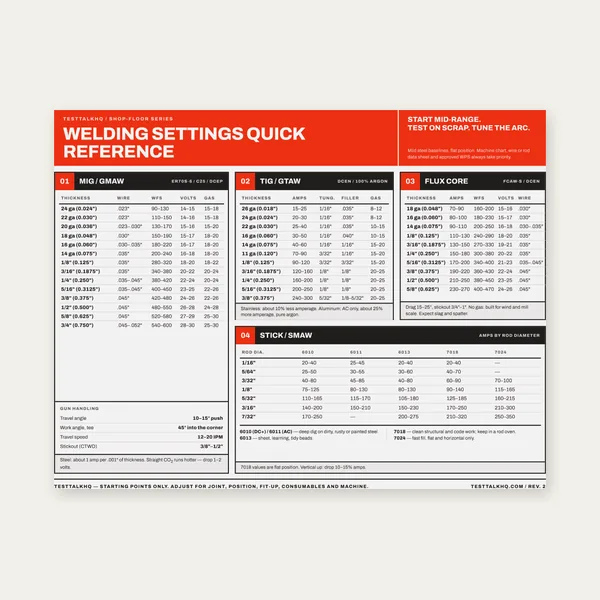
Welding Reference Card
One page. MIG, TIG, stick and flux core settings by thickness.
$3.99
BuyWhen the shrinkage calculator estimate doesn't match the shop floor — prediction errors only, not field fix-up
Estimate weld metal volume shrinkage and angular change with the Weld Shrinkage & Distortion Calculator. Learn shrinkage factors in the Weld Shrinkage & Distortion Guide. For field diagnosis of bowing, buckling, twist, and angular distortion after welding, use Weld Distortion Troubleshooting — this page covers why the prediction was wrong.
Use this when the calculator said 2 mm shrinkage but you got 8 mm bow, or predicted angular change doesn't match the fixture release. This page is prediction error only — not how to fix bowed plate (see Weld Distortion Troubleshooting).
| Prediction miss | What it usually means | First fix |
|---|---|---|
| Actual distortion much less than calc | Restraint not in model | Add fixture/clamp stiffness to planning |
| Distortion grows pass-by-pass | Multi-pass heat accumulation | Sequence and interpass in model |
| Same weld, different material — wrong | Shrinkage factor wrong for alloy | Use material-specific coefficient |
What it looks like: Calculator predicts large angular change; part barely moves because it was fully fixtured. Or opposite: calc assumes free shrinkage but heavy framing actually forced bending into a weaker direction.
Likely causes: Models assume unrestrained joint line shrinkage. Clamps, tack spacing, and adjacent stiff members redistribute shrinkage into bow or twist not captured by a simple volume×coefficient estimate.
Fixes: Classify restraint level (free, partial, fully fixtured) when interpreting the calculator. For fixtured work, expect less visible movement but higher locked-in stress — field symptoms on Weld Distortion Troubleshooting.
What it looks like: First pass matches estimate; distortion accelerates on fill and cap. Angular change non-linear with pass count.
Likely causes: Single-pass shrinkage model applied to multi-pass groove. Interpass temperature raises local compliance; cumulative longitudinal shrinkage on long seams dominates over single-bead calc.
Fixes: Use per-segment or per-pass planning from the guide; stagger welds, back-step, or limit interpass heat input. Compare prediction to field distortion patterns.
What it looks like: Mild steel factor applied to stainless or aluminum; prediction consistently high or low by alloy batch.
Likely causes: Coefficient of thermal expansion and yield strength differ by alloy — shrinkage force and amount scale with material. Using a generic 0.05–0.10% without alloy selection skews results.
Fixes: Select actual base metal in the calculator; record shop measurements to calibrate your process. Aluminum distorts more per unit shrinkage force than steel due to lower modulus.
This page explains calculator ≠ reality. For angular distortion, bowing, buckling, and twist after welding, go to Weld Distortion Troubleshooting.
Shrinkage Calculator → Weld Distortion Troubleshooting → Shrinkage Guide →
One page. MIG, TIG, stick and flux core settings by thickness.
$3.99
Buy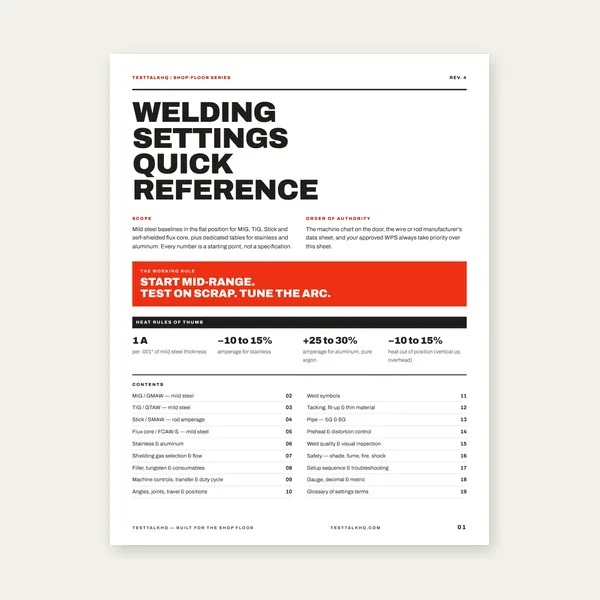
19 pages. Four processes, stainless and aluminum, symbols and inspection.
$12.99
Buy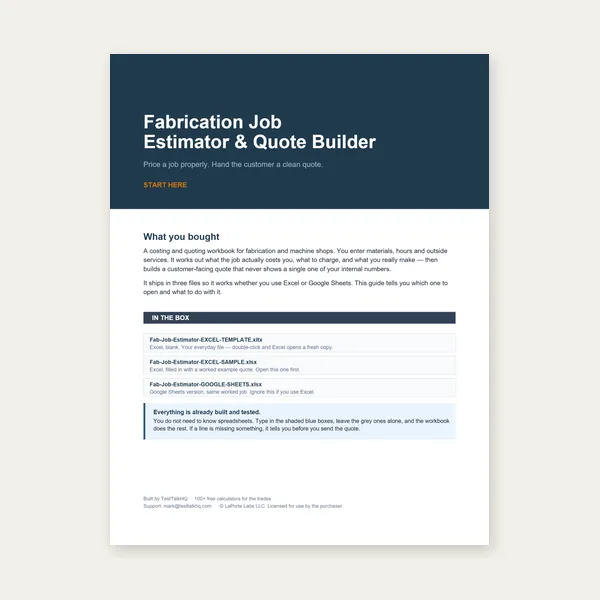
Price the job, then hand over a quote with no internal numbers.
Excel or Google Sheets. Best on a computer.
$29.00
Buy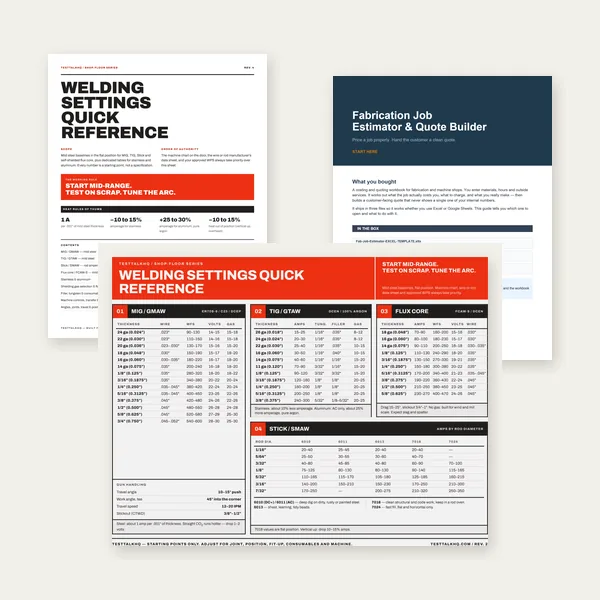
Card, 19-page guide and the estimator workbook. All six files.
Excel or Google Sheets. Best on a computer.
$34.99
$45.98 if bought separately — save $10.99
BuyCheckout opens in a new tab.
Five CSV catalog picks with verified images — flowmeters, regulators, torch accessories, and PPE
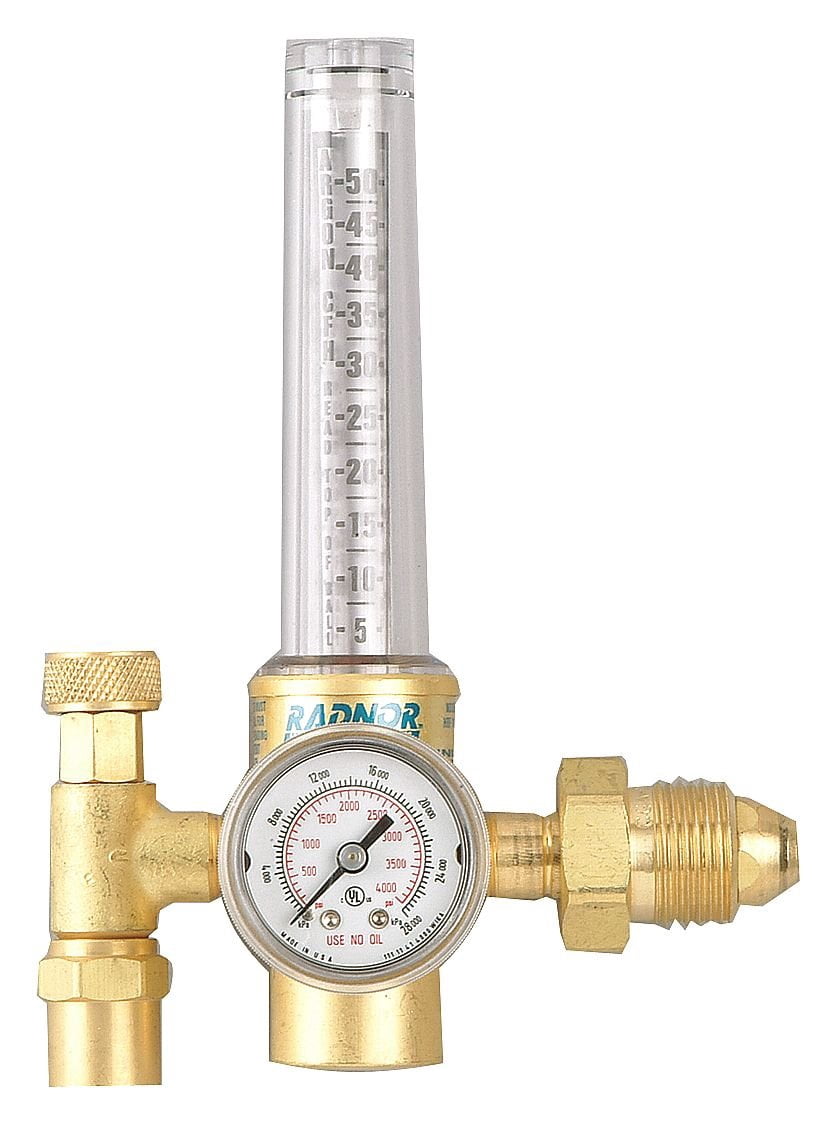
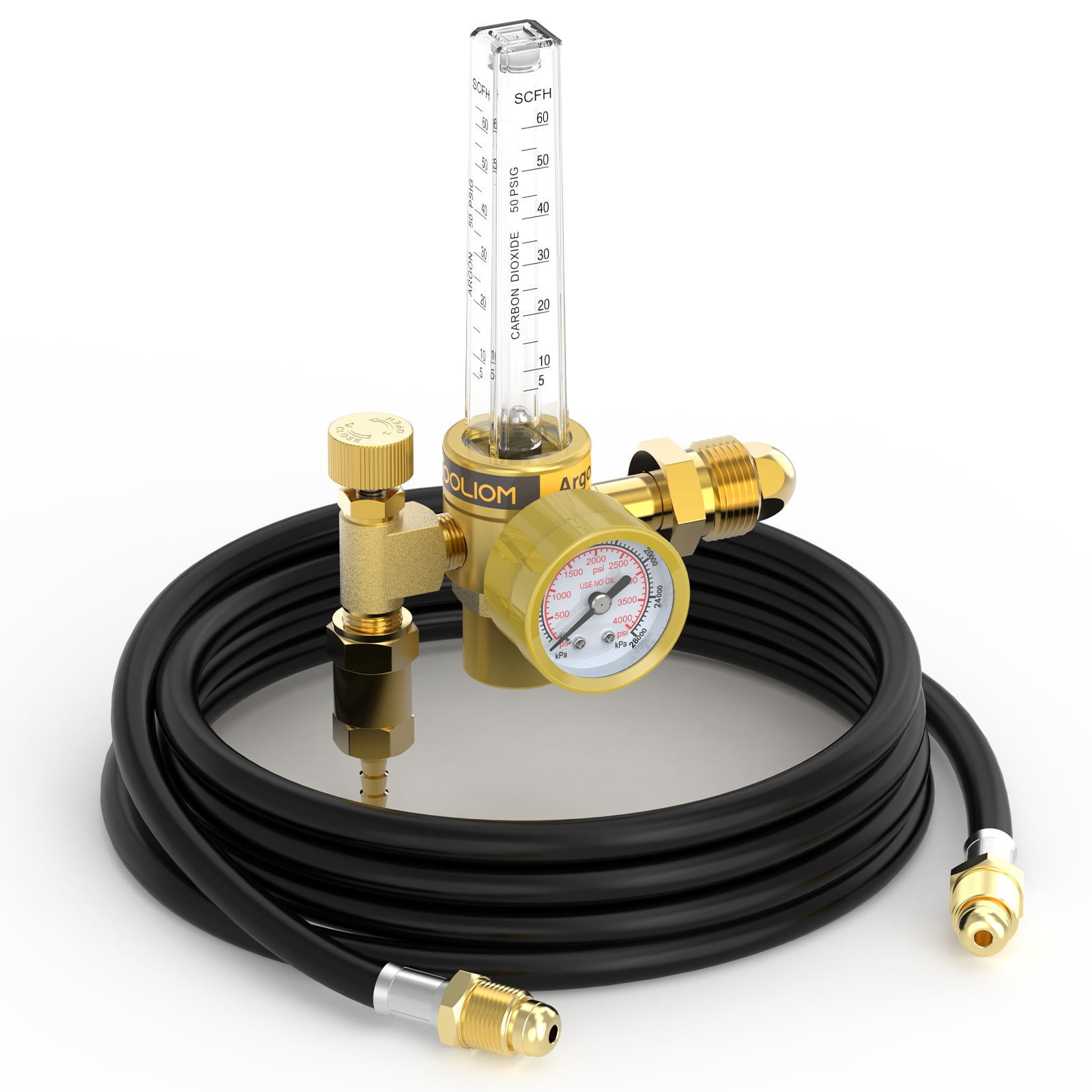
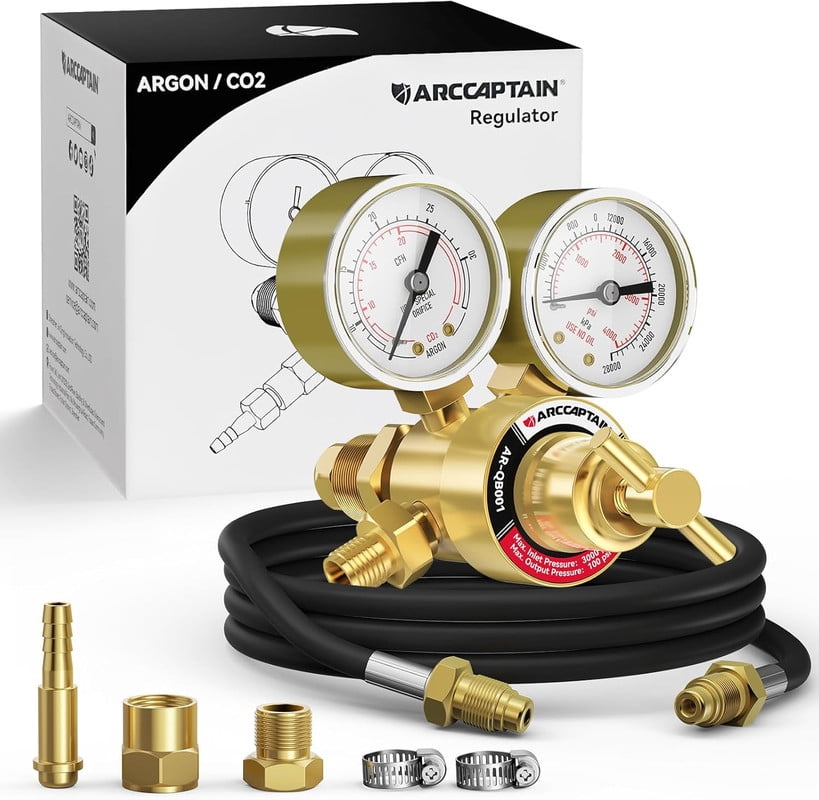
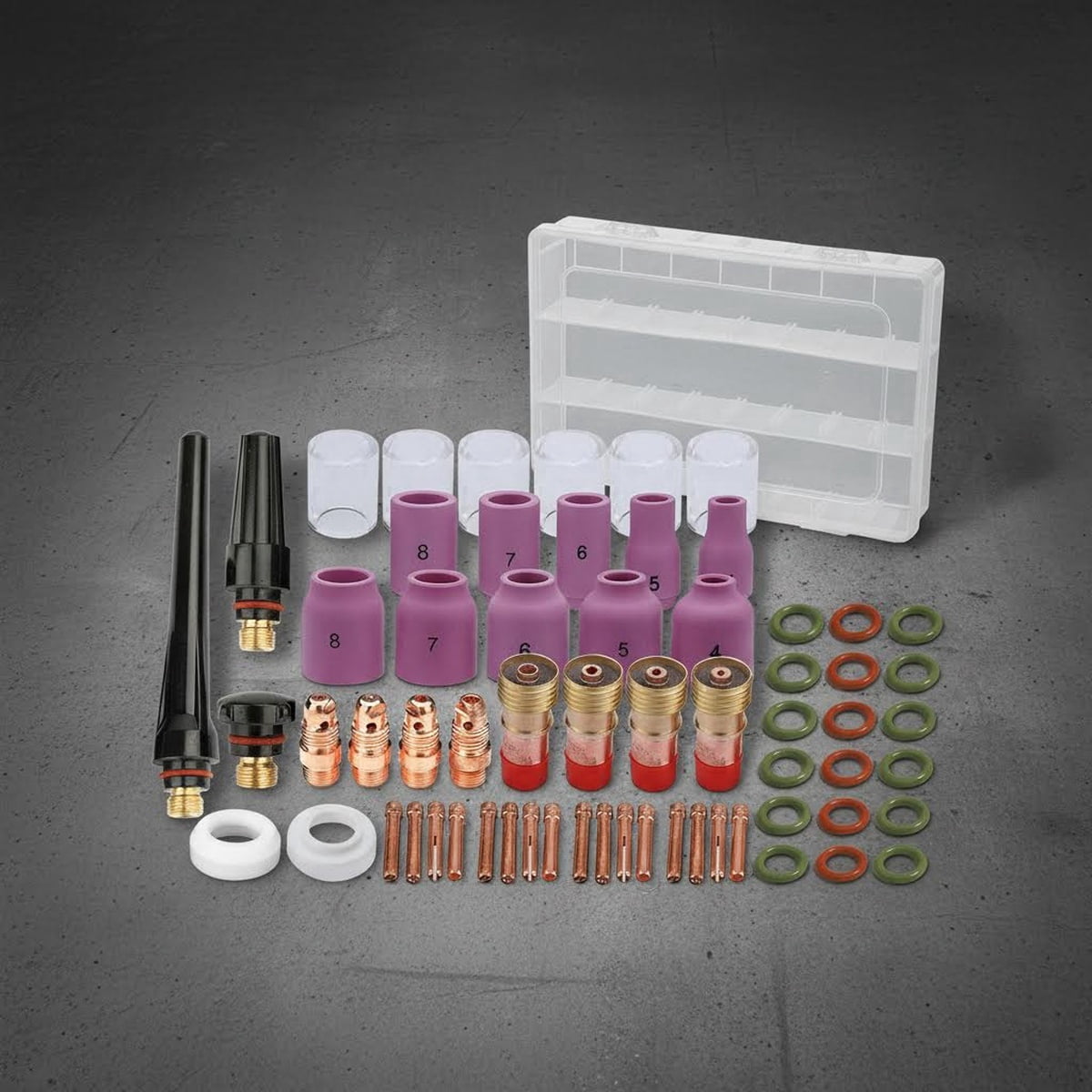
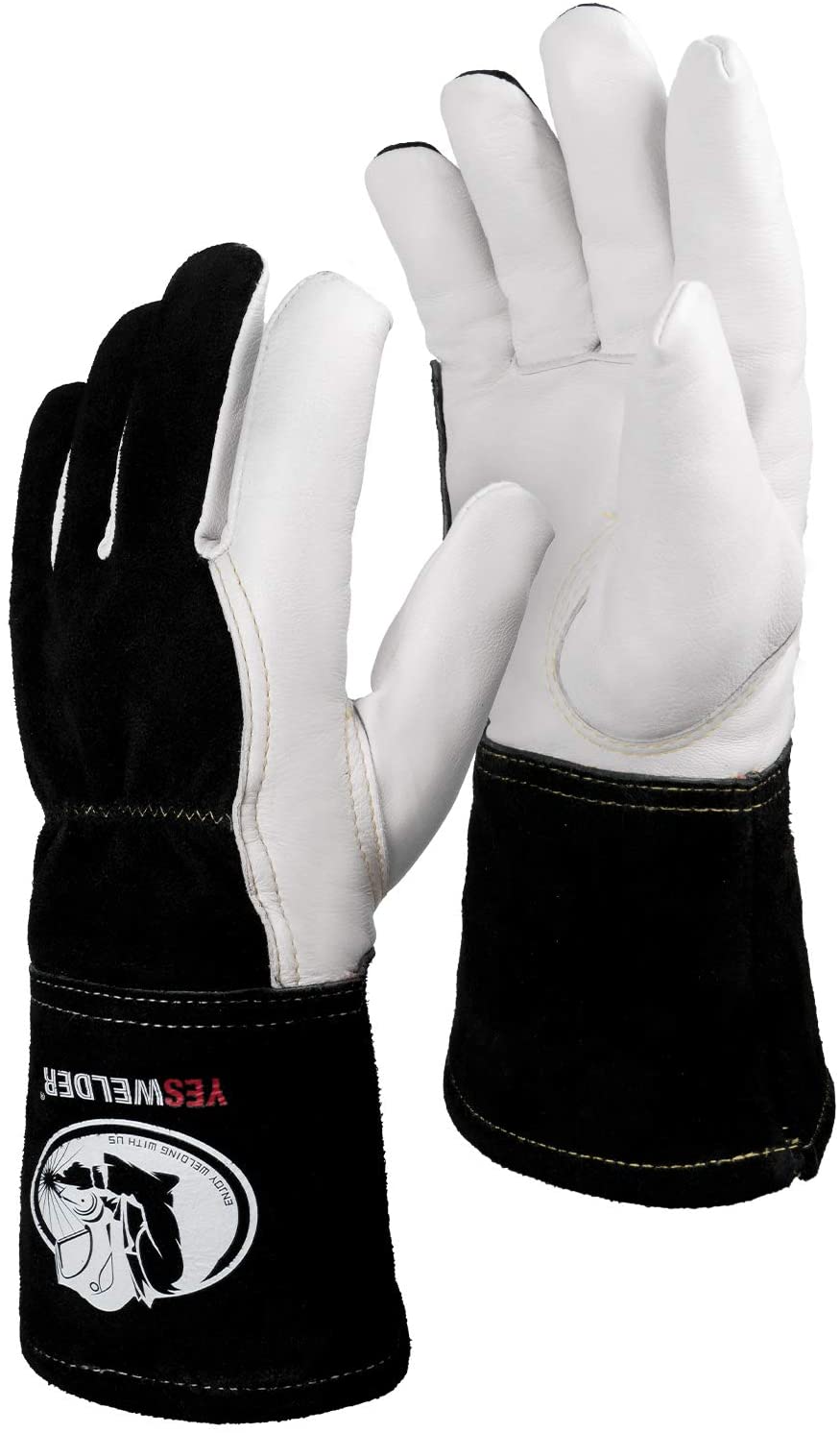
As an Amazon Associate, TestTalkHQ earns from qualifying purchases. All five cards are sourced only from the affiliate CSV with verified product images.
Often missing restraint level, multi-pass accumulation, or wrong material factor — not a single-bead free-shrink case.
Weld Distortion Troubleshooting — this page is prediction error only.
No — it redirects it into locked stress or release movement when clamps come off.
No — interpass heat changes behavior; use sequencing guidance in the guide.