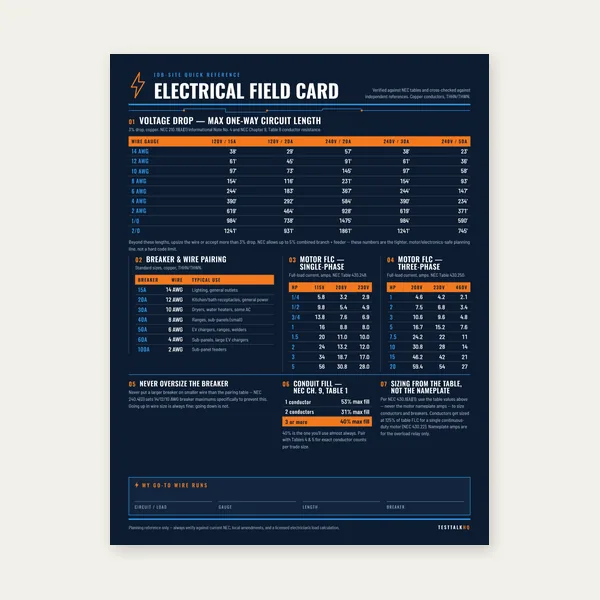
Electrical Reference Card
One page. Voltage drop lengths, breaker and wire pairing, motor FLC.
$3.99
BuyChoose the safer extension cord setup when distance, amperage, mixed gauges, connector heat, and jobsite convenience collide
This is the real fork behind many extension-cord voltage drop problems: buy or stage one continuous heavy cord, or connect two or three shorter cords already in the truck. The copper math is only part of the decision. The connectors, lightest gauge in the chain, coiled slack, and generator source all matter.
| Choice | Best when | Main risk | Rule of thumb |
|---|---|---|---|
| One continuous heavy cord | Known load, repeated setup, compressor/welder/saw, 50–150 ft | Higher cost and storage weight | Best default for high-current tools |
| Two cords in series | Light temporary load, both cords same heavy gauge, connectors clean and dry | Connector heat and hidden light-gauge section | Acceptable only after checking the full chain |
| Mixed-gauge cord chain | Almost never for motor/heavy loads | Smallest cord controls ampacity and drop | Size it as the lightest AWG, not the heaviest |
| Cord reel partly wound | Storage only, not heavy continuous load | Heat cannot escape the coil | Unroll fully before loading |
Why it wins: one cord has one resistance path and two end connections. There are fewer plugs to loosen, fewer contact surfaces to corrode, and fewer points that can heat while the tool is running. The printed gauge and rating are also easier to verify.
Tradeoffs: heavy 10 AWG and 12 AWG cords cost more, take more storage space, and are less pleasant to drag. But for repeat setups — jobsite saw, compressor, portable welder, temporary generator feed to a tool — that weight buys voltage at the load and lower heat risk.
Why people do it: the cords are already there, the tool is just a little too far away, and the load may seem light during setup. For a small light, charger, or short intermittent task, two properly rated cords can work.
Why it fails: resistance is additive. Two 50 ft cords make a 100 ft conductor run, plus a middle connection that can loosen, get wet, oxidize, or sit in dirt. If either cord is smaller gauge, the whole run must be treated as the smaller cord for ampacity and drop. A 12 AWG + 16 AWG chain is not a 12 AWG run.
When it is acceptable: both cords are the same gauge or heavier than required, total one-way length passes the calculator, connectors are tight and dry, and the load is not a hard-start motor or high-current welder.
12 AWG is a strong general-purpose cord for many 15 A tools at moderate lengths. It is easier to handle and often enough at 25–75 ft. 10 AWG starts making sense when the run is long, the load is near 15–20 A, the tool has high startup current, or the equipment is voltage-sensitive.
The upgrade is not about bragging rights. It is about reducing I×R loss and heat. If the calculator says 12 AWG is over your target drop at the required length, or if the tool improves immediately on a shorter cord, 10 AWG is the honest answer.
Do the exact run. Enter the full physical cord length, real load amps, voltage, and gauge before buying the next cord.
Open Cord Calculator| Situation | Choose | Why |
|---|---|---|
| 120 V welder or compressor, 75–100 ft | One 10 AWG cord | Startup current and voltage sag make connector chains unreliable |
| Small drill or charger, short added reach | Two same-gauge cords may be okay | Load is low if connectors are clean and dry |
| Mixed 12 AWG and 16 AWG cords | Do not use for high load | 16 AWG controls the chain and can overheat |
| Generator feeding jobsite tool | Shortest heavy cord possible | Generator sag plus cord drop stacks together |
| Cord reel under load | Unroll fully or use straight cord | Coiled heat can fail before voltage math does |
Do not judge a cord setup by open-circuit voltage. A cord can show normal voltage with no load and still collapse when a saw, compressor, pump, or welder starts. Measure at the source and at the tool while the tool is actually working. The difference is the drop the equipment is living with.
Then feel the plugs and middle connector after a short run. Warm plastic, loose blades, discoloration, or a hot female end means the decision is already failing. Replace the chain with a continuous heavier cord or move the power source closer.
One page. Voltage drop lengths, breaker and wire pairing, motor FLC.
$3.99
Buy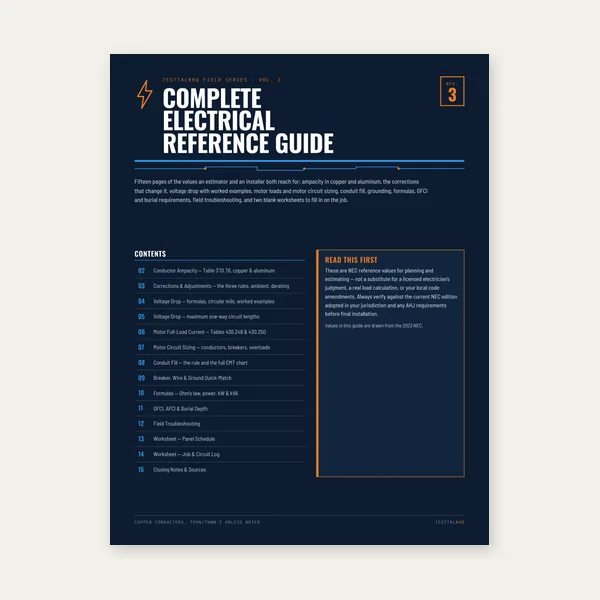
15 pages. Ampacity, corrections, voltage drop, motor circuits, conduit fill.
$12.99
Buy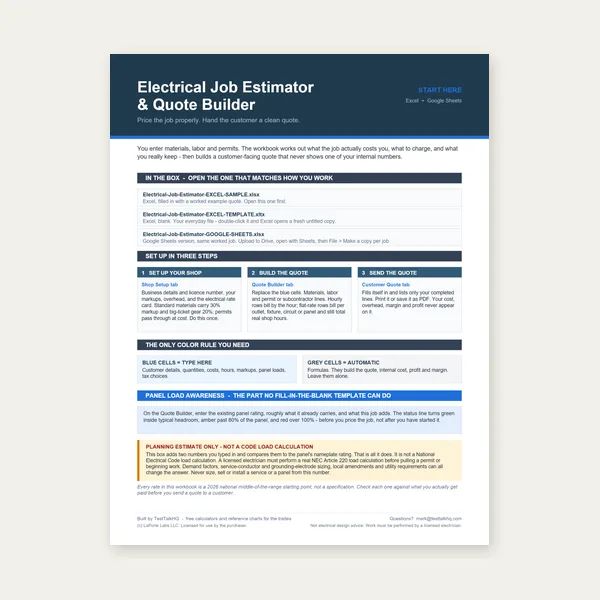
Quote electrical work and flag panel headroom before you price it.
Excel or Google Sheets. Best on a computer.
$29.00
Buy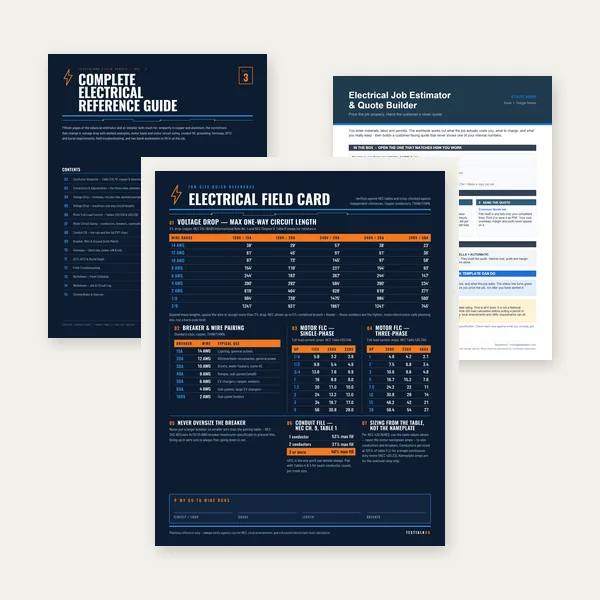
Card, 15-page guide and the estimator workbook. All six files.
Excel or Google Sheets. Best on a computer.
$34.99
$45.98 if bought separately — save $10.99
BuyCheckout opens in a new tab.
Five genuinely relevant products from the live TestTalkHQ affiliate CSV: clamp meters and multimeters for measuring cord voltage and actual tool current.


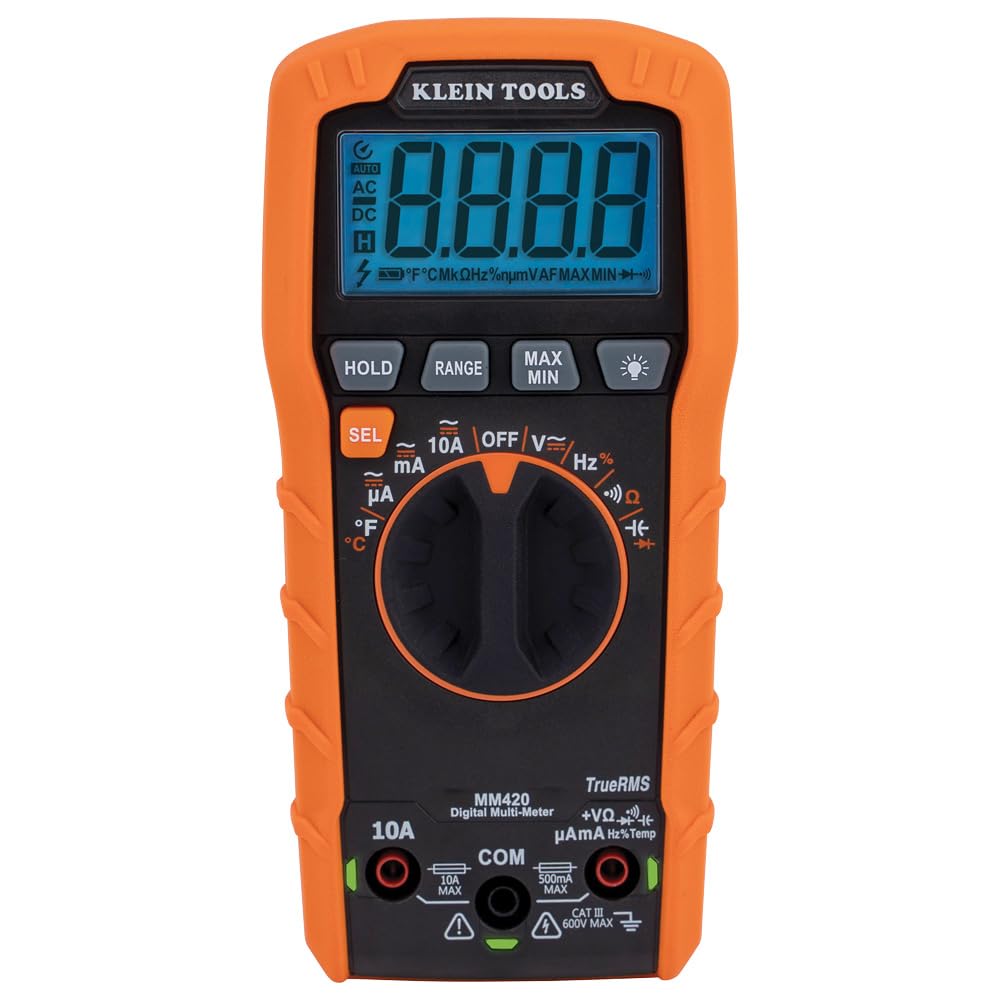
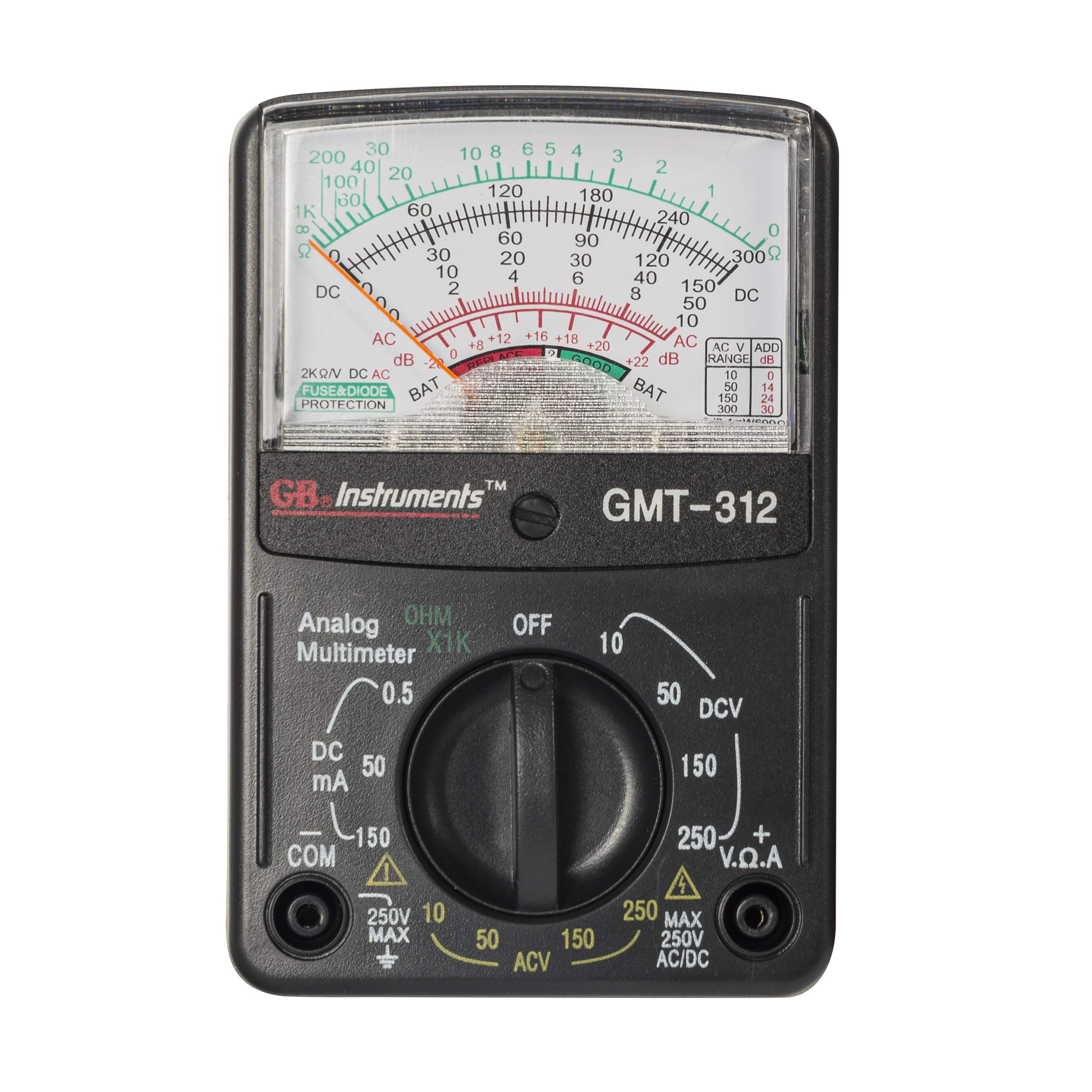
As an Amazon Associate, TestTalkHQ earns from qualifying purchases. Catalog gap remains: no extension cords, cord reels, GFCI adapters, or wire-gauge testers were present in the live CSV.
Usually yes for high-current loads, especially if the one 100 ft cord is the correct gauge. Two cords add a middle connector and often hide a smaller gauge section.
For light loads, sometimes. For motors, welders, compressors, heaters, or wet jobsite conditions, one correctly sized continuous cord is the better choice.
Use 12 AWG for many 15 A tools at moderate length. Use 10 AWG when the run is long, startup current is high, or the calculator shows too much drop.
Yes for voltage drop, and worse for heat if it stays coiled. Unroll it fully under meaningful load.