Countersink Troubleshooting
Proud or over-deep heads, chatter/oval recesses, break-through on thin stock, batch depth drift, and counterbore fit errors — diagnose what the depth formula alone will not fix
The Countersink & Counterbore Guide teaches angles, depth math, and setup. This page stays on diagnosis when the calculated depth was “right” and the part still fails. Recheck geometry with the Countersink & Counterbore Depth Calculator only after you know which fault you are chasing.

Countersink Problems — Quick Answer
Use this when the fastener or the recess looks wrong — not when you still need the depth formula.
| Problem | What it usually means | First fix | Next tool |
|---|---|---|---|
| Head proud or sunk too deep | Wrong angle (82°/90°/100°), depth stop off, chatter changing depth | Match tool angle to fastener; reset stop; verify with actual screw + straightedge | Calculator |
| Wobble / chatter / oval recess | Wrong RPM, worn/wrong-angle cutter, pilot misalignment | Slow spindle; multi-flute cutter; re-drill centered pilot | Drill speed |
| Breaks through thin material | No thickness margin; steep angle needing more depth | Check remaining wall; switch angle/fastener class or thinner head | Guide |
| Batch depths inconsistent | No depth stop/collar; judging by feel | Lock quill stop or spring collar; first-article check | Guide setup |
| Counterbore too tight/loose | Wrong clearance; used countersink geometry for a flat head | Measure actual head Ø/height; add clearance; use flat-bottom tool | Guide CS vs CB |
1. Fastener Head Proud or Sunk Too Deep
What it looks like: Straightedge rocks on the head, or the head disappears deep in a crater. Clamp load feels odd; paint or a mating panel telegraphs the high head.
Likely causes:
- Wrong countersink angle for the screw — 90° tool on 82° inch flat-head (or reverse); 100° aerospace head in a general 82° recess.
- Depth stop not set to the calculated depth + clearance — stop left from a previous job, or never locked.
- Chatter changing effective depth — tool bouncing so some holes go deeper than the stop reading implies.
Fixes: Identify the fastener standard before blaming the calculator. Match included angle to the head. Reset quill/collar to calculated depth plus ~0.005–0.010", first-article with the real screw, then run the batch. If angle is wrong, no amount of deeper plunging seats the cone correctly — change the cutter. Recalculate only after angle and stop are confirmed: depth calculator.
2. Countersink Wobbles or Chatters (Oval / Rough)
What it looks like: Spiral marks, oval opening, head seats off-center, audible scream in aluminum or steel.
Likely causes:
- Wrong speed for material / diameter — countersinks need lower RPM than twist drills of similar size.
- Worn or wrong-angle cutter — dull single-flute tools chatter; wrong angle still “cuts” an oval when walking.
- Insufficient pilot alignment — no pilot or undersize/offset pilot lets the cone walk before it establishes.
Fixes: Drill a true pilot first. Switch to multi-flute for aluminum/steel. Drop RPM; feed without dwell. Clamp the work flat so the cone cannot tilt. Speed starting points: Drill Speed Calculator.
3. Countersink Breaks Through Thin Material
What it looks like: Cone opens on the back side; scrap ring; fastener has nothing left to bear on.
Likely causes: Calculated depth ignored remaining thickness; 82° needs more depth than 100° for the same head diameter — thin sheet cannot take a full inch-series cone.
Fixes: Measure stock thickness before committing. Compare required depth + margin to wall left under the cone. Options: thinner/smaller head, shallower-angle fastener class where allowed, counterbore with a thinner head, or local thickener/washer side. Do not “sneak” past calculated depth on thin stock hoping the head will hide — geometry wins.
4. Multiple Holes Inconsistent in Depth
What it looks like: Some heads flush, some proud, some deep across one plate or a production run.
Likely causes: No depth stop/collar; hand-drill feel drift; stop bumped between holes; workpiece not flat to the table so surface-relative depth changes.
Fixes: Lock drill-press quill stop or use a spring depth collar on hand work. First-article check, then do not change the stop mid-batch. Support thin work so the surface does not spring. Method detail: guide setup section.
5. Counterbore Diameter Too Tight or Loose
What it looks like: Socket head will not enter, or rattles with a huge gap; head sits on a cone instead of a flat floor.
Likely causes:
- Wrong clearance allowance — sized to nominal screw, not measured head OD + clearance.
- Confusing counterbore with countersink — conical cutter used where a flat-bottom recess is required (or the reverse).
Fixes: Measure actual head diameter and height with a caliper; add ~0.015" on diameter and ~0.005–0.010" on depth for SHCS-class fits (or follow ASME B18.3 tables in the guide). Use a counterbore / end mill process for flat bottoms — a countersink cannot create that geometry. Choice of recess type: see the guide’s when to use each section.
Need Countersink vs Counterbore?
That decision is already covered on-site: flat-head screws need a conical countersink; socket/hex/button heads need a flat-bottom counterbore. Use the guide’s comparison — do not force a second decision article.
Pilot, Measure & Counterbore Prep Tools
Five CSV picks for diagnosis and setup. Dedicated countersink cutters and piloted counterbore tools are a catalog gap — flagged below.
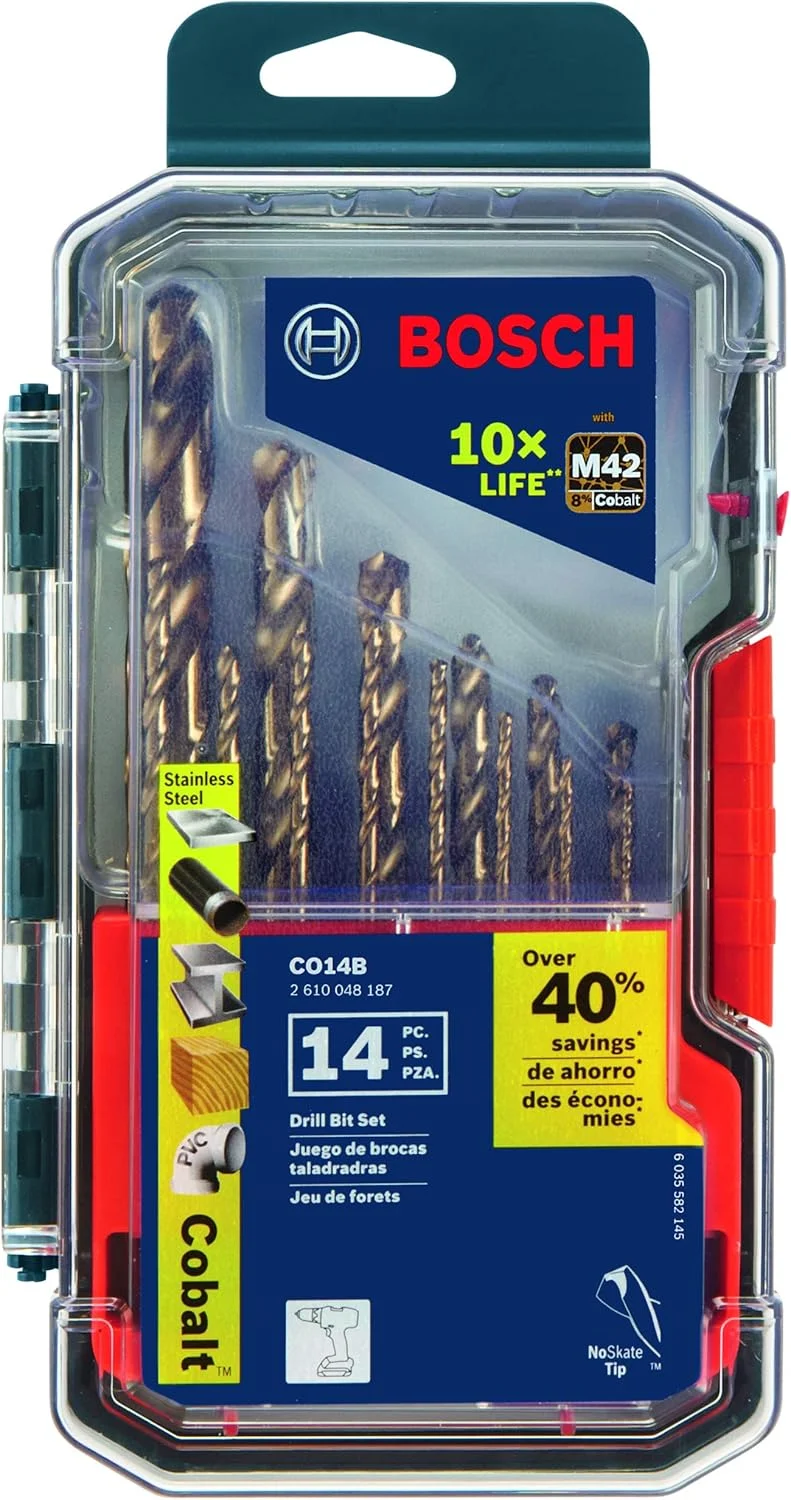
BOSCH CO14B 14-Piece Cobalt M42 Metal Drill Bit Set
- True pilots stop walking and oval recesses
- Cobalt survives stainless prep before countersinking
- Split-point tips reduce misalignment chatter
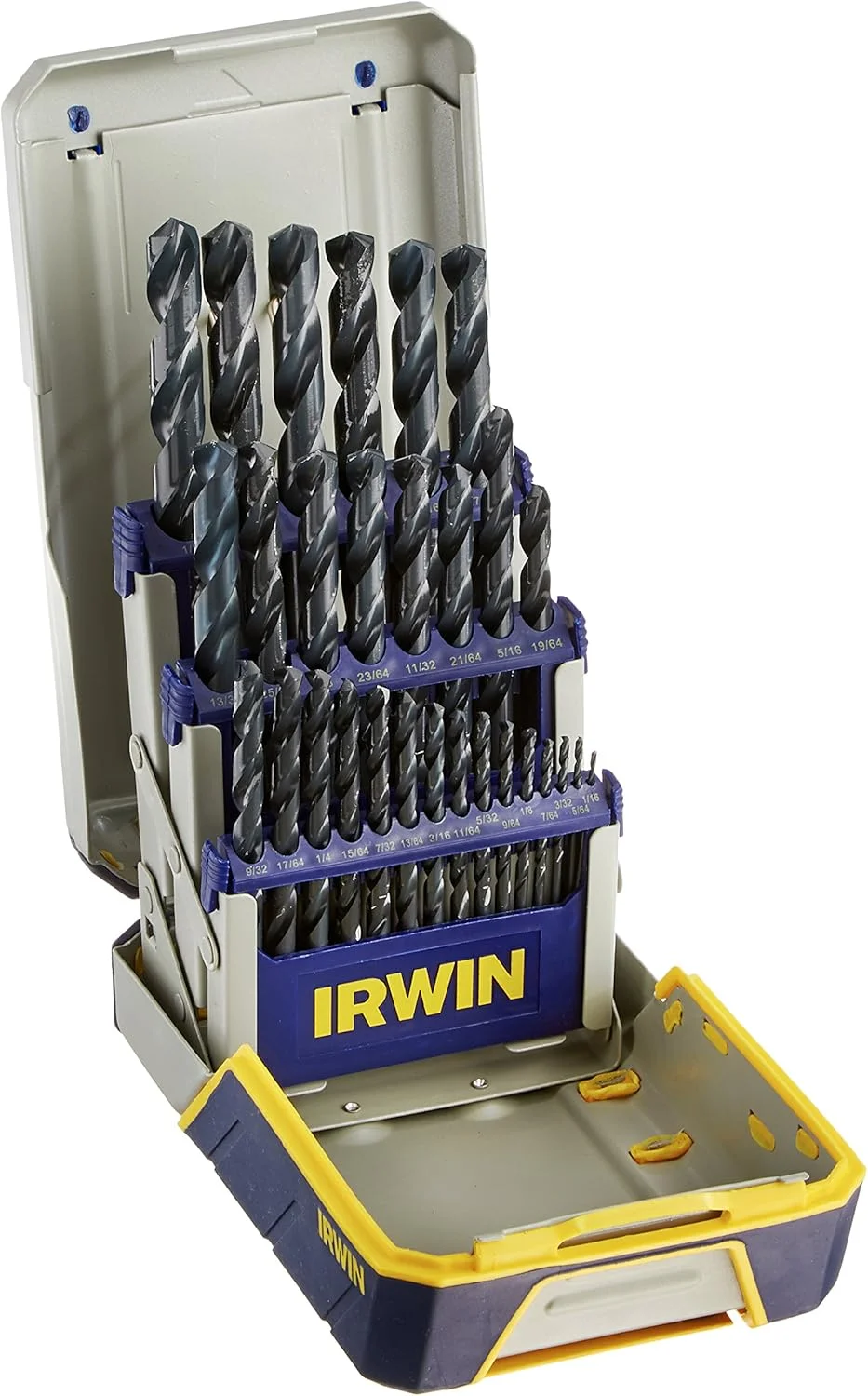
IRWIN Tools Black Oxide Metal Index Drill Bit Set 29-Piece
- Full fractional pilots for clearance and body holes
- Everyday set before countersink or counterbore
- Match pilot size to the fastener body, not guesswork

Starrett Stainless Steel Electronic Slide Caliper 0–6in
- Measure actual head Ø before counterbore sizing
- Check remaining wall on thin stock
- Catch proud heads the eye misses
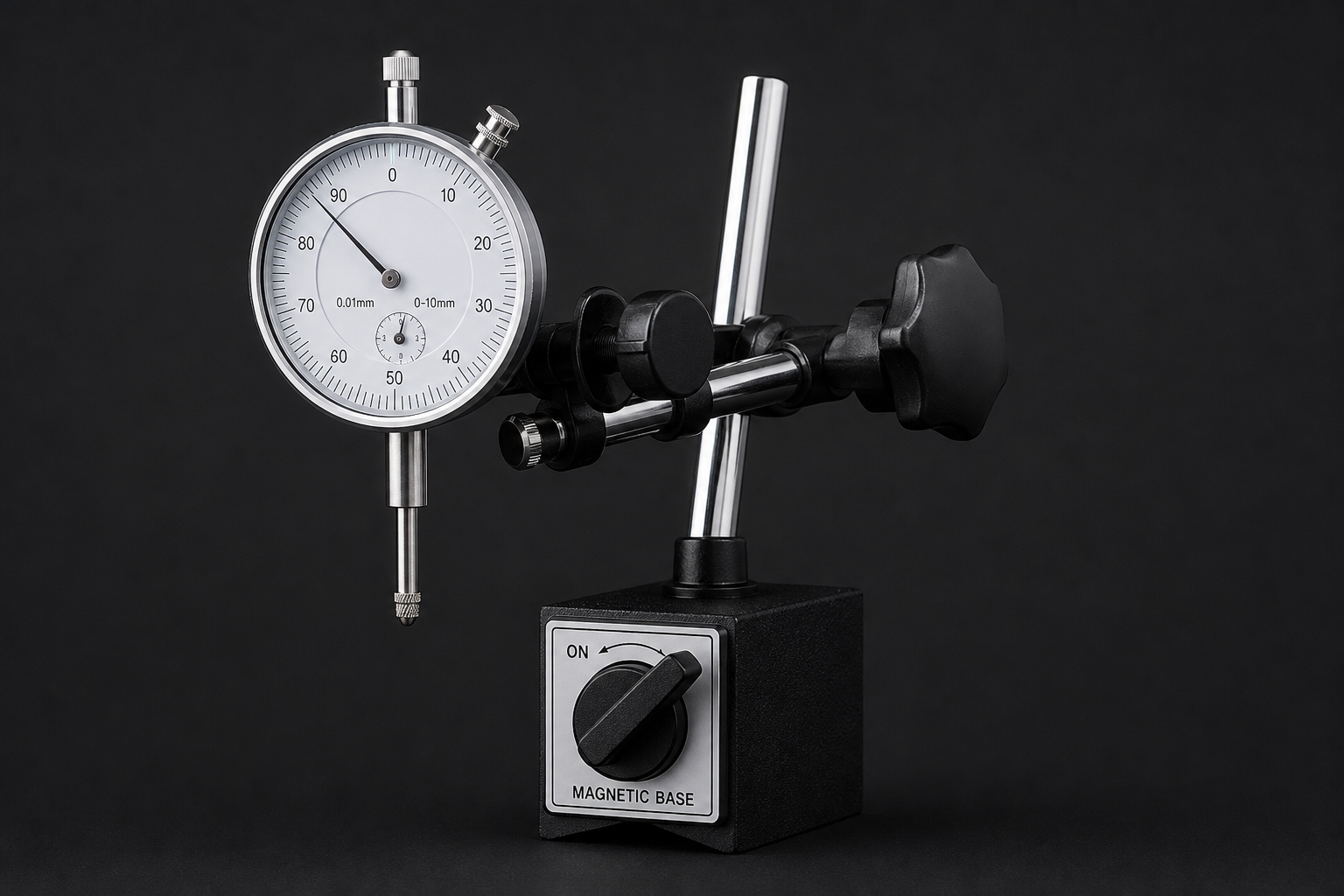
Dial Indicator Set with On/Off Magnetic Base
- Verify quill travel vs calculated depth
- Lock batch consistency on the drill press
- Diagnose stop drift across a run
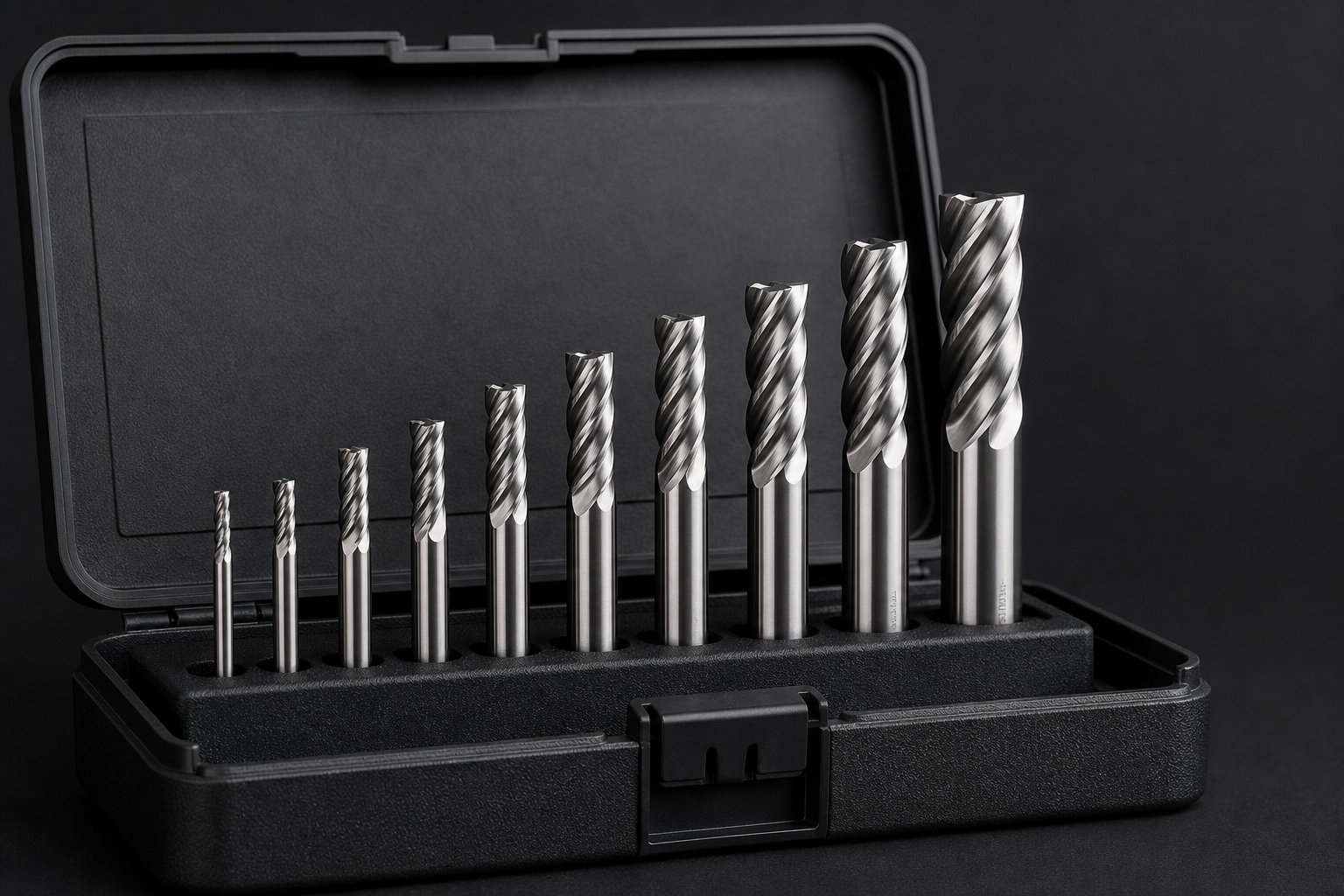
RIP Cutting Tools 6-PC 4-Flute Carbide End Mill Set
- Flat-bottom recesses for counterbore-class heads
- Not a substitute for a matched countersink angle cutter
- Useful when CSV lacks dedicated counterbore tools
As an Amazon Associate, TestTalkHQ earns from qualifying purchases. Catalog gap: no dedicated multi-angle countersink cutter sets or piloted counterbore cutters in the affiliate CSV — do not card unrelated HVAC/thermostat SKUs. Add those tooling SKUs before featuring them.
Frequently Asked Questions
My depth matches the calculator but the head still rocks — why?
Almost always angle mismatch (82° vs 90° vs 100°). Depth alone cannot seat a cone on the wrong included angle.
Why are some holes flush and others proud on the same plate?
Stop not locked, freehand depth, or work springing. Fix process before recalculating.
Can an end mill replace a countersink?
For flat-bottom counterbores, yes as a process. For conical flat-head seats, no — you need the matching included angle.
Is this the same as the countersink guide?
No. The guide teaches method and when to use countersink vs counterbore. This page diagnoses failed recesses and fits.