Tube Bending Troubleshooting
Wall thinning, ovality, inside-radius wrinkling, springback errors, and mandrel/die mismatches
Estimate bend allowance, springback, and wall stress with the Tube Bending Calculator. Learn mandrel selection and D/t ratios in the Tube Bending Guide. Shop and fab tools: Shop Safety & Tools Hub.

Tube Bending Problems Quick Answer
Use this when bends collapse, wrinkle on the inside, spring open past layout, or wall thickness fails inspection after bending.
| Symptom | What it usually means | First fix | Next tool |
|---|---|---|---|
| Outside flat, inside wrinkled | Compression on ID — no mandrel or tight CLR | Add mandrel; increase centerline radius | Tube Bending Calculator |
| Wall thin at extrados | Excessive stretch for D/t ratio | Larger bend radius or thicker wall tube | Tube Bending Guide |
| Tube oval after bend | Insufficient wiper or wrong die groove | Match die to OD; check pressure die | Tube Bending Calculator |
| Angle opens after release | Springback underestimated | Over-bend or apply correction factor | Tube Bending Guide |
1. Wall Thinning & Ovality at the Bend
What it looks like: Outside wall of the bend thins measurably (ultrasonic or cut section), tube goes oval instead of round, or pressure rating drops below spec after forming.
Likely causes: Stretch on the extrados exceeds material limit — tight bend radius relative to OD (low D/R), thin wall (high D/t), or over-clamping without mandrel support. Aluminum and copper thin faster than steel at the same D/t.
Fixes: Increase centerline radius, step up wall thickness, or use a mandrel/wiper stack sized for the tube. Verify predicted thinning in the Tube Bending Calculator before cutting production lengths.
2. Wrinkling on the Inside Radius
What it looks like: Ripples or folds on the intrados (inside) of the bend, sometimes visible only after paint. Bend may kink instead of flowing smoothly.
Likely causes: Compressive instability on the inside — bending without mandrel on thin-wall tube, CLR too tight, or insufficient pressure-die force. Material buckles instead of flowing.
Fixes: Use a mandrel with correct ball count and linkage for the CLR, add wiper die if needed, increase bend radius. The Tube Bending Guide maps D/t to mandrel requirement.
3. Springback Miscalculation
What it looks like: Bend opens 2–15° after removing from the machine; fixtures don't fit; opposite bends don't mirror. Repeat bends drift angle batch to batch.
Likely causes: Elastic recovery depends on yield strength, bend radius, and wall thickness. Using a steel springback factor on stainless or aluminum guarantees error. Over-bend amount not validated on scrap.
Fixes: Apply material-specific springback from the calculator, trial on coupon, record machine-specific correction. Heat on some alloys changes springback — keep process consistent.
4. Wrong Mandrel or Die for Wall Thickness
What it looks like: Mandrel sticks or drags, scratches ID, leaves witness marks, or tube slips in groove — combined with wrinkling or flattening depending on which component is wrong.
Likely causes: Die groove too wide (slip) or too narrow (pinch/oval). Mandrel ball count too few for CLR — can't reach tangent point. Plug mandrel used where linked ball mandrel is required for thin wall.
Fixes: Match die groove to actual measured OD (not nominal), select mandrel type per D/t table in the guide, lubricate ID appropriately. Measure tube OD with calipers — mill tolerance affects fit.
Model the Bend Before Cutting Production Tube
Wall thinning, wrinkling, and springback interact — fix mandrel/die first, then refine springback on coupons.
Tube Bending Calculator → Tube Bending Guide → Shop & Fab Hub →
Recommended Machining & Tapping Tools
Five CSV catalog picks with verified images — controlled torque, cutting fluid, quality taps, and precision measuring
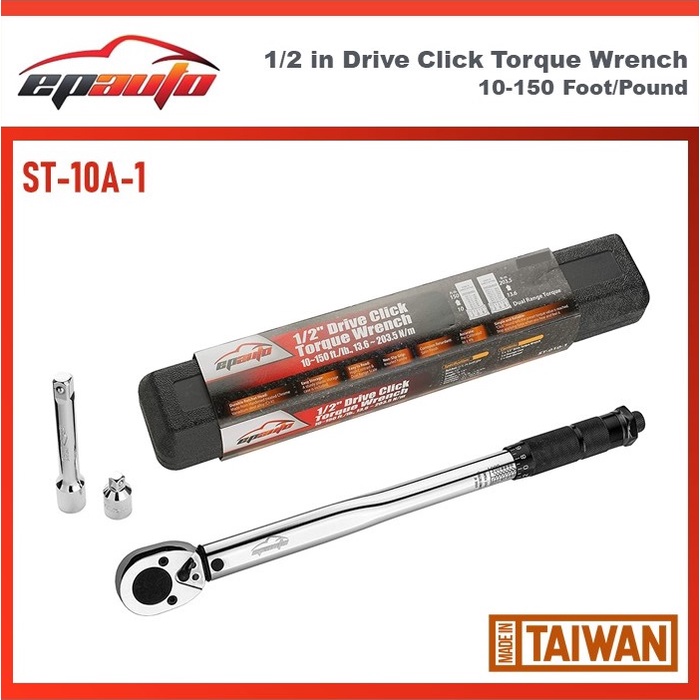
EPAuto 1/2" Click Torque Wrench, 10–150 ft-lb
- Set assembly torque below strip strength
- Repeatable clamp load on tapped threads
- Click cutoff prevents over-torque
- Hand tools catalog
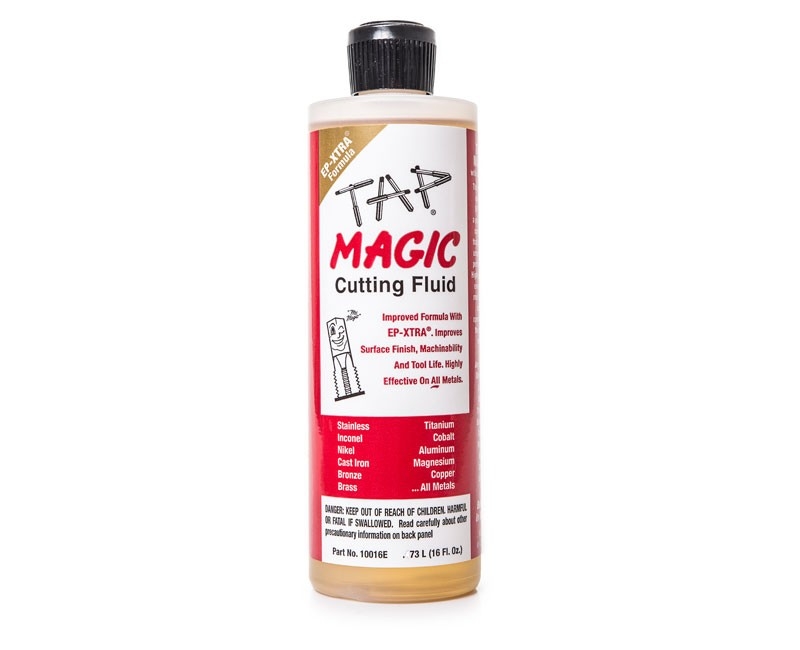
Tap Magic EP-Xtra Cutting Fluid, 16 oz
- Extreme-pressure fluid lowers cutting torque
- Reduces galling in steel and stainless
- Directly cuts friction-torque spikes
- Cutting tools / machining catalog
Hi-Spec 39-Pc SAE & Metric Tap and Die Set
- Sharp taps cut with less torque
- Imperial and metric coverage
- Replace dull taps that spike torque
- Cutting tools / machining catalog
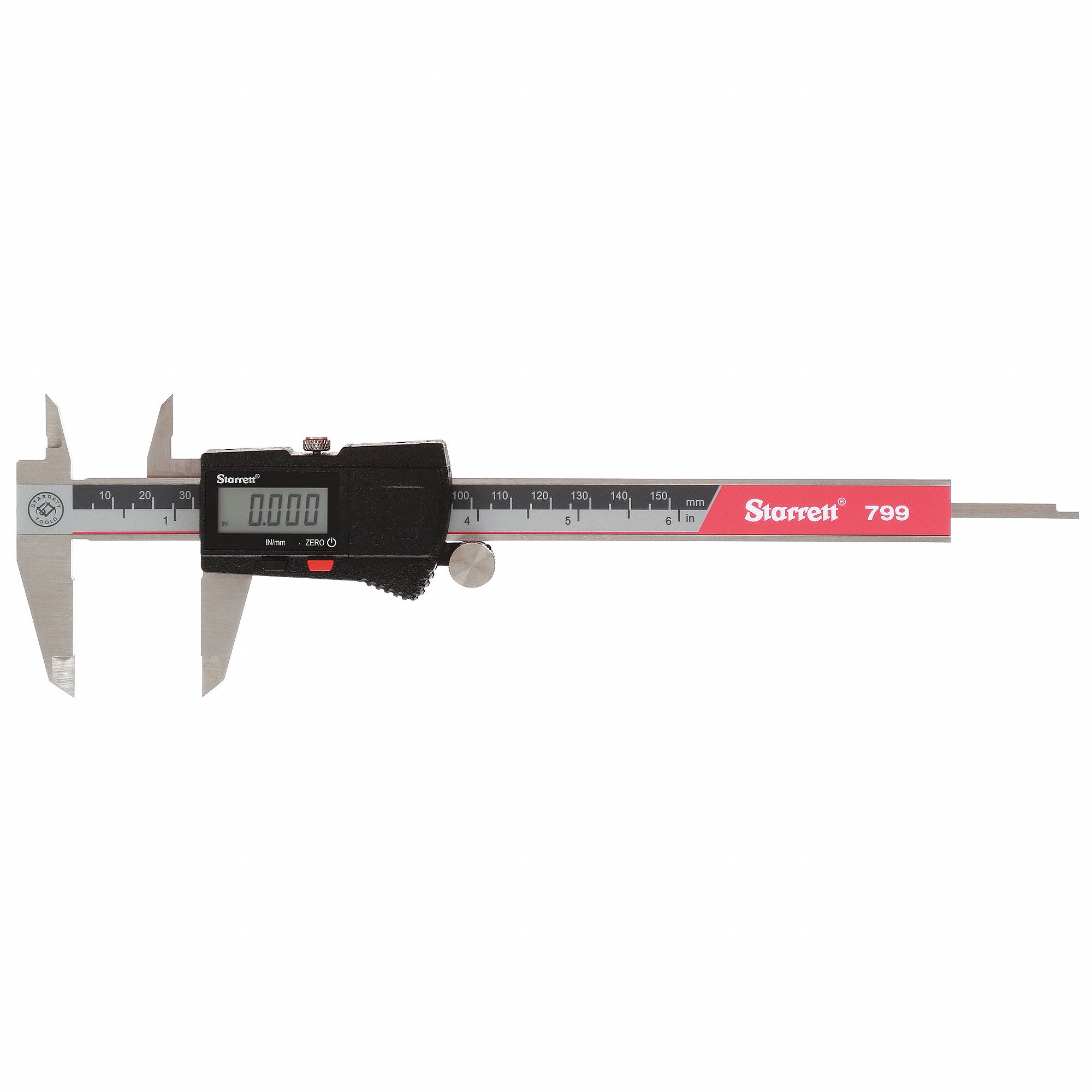
Starrett EC799A Electronic Caliper, 0–6"
- Verify engagement length vs strip needs
- Check hole depth and fastener grip
- Imperial/metric readout
- Measurement catalog
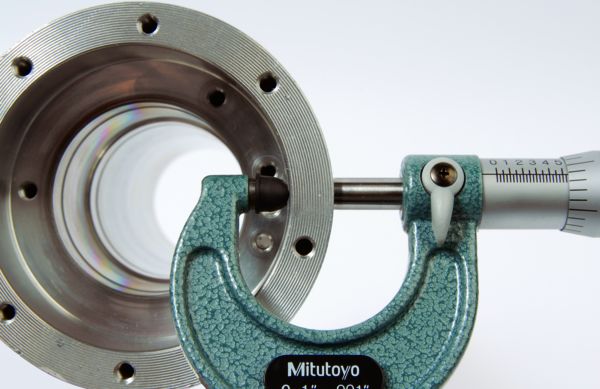
Mitutoyo 103-177 Outside Micrometer, 0–1"
- Confirm tap-drill diameter (sets % thread)
- Rule out undersize drive of high torque
- Shop-standard precision
- Precision measuring catalog
As an Amazon Associate, TestTalkHQ earns from qualifying purchases. All five cards are sourced only from the affiliate CSV with verified product images.
Frequently Asked Questions
When do I need a mandrel?
Generally when D/t exceeds practical limits for the bend radius — thin wall and tight radius almost always need mandrel support.
Why does my bend angle change after release?
Springback — elastic recovery. Over-bend by a material-specific correction.
Can I bend tighter by annealing first?
Annealing lowers yield and changes springback; recalculate and re-qualify on scrap.
What causes ovality after bending?
Wrong die groove, insufficient pressure die force, or wall thinning without ID support.
How do I measure wall thinning?
Ultrasonic wall gauge on the extrados, or destructive section on first article.