Force and air-consumption sizing tell you whether a cylinder can do the job in the middle of its stroke. Neither one tells you what happens at the ends of it, where the piston carries real momentum into a cap, a cushion, or a mechanical stop. Cushion sizing is a separate, dynamic check, and skipping it is how a correctly sized cylinder still ends up with a cracked cap or a loose mounting bolt a few months in.
Start with what is actually moving
Before any arithmetic, list the moving weight: piston, rod, and anything rigidly attached that travels with the stroke — a tool head, a gripper, a part being carried. People routinely use the cylinder’s own weight and forget the fixture bolted to the rod, which on a lightweight cylinder can be the majority of the moving mass.
| Item | Weight |
|---|---|
| Piston + rod (2″ bore cylinder) | 2.1 lb |
| Rod-end fixture plate | 3.4 lb |
| Gripper assembly | 14.5 lb |
| Part being carried (worst case) | 5.0 lb |
| Total moving weight | 25.0 lb |
That total, not the cylinder’s own piston weight, is what the next step uses. A gripper and payload can easily outweigh the actuator carrying them.
Velocity is the number that gets guessed, and it should not be
Catalog “rated speed” figures are a ceiling, not what your machine actually runs. The honest number is stroke length divided by measured time-to-stroke, timed with a stopwatch over several cycles on the real machine at its real pressure and flow-control setting. A cylinder rated for 40 in/sec can easily be running at 15 in/sec on a job that does not need the ceiling — and the energy difference between those two numbers is a factor of seven, not a factor of 2.7, because energy scales with velocity squared.
Kinetic energy, then average force
With weight and velocity in hand, kinetic energy follows directly from the work-energy relationship:
W in pounds, v in feet per second, g = 32.174 ft/s², result in foot-pounds. Spread that energy over the stopping distance — the cushion length, or whatever travel remains before a hard stop — and force-times-distance-equals-energy gives the average stopping force:
This is an average, not the instantaneous peak a tapered-plunger cushion actually produces, but it is the right number for comparing options: a longer cushion, a slower approach, or a heavier fixture, side by side.
Any trade

Contractor Job Estimator
Price remodels and GC work, then send a quote with no internal numbers.
Excel or Google Sheets. Best on a computer.
$29.00
BuyCheckout opens in a new tab.
Gear for measuring and fixing it
Most of this comes down to two things: knowing what speed and distance you actually have, and having a way to turn the speed down.
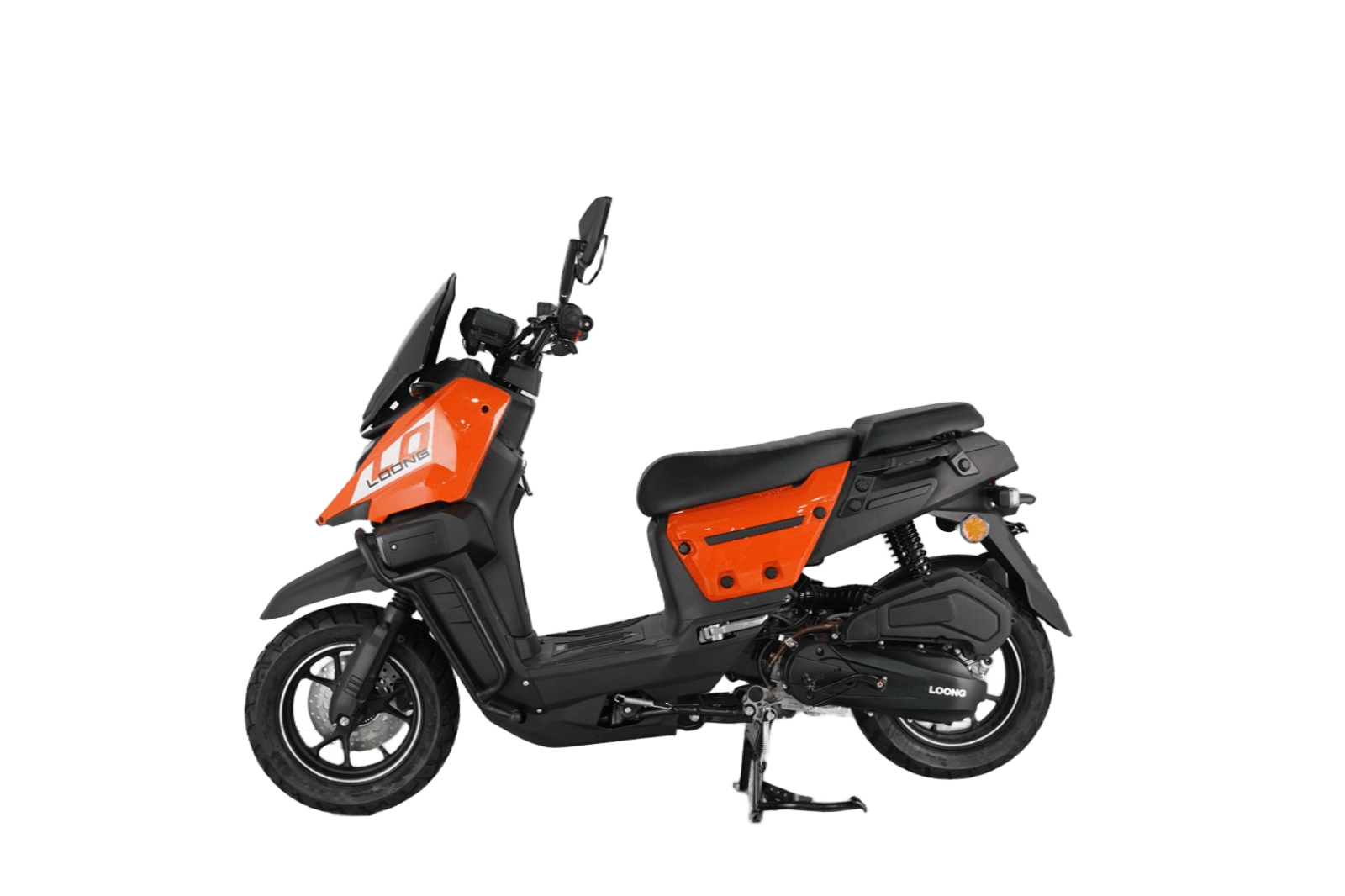
Regulator & Flow Control 0-150 PSI
- Metering the exhaust is the cheapest lever on approach velocity
- No hardware change, small cycle-time cost
- Station-level control instead of dropping the whole header
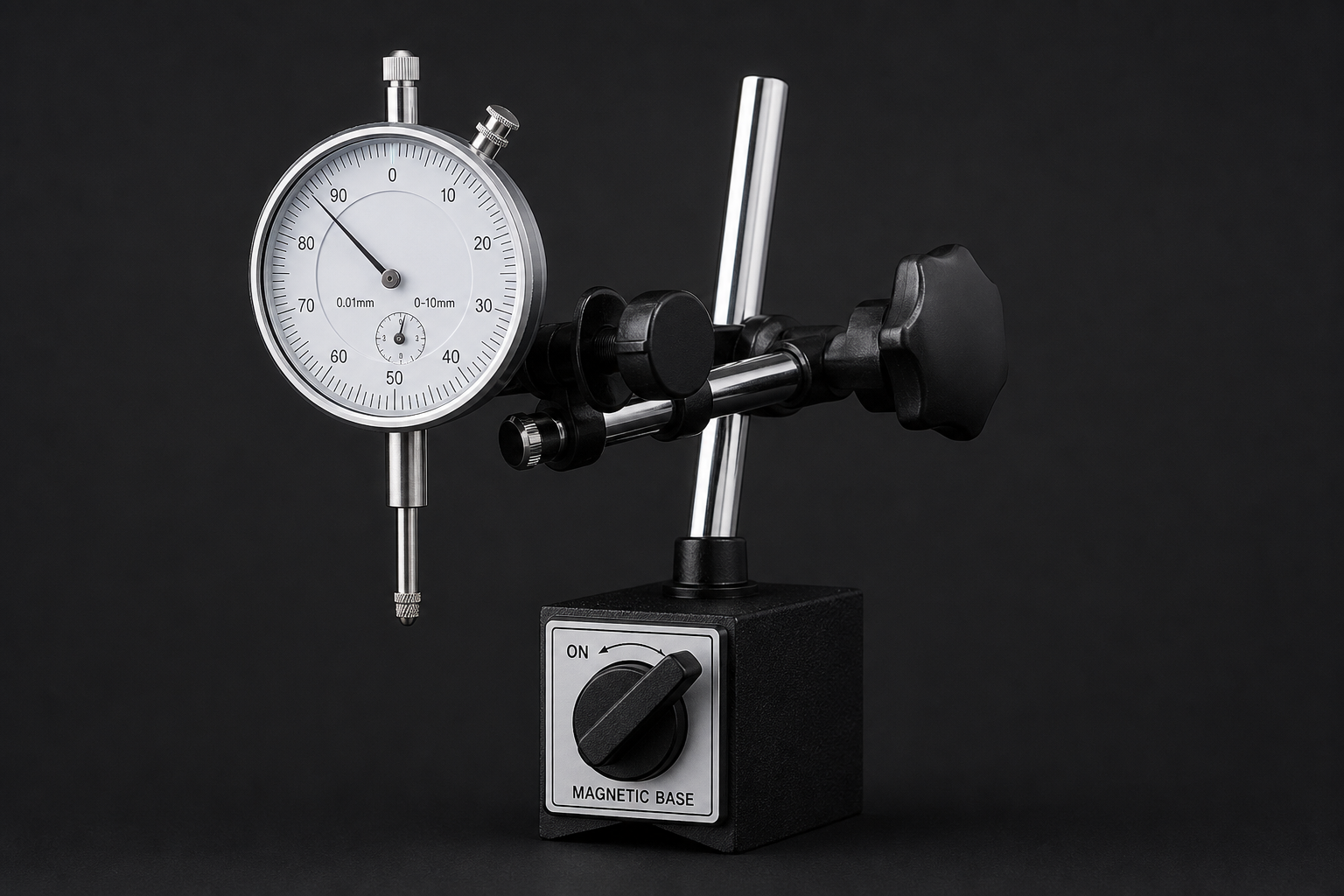
Dial Indicator Set with Magnetic Base
- Finds how much real cushion travel is left before the hard stop
- Catches a worn or bottomed cushion sleeve early
- Magnetic base reads off the machine, not the drawing
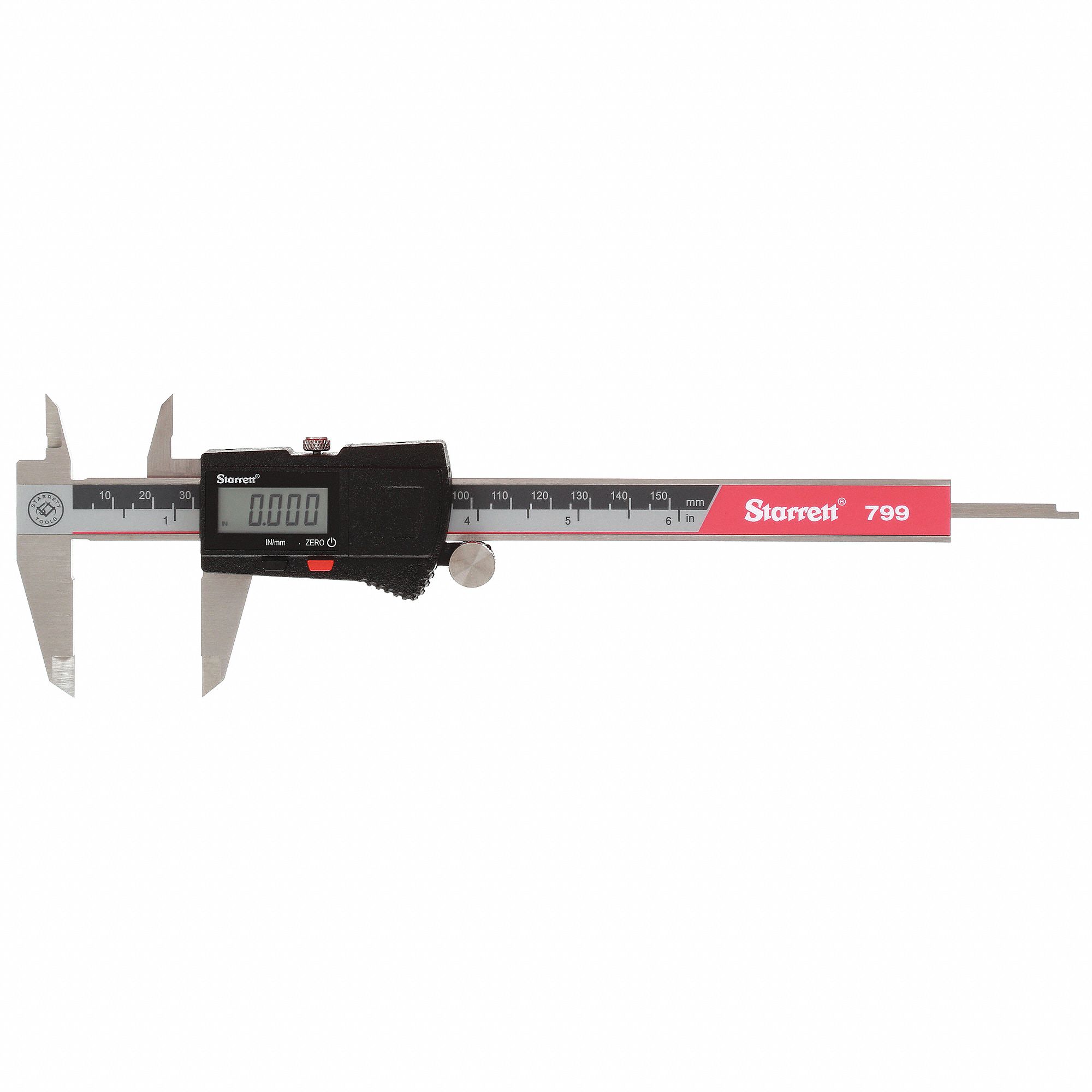
Starrett EC799A Electronic Caliper 0–6 in
- Stroke length for the stroke ÷ time velocity check
- Same tool checks cushion sleeve wear and rod condition
- Inch and metric on one readout
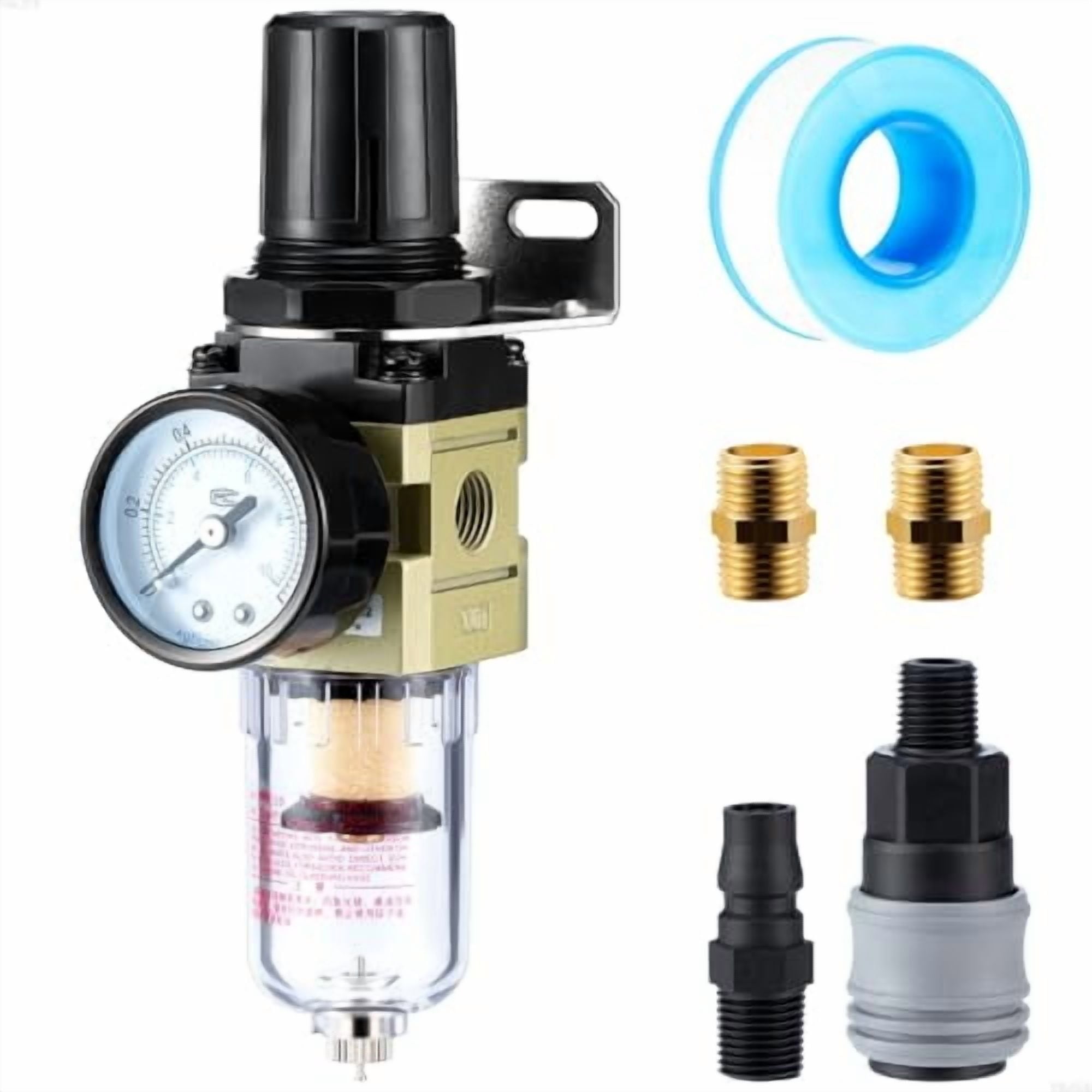
Hromee 1/4 in Filter Regulator AW2000-02
- A regulator at the actuator is the only honest read on drive pressure
- Filtration keeps grit out of the cushion needle valve
- Lower feed pressure trims velocity along with force
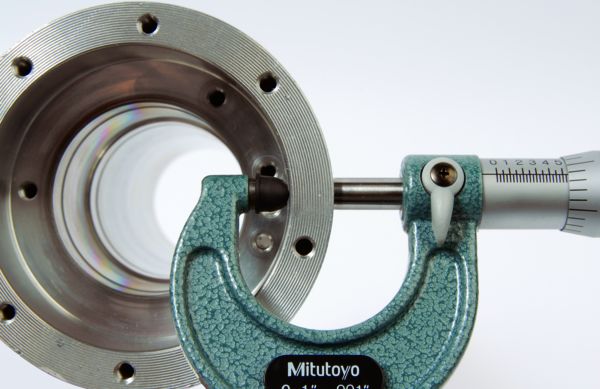
Mitutoyo 103-177 Outside Micrometer 0–1 in
- Checks for wear or scoring from repeated hard stops
- Pairs with a buckling check for the static side of sizing
- Same tool, a different failure mode
As an Amazon Associate, TestTalkHQ earns from qualifying purchases. Prices and availability can change.
Match it to a rated cushion capacity
Cylinder manufacturers publish a maximum cushion energy absorption figure, in foot-pounds, per bore size and cushion length — it is on the data sheet, not something to assume. Once you have a calculated kinetic energy, the check is simple: stay comfortably under the rated figure, not just under it. A result sitting right at the limit has no margin for a pressure creep, a heavier fixture revision, or a worn cushion seal losing some of its sealing effectiveness over time.
When the numbers do not fit
In rough order of cost and effort:
- Slow the approach. A flow control valve metering the exhaust on the last portion of travel cuts velocity, and energy falls with the square of it. The cheapest fix by a wide margin.
- Lengthen the cushion. If the cylinder offers a longer cushion option or the mechanical layout allows more stopping distance, force falls linearly with distance.
- Reduce the moving weight. Sometimes the fixture was overbuilt. Energy is linear in weight, so this helps, just not as much as a speed cut.
- Add an external shock absorber. A dedicated hydraulic unit absorbs far more energy per inch of travel than a pneumatic cushion and is the standard answer when none of the above gets there. See the comparison below for when this is worth the added cost and complexity.
Commission with a measurement
Every figure above starts as an estimate. Once the machine is running:
- Listen at the stop. A sharp metallic crack at end of stroke means the cushion is not doing its job, regardless of what the calculation says it should be doing.
- Re-measure velocity after any pressure, flow-control, or valve change. This is the number most likely to drift without anyone deciding to change it.
- Check mounting bolts for loosening on a periodic basis if the cylinder is new to the application. A cushion running near its rated capacity will find a loose bolt faster than almost anything else on the machine.