The bore is right, the force is right, the air consumption calculation checks out, and the cylinder is still cracking an end cap, backing out mounting bolts, or handing you a bent rod every few months. None of those failures are a sizing problem in the force sense. They are an energy problem at the ends of the stroke, and the fix is almost never a bigger cylinder.
First, tell impact damage apart from everything else
Three symptoms point here specifically, and they are easy to mistake for other faults:
- A sharp metallic crack at one or both ends of the stroke, distinct from the normal exhaust sound. This is the single most reliable sign that a cushion has stopped cushioning.
- Mounting bolts backing out on a cylinder with no obvious installation fault. Vibration from repeated hard stops works bolts loose far faster than running vibration alone.
- A rod that measures bent with no side load and no obvious buckling event. Repeated off-axis impact at the stop, not column buckling, is a common cause worth ruling out before blaming the rod alone — see the bent cylinder rod troubleshooting guide for how to tell buckling from impact and misalignment by the shape of the bow.
Cause 1 — something changed the velocity, and nobody recalculated anything
This is the most common cause by a wide margin, because kinetic energy scales with velocity squared. A change that looks minor on paper is not minor at the stop:
| Change | Velocity effect | Energy effect |
|---|---|---|
| Line pressure raised 20% | Faster midstroke, higher approach speed | Can exceed 40% more energy |
| Flow control opened further | Directly raises speed | Scales with the square |
| Valve swapped for a higher-Cv model | Removes a restriction that was limiting speed | Often underestimated entirely |
| Exhaust muffler cleaned/removed | Faster exhaust, faster approach | Same as above |
None of these show up as a fault anywhere else on the machine. The cylinder runs better, by every normal measure, right up until the cushion can no longer absorb what it is now being handed. Re-measure actual velocity — stroke length divided by stopwatch time — and run it through the impact energy calculator against the cylinder’s rated cushion capacity before concluding anything about the hardware.
Any trade
Contractor Job Estimator
Price remodels and GC work, then send a quote with no internal numbers.
Excel or Google Sheets. Best on a computer.
$29.00
BuyCheckout opens in a new tab.
Gear for measuring and fixing it
Most of this comes down to two things: knowing what speed and distance you actually have, and having a way to turn the speed down.
Regulator & Flow Control 0-150 PSI
- Metering the exhaust is the cheapest lever on approach velocity
- No hardware change, small cycle-time cost
- Station-level control instead of dropping the whole header
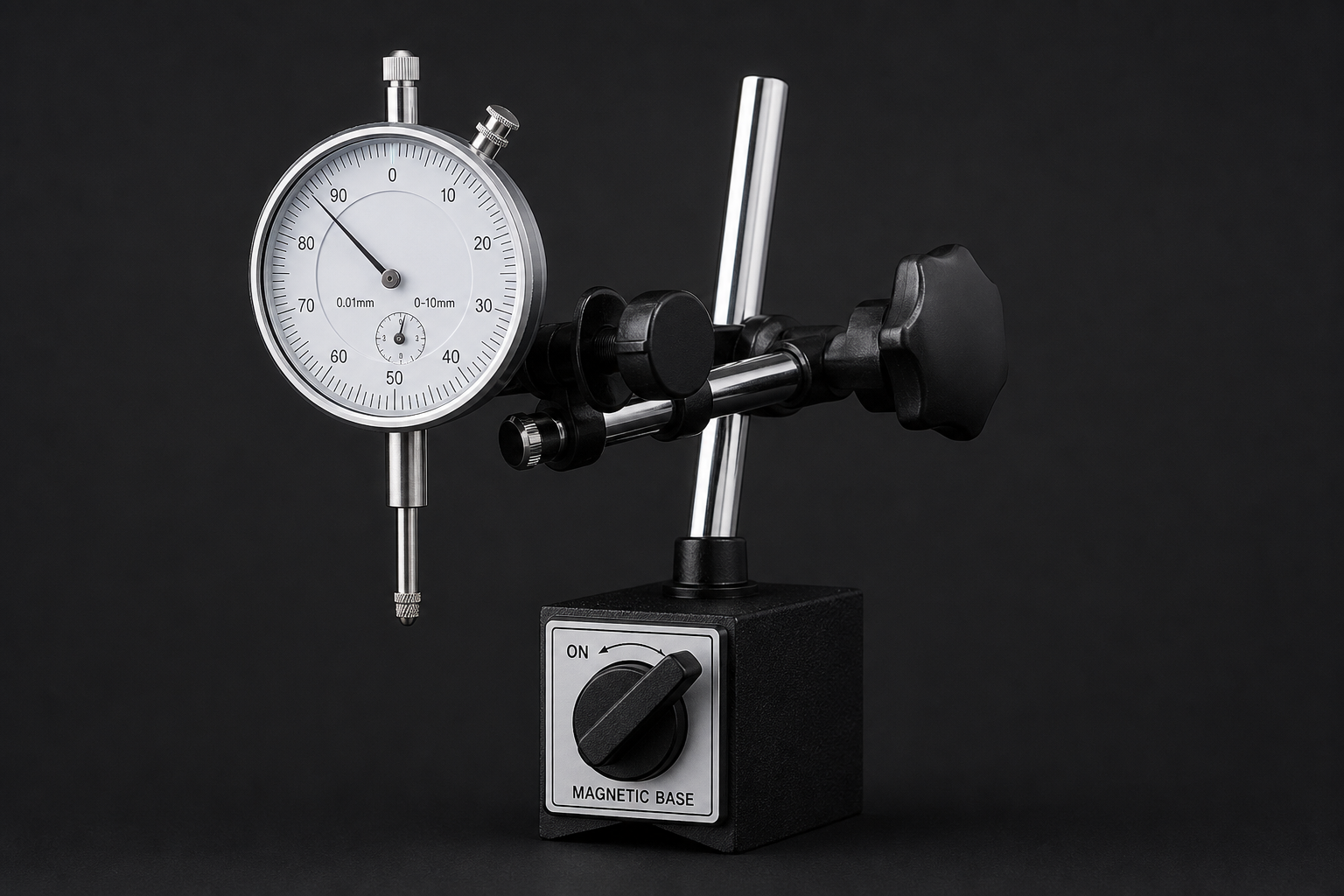
Dial Indicator Set with Magnetic Base
- Finds how much real cushion travel is left before the hard stop
- Catches a worn or bottomed cushion sleeve early
- Magnetic base reads off the machine, not the drawing
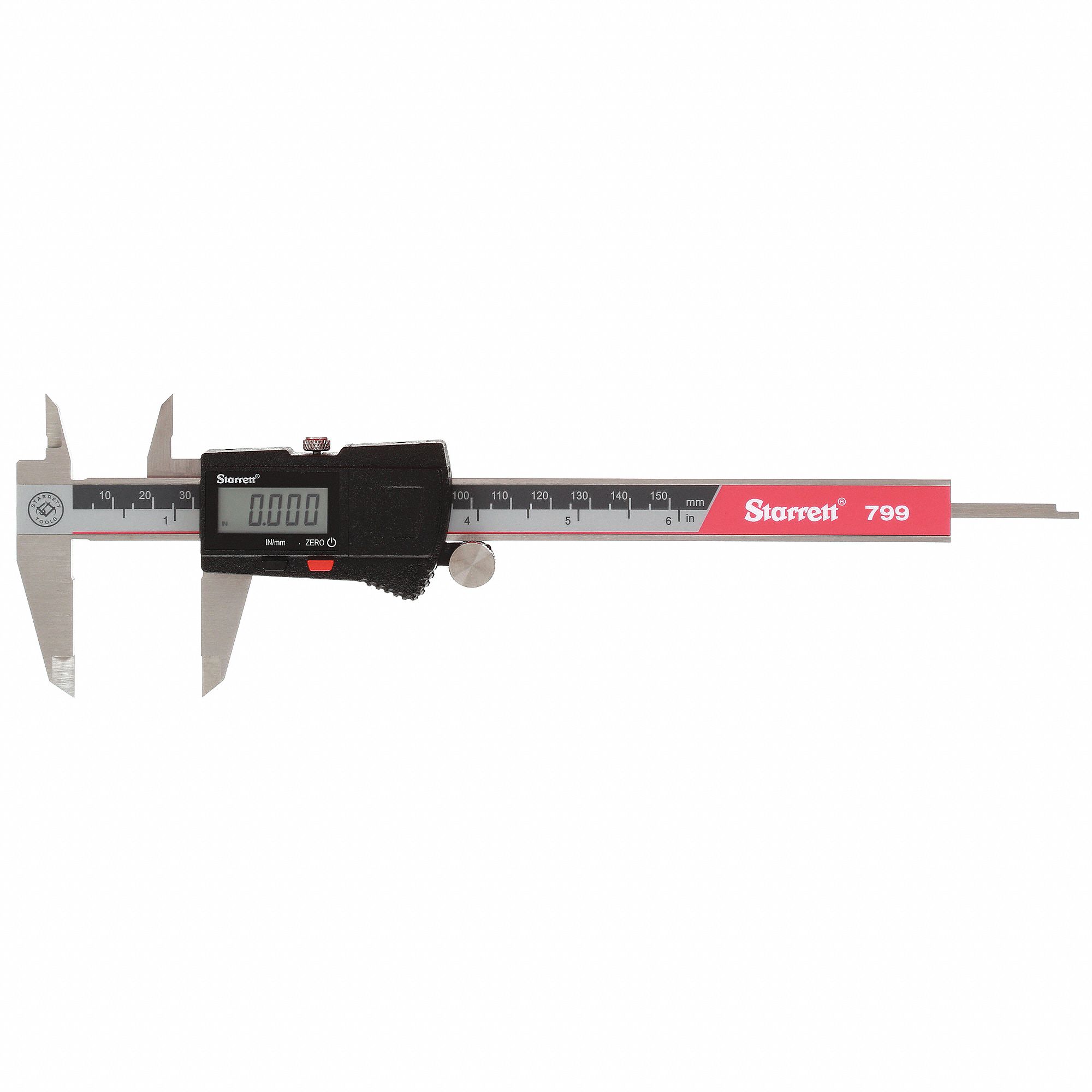
Starrett EC799A Electronic Caliper 0–6 in
- Stroke length for the stroke ÷ time velocity check
- Same tool checks cushion sleeve wear and rod condition
- Inch and metric on one readout
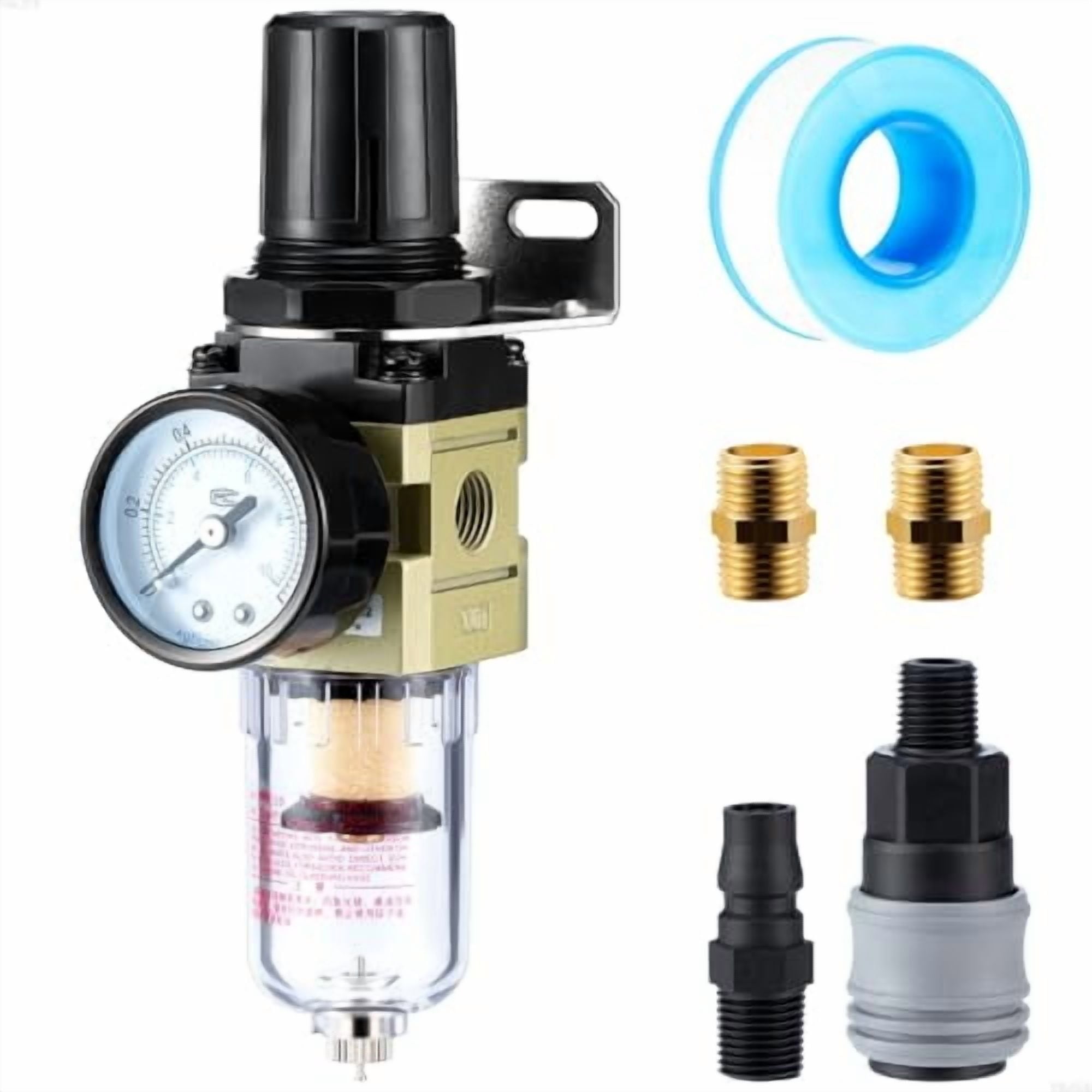
Hromee 1/4 in Filter Regulator AW2000-02
- A regulator at the actuator is the only honest read on drive pressure
- Filtration keeps grit out of the cushion needle valve
- Lower feed pressure trims velocity along with force
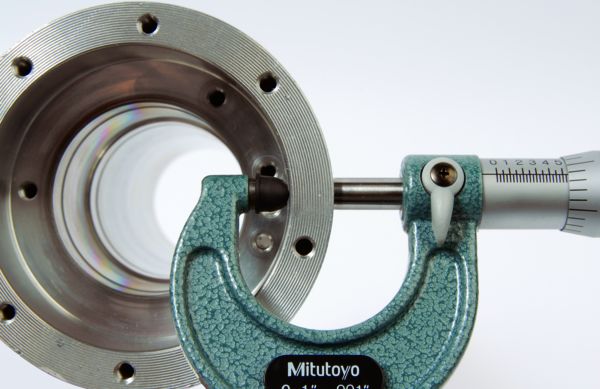
Mitutoyo 103-177 Outside Micrometer 0–1 in
- Checks for wear or scoring from repeated hard stops
- Pairs with a buckling check for the static side of sizing
- Same tool, a different failure mode
As an Amazon Associate, TestTalkHQ earns from qualifying purchases. Prices and availability can change.
Cause 2 — the moving weight grew
A fixture revision, an added sensor bracket, a heavier part on the line — moving weight creeps upward over a machine’s life far more often than it goes down, and energy is directly proportional to it. Weigh the current rod-end assembly rather than trusting the original drawing; “small” additions bolted on over several revisions add up.
Cause 3 — the cushion itself is worn or maladjusted
A cushion that was correctly set when installed degrades two ways:
- Seal wear. The cushion seal loses its sealing effectiveness over thousands of cycles, bleeding off the trapped air that was supposed to provide resistance. The cylinder starts hitting harder at the same velocity it always ran.
- Needle valve drift or tampering. Cushion adjustment screws get bumped during maintenance, or get opened deliberately to “speed the machine up” without anyone understanding what they control.
Cause 4 — there was never a cushion to begin with
Non-cushioned cylinders exist, usually specified for cost on an application where nobody anticipated the speed or weight the machine would eventually run. The fix here is not adjustment, because there is nothing to adjust. The options are the same ones covered in the cushion sizing guide: slow the approach with a flow control, or add an external shock absorber if the energy is too high for flow control alone to handle gracefully.
Cause 5 — mounting, not the cylinder
Occasionally the cylinder and cushion are fine and the mounting is the weak point — a bracket that flexes, undersized or under-torqued bolts, or a mounting style that was never rated for dynamic end-of-stroke loading at all (trunnion and clevis mounts behave very differently under impact than a rigid flange mount). If cushion capacity checks out on paper and the failure persists, look at the mounting hardware specification next, not a bigger cylinder.