Concrete vs. Gravel vs. Packed Dirt for Setting Fence Posts — Which to Use
Cost, labor, drainage, climate, and long-term stability — three real methods, not three names for the same hole
None of these always wins. Size the hole and the bag count (if you pour) in the fence post spacing calculator. How spacing and volume are figured: guide. If the old line already failed: troubleshooting. Deck footings and deck post spacing are a different system: deck post spacing, concrete volume, volume guide. Carpentry index: hub.
Pick a method, then size the holes. The widget will still give you a post count. Bag counts only matter if you pour.
Open Fence Post Calculator →Jump to what you need
Concrete — Fast Lateral Stiffness, Worst When It Traps Water
A concrete collar is the usual answer for privacy fence, gate posts, and any run you do not want to re-plumb next spring. It buys stiffness in the first 24 hours and a clean “this will pass a shove test” story for the homeowner.
The costs are money, mix water, and drainage. A crown that cups toward the post holds a puddle at grade (rot). A bulb sitting on frost-susceptible clay can heave. In wet soil, some builders pour a dry mix or stop the concrete a few inches below grade and cap with soil so water is not trapped in a teacup. That is a detail, not a reason to skip frost depth.
Use the calculator’s cylinder-minus-post takeoff and 0.45 / 0.60 cu ft bag yields. A long run plus a pad is two takeoffs: posts here, everything else in the concrete volume calculator.
Gravel — Drainage First, Stiffness After Compaction
Crushed stone in a properly sized hole, compacted in lifts, is how a lot of farm fence and a growing number of residential lines are set. Water leaves. In freeze climates that can matter more than a perfect collar. The post can be plumbed, tamped, and used the same day without waiting on a bag set.
The costs are labor and patience. Gravel does not forgive a skinny hole. You need the 3× diameter (or better) and a heavy tamper, not a boot heel. Until it is compacted, the post will move. In loose sand, gravel can migrate and the post will lean months later. Gate posts in gravel need a bigger hole and often a concrete assist or a listed steel system.
The calculator still reports a gravel-bed volume for a hybrid hole (stone under, concrete over). A full-depth gravel set is more stone than that bed number — size the cylinder of the whole hole if you are buying bulk stone.
Packed Dirt — Cheap, Honest, and the First to Lean
Native spoils, tamped in lifts, still set miles of agricultural fence. It is fast. It is free. On the right soil (friable, not soup, not pure sand) a line post for woven wire will stand if the hole is deep enough and the tamping is real.
It is also the first method to fail on a privacy fence in wet clay. Dirt backfill that was dumped in one lift is just a filled hole. Organic topsoil in the hole rots and settles. A skinny auger hole packed with spoils is how line posts lean toward the first autumn storm. Packed dirt is a valid method. It is not a valid shortcut for an 8 ft solid panel.
Side-by-Side (Qualitative)
| Question | Concrete | Gravel (compacted) | Packed dirt |
|---|---|---|---|
| Up-front cost | Highest (bags or a short truck) | Stone delivery; no bags | Lowest (spoils you already dug) |
| Labor | Mix, pour, brace until set | Lifts and a real tamper; slower per hole | Fast if you actually tamp; useless if you dump |
| Drainage | Can trap water at grade if the crown cups | Best of the three when the stone is clean | Depends entirely on native soil |
| Frost / heave | Stiff, but a shallow bulb on clay can lift | Often kinder in freeze climates if the hole is deep | Moves with the soil; shallow holes heave or lean |
| Immediate stiffness | Best after set | Good after compaction; not before | Weakest on day one |
| Long-term stability | Excellent if dry at grade and below frost | Excellent in draining soil; can migrate in sand | Fine on open farm fence; poor on privacy / gates |
| Removability | Worst (breakout) | Best | Easy |
| Typical win | Privacy, corners, gate posts, mixed soil | Frost, farm / chain-link line posts, future moves | Light field fence, good soil, budget line |
| Typical loss | Wet clay cup + rot; shallow frost bulb | Skinny hole; uncompacted lifts; heavy gates | Solid panels, gates, wet clay, sand |
Hybrids are normal: gravel bed + concrete collar, or gravel line posts with concrete gate posts. The calculator models a gravel bed under concrete. It does not pretend dirt and gravel have a bag count.
How to Choose on a Real Job
- Privacy, shadowbox, or any solid sail? Concrete (or a listed steel post system). Gravel only if you will compact a full-size hole and accept a little movement while it beds.
- Gate posts? Concrete or a listed gate-post footing. Packed dirt is how latches miss by spring. Add those posts on top of the line-post count.
- Open field or chain-link line posts, draining soil, real frost? Compacted gravel is often the better long-term hole than a sealed wet cup.
- Light agricultural wire, good soil, you will tamp? Packed dirt is honest. Do not upgrade the infill to privacy later and keep the dirt holes.
- Soil is soup, sand, or unknown? Concrete for stiffness, but still put stone under the post and slope the crown away from the wood. Dig to frost.
Then run the calculator for post count and, if you pour, bags. If the old method already failed, read troubleshooting before you repeat it. Spacing and hole math: guide.
Picked a method? Get a post count and a concrete takeoff for the holes you will actually pour.
Fence Post Calculator →Concrete vs Gravel vs Dirt FAQ
Is concrete always stronger?
It is stiffer in the short term. It is not always more durable. A cupped collar in wet clay can rot a post faster than a compacted gravel hole that stays drained. Strength at day two is not the same as strength at year eight.
Can I mix methods on one fence?
Yes. Concrete the gates and corners; gravel the line posts. Or gravel bed plus concrete on every hole. What you should not do is dirt-set a 6 ft privacy panel next to a concrete gate and expect the line to stay in plane.
Does this replace the concrete volume calculator?
No. This pack sizes fence-line holes (cylinder minus post). Slabs, pads, and continuous footings belong in the concrete volume calculator. Add the two. Bag vs ready-mix: volume guide.
What about deck posts?
Deck posts land on footings sized from IRC tables, and their spacing comes from the beam span. That is not a fence hole. Use the deck post spacing calculator and the footing tool — not this comparison.
Dry mix in the hole — is that “concrete”?
It is a concrete method with less water in the hole. It still needs the right diameter and frost depth. It is not packed dirt. Follow the bag label; soup mix at grade is how collars crumble.
Layout Gear for a Straight Fence Line
Fence posts fail from layout as often as from a short hole. Level the first posts, square the corners, snap the line, then cut rails and panels to that line — not to a guess.
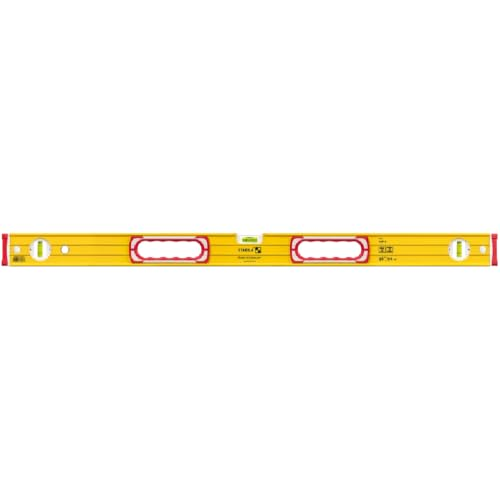
Stabila Type 196 48-Inch Box Beam Level
Plumb the first two posts and check the rail before you lock the rest of the run. A walking post is a concrete problem you cannot fix with a longer panel.
View on Amazon →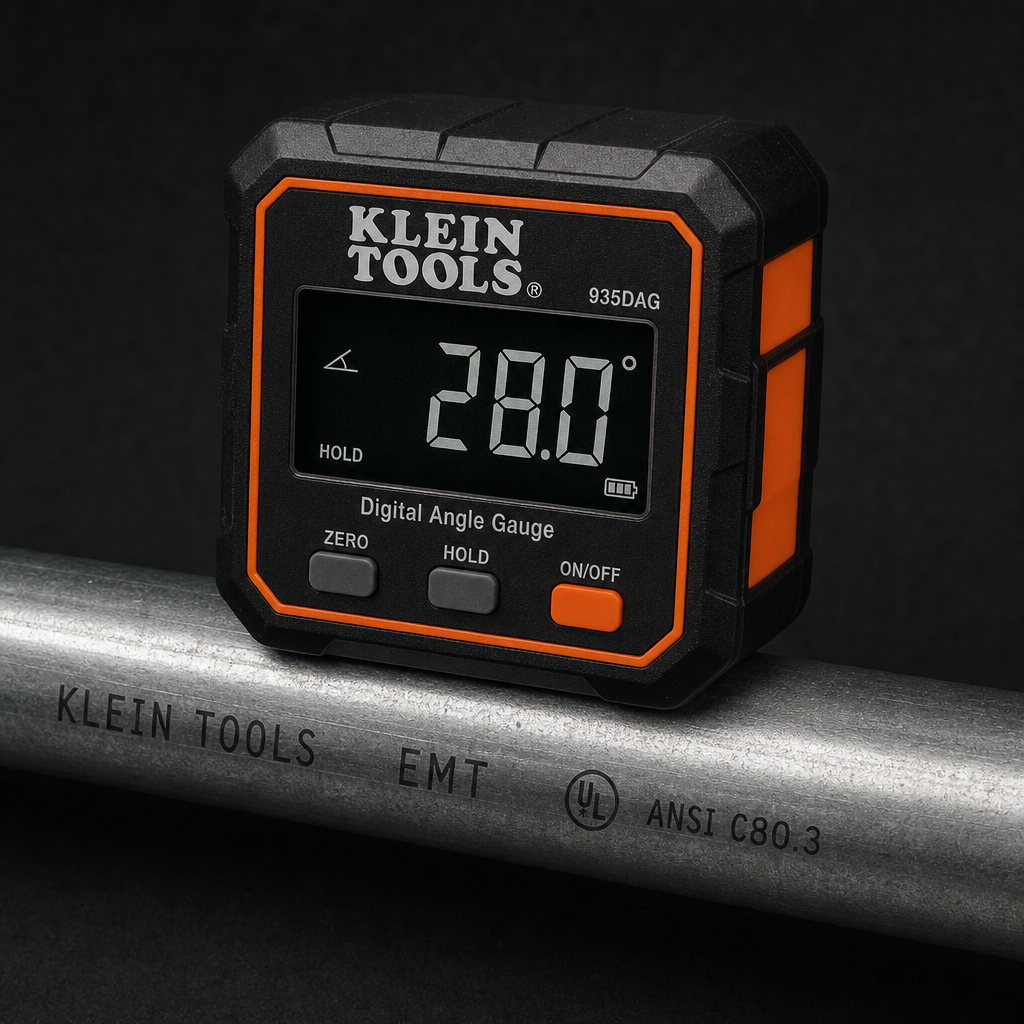
Klein Tools 935DGGP Digital Angle Gauge
Confirm plumb on a post you cannot sight from both sides, and check rail pitch on a slope. Magnetic base parks on a steel post or a square.
View on Amazon →
Swanson TA122 Aluminum Rafter Square 16×24
Square the corner posts, mark rail cuts, and keep the first bay from racking the whole line. Same square you will use on gates and braces.
View on Amazon →TAJIMA Chalk-Rite CR301JF
Snap the fence line after the end posts are set so every hole sits on the same string. Better than walking a tape from a crooked first bay.
View on Amazon →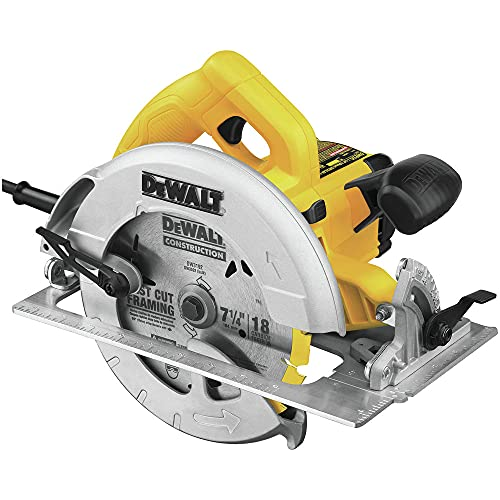
DEWALT DWE575 7-1/4-Inch Circular Saw
Cut rails and panels to the actual opening, not the plan spacing. Crowns, gates, and the last bay always need a real measurement.
View on Amazon →As an Amazon Associate, TestTalkHQ earns from qualifying purchases. Product links are from the live TestTalkHQ affiliate CSV only.