Common Fence Post Problems and Solutions
Leaning line posts, rot at grade, frost heave from a shallow hole, panel sag from a wide bay, and gate posts that walk under load
Size the replacement run in the fence post spacing calculator. How spacing and bags are supposed to be figured: spacing and concrete guide. Whether to pour the new holes: concrete vs gravel vs packed dirt. Deck bounce and beam posts are a different failure mode — use the deck post spacing calculator for those. Carpentry index: hub.
Check the layout math first. Then look at hole size, frost depth, and how the post was set.
Open Fence Post Calculator →Problem index
1. Leaning Posts (The Line Walks After the First Season)
What you see: Tops drift downwind or toward the heavy side of a slope. Rails that were level now show a gap at one bracket. A privacy panel that acts like a sail after a storm.
Why it fails: The hole was too small (no collar), the backfill was dirt spoils, the post was not plumbed while the mix went off, or the on-center was too wide for the sail. A 4×4 in an 8" hole in wet clay is a spike, not a footing.
Fix: Pull the failed posts. Dig to the suggested diameter (3× post, even inches, min 10") and a depth that meets frost. Reset plumb with braces and a level, not a one-person “wiggle until it looks straight.” Recheck spacing in the calculator — if the old line was 8 ft OC on 8 ft privacy in the open, the new line should be tighter. Setting method: concrete vs gravel vs dirt.
2. Rot at Grade (The Post Is Soft Where It Leaves the Ground)
What you see: Dark ring at soil line, bark or treatment peeled, a post you can push with a thumb, rusty fasteners in the bottom rail, or a post that snaps at grade when you pull a panel.
Why it fails: The wettest inch of a fence post is the grade line. Concrete that crowns up toward the post holds a puddle against the wood. Untreated or “ground-contact” that was never rated for in-ground, plus soil that never drains, finishes the job. Gravel omitted from the hole leaves the end grain in standing water.
Fix: Replace the post. Cut the concrete crown so water sheds away from the wood (a slight volcano, not a cup). Use ground-contact treated or a listed steel post. Put a gravel bed under the end grain. Do not sister a rot-soft post with a deck board and call it structural. If several posts are soft, budget a stretch, not a patch.
3. Frost Heave from a Shallow Hole
What you see: Posts that rose over winter, rails that lifted off brackets, a gate that no longer latches in March, or a line that is high on the north side of the yard and fine under an eve.
Why it fails: Ice formed under or against a hole that stopped above the frost line. A concrete bulb sitting on frost-susceptible clay is a piston. The one-third-of-height rule does not save a 6 ft fence with an 18" hole in a 42" frost jurisdiction.
Fix: Dig to the adopted frost depth (or deeper). Suggested depth on this site is max(24", frost-climate minimum, height/3) — if the town map is 48" and the climate picker said 36", the map wins. Add gravel under the post so water has somewhere to go. In bad clay, consider a wider hole and a setting method that drains; a sealed wet cup under the post is how heave repeats. Method choice: comparison.
4. Panel Sag from Over-Wide Spacing
What you see: Mid-bay droop on privacy or shadowbox, racked pickets, chain-link that looks like a smile, rails that pulled fasteners at the post.
Why it fails: The bay is longer than the infill and the post pair can keep straight. Eight-foot privacy on an 8 ft fence in wind is a sail with a long lever. Field fence at 12 ft OC on a 6 ft woven-wire run is the same story with less wood and more stretch.
Fix: Add a post in the middle of the bad bay, or rebuild at the recommended max for type, height, and wind. Do not sister a mid-span 2x4 to a sagging rail and leave the posts where they are if the posts are already walking. Run the calculator with the real height and wind; if your preferred 8 ft gets capped, that is the diagnosis.
5. Gate-Post Movement Under Load
What you see: Latch that worked in October and misses in April. A sagging leaf. A post that twists when the gate opens. Hinge screws that oval out.
Why it fails: A gate is a cantilevered door. Line-post spacing and a line-post hole do not take that torsion. Undersized posts (a 4×4 on a 6 ft double-leaf driveway gate), a shallow hole, and hinges only into the post face (no through-bolt, no listed strap) add up.
Fix: Treat gate posts as their own takeoff. Larger post (often 6×6 or a steel pipe), deeper and wider hole, more concrete or a listed gate-post footing, and hardware that wraps or through-bolts. Do not steal stiffness from the first line post by hanging a heavy gate on it. Add those two posts on top of the line-post count from the calculator. Diagonal brace or a wheeled leaf for long driveway gates.
What to Actually Do About It
- Identify the mode. Lean, rot, heave, sag, and gate twist are different repairs. Do not pour a new collar around a rotten post and call heave fixed.
- Measure the run and the height that is actually there, then re-run the fence post spacing calculator.
- Check frost and hole size against the guide and the local frost map.
- Pick a setting method that matches drainage and climate — not a habit. Concrete vs gravel vs packed dirt.
- Replace, do not decorate. A leaning, rotten, or heaved post is a hole job. Paint, extra screws, and a mid-rail sister are temporary.
Rebuilding a stretch? Get a post count and a bag count before you rent the auger.
Fence Post Calculator →Fence Post Troubleshooting FAQ
Can I straighten a leaning post without digging it out?
You can rack it back and pour a new collar. That usually fails again because the hole is still too small or too shallow. Pull it and reset to diameter and frost. Temporary cables are for a weekend, not a fix.
The post is solid but the panel sags. Is that a post problem?
Often it is a spacing problem. Mid-bay sag on a wide privacy bay is the rail and panel, not rot. Add a post or rebuild at the recommended max. If the posts also lean, do both.
Why did only some posts heave?
Those holes were shallower, sat in wetter clay, or had a concrete bulb on frost-susceptible soil. Low spots and the north side of a lot heave first. Dig the replacements to the frost map, not to the depth of the posts that “looked fine.”
Should I set replacements in concrete if the old ones were in dirt?
Not automatically. If the old dirt-set posts heaved because they were shallow, a deeper gravel-set post may be the better repair. If they leaned because the hole was a spike, a real concrete collar helps. Walk the tradeoffs: comparison.
Do I need the concrete volume calculator too?
Use this fence calculator for the holes. Use the concrete volume calculator if you are also pouring a pad, mow strip, or landing. Add the two takeoffs; do not use one footprint for both.
Layout Gear for a Straight Fence Line
Fence posts fail from layout as often as from a short hole. Level the first posts, square the corners, snap the line, then cut rails and panels to that line — not to a guess.
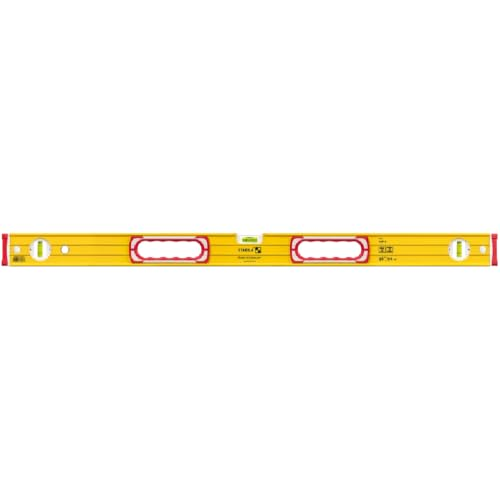
Stabila Type 196 48-Inch Box Beam Level
Plumb the first two posts and check the rail before you lock the rest of the run. A walking post is a concrete problem you cannot fix with a longer panel.
View on Amazon →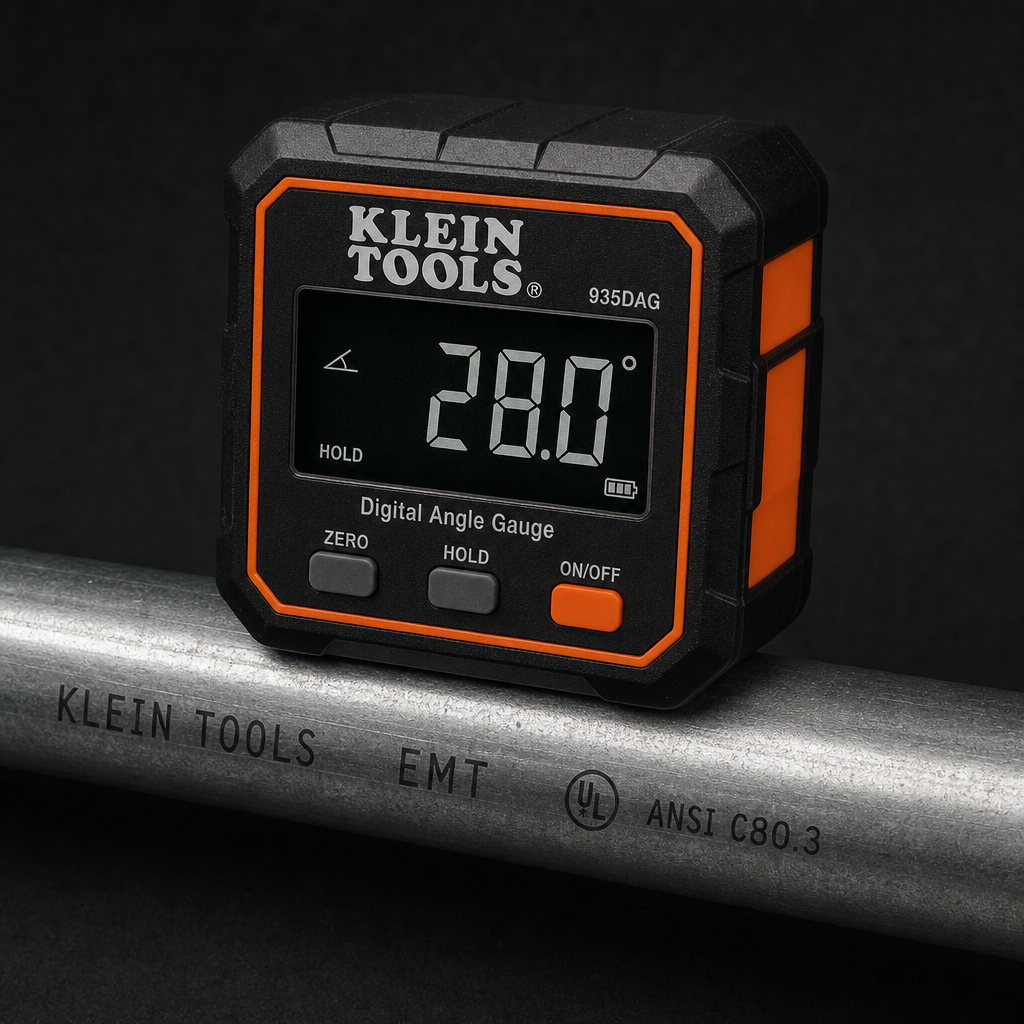
Klein Tools 935DGGP Digital Angle Gauge
Confirm plumb on a post you cannot sight from both sides, and check rail pitch on a slope. Magnetic base parks on a steel post or a square.
View on Amazon →
Swanson TA122 Aluminum Rafter Square 16×24
Square the corner posts, mark rail cuts, and keep the first bay from racking the whole line. Same square you will use on gates and braces.
View on Amazon →TAJIMA Chalk-Rite CR301JF
Snap the fence line after the end posts are set so every hole sits on the same string. Better than walking a tape from a crooked first bay.
View on Amazon →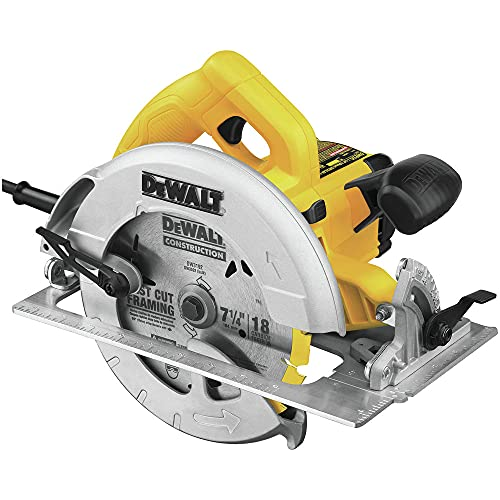
DEWALT DWE575 7-1/4-Inch Circular Saw
Cut rails and panels to the actual opening, not the plan spacing. Crowns, gates, and the last bay always need a real measurement.
View on Amazon →As an Amazon Associate, TestTalkHQ earns from qualifying purchases. Product links are from the live TestTalkHQ affiliate CSV only.